Two classes can include many of the same postures and still land very differently: one calm and collected, the other restless and effort-heavy. Often, the difference isn’t the shapes—it’s the order that holds them together.
Sequencing is the hidden architecture of practice: the order of poses, the transitions between them, and the inner arc that develops from start to finish. Yoga’s blend of postures, breathing, and meditative attention can affect function. In day-to-day practice, sequence decides where effort accumulates, how breath behaves, and how attention settles across the room.
Key Takeaway: The clearest difference between Ashtanga and Vinyasa is not which poses appear, but how they are arranged. Ashtanga uses a fixed, progressive order that builds familiarity and inward focus through repetition. Vinyasa uses a more adaptive arc, allowing the teacher or practitioner to shape the flow around intention, energy, and context. When sequence is skillful, effort feels steadier, breath becomes more coherent, and the practice gains depth.
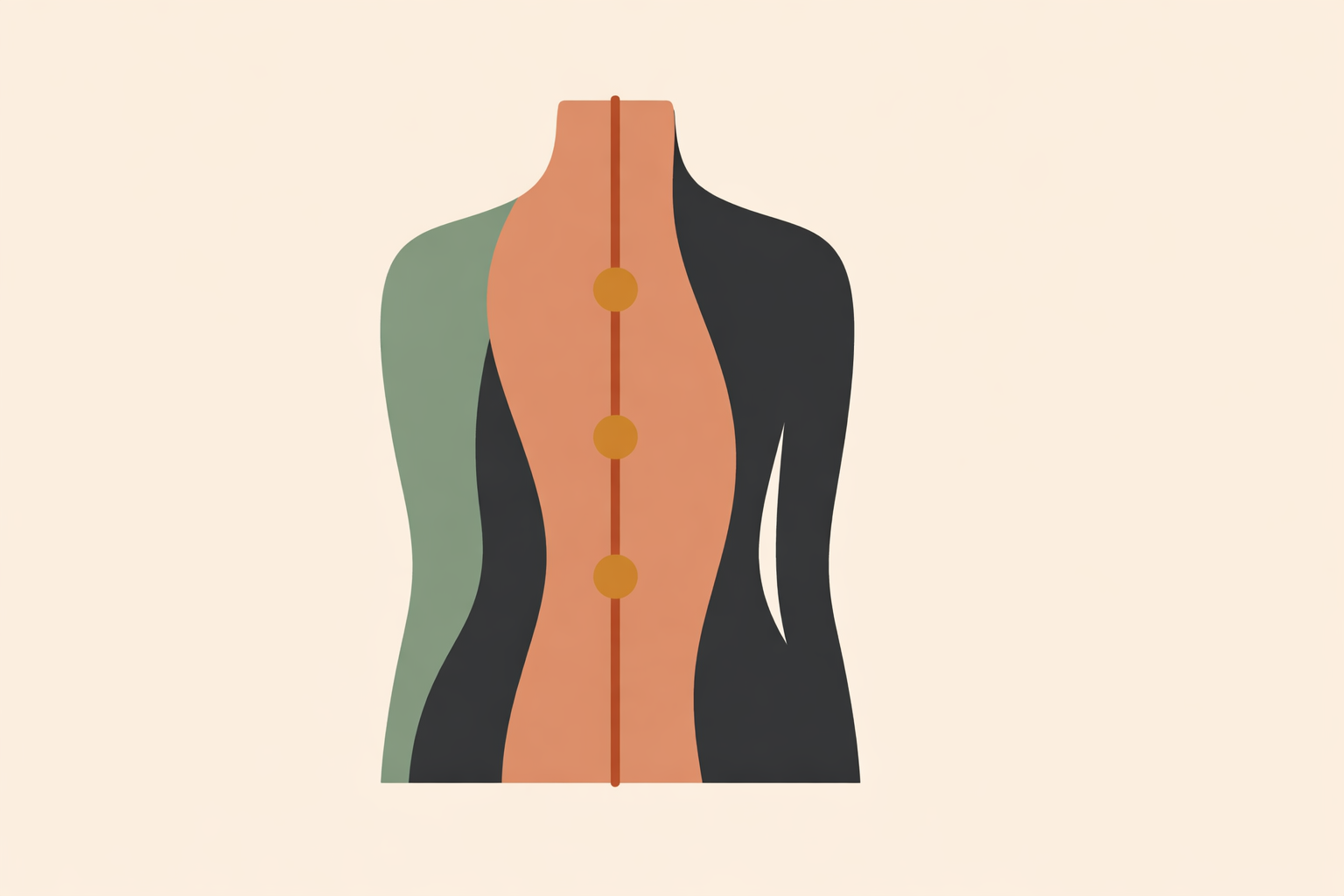
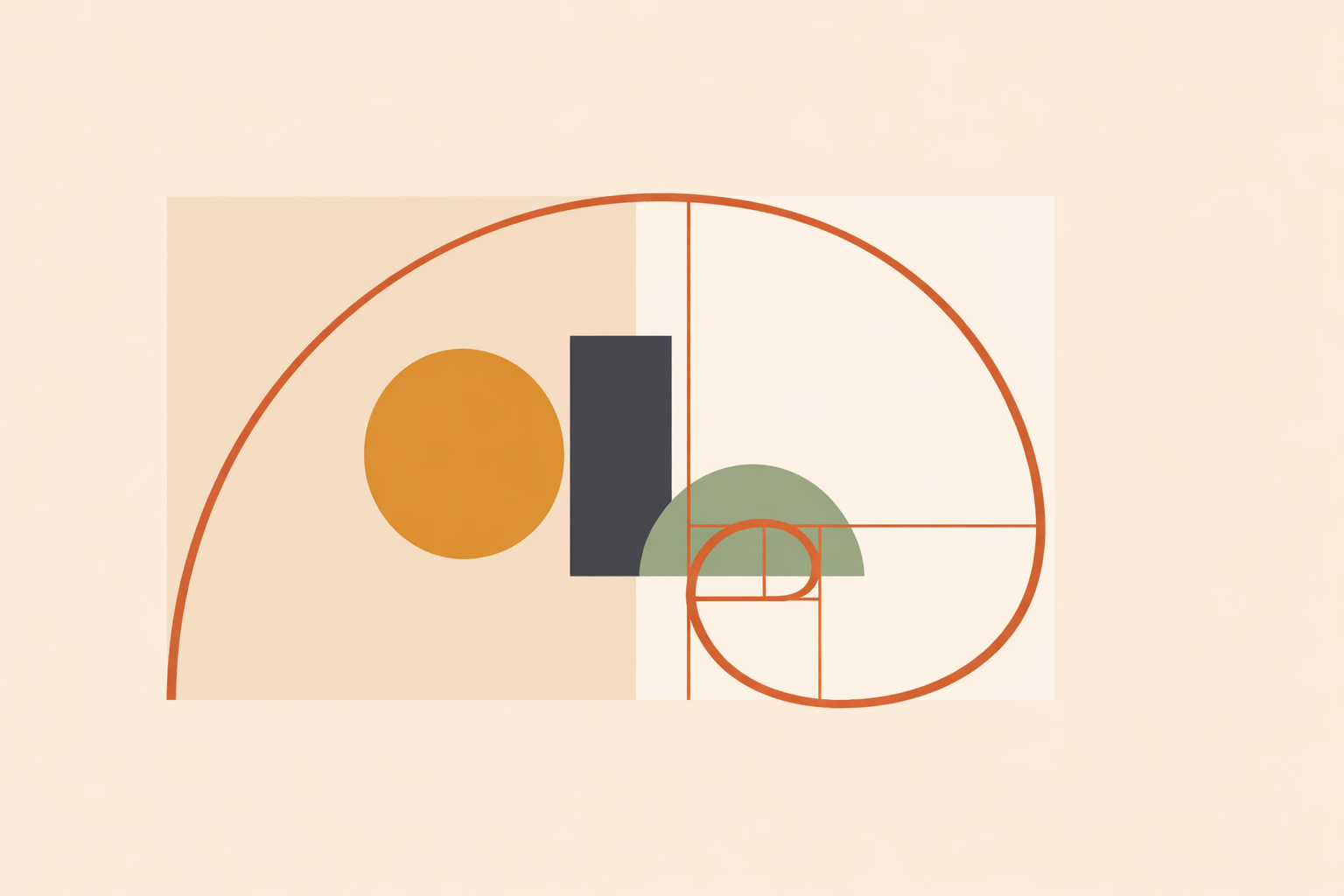
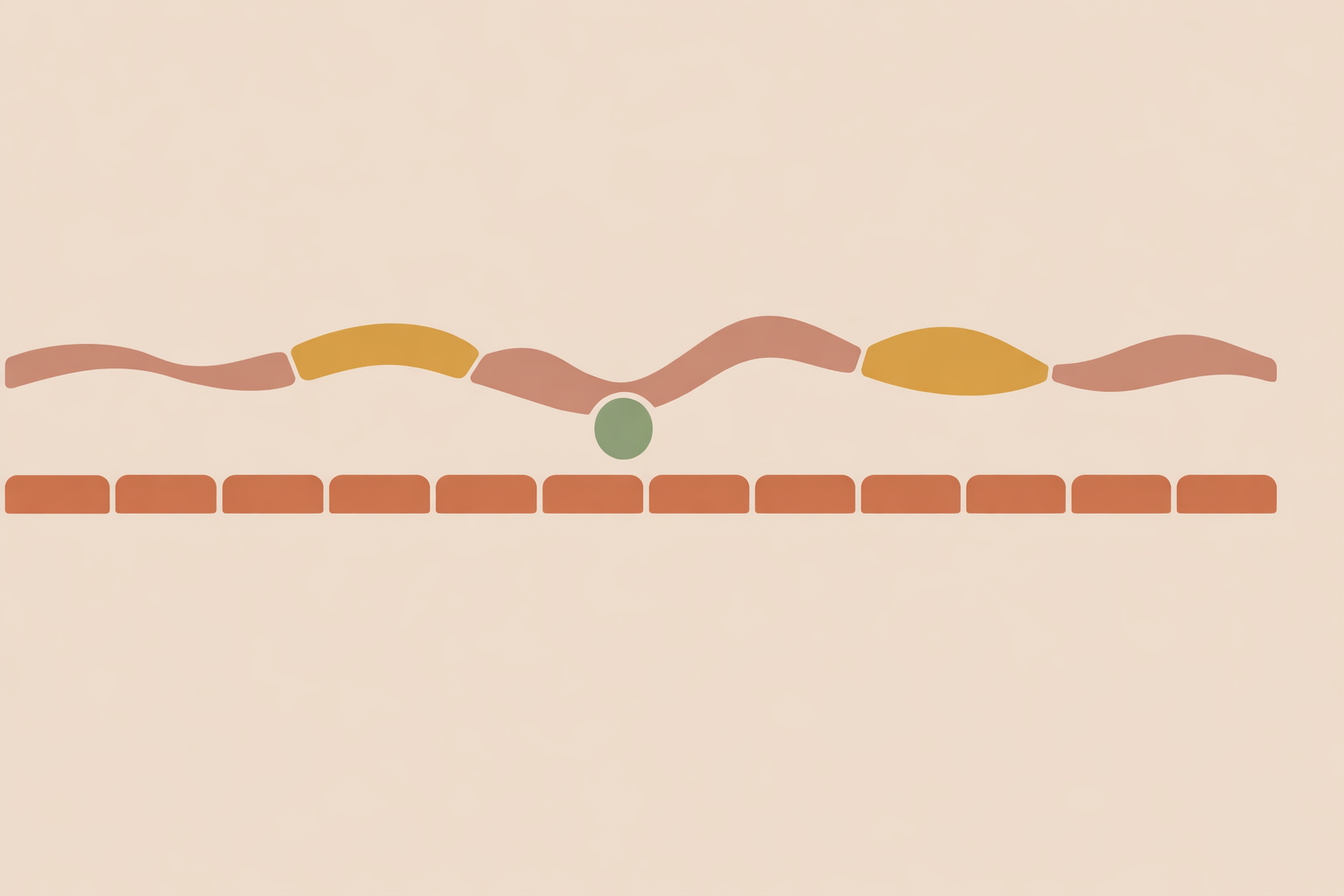
Two sequencing maps: fixed Ashtanga order and adaptive Vinyasa arc
The simplest comparison between Ashtanga and Vinyasa is their underlying map.
Ashtanga gives you a sequence to return to. You learn the order, repeat it, and deepen inside it. Even when teachers adapt for different experience levels, energy, or mobility, the structure remains recognizable. That consistency reduces decision fatigue, keeps attention close to breath, and makes small changes easier to notice over time.
Vinyasa, by contrast, is typically designed to fit the day. The arc is built around intention and context: grounding after a busy stretch, building standing strength, exploring backbends, or moving toward quiet. The sequence becomes a responsive tool rather than a script.
Neither approach is inherently better. They cultivate different skills.
- In Ashtanga, you refine yourself within the form.
- In Vinyasa, you refine the form to suit the moment.
This difference shows up in practical choices. In an Ashtanga setting, someone wanting less hand weight-bearing might keep the order but simplify transitions or reduce repeated vinyasas. In a Vinyasa setting, the arc itself can be redesigned so the same intention is met through different pathways.
This is also why comparing styles by “favorite poses” can miss the point. The more useful question is how each system organizes effort, rhythm, and attention.
Inside an Ashtanga flow: how the Primary Series builds capacity
The Primary Series works as a repeatable progression. Its structure offers a stable container where breath, drishti, and effort get more refined over time.
In broad outline, the sequence moves through opening elements, Sun Salutations, standing postures, seated work, backbends, finishing postures, and rest. The predictability is part of why many practitioners experience it as meditative.
Sun Salutations do more than warm the body. They establish breath rhythm, introduce hand weight-bearing, mobilize the spine, and teach transition mechanics that carry through the full series. In traditional practice, five rounds of Surya A and five rounds of Surya B are a common foundation.
The standing sequence then develops the work through a recognizable progression: forward folds, side-body actions, twists, and stronger leg patterns. Earlier postures prepare later ones. Hamstrings open gradually before deeper forward work, shoulders and wrists organize before more demanding weight-bearing, and attention narrows as the series unfolds.
Seated work continues the same logic through forward folds, asymmetry, hips, twists, and core-oriented actions, linked by familiar transitions. In the Primary Series, postures are commonly held for about five steady breaths, which creates that distinct cadence of posture, pause, transition, repeat.
The closing phase matters just as much as the build. Practices that combine postures, breathing, and relaxation may influence regulation, and in Ashtanga, the traditional closing arc is valued for helping the practice settle and integrate. Backbends, inversions or finishing postures, quieter shapes, and Savasana complete the energetic and mental curve.
Over time, the known order does something subtle and powerful: it frees attention from planning. Less mind goes into “what’s next,” and more can rest in breath, drishti, and the quality of presence inside each posture.
- Micro-practice: take a familiar standing posture for five even breaths and notice how different the fifth breath feels from the first. In Ashtanga, much of the depth comes from staying long enough for that shift to appear.
Inside a Vinyasa flow: designing around intention
Vinyasa sequencing begins with a practical question: what is today’s practice meant to cultivate?
That intention shapes the choices that follow. A grounding class often moves more slowly, emphasizes standing holds and longer exhalations, and closes with forward folds and rest. A more energizing class typically uses stronger transitions, more heat-building repetition, and brighter pacing through standing work and balances.
Dynamic yoga styles can feel more vigorous, and faster breath-to-movement pacing often feels more cardiovascular than slower pacing. Slower sequencing with longer holds tends to highlight strength, alignment, and technique. In skilled hands, pace becomes a precise lever that changes the experience even when the pose list stays familiar.
A practical Vinyasa arc often includes:
- a clear intention
- a general warm-up
- specific preparation for the main movement themes
- progressive standing or strengthening work
- a focal posture or energetic high point
- counterbalancing and cooling shapes
- rest
What makes Vinyasa effective is coherent responsiveness. If the room is tired, the arc can simplify without losing purpose. If students need more preparation, the peak can be delayed or softened. If a transition is confusing, the sequence can be edited immediately while keeping the thread intact.
- Example intention: “evening ground.” Build slowly, keep transitions unhurried, use familiar standing shapes, soften the descent into seated work, and let the final part of practice feel spacious rather than dramatic.
- Example intention: “hip stability after a long desk day.” Prepare with gentle mobilization, organize standing work around single-leg strength, then close with simpler counterposes and rest.
Breath, drishti, and bandhas: the inner structure of flow
Outer sequence sets the path. Inner cues determine the quality of the walk.
In Ashtanga, this inner structure is often taught through Tristhana: breath, posture, and drishti. The aim is gathered attention and a unified practice.
Ujjayi breathing is commonly maintained from the first Sun Salutation to the final movement before rest. Inhalations typically match lifting or opening actions, while exhalations often accompany folding, twisting, binding, or lowering. That coordination gives the sequence its recognizable rhythm and helps movement stay connected to breath.
Bandhas, especially Mula and Uddiyana, are traditionally taught as subtle energetic supports. Many contemporary teachers cue them as a gentle lift and inner organization through the pelvic floor and low belly, while honoring the deeper roots of the teachings. With skill, these cues create steadiness without turning into gripping.
In Vinyasa, the same tools often remain present but are applied more flexibly. Breath counts may change, drishti may be suggested rather than fixed, and bandha-style cues may be used more lightly depending on pacing and experience. The inner map still guides the flow, just with more variation.
This is why two classes can feel worlds apart even with similar shapes. Sequencing matters, and breath, gaze, and subtle support determine how that sequence is lived from the inside.
- Short experiment: practice two rounds of Surya A with a clear counted breath, then two rounds with a softer, uncounted breath. Notice how the quality of your gaze, pacing, and effort shifts.
Choosing the right sequencing approach
Ashtanga and Vinyasa are best understood as two distinct ways of organizing attention and effort.
Ashtanga’s fixed order builds depth through repetition. For many practitioners, this develops strong familiarity, sharper self-observation, and a gradual shift toward inward steadiness that also supports a broader eight-limb practice.
Vinyasa’s adaptable arc builds depth through responsiveness. It meets the reality of the day while still allowing a coherent, purposeful journey.
Both styles can be approached in a way that is generally safe when practiced with appropriate adaptation, steady guidance, and respect for individual capacity. When in doubt, prioritize clarity over complexity, build preparation before intensity, and leave enough time to downshift before rest.
Over time, even small changes in order can transform the experience. Effort can soften into steadiness, attention can settle into drishti, and movement can begin to feel like one coherent practice rather than a string of tasks—whether you are refining your own sequencing, exploring Hatha vs Vinyasa choices, or studying traditional and eastern medicine more broadly through a yoga teacher training.
Train in Yoga Teacher Training
Apply sequencing, breath, and intention with confidence in Naturalistico’s Yoga Teacher Training.
Explore Yoga Teacher Training →