In a busy session, it’s easy to reach for a favorite technique the moment someone speeds up, goes quiet, or disconnects. Sometimes that lands well. Other times, calming scripts deepen dorsal collapse, long silent scans ramp up sympathetic charge, and story work arrives too early and pulls attention into analysis when the body needs support first. The issue usually isn’t effort. It’s organization.
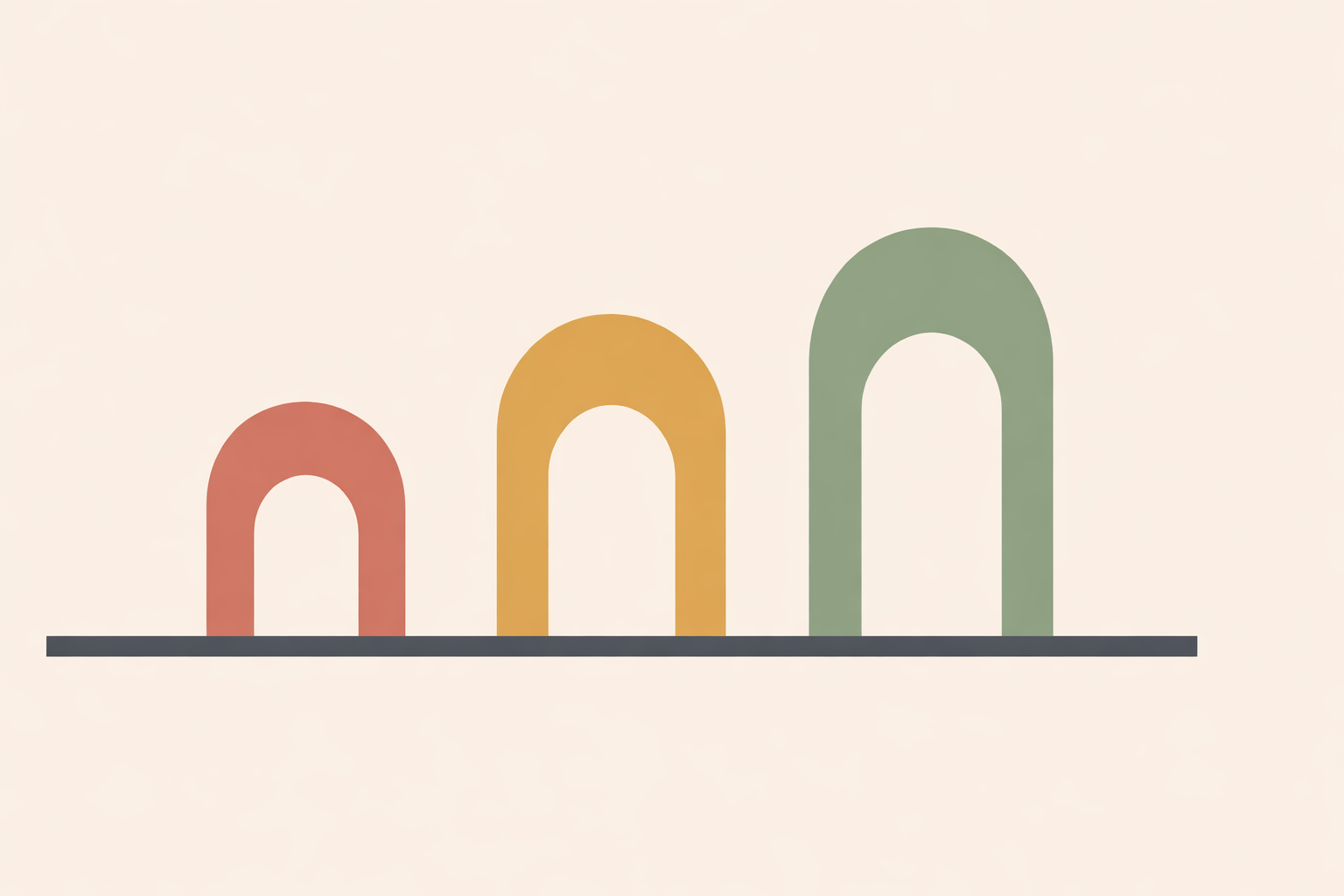
A steadier approach is to anchor sessions to a repeatable, state-based arc: arrive and orient, regulate and co-regulate, integrate and extend. That rhythm keeps pacing tied to what the person in front of you can actually take in. It also makes your choices easier to track, refine, and explain over time.
Key Takeaway: Effective autonomic regulation in client work comes from a repeatable, state-based three-phase flow rather than technique-first choices. Phase 1 establishes safety, predictability, and a quick state read. Phase 2 matches support to sympathetic activation or dorsal shutdown. Phase 3 helps consolidate the shift and carry it into daily life with simple rituals and home practices. When the flow is clear, sessions become more coherent, adaptable, and easier to track.
Phase 1: Arrive and Orient
Phase 1 is where safety begins. Early on, the practitioner often becomes a primary signal of safety through pace, tone, breath, and clear boundaries.
Warm prosody, gentle pacing, consent before contact, and culturally attuned eye gaze can prime neuroception toward “this is workable.” Keep the opening simple and choice-based: “We’ll spend the first few minutes arriving. You can sit or stand. Would it feel okay if we both look around the room for a moment and then check what your body is asking for today?”
Then read state. Breath depth, muscle tone, posture, gaze, and vocal quality usually give enough information to choose well in Phase 2.
- Ventral: more presence, softer face, flexible gaze, spontaneous prosody.
- Sympathetic: speed, tightness, agitation, scanning, urgency.
- Dorsal: flatness, heaviness, withdrawal, monotone, slumped posture.
You don’t need a perfect analysis. You need a usable impression. “Fast,” “flat,” or “here” in your notes at minute three is often plenty.
Phase 2: Regulate and Co-Regulate by State
This is the heart of the session. Co-regulation draws on warm tone, slowed pacing, and clear boundaries, but the real hinge is fit. Choose support that matches the state you see.
When the system is sympathetic
Sympathetic activation often looks like speed: vigilance, tightness, urgency, and a sense of pressure. These states tend to respond to length, rhythm, and grounded contact. Longer exhales, orienting, low-effort humming, and cooling cues are practical starting points.
Support that emphasizes extended exhales and rhythm is a reliable way to bring intensity down without demanding stillness. Many practitioners also use a repeated physiological sigh to interrupt spiraling activation and help the breath organize itself.
For some people, brief cold sensation helps. Splashing the face or holding an ice cube can activate the dive reflex, offering a quick downward nudge in arousal.
A short script might sound like this: “Let’s try two sighs together. Then, if it feels okay, a soft hum on the long exhale while your feet press into the floor.”
When the system is dorsal
Dorsal states often feel heavy, foggy, far away, or collapsed. In this pattern, more stillness is often unhelpful. Deep relaxation cues can worsen shutdown. Gentle activation, orienting, and rhythmic input usually support a return to presence.
Small rhythmic movements often land better than long internal-focus practices:
- rocking
- bilateral tapping
- cadence walking
- speaking a short phrase in rhythm
This tracks with what many traditions have always known: repetition organizes. In modern terms, rhythmic activity supports autonomic organization.
Try tiny movements first: “Would it be okay to rock forward and back for 30 seconds while you look around the room?” Add simple supports like light, warmth, or a posture change. Keep the goal modest: return, not intensity.
The central guardrail in Phase 2 is state matching. If someone needs orientation or connection first, more calming can backfire.
Phase 3: Integrate and Extend
Integration works best after a shift has happened. When breath is easier, gaze is more present, or posture has softened, language can help consolidate what changed.
Brief reflection supports learning by pairing words with sensation and choice.
Two questions are often enough:
- “What changed in your body that you want to remember?”
- “What would help you find that again later today?”
Tracking glimmers can help too. These small moments of beauty, connection, relief, or ease widen attention toward cues that support safety rather than only scanning for strain.
Close simply. A 30- to 90-second exit ritual might include:
- one oriented breath
- a slow look around the space
- a hand press into chair and thigh
- a chosen phrase
Keep home practices small enough to be real: “Tonight: two sighs at the sink. Tomorrow: 60 seconds looking out the window after lunch.” Small practices are more likely to be used and trusted.
Bringing in Ancestral Rhythm With Respect
Breath, rhythm, humming, chanting, and paced walking sit at a natural meeting point between polyvagal-informed work and older wisdom traditions. Humming and singing can stimulate vagal tone by combining breath with vibration, and these practices have been carefully stewarded across many lineages for generations.
If you bring in an ancestral rhythm, do it with clarity, consent, and respect. Name where the practice comes from when you know its roots. Offer it lightly. Let the client’s own cultural references lead whenever possible.
You might say: “There’s a brief humming practice I learned from a specific lineage. Would you like to try it, or is there a sound or rhythm from your own background that would feel more natural?”
Safety cues also vary by culture and neurotype. Eye contact, touch, silence, and proximity are not universal signals. Let the other person show you what works for them.
When it’s credited and chosen with care, shared walking pace, voice resonance, or familiar cadence can deepen co-regulation in a way that feels grounding and dignified.
Designing Your Own 3-Phase Session Map
The model becomes useful when you make it specific to your setting. A coach on video, a yoga teacher in a lively studio, and a bodyworker in a quiet room will each need different anchors.
Sketch one page with three columns. List three to five moves you can genuinely offer in each phase.
- Phase 1: consent script, orienting look, seat or stance choice, one-word state read.
- Phase 2: if fast, sighs + hum + longer exhale; if flat, rocking + phrase + light.
- Phase 3: name one shift, close with a short ritual, choose two home micro-practices.
Keep the state-fit principle in front of you. A common error in popular nervous-system guidance is overusing calming tools when the person first needs orientation or relational connection.
Common Pitfalls to Avoid
- Over-calming dorsal states. Prolonged stillness can deepen shutdown. Dorsal states often need gentle activation and orientation.
- Too much interoception too soon. Long, silent body scans without pendulation can worsen collapse or intensify emotion.
- Strained breathwork. Effortful breath holds can deepen collapse or trigger panic in mixed profiles. More comfortable, unforced breathing is usually safer, and comfortable breathing reflects that principle.
- Mismatched pacing. Integration is rarely effective before any real state shift has occurred.
Misattunement will happen. What matters is repair. A straightforward line such as “I think that slowed things too much; shall we try adding some movement?” often restores co-regulation and builds trust over time.
Closing Perspective
Autonomic regulation is relational and learnable. A three-phase flow supports it without overcomplicating sessions.
Start with steadiness, predictability, and consent. Match support to the state you actually see. Then help the shift land with brief reflection, a closing ritual, and one or two realistic daily practices.
As your pacing gets cleaner, the work gets simpler: one word for state, one matched support, one felt shift, and one small practice to carry forward. That’s often enough to build coherence, session by session.
Train in Polyvagal Therapy
Deepen your state-based session flow with the Polyvagal Therapy Certification.
Explore Polyvagal Therapy →