Clients rarely ask about broad-spectrum and full-spectrum CBD as an abstract comparison. They usually arrive with a bottle, a recommendation from someone they trust, a concern about workplace testing, or a story about feeling unexpectedly drowsy.
In practice, the useful question isn’t which label sounds best. It’s what’s actually in the product, how well it fits the person’s priorities, and what boundaries should be in place before they try it.
Key Takeaway: Spectrum labels describe intended composition, not guaranteed outcomes. Full-spectrum products are designed to include multiple hemp compounds plus trace THC within legal limits; broad-spectrum products are designed to keep multiple hemp compounds while removing THC; isolate is designed to contain only CBD. In real-world support work, the most reliable path is to verify composition through a COA, align the choice with the person’s goals and constraints, and keep expectations grounded in what the product can actually document.
How spectrum questions show up in practice
When someone asks, “Should I switch to full-spectrum?” they’re often asking several questions at once: will this suit me better, will it affect alertness, is there THC, and can the label be trusted?
Spectrum conversations tend to go best when they start with translation. Spectrum is the maker’s description of what they intended to include. The next step is verifying that intention in the product’s lab report, then matching it to the person’s real-life context.
A simple reset line can sound like this: “Let’s look past the front label for a moment. I want to see the cannabinoid profile on the lab report, especially the THC result, and then we can match that to your priorities.”
- If someone drives for work, alertness matters more than marketing language.
- If someone is subject to workplace testing, THC exposure matters more than the word “broad.”
- If someone wants the richest possible plant profile, full-spectrum can match that preference, but the actual composition still needs checking.
What full-spectrum, broad-spectrum, and isolate mean
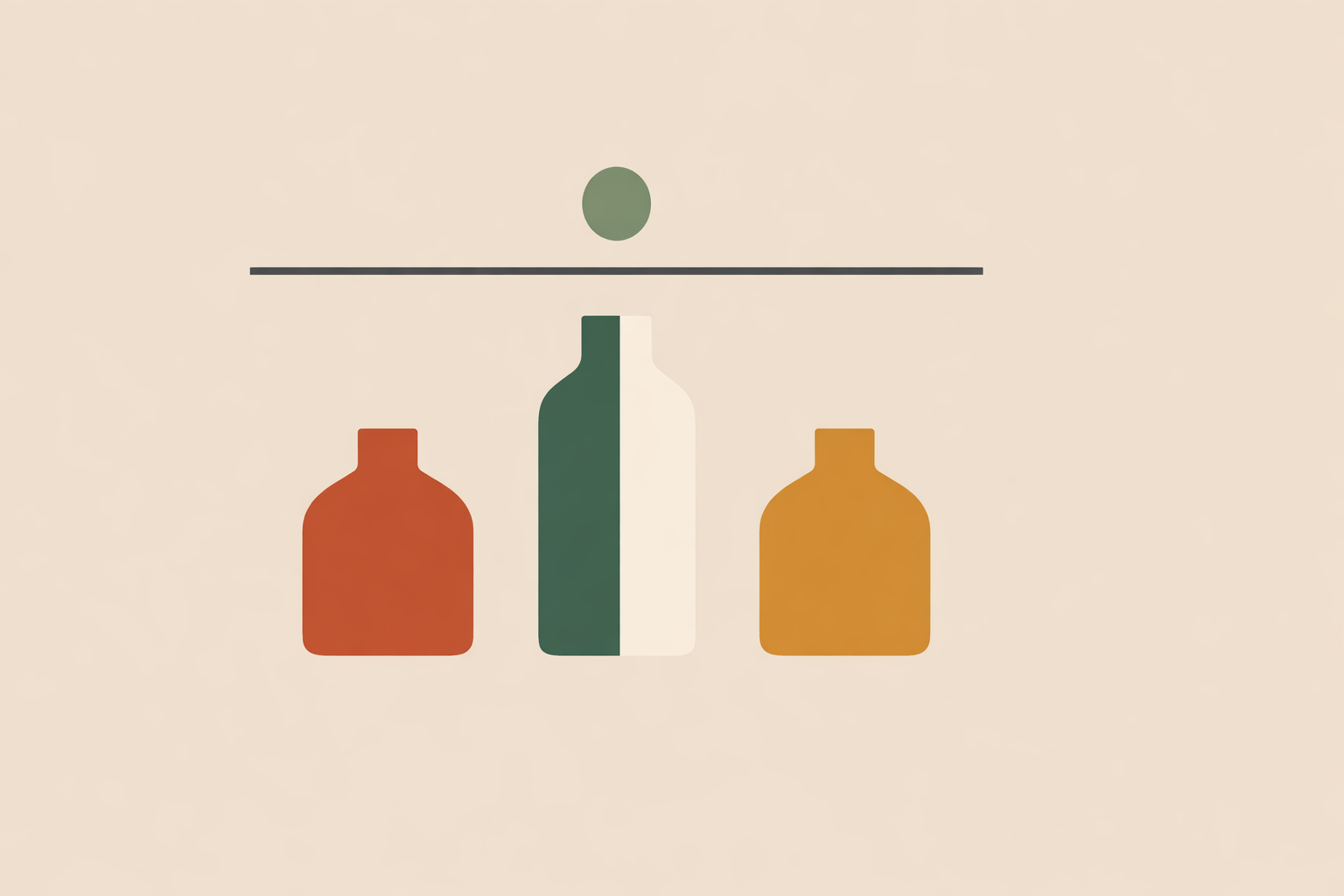
In plain language, full-spectrum products are designed to include multiple hemp compounds, including CBD, minor cannabinoids, terpenes, and trace THC within legal limits. Broad-spectrum products are designed to include multiple hemp compounds while removing THC. CBD isolate products are designed to contain only CBD.
These definitions are useful for orientation, but they aren’t a guarantee. In day-to-day practice, spectrum terms are best treated as product intentions that still need verification, especially because market language isn’t always consistent.
- Full-spectrum: a fuller plant profile, usually including trace THC.
- Broad-spectrum: a fuller plant profile with THC removed as intended.
- Isolate: one cannabinoid only, without the rest of the plant profile.
Why THC deserves direct, plain-language discussion
For many people, THC is the hinge point. Some want to avoid it because of work rules or personal sensitivity. Others accept trace amounts because whole-plant traditions matter to them.
It helps to be clear about the practical difference: full-spectrum products increase THC exposure compared with broad-spectrum or isolate because THC is part of the intended profile. Broad-spectrum aims to reduce that risk, but it does not always eliminate it. Federal guidance notes that positive tests can still happen with products that claim not to contain THC.
You can say: “If avoiding THC is a non-negotiable, I would not rely on the front label alone. I’d want to see a quantitative THC result on the COA.”
From “Which is better?” to “What fits this person?”
The most useful shift is away from “Which spectrum wins?” and toward “What fits this person’s goals, boundaries, and everyday life?”
It often helps to organize the discussion around three anchors:
- Goals: What are they hoping to support?
- Guardrails: What must be avoided or minimized?
- Feasibility: What will they realistically use and track?
Someone may want a more complete plant profile and feel drawn to full-spectrum because it echoes whole-plant traditions. Someone else may care most about minimizing THC exposure and reducing variables, which can make broad-spectrum or isolate easier to work with.
When drug-testing concerns are high, pure CBD is unlikely to produce a positive urine drug test, which is one reason isolate can be appealing for that group. It also keeps the composition more contained, which many people appreciate when they want a clear starting point.
A simple decision prompt might sound like this:
- “What are you hoping this supports?”
- “How important is it to minimize THC as much as possible?”
- “Do work, sport, or legal settings make THC exposure especially risky for you?”
- “Would you rather begin with a fuller plant profile or fewer variables?”
How to explain the entourage idea without hype
Many people have heard that more plant compounds work better together. In traditional whole-plant thinking, that idea makes intuitive sense, and it continues to shape how many practitioners and product makers talk about hemp.
A grounded way to frame it: some people value a broader plant profile because they experience it as more integrated. Others choose isolate because it’s simpler to navigate and easier to track.
One analogy can help keep this clear: full-spectrum is like cooking with a whole spice blend, broad-spectrum is most of the blend without THC, and isolate is one spice on its own. The best choice depends on the person, the product, and the setting.
A broader chemical profile can feel more aligned with whole-plant traditions, and it can also add variables. When someone is sensitive or cautious, steady pacing and observation become part of good practice.
Useful scripts for real conversations
Clear wording reduces confusion and keeps support grounded.
- “Will CBD make me feel high?” — “CBD itself is not generally associated with the classic THC high. What matters more is whether the product also contains THC and how accurately that is reflected on the lab report.”
- “What’s the difference between broad and full?” — “Full-spectrum is designed to keep more of the hemp profile, including trace THC. Broad-spectrum is designed to keep many hemp compounds while removing THC. Isolate is CBD on its own.”
- “Is broad-spectrum THC-free?” — “It is intended to be THC-free, but I would still want to confirm the actual THC result on the COA.”
- “Why would someone choose isolate?” — “Some people prefer fewer variables, especially if they are thinking about testing concerns or want a simpler composition.”
Short, steady language usually works better than long explanations.
Safety boundaries that matter across all spectra
Spectrum does not remove the need for thoughtful screening. Whether a product is full-spectrum, broad-spectrum, or isolate, it’s still worth checking for factors that could make the experience less suitable.
Two of the clearest discussion points are alertness and interactions. National guidance notes that decreased alertness can occur with CBD, and both CBD and THC can interact with other substances.
A practical script is: “Try it first when you do not need to be especially sharp, and be cautious if you are also using other substances that could change how alert you feel.”
For people using multiple products or who already know they’re sensitive, it also helps to go slowly and keep notes on timing, amount, and felt effects. If the person has complex questions about interactions or wider plant medicine support, it’s best to stay within scope and invite them to seek additional guidance.
As a general practice boundary, it’s also wise to avoid supporting CBD or THC use during pregnancy or breastfeeding.
How to read a COA beyond the front label
A Certificate of Analysis is what turns a spectrum claim into something you can actually verify. If you support people around CBD, COA literacy is one of the most practical skills to build.
A steady five-step check is usually enough:
- Match the product name and batch or lot number to the bottle.
- Confirm that the lab is identified.
- Read the cannabinoid profile in numbers, not just category labels.
- Look specifically for the THC result.
- Scan the contaminants section.
If someone needs to minimize THC as much as possible, the deciding factor isn’t whether the label says “THC-free.” It’s what the COA shows.
This is where broad-spectrum and isolate often become easier to navigate. Broad-spectrum may reduce THC exposure risk while still offering a multi-compound profile, but only a lab result can show what’s actually present. Isolate reduces ambiguity by simplifying the composition to CBD alone, which is why some people choose it when testing concerns are central.
Bringing cultural respect into spectrum conversations
Hemp has a long history in agriculture and material culture, including documented use in fabrics, twine, and paper from early cultivation contexts in the United States, as outlined by the CRS. More broadly, many people approach hemp through family traditions, community practices, or a wider whole-plant worldview.
That deserves respect, and it also benefits from nuance.
Traditional knowledge doesn’t need to be flattened into modern marketing language, and ancestral perspectives don’t need to be dismissed because they don’t match a narrow evidence style. A stronger approach is to let both kinds of insight sit together: tradition can shape preference and meaning, while modern product verification clarifies composition and boundaries.
That might sound like: “If whole-plant preparations matter to you, we can honor that preference. We will still verify the lab report so your choice is supported by what is actually in the bottle.”
- Avoid implying that full-spectrum is automatically better because it feels more natural.
- Avoid implying that broad-spectrum is risk-free because THC has been removed in theory.
- Avoid implying that isolate is lesser simply because it is simpler.
Respectful support leaves room for values, context, and careful verification at the same time.
Closing perspective on broad-spectrum vs full-spectrum CBD
The most reliable position is simple: spectrum labels start the conversation, but they shouldn’t end it. Full-spectrum products are designed to include multiple hemp compounds plus trace THC. Broad-spectrum products are designed to keep multiple hemp compounds while removing THC. Isolate is designed to contain only CBD.
From there, the real work is matching composition to context. If a person wants the fullest possible plant profile and is comfortable with trace THC, full-spectrum may feel appropriate. If they want a broader hemp profile while reducing THC exposure risk, broad-spectrum may be the better fit. If they want the simplest composition, especially around testing concerns, isolate often makes the clearest starting point.
As a final caution, reminders help people stay steady: labels can be imprecise, individual sensitivity varies, and THC exposure matters most when rules or testing are involved. Verify with a COA, start conservatively, and keep expectations realistic.
Master Medicinal CBD Certification
Build confidence reading COAs and guiding spectrum choices in the Medicinal CBD Certification.
Explore Medicinal CBD →