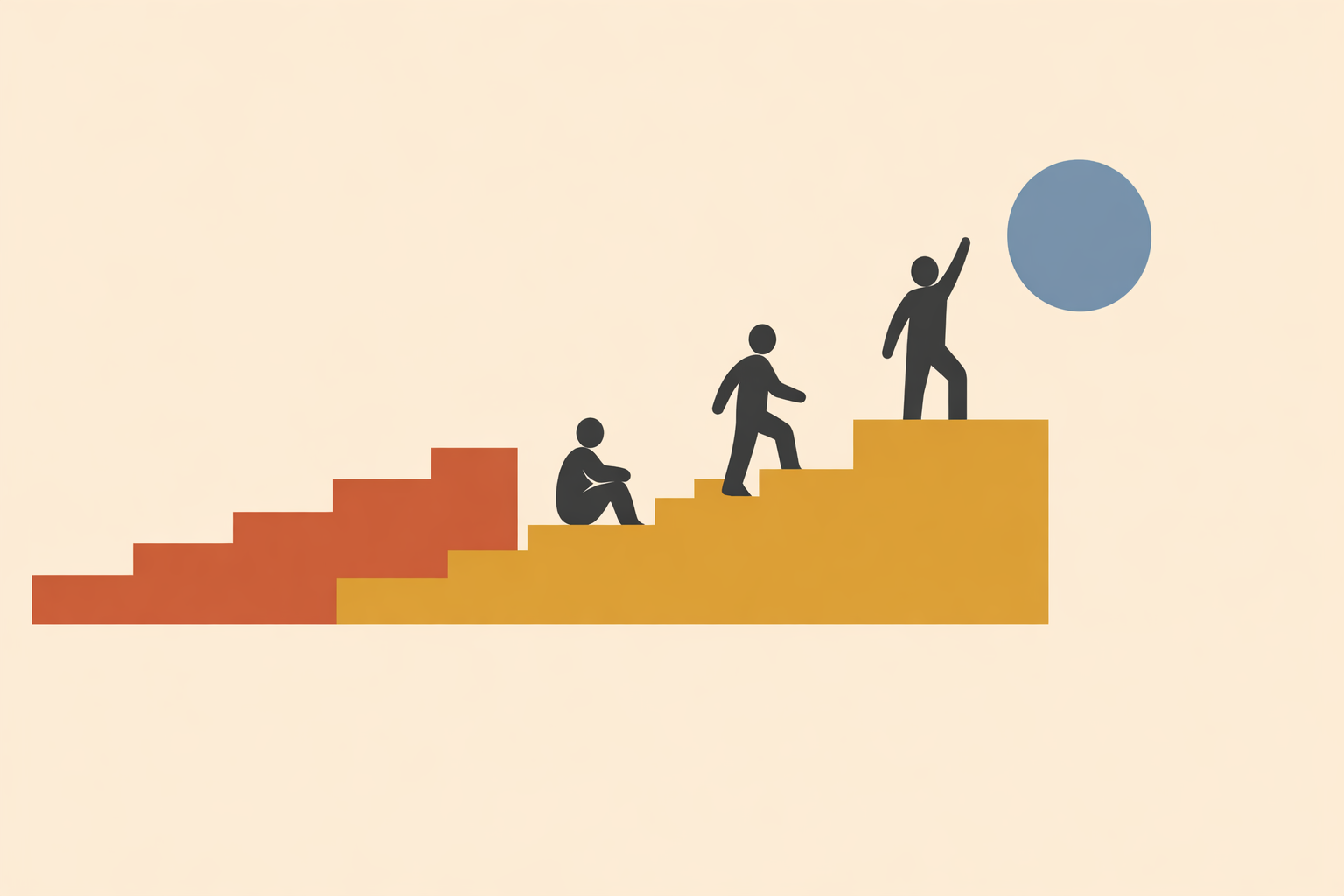
Clients rarely ask for “better Tuesdays.” They ask to live to 100, share a biological-age score, or find the latest longevity hack. Sessions can drift when the goal is only “longer,” because nobody can feel “longer” next week. A steadier path is to coach for healthspan: the years someone can keep participating in life with strength, confidence, meaning, and connection.
Key Takeaway: Effective longevity coaching prioritizes healthspan over simply adding birthdays. In practice, that means shifting the conversation from abstract age scores to lived ability: climbing stairs, carrying groceries, staying socially engaged, moving with confidence, and keeping up with the rhythms that matter most. Functional longevity gives coaches something concrete to support now through simple check-ins, culturally grounded habits, and plans that map directly to daily life.
Healthspan vs. Lifespan: Why More Years Isn’t the Whole Goal
Lifespan is the total number of years lived. Healthspan is the portion of those years spent with enough capacity to do what matters. That distinction changes everything in coaching.
When a client says, “I want to live longer,” they often mean: I want to keep traveling, gardening, cooking, laughing with friends, lifting my grandchild, and getting up from the floor without hesitation. That is the real conversation.
In the United States, many people spend about 13 later-life years in relatively poor health. Clients may not know the statistic, but they recognize the gap intuitively. They want years that still feel like theirs, with options that stay open.
Bring the goal closer to lived experience: “What would you like those later years to include?” It gently shifts the focus from fear about aging to practical support for daily capacity.
Healthspan in Human Terms: The Years You Can Truly Participate
Healthspan is the stretch of life in which a person can participate meaningfully in home life, community life, and the activities that give their days shape. It shows up in ordinary moments: how someone moves through their home, keeps commitments, and stays connected.
Traditional cultures have understood this through lived example. In many places, elders continue weaving, farming, mentoring, singing, cooking, storytelling, and stewarding land well into later life. The aim is continued belonging, usefulness, rhythm, and presence.
This perspective also helps clients move beyond a single label or score. Aging well includes what remains available: movement, clarity, confidence, connection, and purpose.
A coaching prompt that lands well is: “What do you want your 80s to look like on an ordinary Tuesday?” Clients often describe hosting family dinners, walking to the local market, attending community events, or kneeling in the garden. Those details give you something real to build around.
Chronological, Biological, and Functional Age
Clients often arrive with more than one “age” in mind. A coach’s role is to hold those numbers lightly and place them in context.
Chronological age is straightforward: the birthdays a person has had. It can help with life-stage context, but it does not tell you how someone moves, recovers, adapts, or participates.
Biological age aims to estimate how a person compares with broader norms, but different numbers can come from different tools, and there is no gold standard single measure. These scores can still be useful if they open a constructive conversation, rather than becoming a source of pressure.
The most coachable lens is functional age: what the person can actually do in their current environment, with their current habits, support system, and opportunities. It reflects movement capacity, surroundings, routine, social support, and access. It also gives you something you can start shaping right away.
When a client shares an age score, a grounded response can be: “Thank you for bringing that in. Let’s use it as one piece of context. What abilities matter most to you right now, and what would make them feel more dependable?”
Functional Longevity: Turning Aging Into Everyday Capacity
Functional longevity makes the conversation tangible. It asks whether someone can rise from a chair comfortably, carry shopping bags, climb stairs, walk at an easy pace, stay steady on uneven ground, and keep up with ordinary social life.
These are not small details. They are everyday expressions of independence and confidence.
A simple starting check can include:
- standing up and sitting down repeatedly from a chair
- carrying a manageable load for a short distance
- climbing one flight of stairs at a comfortable pace
- walking while noticing ease of breath and conversation
In practice, walking speed, repeated chair rises, and grip strength can offer practical signals of physical reserve, helping you know when to adjust a plan or suggest added support.
From there, the strongest foundation is usually consistent, doable movement: enjoyable cardio, resistance training, balance practice, mobility work, and less sitting. Research supports combined exercise as a helpful pattern for physical function and quality of life.
Similarly, strength and balance work supports abilities tied closely to independent living, including stairs, transfers, carrying, and steadiness.
The coaching principle stays practical: train for life as it is actually lived. If a client wants to keep visiting a hilltop café, build comfort on hills. If they want to carry groceries upstairs, build carrying and stair capacity. If they want to play on the floor with grandchildren, include getting down and back up with confidence.
Blue Zones and Ancestral Wisdom, Used With Care
Blue Zones became popular because they painted an appealing picture of later life: long, engaged lives shaped by daily movement, strong social ties, plant-forward meals, purpose, and steadier rhythm. Broadly speaking, Blue Zones are described as places with unusually high concentrations of long-lived people and a shared pattern of supportive lifestyle factors.
Some researchers have raised credible scrutiny about age records and hotspot-identification methods. It’s worth knowing that critique while keeping the bigger lesson in view.
The deeper value of the Blue Zones conversation holds up well in practice. Regular low-intensity movement, social belonging, minimally processed foods, purpose, and simple stress rituals are plausible supports for aging well, and they echo what many traditional communities have valued for generations—long before modern branding.
The wise approach is to extract principles rather than imitate cultures superficially. Encourage daily walking, shared meals, time outdoors, intergenerational connection, and familiar whole foods in ways that respect a client’s own heritage, neighborhood, schedule, and means.
Plant-forward eating is one clear throughline. Meals built around vegetables, fruits, beans, lentils, whole grains, nuts, seeds, and herbs can be adapted across food traditions without losing cultural integrity. The goal is steadier, supportive patterns that feel natural at home.
How to Talk About Healthspan With Clients
Most clients do not need a lecture on aging theory. They need language that connects big hopes to small weekly actions.
Start with curiosity:
- “What would you love to still be doing at 85?”
- “Which everyday abilities feel most important to protect?”
- “Where do you already feel strong, and where do you feel less confident?”
Then translate the answer into behavior. If the goal is feeling steady on stairs, the plan might be two brief strength sessions each week plus regular step-up practice. If the goal is carrying groceries without stopping, add loaded carries and leg strength work. If the goal is staying socially active, build in walking dates, shared meals, or a regular movement class with friends.
Accountability works best when it feels supportive. Celebrate effort, notice patterns, and keep check-ins consistent. That steady return to capacity-building habits is what creates momentum.
A useful reframe is this: the work is to extend livable years, not just count years.
Building Plans Around What Matters Most
Once the conversation is grounded in function, planning becomes clearer. Choose one ability-based goal, connect it to two or three repeatable actions, and track progress in ways the client can feel.
For example:
- Goal: carry groceries to the second floor without pausing
- Actions: two short weekly strength sessions, one weekly carry practice, and daily stairs when appropriate
- Trackers: effort level, number of pauses, rail use, and confidence
This structure keeps coaching practical and makes progress visible early. Clients notice when stairs feel easier, when posture improves under load, or when an outing that used to feel tiring starts to feel ordinary again.
That’s why functional age matters so much. It gives coach and client a way to notice meaningful change quickly, without turning a test score into a dramatic story.
Ethics and Scope: Support Without Overpromising
Healthspan coaching works best when it stays honest. Avoid guarantees, fear-based language, and turning a single score into a prediction about someone’s future.
Lived quality in later life comes from many forces at once: daily habits, relationships, environment, biology, chance, and access. No single metric captures the whole picture.
If a client brings concerns beyond your scope, encourage appropriate added support while you continue to coach what is squarely within reach: movement routines, nourishment patterns, sleep habits, stress support, social connection, and supportive environments. Respect cultural roots, protect dignity, and keep the client’s autonomy at the center.
Coach the Years, Not Just the Number
The strongest longevity coaching stays focused on preserving the abilities, rhythms, relationships, and sense of purpose that make later life worth inhabiting.
When you center healthspan, the work becomes more human and more useful. You stop chasing abstraction and start supporting stairs climbed with ease, meals shared with others, confidence in movement, and ordinary days that still feel open and alive.
That is the real promise of functional longevity: more life inside the time a person already has.
Master Blue Zones Coaching
Apply healthspan-first habits in practice with the Blue Zones–Inspired Anti-Aging Coach Certification.
Explore Blue Zones–Inspired →