Group aquatic sessions often reveal a familiar gap: the water is inviting, but social exchange stalls. Children circle the same toys, follow the instructor, and stay alongside one another rather than with one another. Families notice the same question beneath the small wins: will what happens in the pool carry into daily life?
It can, when water is used as a structured practice space. The water changes how movement feels, how rhythm is shared, and how group tasks can be organized. Those conditions make it easier to practice greeting, waiting, passing, noticing, and celebrating together, then connect those moments to life beyond the pool.
Key Takeaway: Aquatic sessions can be a strong context for social skill-building when they are purpose-built around peer interaction, sensory readiness, and simple carryover into everyday routines.
Why Water Can Support Children’s Social Connection
Water often softens the demands that make group participation feel hard on land. Some children who hesitate in other settings become more willing to approach, linger nearby, or join a shared game once they are in the pool.
Part of that is physical. Buoyancy reduces load, which can make moving toward a partner, lifting an object, or floating while waiting feel easier. Water also naturally lends itself to shared rhythm: pass, catch, float, wait, repeat. For many groups, that steady beat lowers the barrier to joining in.
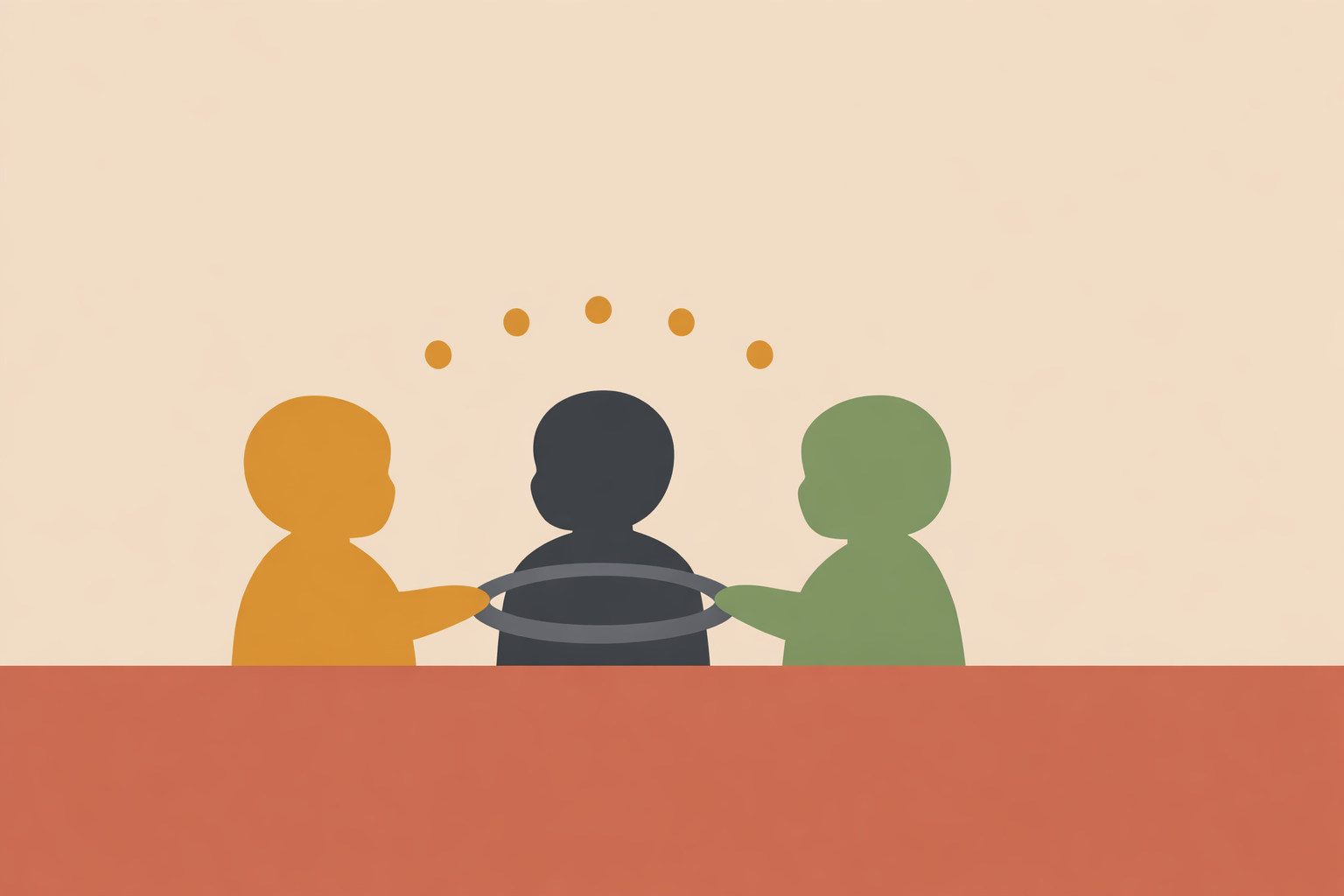
Traditional water cultures have long understood something modern practitioners still observe closely: water gathers people into shared attention. In children’s groups, that can be as simple as two peers passing a floating ring to a counted beat, learning to time themselves to each other.
What matters, though, is not water alone. Connection grows faster when the session gives children a clear reason to do something together.
What the Evidence Suggests About Aquatic Sessions and Social Skills
The practical view is the most useful one: aquatic work is promising for social participation, but it is not automatic. Reviews of aquatic programs suggest peer interaction improves more reliably when sessions are designed around participation rather than individual performance.
Across the literature, there is a general positive trend in social participation. At the same time, pooled findings remain mixed, with one synthesis reporting a modest and uncertain pooled effect. That matches what many facilitators see: meaningful shifts often show up first inside the session, before they show up clearly in broader measures.
Water can open the door, but session design determines what children practice once they walk through it.
Strong groups avoid vague goals like “more confidence.” They target visible actions such as:
- waiting while a peer takes a turn
- passing an object on cue
- copying a partner’s action
- asking for help
- celebrating shared success
Why Social Interaction Feels Different in Water
Water changes the social experience because it changes the movement experience first. When moving feels more manageable, many children have more capacity left for noticing others and staying with a shared task.
Hydrostatic pressure provides a steady, even body sensation that many children experience as containing or organizing. For some, that steadiness supports attention and makes it easier to stay present with a partner.
The pool also offers continuous sensory input. In many cases, sensory input helps children remain engaged long enough to follow a rhythm, track a peer, or complete a short cooperative game.
Water often slows the pace, too. Movements are less abrupt, transitions are more gradual, and shared actions can be easier to time. A child who struggles to join a fast playground game may readily participate in a chest-deep “noodle bridge” activity because the environment gives extra time to notice, prepare, and respond.
Comfort and smoother movement help, but social growth still depends on whether the session actually practices social participation.
Sensory Readiness Matters
For many children, the pool is regulating. For others, it is intense.
Echoing sound, bright reflections, cold entry, splashing, and unpredictable movement can all shape readiness to join others. Some children settle once immersed; others become more activated and less available for group goals.
This is where practitioner judgment matters. Watch for readiness and adjust the setting so the child can succeed with the group.
- Choose quieter hours when possible.
- Keep entry predictable and unhurried.
- Offer simple choices about distance, pace, and role.
- Use repeated routines so children know what comes next.
- Reduce surprise before asking for peer interaction.
A brief preview at the pool edge—naming what the child may hear, feel, and do—can make the environment feel more understandable. Offering options like watching, counting, holding an object, or joining directly often lays a stronger foundation than pushing for instant involvement.
How to Design Aquatic Sessions That Actually Practice Social Skills
If social connection is the goal, the session needs social structure.
That means moving beyond laps, isolated drills, or constant adult-to-child prompting. Reviews suggest that social effects depend in part on whether participation and interaction are explicitly targeted; otherwise, children may share the same pool without truly engaging one another.
A simple method is to pair each movement task with one interpersonal goal.
- Float and wait: movement goal = balance; social goal = waiting for a partner’s turn
- Pass the ring: movement goal = reach and release; social goal = turn-taking
- Mirror splashes: movement goal = coordinated action; social goal = imitation and attention
- Help-a-friend bucket game: movement goal = carry and place; social goal = shared success
Keep prompts brief and usable: “your turn,” “wait,” “send,” “help,” “together.” Long explanations often interrupt the rhythm that makes aquatic practice so effective for groups.
Cooperative Games Work Better Than Parallel Activity
Many children can tolerate being near peers in water. The bigger question is whether the activity asks them to rely on one another.
Cooperative games work best when success depends on coordination, even in very simple ways:
- two children hold a noodle steady while a third moves through
- one child gives the cue while another passes the object
- the group creates a counted wave pattern together
- partners take turns sending and receiving the same floating toy
Clear roles broaden participation, especially for children who are not ready for full social demand. A child can begin as timekeeper, signal-giver, or collector and still contribute to a shared outcome.
Over time, simple observations often show the arc of growth: more unprompted waiting, more peer-directed passing, smoother role changes, and less adult scaffolding needed for the same game.
Reading Readiness Without Forcing Participation
Not every child is ready for the same level of group demand, and a respectful pace is part of good practice.
Useful readiness signs include:
- tolerating entry without distress
- recovering after minor splashes or changes
- allowing a peer to come near
- following one simple safety routine
- showing curiosity about shared toys or actions
When those signs are not yet present, the immediate goal becomes comfort, predictability, and trust before active peer exchange.
A graduated participation approach often works well, especially in aquatic therapy where pacing and predictability matter:
- watch from the side
- touch the water with a toy
- stand on the steps
- enter with a trusted adult
- join one brief pair activity
- rest and repeat
This pacing respects the child’s nervous system while keeping the door open to connection. Choice-based language helps: “Would you like to count or pass?” often works better than “Come on, join in.”
Helping Pool-Based Skills Carry Into Daily Life
Carryover is more likely when the bridge is small and specific.
Rather than hoping a child will become “more social everywhere,” link one pool behavior to one everyday behavior. Reviews suggest functional change is more likely when generalization is explicitly targeted rather than assumed.
- Pool: waiting for a turn with quiet hands
Daily life: waiting in line at school - Pool: passing a ring on a clap cue
Daily life: passing a ball during play - Pool: asking for help with a float
Daily life: asking for help with a classroom item
The bridge gets stronger when adults use the same cue in both places. A shared phrase, clap pattern, gesture, or visual support makes the behavior easier to recognize and repeat.
Family involvement can help as well. Reviews suggest that family involvement may support carryover, especially when adults understand what the child is practicing and how to notice small wins. Inviting families or educators to observe part of a session can make those goals feel concrete and doable.
What a Simple Carryover Plan Can Look Like
The most workable plans are modest, clear, and easy to repeat.
- Choose one target behavior.
- Choose one cue.
- Choose one daily setting.
- Practice briefly and regularly.
- Track only what is visible.
For example, if the pool target is “waits while a peer takes a turn,” use the same cue during a short game at home or a structured moment at school. The goal is recognition: the child starts to notice, “This is the same thing I do in the pool.”
Transfer often grows through repeated small experiences that feel familiar across settings.
Conclusion: Thoughtful Aquatic Practice Can Nurture Social Growth
Aquatic sessions can support children’s social development when practitioners use the water’s qualities with intention. The medium helps by easing movement demands, offering steady sensory input, and creating natural rhythm. Social gains come from what is practiced there: greeting, waiting, passing, coordinating, helping, and sharing success.
Traditional water-based ways of learning remind practitioners that connection grows through rhythm, repetition, and respectful guidance. Modern practice can honor that wisdom while staying grounded in nature and outdoor therapy: observe readiness, build cooperative structure, and create realistic bridges into everyday life.
As with any group setting, outcomes vary by child, environment, and facilitation. Keep safety routines consistent, progress demands gradually, and partner closely with families and educators when carryover is a priority. Held this way, aquatic work becomes a meaningful setting where many children find being with others more manageable and, at times, genuinely joyful.
Explore Blue Therapy Certification
Deepen your aquatic facilitation skills with the Blue Therapy Certification for structured, carryover-focused social practice.
Explore Blue Therapy →