Clients often hear about blood flow restriction training (BFRT) and want to try “the cuff thing” for fast gains or more joint-friendly strength. The issue usually isn’t the tool; it’s using it without a clear purpose, a repeatable process, and a reliable way to track how the client responds.
BFRT belongs in coaching when it clearly serves the client’s goals and you can apply it with precision, consent, and restraint. The best results come from a steady sequence: start with the client’s story, decide whether BFRT truly adds value, screen carefully, secure ongoing agreement, use equipment you can control, begin conservatively, then document and progress gradually.
Key Takeaway: Use BFRT as a low-load, higher-stimulus option only when it clearly serves the client’s goals and you can control it end to end. Begin with the client’s story and baseline plan; decide whether BFRT adds value versus conventional options; screen for red flags and pause when needed; secure ongoing consent and set stop signals; choose regulated equipment and individualize pressure using LOP; run a conservative first session with clear monitoring; then document, follow up, and progress one variable at a time.
Step 1: Start With the Client’s Story, Not the Cuff
The first conversation is about the person in front of you, not pressure settings. What are they trying to shift right now—steadier joints, more muscle stimulus during a deload, confidence after time away, or simply a method that keeps them consistent?
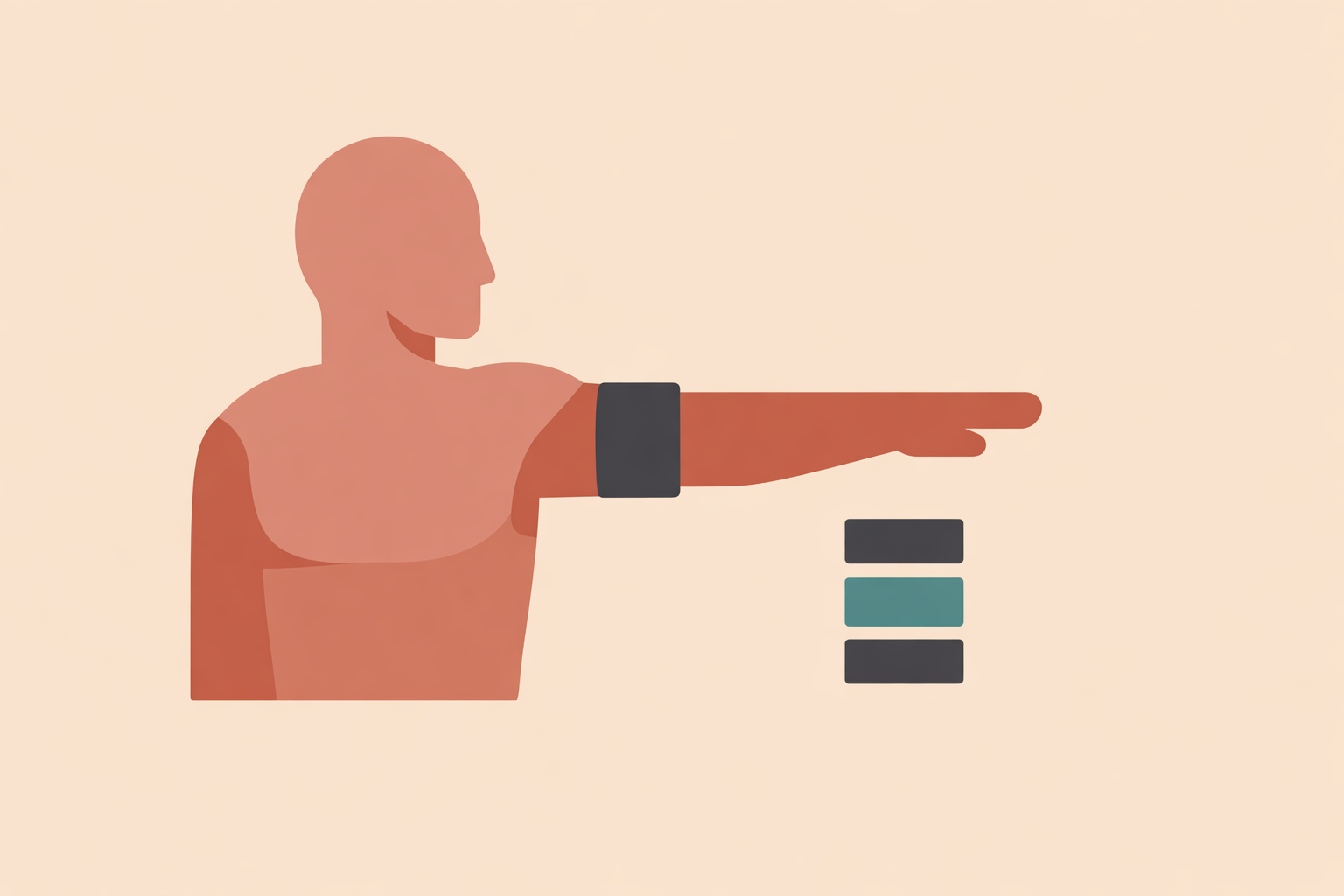
BFRT pairs light exercise with a cuff around the limb to partially limit blood flow. That combination can create a strong local training signal with lighter loads because the cuffed area experiences metabolic stress and higher perceived effort.
Traditional practice in strength work has always valued skillful constraint: using less load, fewer irritants, and better timing to keep progress moving. BFRT can fit that philosophy well, but only when it’s supporting a real need rather than becoming the plan itself.
These questions tend to surface what matters most:
- What are your top goals for this season of training?
- What types of movement usually feel supportive, and what tends to aggravate things?
- How are sleep, stress, and nourishment affecting your energy right now?
- How much practice time can you realistically sustain each week?
Example: Maya is returning to strength work after a demanding period and poor sleep. She wants stronger legs but doesn’t want the joint irritation she associates with heavier loading. Her base plan starts with walking, split squats, and better recovery habits. Once that foundation is steady, BFRT becomes a genuine option to consider rather than a novelty to chase.
Step 2: Decide Whether BFRT Actually Adds Value
BFRT earns a place when it solves a programming problem. Most often, that problem is: “How do we get a meaningful strength or hypertrophy signal without heavy loading?”
Research trends support that narrow, useful role. Evidence points more clearly to muscle size and strength-related outcomes than to broad athletic carryover, and one review found no significant improvement in sport performance.
That’s a helpful boundary for client expectations. BFRT can support low-load strength and muscle-building blocks, while skill, power practice, and recovery usually lead the way for performance goals.
Often, the best choice is to stay simpler. Conventional low-load resistance, tempo work, isometrics, supported cycling or walking, plus better recovery habits may already meet the brief without adding complexity.
A practical decision point:
- If the goal is joint-friendly hypertrophy during a deload, BFRT may be worth considering.
- If the goal is sprint speed or explosive performance, prioritize skill practice, power work, and recovery.
- If sleep is fragmented and meals are irregular, rebuild the basics first.
For Maya, that means a block of slow split squats and sled drags before anything else. If her joints tolerate that and she still wants more quad stimulus without increasing load, BFRT becomes a reasonable next step.
Step 3: Screen for Red Flags and Know When to Pause
Once BFRT is on the table, screening becomes the most important part of your craft. Good judgment here protects the client and keeps your practice clean.
BFRT can drive elevated pressures and other cardiovascular responses. Ask in plain language about clot history, circulation concerns, uncontrolled blood pressure, diabetes-related numbness or wounds, kidney issues, unusual swelling, pregnancy, active wounds, bruising tendency, and anything else that adds uncertainty.
Useful prompts include:
- Any history of blood clots or unusual swelling?
- Any circulation issues in your arms or legs?
- Any concerns around blood pressure?
- Any numbness, slow-healing wounds, or unusual bruising?
- Anything else happening in your health picture that makes training decisions less straightforward?
If a client reports relevant history, active symptoms, medication concerns, or anything outside your scope, pause BFRT. Keep training simple and supportive, and encourage them to seek input from an appropriately qualified professional where needed. Your job is to coach responsibly, not to “clear” complexity.
Example: recurring calf swelling after long flights plus a family history of clots is a clear sign to wait. There are plenty of other ways to build strength while uncertainty is being addressed.
Step 4: Get Ongoing Consent and Set Clear Expectations
Consent works best as a continuing conversation, not a one-time checkbox.
Use calm, practical language: what BFRT is, why it’s being considered, what it tends to feel like, what’s unacceptable, and exactly how the client can stop the session at any time. They should know that “no,” “not today,” and “pause” are always respected.
Cover these points clearly:
- Why BFRT is being considered in this plan
- What sensations are common, including firm pressure and an earlier local burn
- What is not acceptable, such as sharp pain, numbness, or dizziness
- How the client can stop the session at any time
- How you will respond if symptoms appear
A one-page consent note can work well when it reflects a real conversation. If you change cuff type, pressure approach, or the session structure later, revisit consent as part of normal good practice.
Step 5: Use Equipment You Can Control
If you can’t measure and adjust the setup reliably, BFRT doesn’t belong in that session.
Cuff width, cuff material, limb size, and body position all change the pressure needed to restrict blood flow. That’s why individualized dosing is preferred over a single pressure value for everyone, and why improvised setups deserve extra caution.
In practice, regulated pneumatic cuff systems are typically preferred because they allow more controlled pressure than elastic wraps. Place cuffs high on the limb (away from joints) and ensure the fit is even and secure.
The most defensible method is to measure limb occlusion pressure (LOP) and prescribe a percentage of that value rather than relying on a universal number. Expert guidance commonly uses 40–80% of occlusion pressure, with lower loads commonly around 20–40% of one-repetition maximum.
Before you begin, check:
- device function and cuff condition
- correct cuff width and fit
- high limb placement
- individualized pressure setting
- skin condition and comfort
- clear stop signals and next steps
When BFRT is applied within clear guidelines, reviews suggest it may be safe. The deciding factor is control, not intensity.
Step 6: Run a Conservative First Session
A first BFRT session should be easy to understand and easy to monitor. Choose familiar movements, light loads, and a setup that lets you observe closely.
Common BFRT practice uses light loads, individualized pressure, and repeated sets over several weeks. A frequently used rep structure is 30-15-15-15, and it’s widely used in the field even though it reflects practice tradition more than one definitive source. For an initial exposure, keep it conservative: fewer total reps, more rest, or a lower occlusion percentage often makes the session cleaner and more informative.
Coach sensations before the first set:
- firm pressure is expected
- a quicker local burn is expected
- sharp pain is not
- numbness or tingling is not
- dizziness is not
Reported adverse effects range from ordinary discomfort and soreness to rarer events such as dizziness, numbness, bruising, and rhabdomyolysis. Reviews have documented adverse events, which is why stop signals should be agreed in advance.
In everyday coaching, the most common issue is straightforward discomfort. A quick rating after each set keeps decisions grounded. Ask about pressure, burn, and overall tolerance, and end early if anything feels unclear.
For Maya, a first session might use a seated knee-extension pattern with a light load, a conservative pressure setting, shorter sets, and pressure released between rounds. The goal is to learn her response and build trust in the process.
Step 7: Document, Follow Up, and Progress Gradually
Good notes turn BFRT from a vague experiment into disciplined practice.
Record the date, exercise, limb, cuff type and width, body position, occlusion measure, working pressure, load, sets, reps, rest, perceived effort, sensations, modifications, and immediate recovery. That record makes future sessions safer and more effective.
Follow up after the session and ask about lingering numbness, worsening pain, unusual bruising, swelling, marked weakness, reduced urine output, or dark urine. Monitoring and recording adverse outcomes is strongly supported in the literature, even if the exact checklist varies by coach and context.
Progress one variable at a time. Add a few reps before raising load, or increase load before increasing pressure. Many clients do well when pressure stays steady and progression comes from reps or load first.
Risk awareness matters here. One large review reported 1,672 events among 25,813 participants, including entries such as numbness, dizziness, bruising, and rhabdomyolysis. That reinforces the value of steady monitoring, clear documentation, and pausing quickly when something doesn’t fit.
Conclusion: When BFRT Strengthens a Plan—and When It Does Not
BFRT earns its place when it supports low-load strength or muscle-building work with clear goals, ongoing consent, and equipment you can control. It is not a shortcut, a universal upgrade, or a replacement for solid programming.
A useful self-check before any session:
- If I cannot screen risks clearly, I do not use BFRT today.
- If I cannot individualize and control pressure, I do not use BFRT today.
- If I cannot monitor response and follow up, I do not use BFRT today.
- If I feel tempted to overclaim outcomes, I do not use BFRT today.
Keep the wider training picture in view. Breath, sunlight, sleep, nourishment, movement quality, and steady progression remain the foundation of longevity and biohacking. BFRT is one specialized tool in that larger landscape. Used with care, it can support strength and confidence; used casually, it tends to add confusion and risk.
Biohacking Skills, Applied
Build sharper protocols and tracking habits in the Biohacking Certification Course to support safer, more precise interventions.
Explore Biohacking Certification →