Practitioners who use somatic and energetic tools often recognize the moment: a client’s gaze goes flat, breath thins, and the room gets quiet. It’s tempting to reach for a technique—breath cues, a prompt, a bigger insight. Yet when a system is protecting itself, added demand can tighten the freeze response and narrow rapport.
Energy field awareness helps most when it’s offered as a client-led language for sensation, space, and symbol. Used with care, it lowers pressure, widens choice, and supports small shifts the person can actually stay with.
Key Takeaway: Energy field awareness is most helpful when it functions as client-led language for sensation, space, and symbol that reduces pressure and restores choice. In practice, that means meeting freeze as an adaptive pattern first, orienting to the room before deeper inner focus, using imagery and boundaries to support agency, and tracking subtle changes without pushing for catharsis.
Meeting Freeze as an Adaptive Pattern
Freeze isn’t just a mental story. It often shows up through changes in breath, posture, and gaze, along with reduced movement. Many facilitators also notice the voice getting thinner, quieter, or harder to access.
Stillness is not failure. Freeze is widely understood as an adaptive protective response, and naming it that way can shift the tone of a session quickly. When the pattern is met with respect, people often soften enough to re-engage with curiosity.
The first move is practical: lower pressure. Slow your pace, reduce demands, and avoid pushing for insight. Give the person room to notice what’s happening without feeling cornered.
Track what’s here now: fixed or roving gaze, shoulders lifting or dropping, held breath, delayed response time, temperature shifts, and small movements in hands or feet. A full story can wait.
- Useful first-minute anchors:
- Normalize the response.
- Slow your voice and pacing.
- Reduce performance pressure.
- Offer an easy option to pause or change course.
Using Energy Language as a Practical Map
Energy field awareness works best as language, not something you have to “prove.” Words like field, charge, boundary, expansion, and contraction can give clients a clear way to describe experience and make real-time choices.
A clean way to keep it grounded is to work across three layers:
- Observed: what can be seen from the outside.
- Experienced: what the person feels directly.
- Symbolic: the image or meaning that helps organize the experience.
You might observe shoulders dropping. The client might feel warmth in the chest. If it fits, they may describe that warmth as a glow or a wider sense of space. All three layers are useful, with the client’s words staying primary.
Traditional energy maps have long explored breath, attention, vitality, and boundaries. With clear attribution and cultural respect, frameworks such as chakras, meridians, or aura can remain deeply useful as experience-maps rather than debates.
That stance keeps the work practical: energy awareness becomes a bridge between sensation and meaning.
Orienting to Space Before Going Inward
Before inviting deeper inner focus, start with the room. Orienting outward first often helps the system settle enough to tolerate subtle sensation.
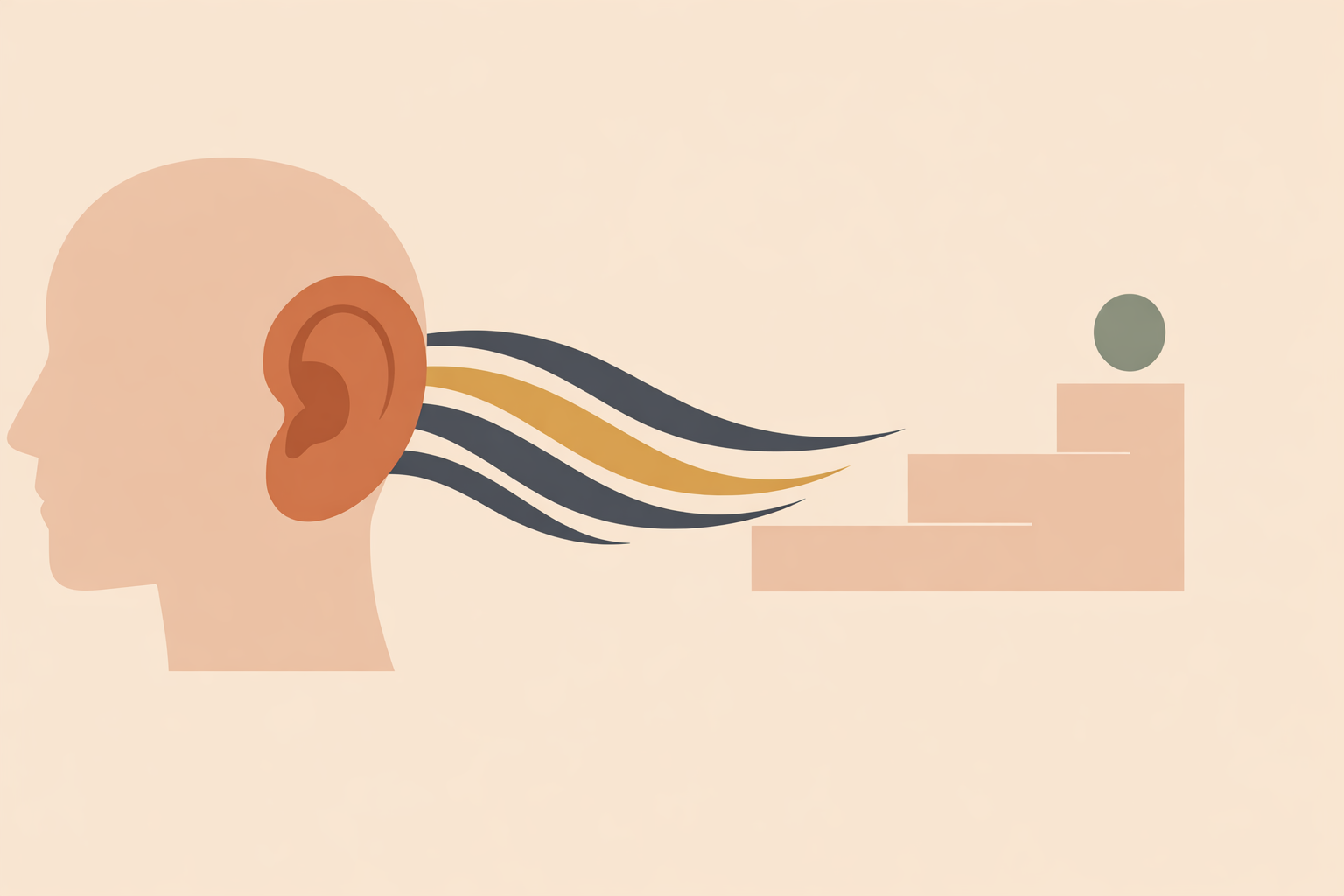
In freeze states, people may show restricted visual exploration and narrowed movement. So widen experience gently: corners of the room, light, the door, the floor under the feet, the chair against the back, the distance to the nearest wall.
Many practitioners also include awareness of the space just around the body: the air near the skin, the area above the shoulders, or the space behind the back. This comes strongly from practice-based wisdom, and it’s often a surprisingly easy on-ramp because it doesn’t demand emotional intensity.
A simple sequence: notice three objects, feel the chair, sense the floor, then become aware of the space a few inches around the body. Then ask what changed, if anything.
Freeze is often softening when the person stays connected to the room, can notice cues without flooding, has access to some movement or choice, and finishes more oriented than they began.
- Simple prompts:
- “Let your eyes land somewhere easy.”
- “Notice the support under you.”
- “Sense the space behind your back.”
- “Nothing needs to happen quickly.”
Restoring Choice and Boundaries
Freeze often carries a felt sense of helplessness, which is exactly why choice matters early on.
Offer options before technique: eyes open or softened, seated or standing, silence or sound, stillness or a small movement. These basics change the quality of contact because the person is actively participating, not being carried along.
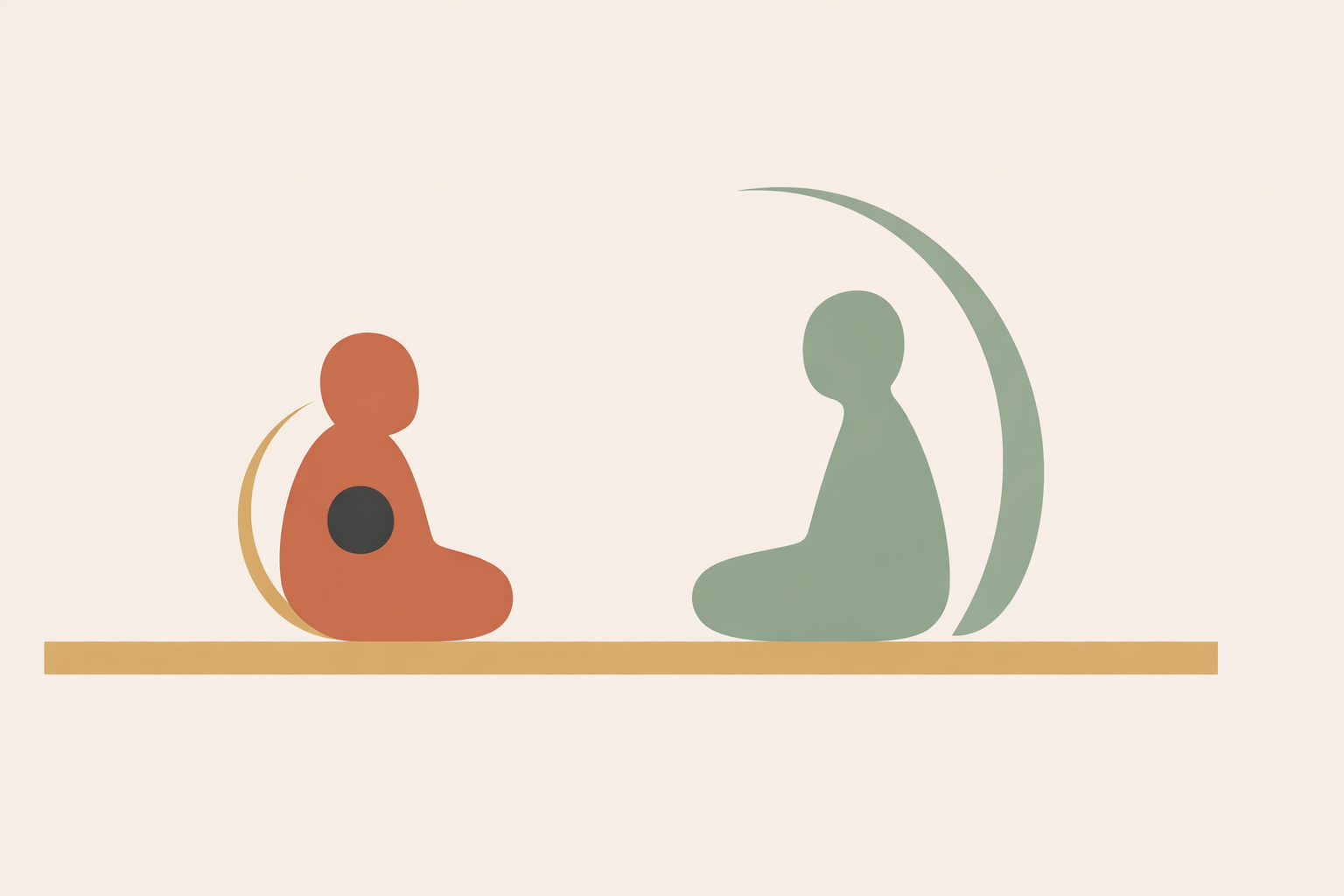
From there, boundary support can be simple and powerful. Some people respond to symbolic imagery: a mist, a cloak, a bubble, a perimeter of light, or more breathable space around the body. Others prefer concrete adjustments like changing distance in the room or placing visible markers on the floor so space becomes negotiable.
What matters is agency. The person isn’t asked to override their response; they’re invited to shape the conditions around it.
It also helps to remember that perceived threat can be enough to trigger freezing. A fast intervention, a pressure-filled question, or standing too close can be experienced as too much. Permission is a direct antidote: permission to slow down, look away, move, decline, or stop.
- Helpful boundary questions:
- “Would more space feel better, or less?”
- “Does your boundary feel close, far, or unclear?”
- “Would you like something behind your back that feels more solid?”
- “Should we stay with this, change it, or pause?”
Tracking Small Shifts Without Forcing
With freeze, the useful changes are often subtle: a longer exhale, a hand uncurling, eyes refocusing, a sound emerging, or more contact with the chair.
That’s where “small doses,” pendulation, and titration become genuinely practical. A review notes titration and pendulation are commonly described as gradual regulation processes in somatic work. In day-to-day practice, they’re valuable because they support contact with sensation without tipping into overwhelm.
Small doses mean brief contact with inner sensation, followed by reorientation. Pendulation means moving gently between something neutral and something more charged. Titration means working with one-degree changes rather than pushing for a big release.
Energy language can make these shifts easier to track. “There is a little more space” or “the charge dropped a notch” often lands more cleanly than analysis, and it respects the client’s pacing.
Micro-movements help too: turning the head a few degrees, opening and closing the hand, pressing the feet into the floor, or uncrossing the legs. Small actions often reinforce the return of choice.
- Micro-signals worth noticing:
- Breath lengthens slightly.
- Jaw softens.
- Hands warm or open.
- Eyes orient more easily to the room.
- Voice becomes easier to access.
Adding Sound and Gentle Nonverbal Support
Once some orientation and choice are present, add nonverbal tools carefully: breath awareness, a soft hum, a sigh, a small posture shift, or gentle grounding through the feet.
Humming has some early physiological support. One study reported changes in heart-rate variability associated with humming, suggesting a settling effect for some people. Practically, that makes it a low-stakes option to try, then reassess.
Keep the invitation light. One hum may be enough. One longer sigh may be enough. If the person brightens, settles, or reconnects to the room, that’s meaningful progress.
A Gentle Session Flow
A steady session has structure without turning structure into pressure. The shape supports safety, and the client’s choice stays central.
- Begin with consent and clear pause signals.
- Name a simple present-day aim.
- Orient to the room before going inward.
- Notice the current state without over-interpreting it.
- Find one resource: warmth, support, color, contact, breath, or space.
- Add one nonverbal thread: sound, micro-movement, boundary image, or exhale awareness.
- Track changes briefly, then return to orientation.
- Close by naming what helped and what should carry forward into daily life.
From there, translate session wins into micro-habits: pausing for one breath before replying, looking toward a window during a hard moment, placing both feet on the floor during a call, or naming one preference each day. Small actions keep momentum without making the work feel heavy.
Practitioner state matters too. Your pace, facial expression, and ability to stay unhurried shape the field of the session. When your presence is steady, the process often steadies as well.
Conclusion
Energy field awareness can genuinely help a freeze response soften when it’s used symbolically, respectfully, and in a client-led way. Its strength is practical support: helping someone notice sensation, orient to space, reclaim boundaries, and rediscover small choices.
That’s often enough to begin: one clear cue from the room, one inch more space, one breath that lands, one movement that wasn’t available a moment before.
As with any approach, results vary, and it’s wise to stay within the client’s consent and comfort. Used with that care, energy awareness offers a humane, flexible map for working with stillness while honoring both traditional wisdom and lived experience.
Train in Deep Neural Repatterning
Deepen your client-led regulation skills with Deep Neural Repatterning Certification, building capacity for subtle, titrated nervous-system shifts.
Explore Deep Neural Repatterning →