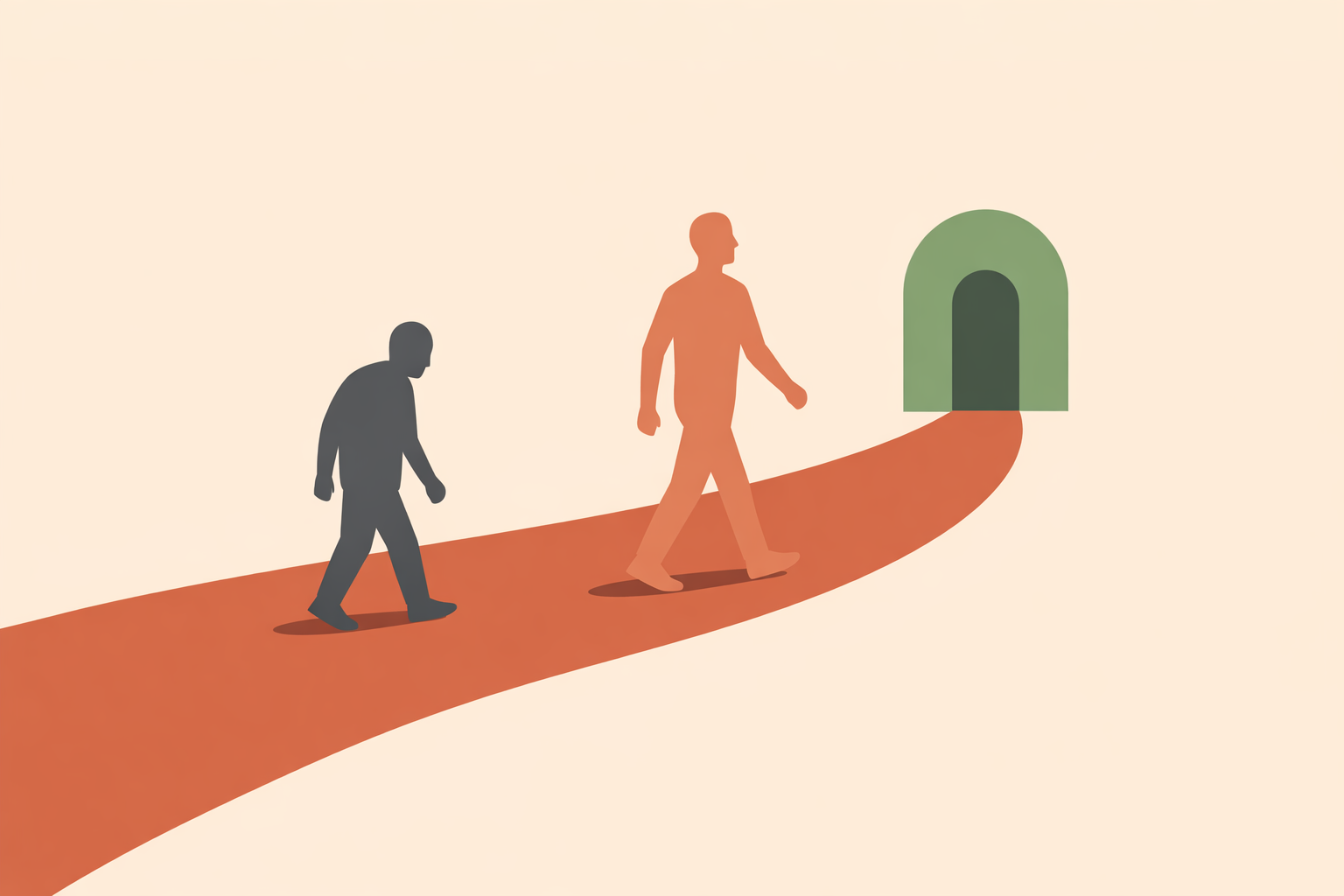
Most client plans still start with a birth date. The number feels objective, so people get sorted by decade and handed a familiar template: lighter loads after 60, more cardio, more stretching, less challenge. But that approach often misses the person in front of you. The mobile 70-year-old gets underestimated, while the exhausted 55-year-old gets too much, too soon. In practice, that can drift into soft ageism.
Key Takeaway: Functional age—not birth date—should anchor client planning. Age gives context, function sets priorities, and habits create change. By using simple, scope-safe assessments and pairing them with lived experience, coaches can build plans that protect independence, confidence, and meaningful daily activities.
What functional age means in coaching practice
Functional age is a straightforward idea with deep roots: notice aging through what a person can do. In coaching practice, that includes mobility, balance, strength, stamina, steadiness, confidence, and ease in daily routines.
Traditional cultures have long viewed older adulthood through contribution and capability: carrying water, climbing steps to fields, squatting for daily tasks, or dancing in ceremonies. These are functional benchmarks, even when no one calls them that. They reflect the same truth modern coaching measures more formally.
That is why functional age is often more actionable than biological-age estimates. Apps and lab-based scores can be interesting, but they don’t replace what you can observe and discuss directly: how someone rises from a chair, walks into the room, carries a bag, or describes their week.
In practice, the goal is protecting participation. Keeping someone able to shop comfortably, join community walks, play with grandchildren, or take their place in valued roles is where planning becomes real.
A practical lens: age gives context, function sets priorities, habits create change
The cleanest planning lens is this: age gives context, function sets priorities, and habits create change.
Age still matters because it can shape recovery, responsibilities, resources, and expectations around life stage. But function deserves the lead role, because it shows what support will make the biggest difference now.
Habits are what move function. Steady actions repeated in real life tend to matter more than dramatic overhauls. Daily movement, nourishing meals, rest, rhythm, and connection all influence how capable someone feels in their body and throughout the week.
Context matters just as much. If a plan ignores caregiving load, shift work, food access, transport, or neighborhood safety, it can end up blaming the individual for barriers that are structural. The World Health Organization describes ageism as operating through norms, policies, and practices that can restrict opportunities based on age. Good coaching stays alert to that reality and builds inside the life a person actually has.
A grounding question helps keep priorities clear: which single habit best protects what you want to keep doing—movement, food, rest, or connection?
Step 1: Use simple functional assessments to see what matters most
Start with the body’s current story. A short set of everyday assessments can reveal where to focus, without overcomplicating the session.
- Gait speed: Natural walking pace over a short distance offers a quick picture of mobility and confidence. A 0.1 m/s change is widely recognized as meaningful.
- Timed Up-and-Go: Standing up, walking a short distance, turning, and sitting down again gives a useful snapshot of coordination and transitions.
- Chair stands: Repeatedly rising from a chair helps you notice lower-body strength and effort.
- Single-leg balance: A brief one-leg stance can highlight steadiness and where balance support may help.
- Grip strength: With the right tool, grip adds another layer to the picture of overall function.
These markers aren’t for labeling people. They help you choose a sensible starting point. If walking is steady but balance is shaky, balance leads. If movement looks confident but fatigue shows up quickly during chair rises, leg strength, pacing, and recovery deserve attention.
Results also need a story. Slower times can reflect fear after a fall in the family, a demanding work season, poor sleep, or long nights supporting others. Data lands best when you hold it alongside narrative and cultural context.
This is also where traditional and modern lenses meet naturally. Functional signals have always been visible in daily life; the formal test helps you name them, track them, and plan with care.
Step 2: Turn findings into one focused, culturally grounded habit
Once you see the functional picture, resist the urge to fix everything at once. The strongest plans are usually narrow, clear, and easy to repeat.
A workable rhythm is: assess, clarify what matters, choose one habit, track it briefly, then adjust, much like a simple longevity plan. This keeps the work realistic and collaborative.
Good questions guide the choice:
- What do you most want to keep doing?
- What is getting in the way right now?
- What is one small shift you could repeat for two weeks?
From there, choose one lever: movement, food, sleep, or connection. Keep it culturally relevant and anchored in the person’s routine.
For one person, that could be slow chair rises before breakfast four days a week. For another, it might be adding beans to lunch, taking an evening walk with a neighbor, or restoring a calming wind-down ritual after prayer or dinner. The point is fit and repeatability.
Many traditional settings already know the power of relationship for sustaining change. Habits hold better when they are woven into family rhythms, communal meals, shared walks, and familiar rituals. Coaching can strengthen that thread rather than replacing it.
Step 3: Track progress through function, not fascination with age scores
Tracking matters because visible progress builds confidence. The most helpful tracking stays close to daily life.
Re-test the same functional markers every 2 to 4 weeks. That’s often enough time to notice real shifts without turning every session into measurement. Look at walking pace, chair stands, balance, Timed Up-and-Go, plus one lived-life marker the client cares about, such as climbing stairs more easily, carrying groceries without strain, or joining a community walk again.
Small gains can be genuinely meaningful. A 0.1 m/s improvement in gait speed is worth celebrating. A modest improvement in Timed Up-and-Go can also signal more ease and steadiness in everyday transitions.
Biological-age tools can sit in the background if a client already enjoys them, but they don’t need to lead the session. Week-to-week planning stays clearer when function remains central.
Traditional communities often track progress by role and participation: returning to dance, carrying what needs carrying, showing up with steadiness, and rejoining shared routines. Those outcomes belong beside any timed test because they reflect the life the person is protecting.
A simple one-page Function Card can help. Note the few tests you’re tracking, the activities the client wants to protect, and the single habit they’re practicing now. Keep it easy to update, so it stays used rather than admired.
Functional age is the more human planning compass
When you shift the conversation from birthdays to capabilities, planning becomes clearer and kinder. You stop assuming what someone “should” do for their age and start responding to what they can do, what they value, and what support will help most.
This approach naturally blends traditional wisdom with modern evidence-informed practice. It honors culture, context, and season of life while keeping the work practical and grounded in real routines, including broader longevity and biohacking work.
Age still gives context, but function points the way forward. Keep your attention on capability and participation, and you’ll build plans that protect confidence and everyday independence. As a final note, stay scope-safe, keep assessments appropriate to your setting, and refer on when a client’s needs clearly fall outside coaching support.
Master functional-age coaching skills
Apply functional-age planning principles with the Blue Zones–Inspired Anti-Aging Coach Certification.
Explore Blue Zones Certification →