Many longevity coaches start with a familiar routine: confirm the birthday, then plug in a biological-age score. Too often, the plan ends up fitting the calendar more than the person. Some clients look “young” on an app while stairs still feel hard, and sessions drift into explaining numbers instead of building momentum.
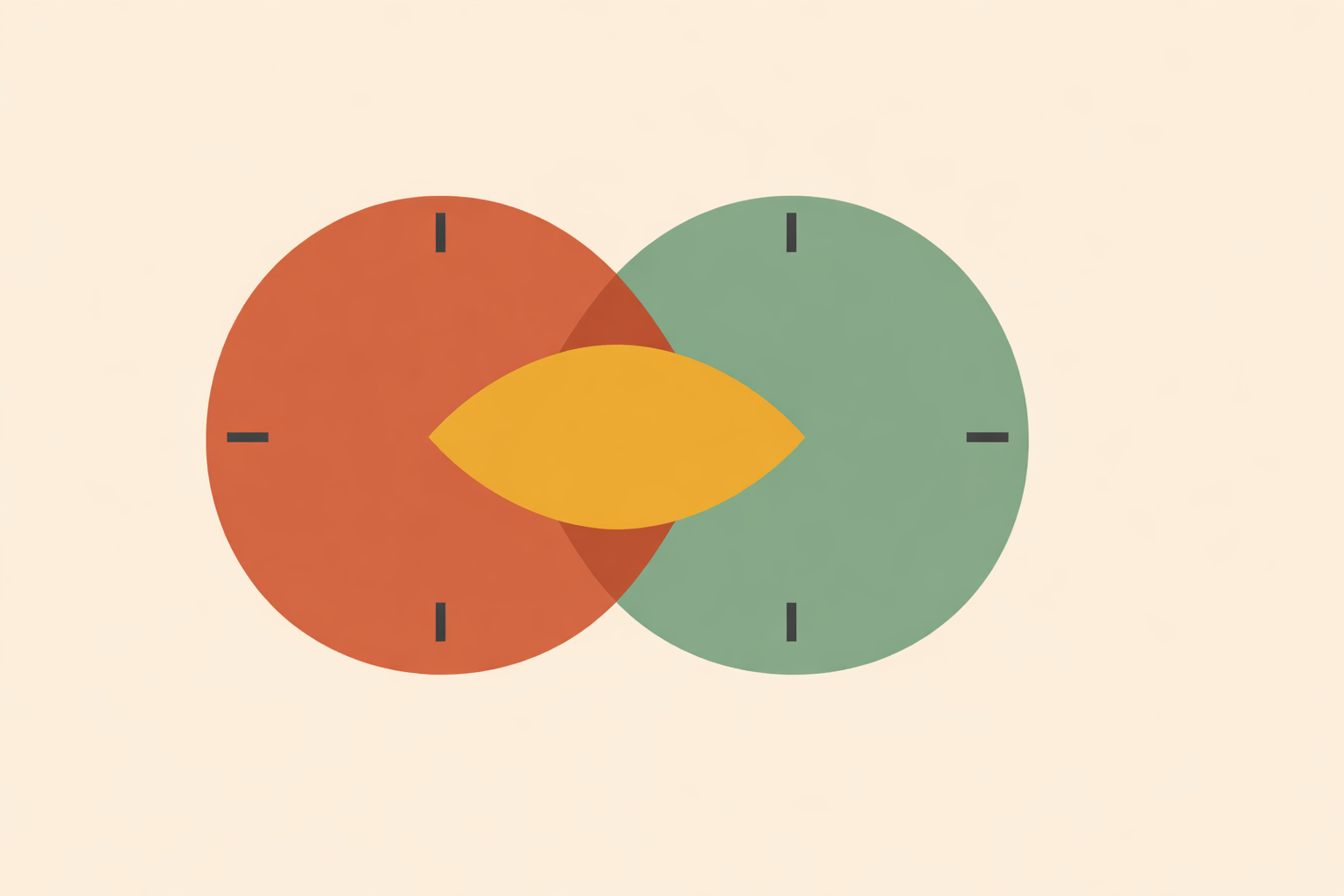
A steadier approach is two-clock coaching. Use chronological age to understand life stage and constraints. Use biological age to understand the body’s current pace and to support healthspan. Practically, that means anchoring sessions in everyday capacity, using biomarkers selectively, and shaping habits around real life rather than ideal routines.
Key Takeaway: Effective longevity coaching uses two clocks: the calendar for context and the body’s tempo for action. Chronological age helps you understand life stage, while biological age is better approached through function, resilience, and daily capacity. The most useful coaching plans combine simple physical tracking, realistic habit design, and compassionate attention to culture, stress, and access.
Chronological age gives context, not the whole picture
Chronological age still matters because it helps a coach recognize the season a person is in: raising children, caring for parents, shifting work demands, moving through hormonal transitions, or redefining purpose later in life. Those realities shape what is actually doable.
But the calendar has clear limits. Same-age adults can differ sharply in energy, mobility, confidence, and recovery. That gap is exactly why age-based assumptions can stall progress.
In good coaching, the calendar opens the conversation rather than closing it. It can normalize change without turning change into destiny.
A 50-year-old may recover more slowly than they did at 30. That deserves respect and practical planning. It still doesn’t tell you how much strength they can build, how much steadier their sleep can become, or how different their days can feel after a few months of consistent support.
A useful coaching question is: what does this season of life make harder, and what still feels possible?
Biological age is best understood through function and healthspan
In coaching, biological age becomes most useful when it’s translated into function. How steady is someone on one leg? How easily do they rise from a chair? Can they walk briskly without losing confidence? Do they wake up restored more often than not?
This shifts the focus from “How old am I?” to “How well am I living in my body?”
It also ties naturally to healthspan: the years lived with strength, clarity, and participation in daily life. Most clients care far more about gardening, carrying groceries, traveling comfortably, playing with grandchildren, or thinking clearly in the late afternoon than they do about any isolated score.
Traditional wisdom already approaches aging through this wider lens. It pays attention to rhythm, appetite, movement, rest, mood, community, and purpose. Modern tracking has a role, and it tends to work best when it confirms what the body is already showing.
The practical goal isn’t chasing a “younger” number. It’s supporting a younger trajectory in daily life.
How to measure functional age in coaching
Start simple. A midlife capacity check can include grip strength, walking endurance, chair-stands, and balance. Together, these measures create a grounded picture of everyday function, and physical capacity is closely associated with biological aging patterns.
Even a few basics can tell you a lot. Grip strength and gait speed align with stronger aging profiles, which is why experienced coaches often keep a close eye on them.
It also helps to treat biological-age tools with perspective. Different formulas exist, so a single score is rarely the main story. Trends over time are usually what you can coach with.
A simple intake and re-check rhythm might include:
- 30-second chair stand
- Grip strength (if a dynamometer is available)
- 6-minute walk (or another consistent walking measure)
- Single-leg balance, eyes open
- Sleep quality, daytime energy, and recovery notes
This kind of tracking keeps coaching anchored in lived ability. It also helps clients notice progress they can actually feel, not just progress they’re told to care about.
If someone chooses to use a biological-age test, give it the right job: a secondary tool, not the center of the work. Some people find it motivating because it makes change feel tangible. Others find it distracting. Both reactions are normal.
How to build coaching plans with both clocks in mind
The strongest plans begin with the person, not the metric. Start with the season of life, then look at present function, then confirm the context: work patterns, caregiving load, food access, social support, stress rhythm, and culture.
From there, goals get much easier to set and to keep.
- Use chronological age for context: What demands and transitions shape this stage of life?
- Use biological age for direction: Where do strength, stamina, recovery, and resilience most need support?
- Set healthspan goals: Focus on stairs, walking, balance, lifting, energy, confidence, and steadiness.
- Build habits around real life: simple meals, natural movement, brief strength sessions, sleep rhythm, and regular social connection.
- Track trends: watch changes across weeks and months rather than reacting to single off-days.
This is where Blue Zones–inspired thinking earns its place. It’s not a rigid blueprint. It’s a reminder that longevity-supportive living is usually ordinary, social, and repeatable. Beans, greens, walking, shared meals, purpose, and rest are not glamorous, but they’re durable.
For example, a midlife client balancing work and family often doesn’t need a sophisticated protocol. Two short strength sessions each week, a reliable post-meal walk, a more substantial breakfast, and one protected social ritual can shift how the body feels long before any advanced metric catches up.
Coaches also tend to see the biggest changes come from consistency rather than intensity. A three-month block is a realistic window for clearer shifts in rhythm, stamina, and confidence, while biomarker changes may arrive more gradually.
Context shapes what healthy habits are actually possible
Any honest longevity conversation includes context. People don’t make choices in a vacuum. Income, housing, food access, transportation, and neighborhood design all shape what’s realistic, and social determinants strongly influence which supportive habits are feasible.
This matters because coaching becomes quietly unfair when it assumes everyone has the same time, money, safety, kitchen access, or community support.
It’s also why broad patterns matter more than perfection. If specialty foods aren’t affordable, there’s still plenty to build from. If there’s no gym, daily walking, stair climbing, floor practice, and carrying groceries still count. If someone is isolated, one weekly call or shared meal can be a strong first step.
Blue Zones–inspired coaching works best when it stays grounded in real life. The point isn’t to imitate another culture from the outside. The point is to recognize timeless principles—connection, daily movement, simple meals, purpose, rest—and help each person express them in a way that fits their own life and roots.
Ethical, scope-safe use of age metrics
Age metrics work best as mirrors, not labels. They can support reflection, but they should never become a source of shame or a performance grade.
A few principles keep the work steady:
- Use metrics to support coaching conversations, not to define identity.
- Prefer repeated trends over dramatic interpretations of a single result.
- Keep function at the center: sleep, energy, strength, stamina, balance, and confidence.
- Avoid framing younger as morally better.
- Respect cultural values, personal meaning, and different ways of aging well.
If a score moves in an encouraging direction, let it affirm effort. If it doesn’t, the body may still be changing in meaningful ways. Better mornings, easier stairs, steadier mood, stronger carries, and deeper sleep all count.
A simple coaching script works well here: these numbers are feedback, not judgment. We use them to notice momentum and adjust the plan within clear coaching boundaries.
That tone protects dignity and keeps the work aligned with what longevity coaching is really for: supporting people in living with more capacity, more steadiness, and more connection to what matters.
Bringing the two clocks together
Chronological and biological age don’t compete. They work best as two lenses on the same life.
The calendar gives context: life stage, transitions, responsibilities, and expectations. The body’s pace gives direction: where energy, strength, balance, recovery, and resilience need support now.
When these two clocks work together, coaching gets clearer. Plans stop revolving around abstract age categories and return to lived capacity. Small, durable changes become the priority, culture and context stay visible, and progress is tracked in ways clients can feel.
That’s often enough to make the work both kinder and more effective. Aging can’t be controlled perfectly, but people can shape the rhythm of how they live through it.
Master Blue Zones Coaching
Apply two-clock longevity coaching with the Blue Zones–Inspired Anti-Aging Coach Certification.
Explore Blue Zones–Inspired →