The default move when someone says, “My throat chakra is blocked,” is to reach for the seven-center chart and start matching feelings to colors. It can sound confident, but it often closes the conversation too early. People who came for practical support may hear a verdict instead of an invitation to explore. Others may not share the same spiritual frame. Even when the map resonates, rushing to labels can blur boundaries and leave you responding to a diagram rather than a person.
A steadier approach is straightforward: treat chakra language as optional and client-defined, and use it only when it helps create observable change. Ground your work in tradition, invite the person to translate “blocked” into daily experience, set clear consent and scope, and understand their wider context before naming any center. Then the seven themes become light prompts rather than fixed conclusions.
The result is an intake flow that works well in mixed-belief settings: respectful of lineage, flexible in language, and focused on what the client can notice, choose, and do next.
Key Takeaway: Chakra-informed intake works best when it is client-led, ethically bounded, and translated into lived experience. Begin with tradition and context, let the client define what “blocked” means, set clear agreements, understand the whole person before naming centers, use the seven themes as optional prompts, and turn insight into small experiments. When distress exceeds the scope of coaching, pause and signpost appropriate support.
Step 1: Ground the Intake in Chakra Tradition
Begin by naming the frame with respect. Chakras originate in Indian and Buddhist Tantric traditions, and the Sanskrit term cakra means “wheel” or circle. Over time, chakra teachings developed across lineages, so it’s natural that there isn’t a single, universally agreed map.
That context keeps the intake spacious. The familiar seven-center system is useful, yet historical sources also describe varying numbers of centers. The seven-chakra system can be offered as one well-known approach rather than a final authority.
In session, this can be very plain: “We can use the seven-center map if it helps, and we can also stay entirely with your own words.” On a form, you might ask: “Does any energy map resonate for you, or would you prefer plain language?”
A simple note after a first meeting might read: “Client prefers the seven-center map as a reflection tool, not as a fixed interpretation. Open to breath and movement practices; not seeking spiritual labels.”
Step 2: Let the Client Define What “Blocked” Means
When someone says a chakra feels blocked, stay curious before you translate anything. Ask what “blocked” looks like in their week, relationships, work, or inner life.
Often, “blocked” points to feeling stuck, shut down, disconnected, or overwhelmed. It can also mean hesitation, numbness, confusion, over-effort, or a sense that something isn’t moving well. The goal is specificity you can work with.
Useful questions include:
- “What does blocked mean to you in everyday life?”
- “When do you notice it most?”
- “What tends to make it stronger?”
- “What would feeling more open look like in a concrete way?”
- “Does this feel spiritual, emotional, practical, or hard to name?”
This keeps the process collaborative and stops you from placing a ready-made interpretation on an experience that the client understands best.
Example: someone says, “My throat chakra is blocked.” With a few calm questions, that can become: “By Wednesday afternoons I freeze in meetings. I know what I want to say, but I hold back when the stakes feel high.” From there, “more open” might mean speaking once before the meeting ends, not solving the whole pattern at once.
Step 3: Set Clear Agreements Early
Before exploring chakra themes in depth, set agreements that make the work feel safe, clear, and respectful. Explain what you offer, how you work, what choices the client has, and where your role begins and ends.
This matters with spiritually framed language, because people can easily hear certainty when you mean possibility. Clear agreements protect autonomy and strengthen trust.
Your agreement can cover:
- how you describe your role
- whether chakra language is optional
- what kind of notes you keep
- how privacy is handled
- how the client can pause, decline, or redirect an exercise
- what happens if stronger support is needed outside your scope
A simple script works well: “Here’s what I offer: reflective conversation, values-based experiments, and optional chakra language. You choose what feels useful, and you can opt out at any point.”
Cultural humility belongs here too. Ask which words feel respectful and accessible to the client. Some people connect deeply with Sanskrit names and traditional framing, while others prefer everyday language. Both are valid starting points.
A brief note might read: “Agreed on privacy boundaries, note storage, and use of plain-language alternatives when chakra terms feel too abstract.”
Step 4: Build a Whole-Person Intake Before Naming Centers
Many practitioners jump quickly to identifying a center. A stronger intake understands the person first. Let chakra language wait while you map goals, context, strengths, routines, and existing supports.
A whole-person intake might include:
- preferred name, pronouns, access needs, and communication preferences
- why they are seeking support now
- what change they hope to notice in daily life
- whether they already have a relationship with energy healing or contemplative practices
- where the issue shows up: work, relationships, rest, creativity, confidence, decision-making
- what tends to intensify the pattern
- what already helps, even a little
This stage often gives you more than enough to begin. It also keeps the session grounded in lived reality. Someone may arrive saying “blocked heart chakra,” but your first job is to understand how that experience plays out day to day.
For example: “Client says ‘blocked heart.’ In practice, avoids initiating connection after a breakup and feels emotionally flat by evening. Hopes to rebuild ease with closeness. Existing supports include morning walks and journaling.” That is respectful, specific, and usable.
Many people genuinely benefit from mindfulness, reflective rituals, and personal-development practices often linked with chakra work. You don’t need to force an explanation of mechanism to use these approaches responsibly; you need clarity, consent, and a focus on what helps the client move forward.
Step 5: Use the Seven Chakra Themes as Optional Prompts
Once you understand the person’s world, you can introduce the seven-center map lightly. Offer it as a set of themes, then follow what actually helps.
In both traditional and contemporary practice, chakras are often approached as touching multiple layers of experience: physical, emotional, mental, intuitive, and spiritual. Used with care, that broad view can help clients notice patterns they’ve been living with for years.
Helpful prompts might look like this:
- Root: “What helps you feel settled, supported, or at home in yourself?”
- Sacral: “How are emotion, creativity, and pleasure moving in your life right now?”
- Solar plexus: “Where do you trust your own action, and where do you hold back?”
- Heart: “How easy is it to receive care as well as offer it?”
- Throat: “Where is it hardest to say what is true for you?”
- Third eye: “What helps you step back and see clearly?”
- Crown: “Where do you feel connected to meaning, purpose, wonder, or something larger?”
Keep the tone open, human, and specific. If the person says, “None of that lands,” return to their own wording without friction. The map supports the conversation, and the client stays in the lead.
A simple exchange might be: “I feel ungrounded at night.” You can ask, “Would it help to explore root-themed routines, or would you rather stay with plain sleep and evening-habit language?”
Step 6: Turn Insight Into Small, Client-Led Experiments
Once a theme becomes clear, translate it into a small practice the client can try without pressure. The aim is gentle, observable movement.
Good experiments are brief, low-risk, and chosen by the client. They should feel doable enough to repeat, and easy to adjust.
Examples include:
- Root: orient to the room, feel both feet on the floor, name five visible objects, or step outside between tasks
- Sacral: move freely to one song, make something small, or savor one pleasant sensory experience with full attention
- Solar plexus: write one boundary sentence and practice saying it aloud
- Heart: send one sincere check-in message or take a short pause in nature
- Throat: draft a two-line statement of need or record a brief voice note speaking honestly and kindly
- Third eye: journal the facts of a situation separately from the story you are telling yourself about it
- Crown: sit in quiet reflection, keep a gratitude note, or spend a few minutes with whatever evokes wonder or meaning
Chakra teachings have long been used as symbolic tools for personal development, and this is where symbolism becomes practical. You’re helping the client notice what supports steadiness, expression, courage, tenderness, discernment, or connection in everyday life.
It also helps to link each experiment to a value. Courage might look like sending one candid email. Compassion might look like asking for support instead of withdrawing. Truthfulness might look like saying one honest sentence sooner than usual.
Consistency matters more than intensity. Small daily or weekly rituals create meaningful shifts over time, and a simple six-week chakra practice can help keep that process steady because they’re easier to repeat and learn from.
A session note might say: “Client practiced one boundary statement before a team meeting. Heart racing, but voice steady. Reported relief afterward.” That’s enough to track real change.
Step 7: Notice When “Blocked Chakra” Language May Be Hiding Deeper Distress
Sometimes chakra language is a helpful doorway. Sometimes it carries more than coaching can responsibly hold. Ethical practice includes knowing when to slow down, widen the frame, or pause chakra interpretation altogether.
Slow down when someone demands guaranteed answers, insists every difficulty must come from one center, or turns energetic language into a measure of whether they are “evolved enough.” Also proceed carefully if they seem frightened by earlier spiritual guidance or pressured by another practitioner’s certainty.
At times, “blocked chakra” language can mask distress that exceeds the appropriate scope of coaching. In those moments, clarity matters more than interpretation.
Urgent concerns such as suicidal intent, domestic violence, severe withdrawal, marked disorientation, or major functional change call for crisis support rather than chakra-based exploration. Likewise, sudden or severe physical symptoms such as fainting, breathing difficulty, extreme exhaustion, dramatic sleep shifts, or major changes in day-to-day functioning should not be spiritualized before appropriate professional help is sought.
You do not need dramatic language here. Calm and steady is enough: “What you’re describing matters, and I want to make sure you have the right kind of support for it.”
A practical boundary line can be: “We won’t interpret urgent situations through an energy lens.” That protects trust and keeps the focus where it belongs.
Conclusion: A Practical, Respectful Flow for Chakra-Informed Intake
A grounded chakra intake follows a simple rhythm. Honor the tradition. Let the client define their lived experience. Set clear agreements. Understand the whole person before naming centers. Use the seven themes lightly, and translate insight into small experiments the client actually wants to try.
This approach makes room for both reverence and practicality. Chakra work can stay rooted in tradition while still staying accountable to real-life outcomes. Across generations, traditional knowledge and practitioner observation have valued lived change: greater steadiness, clearer expression, deeper self-trust, and a kinder relationship with one’s inner life.
What matters most is helping someone move from “I feel stuck” to “I can see what this means in my life, and I know one next step.”
Keep it human, keep it respectful, and keep it usable. That’s what makes chakra-informed work trustworthy.
Train in Chakra Energy Healing
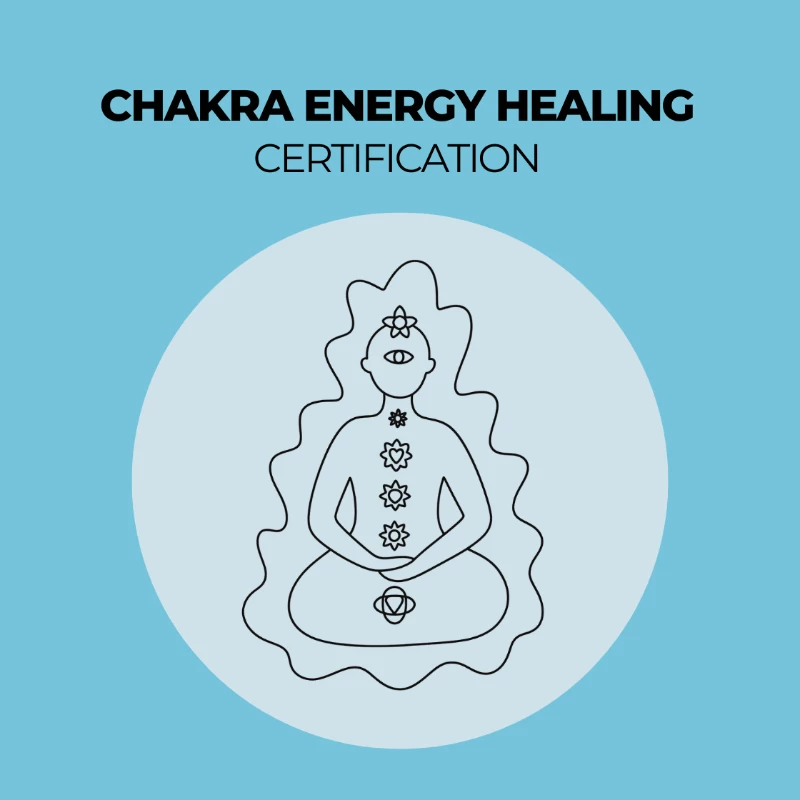
Build practical, ethical chakra-based support skills in the Chakra Energy Healing Certification.
Explore Chakra Energy Healing →