Many crystal practitioners spend time choosing stones and creating a calm space, yet sessions can still feel inconsistent. The missing piece is rarely a rarer mineral or a more elaborate ritual. It’s a clear, professional container that helps people feel safe, informed, and steady from start to finish.
Key Takeaway: Client-ready crystal work depends more on consent, structure, and grounded ethics than on stone choice. The strongest sessions are clear about what will happen, honest about what crystal work can and cannot promise, attentive to hygiene and mineral safety, and adaptable to each person’s comfort, sensitivity, and pace.
1. Build a Consent-Led Container First
Start with the container, not the stones. Consent-led sessions, with clear choices around tools and touch, are what make subtle energy work feel trustworthy.
Atmosphere helps, but boundaries do the heavy lifting. Before anything begins, explain what tools you may use, where stones may be placed, whether touch is involved, and how the person can pause or change direction at any time.
Keep it direct. You might say: “I’ll describe each step before we do it. You can say yes, no, or not today to any part of the session. If you want less silence, no touch, or different placement, we’ll adjust.” Clear language often creates more ease than any room setup.
Agree on the frame, too. Crystal work is supportive, reflective, and non-directive. When people understand that upfront, they tend to settle into the experience more easily.
- Offer choices before placement begins.
- Name touch separately from stone placement.
- Let clients know they can stop or change course at any time.
- Keep your own boundaries clear as well.
A small question can set the tone: “Would you prefer stones placed on the body, over the blanket, or only around you on the table?”
2. Set Honest Expectations About Crystal Work
Crystal work lands best when it’s framed with honesty and respect. Honor the depth of tradition while staying transparent about evidence and avoiding grand promises.
Many practitioners describe crystal sessions as supportive practices for relaxation, awareness, intention, and a sense of energetic harmony. For many people, the ritual, symbolism, and focused attention feel genuinely meaningful.
It’s also fair to say that crystals have no proven effects stone-by-stone. Controlled studies suggest people report similar sensations from genuine crystals and convincing look-alikes.
That doesn’t cancel the value of the work. In the same controlled research, people who already believed in crystal energy experienced reduced anxiety regardless of which stone they were given. Belief, expectation, and ritual shape human experience, and traditional practice has long understood that inner context matters.
A balanced explanation might sound like this: “Crystals have longstanding roots in traditional practice. Modern research has not shown reliable stone-specific effects, but many people still value the calm, symbolism, and intentionality of the experience. We can approach the session openly and notice what feels supportive for you.”
- Keep language supportive rather than absolute.
- Do not promise transformation on a schedule.
- Let the client’s lived experience matter without overstating certainty.
3. Create a Predictable Session Flow
People usually relax more deeply when they know where a session is going. A simple arc helps them arrive, receive, and leave feeling steady.
Begin with a brief intention. Ask what would feel most useful today—grounding, calm, clarity, softness, or rest—then confirm practical preferences like position, temperature, scent, and any no-go areas for placement.
Next, guide a short arrival practice such as slow breathing or a body scan. This opening creates a bridge between a busy day and subtler awareness.
During the main portion, keep the sequence easy to follow. Place stones slowly, explain changes before you make them, and let silence be spacious without becoming vague. Some practitioners offer simple prompts like noticing warmth, weight, color, or breath; others stay mostly quiet. Both styles work when the structure stays clear.
Close as deliberately as you began. A grounded finish helps clients reorient before they stand up and head back into their day.
- 0–5 minutes: arrival, intention, consent check
- 5–8 minutes: breath or body scan
- 8–30 minutes: placement and quiet support
- 30–40 minutes: rest or gentle guided awareness
- 40–45 minutes: stone removal and reorientation
- 45–50 minutes: reflection and close
A simple closing script can be enough: “Take a fuller breath, notice the support beneath you, feel your feet or legs, and name one word for how you are leaving today.”
4. Know Your Mineral Safety and Hygiene Basics
Strong crystal practice includes practical tool care. If stones touch skin, move between people, or are used near the face, hygiene and material awareness matter.
Choose working stones with contact in mind. Polished, non-porous stones are usually easier to sanitize than rough or porous pieces, so they’re often the better option for skin contact. If a stone is dyed, crumbly, coated, or difficult to clean well, reserve it for off-body use.
Some minerals can contain heavy metals, which raises clear concerns for direct skin contact. When you’re unsure about composition or finish, keep it off the skin.
Water safety matters as well. Some crystals are best kept dry, including selenite, celestite, and halite. Match cleansing methods to the mineral instead of assuming one approach fits every stone.
For shared use, make hygiene routine. Sanitize before reuse, store clearly, and separate clean and used sets. Avoid placing stones on irritated or open skin.
- Use polished stones for direct contact when possible.
- Keep uncertain minerals off the skin.
- Separate clean tools from used ones.
- Dry stones fully after any appropriate cleaning process.
- Do not use damaged, flaking, or sharp-edged stones on the body.
A simple tray system works well: one pouch for clean stones, one for used stones, plus a note card listing material, finish, and preferred cleansing method.
5. Use Touch and Visualization in a Trauma-Aware Way
Trauma-aware crystal work comes down to predictability, pacing, and real choice.
Ask first, then describe before you do. Surprise touch, closed-in settings, and long unexplained silences can feel unsettling, especially for people who are stressed or prone to dissociation. Clear check-ins and grounded pacing help.
If you use touch, keep it minimal and fully optional. Many practitioners begin with placement over clothing or over a blanket, which often supports trust while keeping the session spacious and respectful.
Visualization works best when it stays gentle and client-led. Invite noticing—breath, heaviness, warmth, color, or the feeling of being supported—and avoid interpretations that override the person’s own experience.
Stay present throughout. Don’t leave someone unattended when stones are placed near the face or throat, and make sure they can remove any stone themselves if they want to.
- “Is it okay if I place this stone over the blanket near your abdomen?”
- “Would you prefer this at your feet instead?”
- “We’ll have two minutes of quiet, then I’ll check in.”
- “If anything feels too much, just say pause.”
These small signals of collaboration often make the whole session feel steadier and more respectful.
6. Adapt Sessions for Sensitivities, Pregnancy, and Young People
The most skillful crystal work is responsive. Small adjustments to duration, position, pressure, and sensory input make sessions more supportive for more people.
Let intake guide your choices. Ask about scent sensitivity, skin sensitivity, touch preferences, overwhelm, pregnancy, and any areas that should be avoided. Checking fragrance preferences in advance can prevent sensory overload during the session.
For pregnancy, keep it gentle and simple. Shorter sessions, lighter stones, and side-lying or semi-reclined positions are often a better fit than a standard layout. Prioritize comfort and clear communication.
For children and teens, consent and containment matter even more. Best practice usually includes parental consent, gentler methods, and placement over clothing only. Keep the session shorter, use fewer stones, and keep guidance straightforward.
With babies and very young children, keep stones away from the mouth and avoid any possibility of oral contact.
- Pregnancy: shorter, lighter, more supported positioning
- Scent sensitivity: no oils unless explicitly requested
- Children: brief sessions, simple language, stones over clothing only
- Teens: clear choice around touch, silence, and placement
One practical approach: a child session can be 15 to 20 minutes with three stones at most, ending with a grounding game like feeling the feet press into the floor.
7. Keep Ethical Scope Clear
Scope keeps crystal work clean, kind, and sustainable. The practitioner’s role is to offer presence, structure, symbolism, and supportive ritual without making unrealistic promises.
Overblown claims in wellness spaces can exploit people in vulnerable moments. Crystal work often carries a lot of hope, so clear discernment is part of ethical practice.
Be consistent in your wording, paperwork, and conversations. Explain what a session involves, what tools may be used, and how choice will be respected throughout. Stay within your training, and keep claims modest.
When someone’s needs exceed your competence, name that clearly and encourage additional qualified support. If there is intense distress, a significant safety concern, or a request outside your training, it’s appropriate to step back.
- Keep your descriptions accurate and modest.
- Avoid absolute promises and dramatic claims.
- Document consent and session preferences clearly.
- Refer out when the situation exceeds your scope.
A calm phrase is often enough: “This feels beyond what I am trained to support well. I’d like to keep our work grounded and suggest additional support for that part.”
Closing Thoughts
Client-ready crystal work may look simple from the outside, but it rests on discipline: consent, structure, honesty, adaptability, and respect for both tradition and lived experience. When those foundations are strong, the stones can do what they often do best in practice—serve as anchors for attention, meaning, and grounded ritual.
Refine your scripts, simplify your flow, and keep your tools clean. Over time, these habits turn a beautiful idea into a dependable practice people can genuinely trust.
And yes, still cherish the stones. Let professionalism carry as much weight as intuition, whether you’re deepening into energy healing more broadly or building toward lithotherapy, so people leave feeling respected, steady, and more connected to themselves.
Go Deeper with Lithotherapy
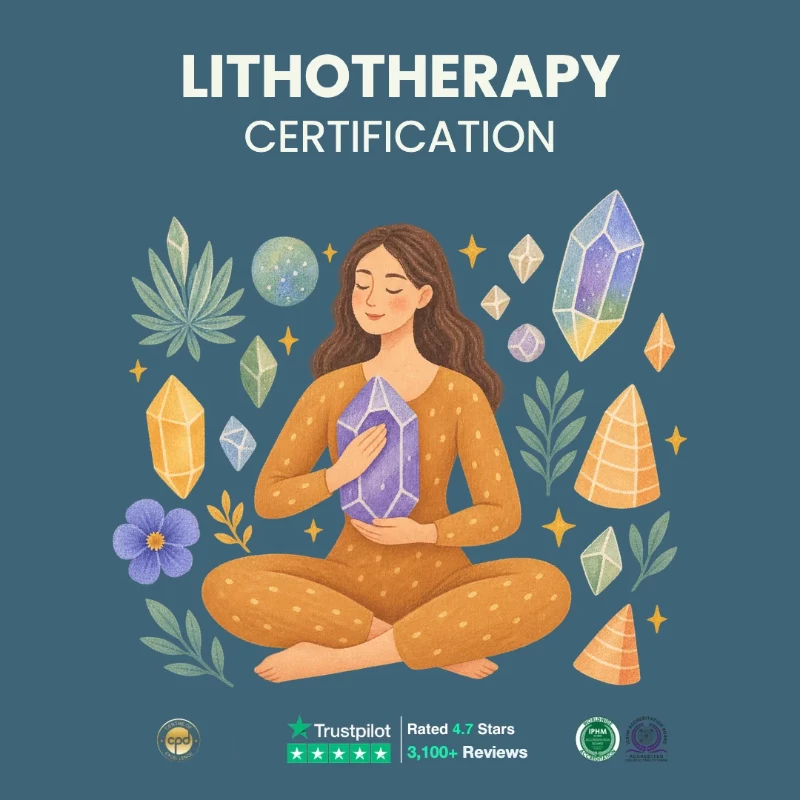
Build safer, clearer sessions with the Lithotherapy Certification and a grounded approach to ethics, structure, and mineral care.
Explore Lithotherapy Certification →