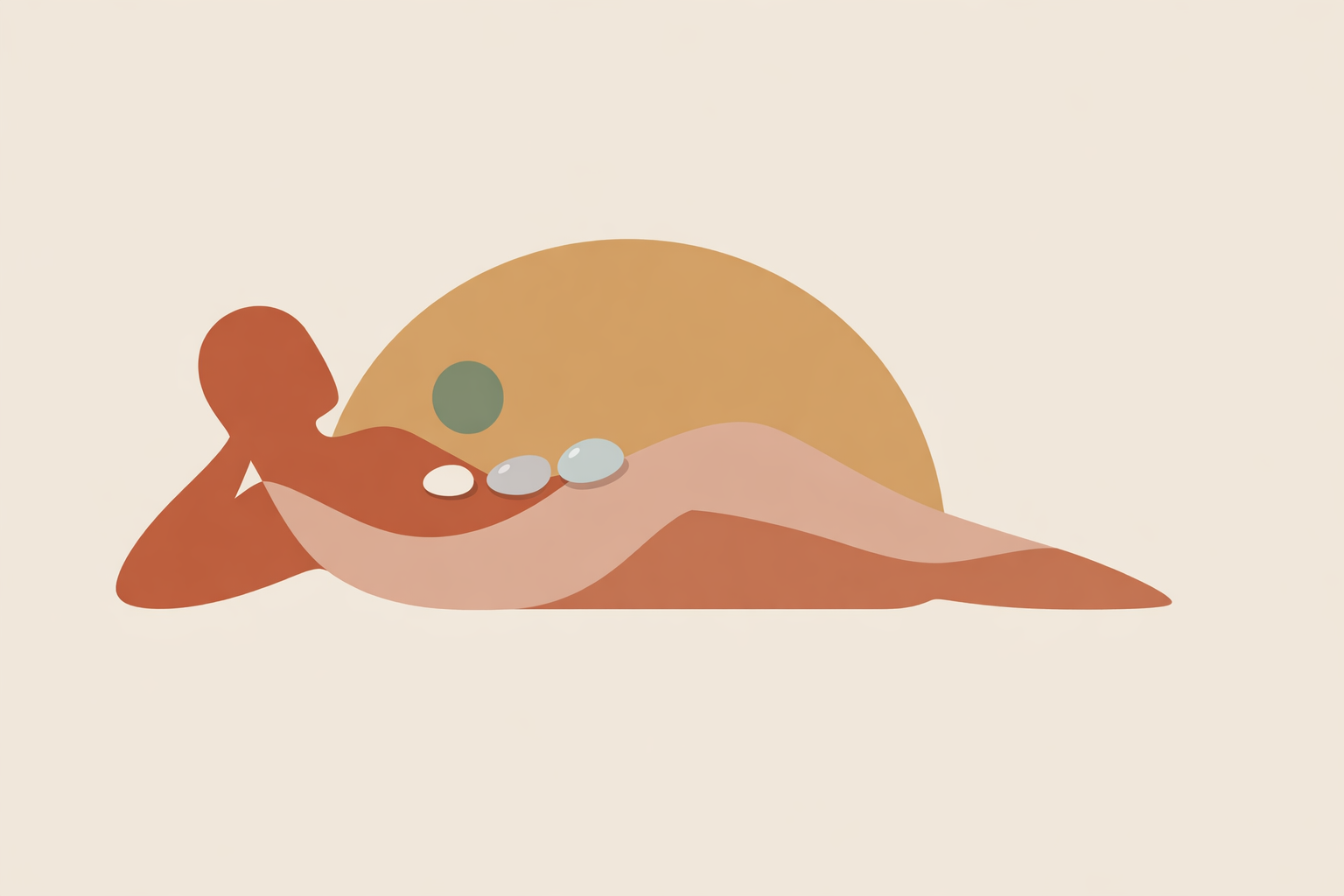
The world of crystal work often swings between two extremes: endless stone lists with outsized promises, or sessions so cautious they lose their shape. A steadier path exists. In a grounded crystal-healing practice, stones support relaxation, presence, and meaning-making inside a clear, well-held session container. That clarity begins in the very first conversation.
Key Takeaway: Grounded crystal healing is a repeatable, scope-conscious practice built on intention, simple stone placement, rest, and integration. A strong session begins with clear expectations, moves through quiet and intentional structure, and ends with reflection and practical follow-through. Subtle-energy frameworks can sit alongside a placebo-aware understanding without diminishing the work. Ethical boundaries, cultural respect, and simple safety habits help keep crystal practice useful, honest, and supportive over time.
Holistic crystal healing in practice: what’s included
Holistic crystal healing is a practice of attention, resonance, and care. Stones are approached as partners in ritual and reflection, valued for the way they help people settle, focus, and reconnect with what matters.
This work draws on ancestral stone wisdom and long-standing relationships with minerals across many traditions. In modern settings, it’s often described as subtle-energy work, with an emphasis on relaxation and integration. That framing keeps sessions clean and honest: the space is calm and intentional, and stones can act as sensory anchors for awareness and symbolism.
In practical terms, the core elements are straightforward:
- clear intention-setting
- gentle placement of stones on or near the body
- a quiet environment that invites rest
- space to notice sensations, images, emotions, or insight
- thoughtful closing integration
What’s excluded matters just as much. Crystal sessions are not a place for labeling conditions, promising outcomes, or stepping beyond a supportive well-being scope.
One simple script works well: “Our session is here to support relaxation, clarity, and self-connection. We’ll work with stones, rest, and reflection, and we won’t make guarantees about results.”
Picture a client arriving frazzled from work pressure. You help them name an intention like “more ease at my desk,” place one grounding stone near the lower body and one soothing stone near the upper body, allow time for quiet rest, then close with one or two small actions they can bring into the week. The strength is often in that simplicity.
What a crystal-healing session usually looks like
A well-structured session has a clear arc. When the flow is familiar, people relax faster and the work deepens naturally.
Most sessions start with a short check-in on what feels supportive that day. Together, you shape a concise intention in the client’s own words. Then you set the room: soft lighting, comfortable temperature, minimal clutter, and a small, purposeful selection of stones.
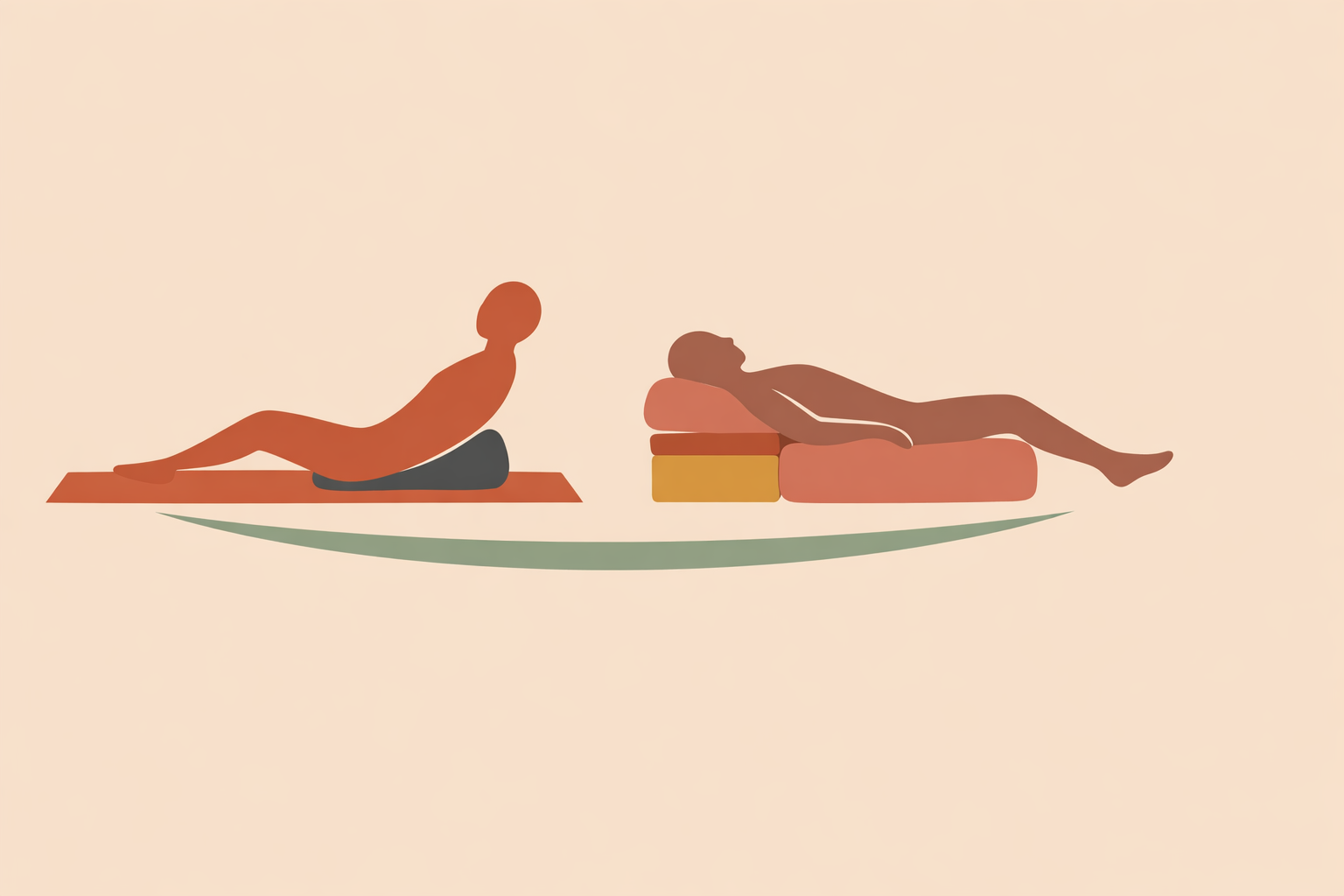
Typical sessions last 45–60 minutes. Within that arc, stones often stay in place for 20–40 minutes while the client rests. Some practitioners place stones along chakra points; others choose placements more intuitively based on what the person shares and what supports the intention.
During the rest phase, a light touch works best. A few gentle cues are plenty: notice the breath, feel the weight of the stone, soften the jaw, let the body be supported by the surface beneath. Quiet often carries the experience further than constant explanation.
Closing matters as much as the opening. An integration phase might include:
- What shifted for you?
- What felt most supportive?
- What would you like to carry into the next few days?
Then offer one small follow-through ritual: three slow breaths before opening email, a pocket stone during a demanding part of the day, or a brief evening check-in.
Subtle energy, vibration, and a grounded modern lens
Most crystal traditions speak in terms of subtle energy. Within these frameworks, each stone carries a distinct vibrational quality that interacts with a person’s field, supporting a return to balance, softness, or steadiness. In that view, stones are active allies.
Many modern guides describe crystals as holding unique frequencies. Others refer to vibrational properties to explain how sessions can promote harmony and well-being. Whether you relate to this literally, symbolically, or somewhere between, what clients commonly experience is consistent: attention narrows, the body settles, and the ritual gathers meaning.
A grounded practitioner also respects the power of context. Public discussion often points to the placebo effect when describing crystal work. That perspective fits neatly beside traditional practice because it highlights something crystal sessions already prioritize: intention, safety, symbolism, and focused attention can meaningfully shift how someone feels. For many people, stones help concentrate awareness and give an intention something tangible to rest on.
This balance keeps the work soulful and clear. Reverence and discernment can comfortably share the same room.
Clear boundaries and ethical scope
Crystal healing works best when its boundaries are plain. People arrive with stress, uncertainty, and sometimes very big hopes. Your role is to keep the space supportive, honest, and well-contained.
Promise what belongs to the practice: relaxation, self-connection, reflection, symbolism, and supportive habits. Keep language steady and avoid implying certainty where it can’t be offered.
Helpful boundary language can be simple:
- “We’ll focus on calm, clarity, and what feels supportive for you today.”
- “This work is about well-being and reflection, not guarantees.”
- “If something falls outside this space, it deserves the right kind of support elsewhere.”
Written consent reinforces that clarity. Clients should understand what the session involves, where stones may be placed, whether touch is used, and that they can change their mind at any point. Consent is ongoing, and it helps create the sense of safety that lets people truly rest.
Cultural respect belongs here too. If you use systems like chakras or ritual cleansing, stay aware of their roots and name them with care. Avoid treating inherited traditions as decorative extras; simplicity, acknowledgment, and humility protect the integrity of the work.
Practical safety for people, spaces, and stones
The strongest safety approach is a small set of habits you follow every time.
Begin with the stones. Some minerals are water- or salt-sensitive, so not every cleansing method fits every crystal. That’s why many practitioners rely on low-risk approaches like sound, smoke, breath, moonlight, or a dry cloth. Selenite, for example, is widely understood to be water-sensitive and is usually refreshed with non-water methods.
The same care applies to crystal waters and crystal-infused drinks. Some minerals are soluble, friable, or simply unsuitable for contact with water. When you want to pair stones with water symbolically, indirect methods are the safer choice, keeping the stone physically separate.
Next comes comfort and accessibility. Ask about sensitivities to metals, coatings, fabrics, or oils used alongside stones. Keep small stones away from children and pets, and choose larger smooth pieces for body layouts when possible. If scent is included, keep it subtle and use proper dilution to reduce irritation risk.
Touch should always be explicit and optional. Explain where stones will be placed, whether you might adjust them, and what non-touch options are available. A well-held session never assumes permission.
A practical kit checklist might include:
- soft cloths for handling and wiping stones
- clearly labeled water-safe and non-water-safe stones
- a simple consent process for placement and touch
- unscented or lightly diluted oils only when welcomed
- clean, comfortable coverings and regularly refreshed surfaces
Using chakras, astrology, and aromatherapy as symbolic maps
Optional frameworks can enrich a session when they add meaning without adding confusion. The key is to use them as symbolic maps that support the client’s lived experience.
Chakra-inspired layouts are a familiar example. Many practitioners associate colors with energy centers, such as red with the root, green or pink with the heart, and violet with the crown. In the same spirit, common crystal correspondences link stones like amethyst, citrine, and rose quartz with calm, vitality, or self-kindness. These associations are useful because they give clients language for reflection, not because they must be followed mechanically.
Some practitioners also work with astrological correspondences like zodiac signs, elements, or planetary rulerships. Used lightly, they can open self-inquiry and help a client explore a theme from a fresh angle. Aromatherapy can play a similar role: a carefully chosen scent paired with a stone can deepen the mood of a session when used respectfully.
The guiding principle is clarity. If a framework helps the client connect to the intention, it earns its place. If it complicates things or relies on borrowed symbolism without understanding, leave it out.
For example, a client exploring kinder communication might benefit from a blue stone near the throat and a soft pink stone near the heart, paired with a few calm breaths and a gentle visualization of speaking clearly without hardening. The symbolism supports the process without needing to dominate it.
Designing ongoing crystal support
Crystal work often becomes more helpful when viewed as an arc rather than a one-off experience. A steady rhythm helps clients recognize patterns and build trust in the ritual.
Many practitioners recommend monthly or biweekly sessions for general support, with extra sessions during especially intense periods. What matters most is a consistent structure that the body associates with settling, noticing, and reconnecting.
Tracking can stay simple. Use quick 0–10 self-ratings before and after for calm, clarity, grounding, or confidence. Add a few notes about which stones were used, where they were placed, what the client noticed, and the at-home ritual they chose.
Over time, themes often emerge. Certain stones may align with easier sleep, a steadier mood, more emotional softness, or stronger focus. These observations don’t need grand claims to be valuable; they help refine what you offer and what the client chooses.
Home support works best when it stays small and realistic, much like a complementary lithotherapy ritual:
- a pocket stone during a stressful part of the day
- a nightly one-minute check-in while holding a chosen crystal
- three grounding breaths before a recurring challenge
- a short written intention placed beside the stone at home
These small rituals help the session land in daily life. The stone becomes a cue for a pause and a conscious choice.
Conclusion
Crystal practice earns trust when it stays true to its nature: subtle, symbolic, and deeply human. In the room, that looks like clear intention, simple layouts, unrushed rest, and thoughtful integration. Beneath that structure is a respectful meeting point between ancestral stone wisdom, lived practitioner experience, and modern discernment.
Keep the work clear and kind. Let stones support presence, reflection, and gentle inner shifts. Hold boundaries, honor cultural roots, and keep safety habits consistent. With that foundation, crystal work remains ethical, alive, and genuinely supportive over time.
Go Deeper with Lithotherapy
Build a clearer, safer session structure with the Lithotherapy Certification.
Explore Lithotherapy Certification →