Practitioners often meet the same moment in session: a client blends chakras and auras into one explanation and looks to you to “fix” it. “My green is dull, so my heart chakra is weak and my aura is damaged.” If you agree with the mash-up, expectations get messy; if you correct it bluntly, trust can wobble. What helps most is clear language, steady boundaries, and a smooth way to move from symbolism to one small step the client can actually take.
Key Takeaway: Keep sessions clear and ethical by treating chakras as an inner map and the aura as an outer field, using reflective language rather than certainty. A simple distinction helps you separate frameworks without dismissing the client’s experience, reframe dramatic language into grounded themes, and end with a concrete next step that supports well-being and self-trust.
Why Clients Mix Up Chakras and Auras
Most clients mix these ideas because they learned them that way. In popular spiritual culture, chakras and auras are often taught as one seamless system, even though that tidy picture is relatively recent.
The modern seven-chakra rainbow model is a modern synthesis, and South Asian lineages include many different chakra arrangements. Scholarship also notes how rainbow chakra imagery was shaped through Western esoteric movements, which helped blend chakra symbolism with surrounding aura imagery.
So when someone says, “My orange is blocked, so my aura is leaking,” they’re usually repeating a combined framework they’ve seen in books, workshops, and online spaces.
A simple reset often does the job:
“I hear two frameworks being used together. We can talk about inner centers, often called chakras, and we can talk about your surrounding field, often called the aura. They may relate in some traditions, but they are not the same thing. Which one would you like to focus on first?”
That one choice-point restores clarity and keeps the work collaborative.
Chakra vs Aura: Inner Map and Outer Field
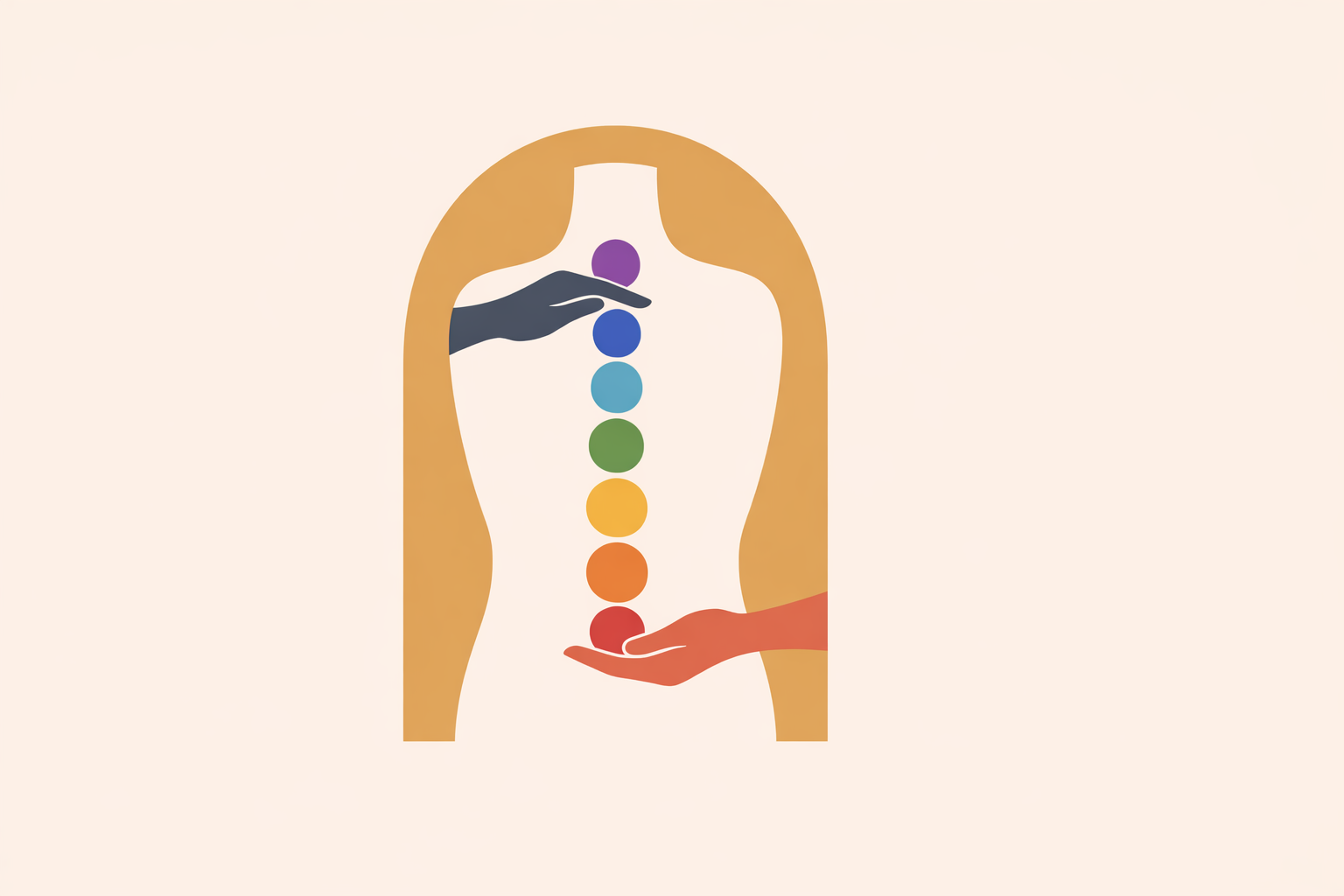
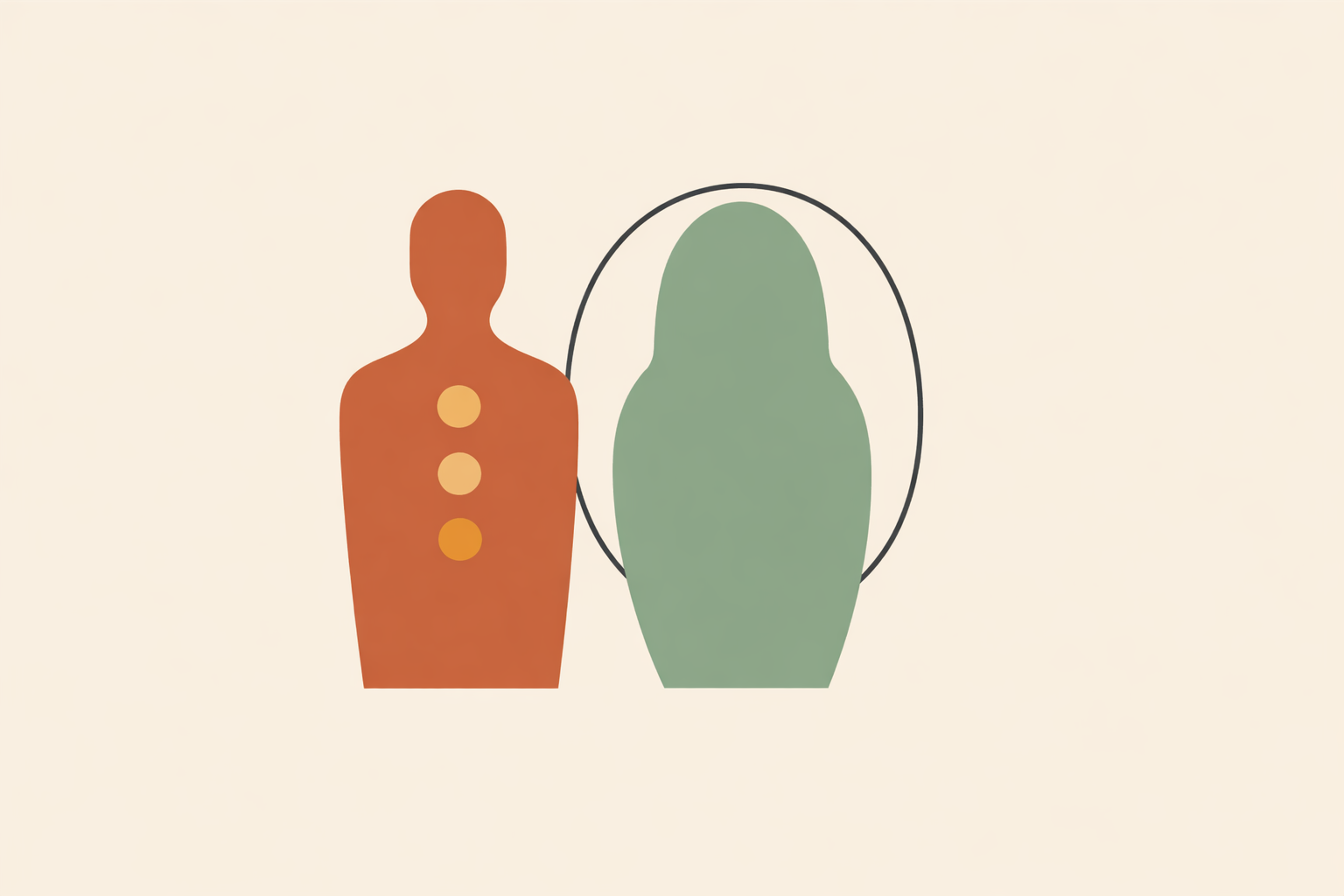
If you want one line to steady the conversation, use this: chakras are an inner map, and the aura is an outer field.
Many contemporary frameworks describe chakras as internal centers along the body’s axis and the aura as a surrounding field. It’s a practical distinction that respects different traditions without forcing a single “correct” model.
It also keeps scope clean. These are reflective maps, not measurements. Used well, they support self-inquiry, values, and insight without turning into fixed verdicts about a person.
- “In this work, chakras refers to inner centers or themes along your midline.”
- “Aura refers to the surrounding field or atmosphere of your presence.”
- “We can explore either framework without forcing them into one system.”
- “We will let meaning and felt experience guide the session.”
If a client says, “My aura feels grey,” you can offer a quick option: stay with the outer-field image, or shift into the inner-map lens and explore one center at a time. That small decision keeps the client in the lead.
How to Explain the Chakra-Aura Connection Without Overclaiming
Clients often want a definite answer: do chakras create the aura, or not? A steadier response is that lineages describe the relationship differently.
Some teachings describe inner centers influencing the surrounding field. Others treat chakras and auras as parallel symbolic maps that you can explore side by side. Useful work doesn’t require a final metaphysical verdict; it requires a clear purpose for the session.
Traditional chakra teachings were not originally built as quick personality labels or rigid color codes. In many practice settings, they function as contemplative maps that support awareness, reflection, and transformation. That orientation gives you a grounded way to work, even when a client arrives with strong interpretations.
“Some traditions describe an influence from inner centers to outer field, while others treat them as separate maps. We can work with either lens today. What feels more helpful for you right now?”
Now the session naturally turns toward meaning, choice, and what the client wants to cultivate in everyday life.
Reframing “Blocked Chakras,” “Damaged Auras,” and Fixed Color Meanings
When a client uses dramatic language, the aim isn’t to shut it down. The aim is to translate it into something supportive and workable.
Many Western interpretations added psychological labels and fixed color meanings onto chakra imagery. That can still be useful, especially when it helps someone name their experience, but it works best when held lightly.
- “My heart chakra is blocked.”
Try: “If that language fits for you, we could explore trust, connection, grief, or self-protection. Which theme feels most alive?” - “My throat chakra is closed.”
Try: “Let’s look at communication and self-expression. Is there something you have not felt ready to say?” - “My aura is damaged.”
Try: “I do not see you as damaged. If your outer field feels heavy, what quality would you like your presence to express instead?”
The same applies to color language. Aura colors aren’t established as a measurable scientific phenomenon, so they’re best used as prompts for reflection rather than proof and handled with care. If a client enjoys color imagery, keep it personal and open:
“What does that colour bring to mind in your own life: a memory, a place, a relationship, a quality you want more of?”
That approach keeps the meaning client-owned, not practitioner-assigned.
A Simple 15–20 Minute Chakra or Aura Reflection
A short, clear arc keeps symbolic work grounded and easy to integrate into a longer session.
- Consent
“Would you like to use chakra language, aura language, both, or neither today?” - Define the lens
“Quick recap: chakras as inner themes or centers; aura as the surrounding field of presence.” - Choose the focus
“Would it help more to explore one center, or your overall field?” - Reflect
For chakra work: “Which theme feels most relevant right now?” “If that center felt more balanced, what would shift in your day?”
For aura work: “What colour, texture, or atmosphere arises?” “What kind of presence do you want to embody?” - Integrate
“What meaning are you keeping?” “What feels less important now?” “What is one small action you can carry into the week?”
For example, if the client chooses steadiness at work, the practice might be one slow exhale before speaking in meetings. Symbolic language has done its job when it supports real life.
When Chakra or Aura Talk Triggers Fear
Sometimes the main issue isn’t confusion. It’s fear. Phrases like “contaminated aura,” “broken chakra,” or “spiritual attack” can quickly unsettle a person and give the practitioner too much authority.
Grounded language protects the client’s sense of agency.
- “My aura is contaminated.”
Response: “That sounds unsettling. We do not need to treat that image as fact. Let’s slow down and focus on what would help you feel safer and steadier right now.” - “My chakra is broken.”
Response: “I would not describe you as broken. If the image points to feeling stuck, let’s name the area of life that feels hardest and choose one supportive step.” - “Do I need regular cleanses from you?”
Response: “The aim is to strengthen your own discernment, not create reliance on me for every experience.”
It’s also wise to avoid language that pressures clients into urgency or dependency, such as guaranteed energetic results, exclusive access, urgent cleanses, or hidden attacks.
A clear scope statement helps clients relax into the work:
“This work is educational and reflective. It supports self-inquiry and well-being, and it does not claim to identify or change a physical condition.”
Boundaries matter in everyday practice too. If a client messages late at night asking whether you sense a tear in their field, a calm reply during business hours is enough: you can explore it together in the next session, with attention on what helps them feel safe and steady.
Bringing These Scripts Into Practice
Clarity changes the whole tone of a session. Inner map and outer field. Consent first. Reflection before certainty. One small next step before a big interpretation.
This approach honours subtle-body wisdom without turning symbolism into dogma. It also respects the wider historical picture: the seven-chakra rainbow ladder is meaningful for many people, and it’s one strand among many.
Keep it simple: define terms together, choose a lens, explore felt experience, and close with one question about practice between sessions. That’s where insight becomes lived support in energy healing work and in aura therapy certification training.
Explore Aura Therapy Certification
Build clearer, ethical aura work with the reflective approach taught in the Aura Therapy Certification.
Explore Aura Therapy →