If you coach teens with ADHD, you know the pattern: a student understands the material yet keeps losing points to missed submissions, half-finished drafts, and portal zeros. Families naturally ask whether an executive-function plan will raise grades this term. The honest answer is yes, it can, but usually through behavior first. Grades tend to move when the plan strengthens the actions that earn points: capturing tasks, getting started, staying with the work, and confirming it was actually submitted.
Early progress is often uneven. A teen might look calmer, more organized, and more steady long before the report card reflects it. The plans that hold up in real life are small, repeatable, and built into the actual flow of schoolwork, not taught as abstract “study skills.”
Key Takeaway: Executive-function plans are most useful when they target the assignment pipeline from capture to submission. They often improve organization, initiation, and follow-through first; grade changes usually come later and may be modest at the beginning. A practical, culturally respectful routine does more than a complicated system a teen will not use consistently.
Why families turn to executive-function plans
A familiar picture is the capable teen with slipping grades. They can explain the lesson out loud, but the lab report never gets uploaded. They start the essay, but the draft stays in a backpack or on the wrong device. In these cases, the gap isn’t always subject knowledge. More often, it’s the chain between “I know this” and “I turned it in.”
Executive function is the set of skills that helps a teen aim attention toward a goal and follow through: working memory, planning, prioritizing, inhibition, time management, task initiation, self-monitoring, emotional regulation, and more. When one link is weaker, school performance can drop for reasons that have little to do with intelligence or understanding.
Educational reviews also describe organizational difficulties, attention challenges, motivation issues, and self-regulation struggles as common barriers in ADHD that affect school functioning.
Many teens also come in carrying years of criticism about lateness, forgetfulness, or inconsistency. Before any planner, timer, or checklist can help, the relationship and framing matter. A supportive lens separates the teen from the difficulty: the goal is to adjust the system so work gets completed and submitted reliably. That shift reduces shame and builds genuine buy-in.
How executive function shows up during a school day
Executive function becomes much easier to coach when it’s translated into visible actions you can practice on a regular school night.
Working memory often needs to live outside the mind. Instead of asking a teen to hold six directions at once, you place steps where the work happens: a checklist, a template, a sticky note, a whiteboard, or a phone reminder. This kind of external support is a long-standing, practical staple in neurodiversity coaching and ADHD coaching because it lowers strain in the moment.
Planning works best when it becomes specific behavior. “Study history” is vague; “open notes, answer three review questions, and mark what’s still unclear” is usable. A strong coaching prompt is: what is the first physical action?
Time management improves when teens compare estimates to reality. A simple rhythm helps: guess the time, do the task, then note the actual time. Over a few weeks, planning becomes more accurate and less emotionally charged.
Task initiation usually responds to tiny openings. “Write the title” or “open the file” can be enough to reduce friction and build momentum. When emotion crashes into the work (frustration, shame, boredom, overwhelm), a brief reset can protect follow-through: water, stretching, a few slower breaths, or stepping outside and returning with intention.
Consistency matters more than complexity. Evidence on non-pharmacological ADHD support suggests executive-function benefits across multiple approaches, which matches what experienced practitioners see: regular routines beat scattered tips.
Do executive-function plans improve grades?
Often yes, though rarely in a straight line. In real-world coaching, strong plans tend to increase assignment completion, follow-through, and day-to-day management. When those behaviors improve, grades commonly rise as a result, sometimes modestly at first.
Expectations make a big difference here. A teen may start recording assignments, beginning sooner, and submitting more on time, yet the next report card only nudges upward. That’s usually a timing issue: the behaviors that support grades change first, and the grade reflects them later.
Traditional practitioner wisdom and current evidence point in the same direction: grades respond best when support focuses on the daily school behaviors that produce points.
Where plans make the biggest difference: the assignment pipeline
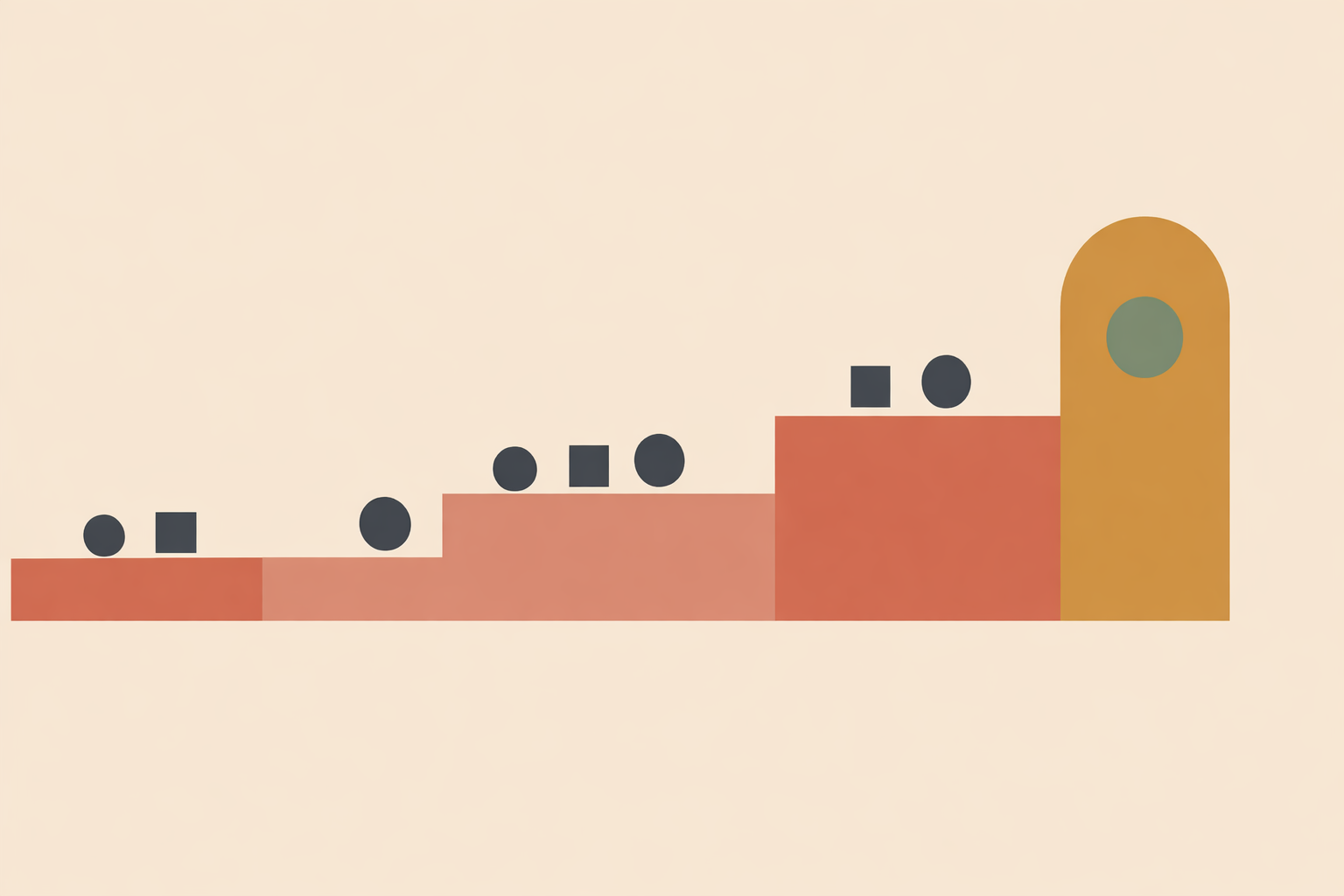
The most effective executive-function plans usually do one thing first: build a reliable path from “assignment given” to “assignment submitted.” Trying to upgrade everything at once often dilutes effort and reduces follow-through.
A practical closed-loop system might look like this:
- Capture the task before leaving class.
- Define the first physical action.
- Schedule when and where the work will happen.
- Use a simple support to stay with the task.
- Submit the work.
- Verify that it was received.
This pipeline works because it targets the exact points where grades are won or lost. For many teens, the struggle isn’t comprehension. It’s recording, starting, persisting, uploading, and checking.
A minimum effective plan is often enough:
- One capture tool.
- One weekly planning ritual.
- One short daily verification step.
- One feedback loop using the school portal or assignment system.
For many teens, smaller really is better. A simple system used daily will outperform an elaborate system used for three days and abandoned.
Why skills can improve before grades do
Grades are slow and blended. They reflect homework, tests, projects, participation, timing, and teacher policies, so they often lag behind visible improvements in organization and self-management.
Reviews of executive-function support also note limits in far transfer, meaning a skill practiced in one setting doesn’t always show up automatically in every academic outcome.
In everyday terms, a teen might get much better at using a planner and breaking tasks into steps, yet a grade stays down because of one missing major assessment, exam-heavy weighting, absences, or delayed grading. That’s why weekly “leading indicators” are so useful.
Useful indicators include:
- Assignments recorded.
- Tasks started within 24 hours.
- Completion percentage.
- Submission verification.
- Estimated versus actual work time.
- Help-seeking when stuck.
These show whether the plan is changing day-to-day behavior now, even when grades are still catching up.
Using movement, rhythm, and routine to support follow-through
Not every support has to look academic. Many traditional and culturally rooted practices help teens settle their energy before they begin work. Movement, rhythm, time outdoors, and simple rituals can make planning and persistence far more accessible.
A short walk after school, paced breathing, a transition song, a cup of tea before opening the planner, or a brief moment of prayer or intention can all signal, “Now we begin.” These practices show up across many lineages because they cultivate steadiness and readiness.
Research on exercise in young people with ADHD also suggests executive-function improvement, which aligns with what many practitioners observe when movement comes before seated work.
Environment matters too. A predictable work spot, laid-out materials, reduced visual clutter, and familiar background conditions can support attention. Some teens also concentrate better with instrumental music or other steady sound, much like the visible supports used in executive function coaching.
Fit matters most. Choose routines that feel natural to the teen and respectful of the family’s values and cultural context. If a practice comes from a specific lineage, name it accurately and use it with care; otherwise, choose a simple equivalent that supports focus without borrowing meaninglessly.
Foundational supports still matter
Executive-function coaching lands better when the basics aren’t constantly undermining the plan. Sleep, regular meals, hydration, and smoother transitions all affect readiness to plan, start, and persist with schoolwork.
These supports can sound “too basic” to matter, but they often determine whether a teen can use even a well-designed system on a hard day. Foundational supports don’t replace structure; they make structure usable.
Tracking progress without creating more pressure
A clean rhythm keeps things both accountable and kind: track behaviors weekly, and review grades over a longer arc. That way, every session doesn’t turn into a verdict on marks.
A short baseline is often enough to reveal a pattern. You might track:
- How many assignments were recorded.
- How many were started within a day.
- How many were completed.
- How many were verified as submitted.
- What got in the way when things slipped.
Then review it with the teen in a neutral tone: what helped, what snagged, and what’s worth adjusting. This builds self-awareness and ownership, which tend to outlast adult-driven monitoring.
Over time, this approach can also support broader self-management. In higher-education settings, coaching routines have been associated with students becoming more self-regulated learners, carrying useful tools beyond one class or term.
When to widen support
Sometimes a well-built executive-function plan helps, but it isn’t sufficient on its own. If a teen is facing severe emotional distress, significant school refusal, substance-related concerns, or major attendance problems, it’s appropriate to widen support.
Coaching can still play a valuable role while families also connect with school systems and other qualified forms of support. Keeping scope clear is part of ethical practice. Coaching can strengthen routines, accountability, planning, reflection, communication, and self-advocacy, and it should not be stretched beyond that.
Conclusion
Executive-function plans can improve teen grades, especially when they focus on the daily behaviors that produce points. The most reliable approach is a small closed-loop system for capturing, starting, completing, submitting, and verifying schoolwork.
It also helps to stay realistic. Grades may rise slowly, and progress can vary by class. A teen may look more consistent and capable before the report card proves it, and that progress still counts.
The strongest plans respect both evidence and lived practice. They bring structure without rigidity and support without shame, while honoring routines that make sense in the teen’s real life and culture. When that foundation is in place, grades often improve, and the teen builds steadier, more self-directed ways of working that last well beyond a single term, which is central to ADHD coach certification and broader integrative health coaching practice.
Explore ADHD Coach Certification
Build practical routines like these in the ADHD Coach certification for real-world school follow-through support.
Explore ADHD Coach →