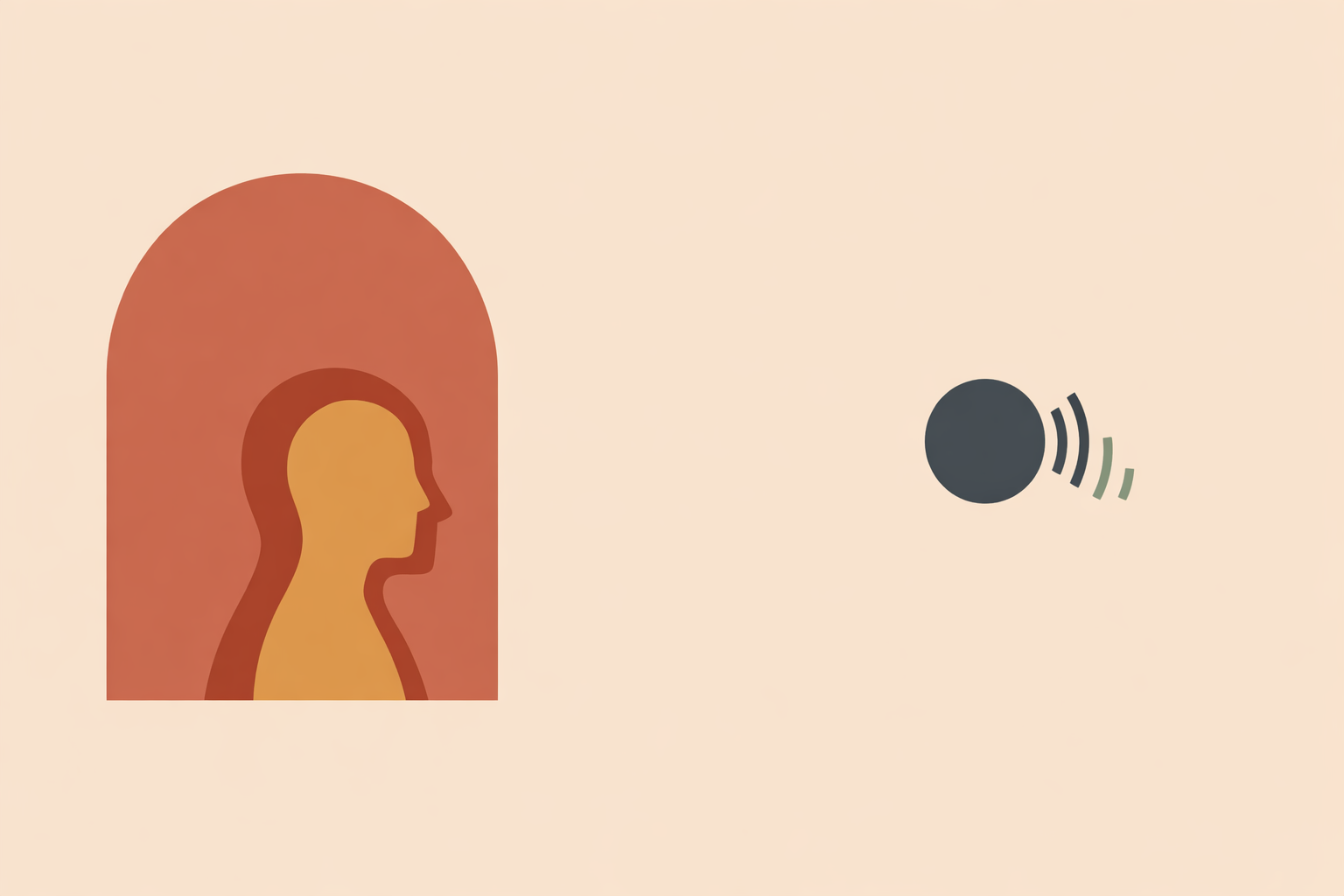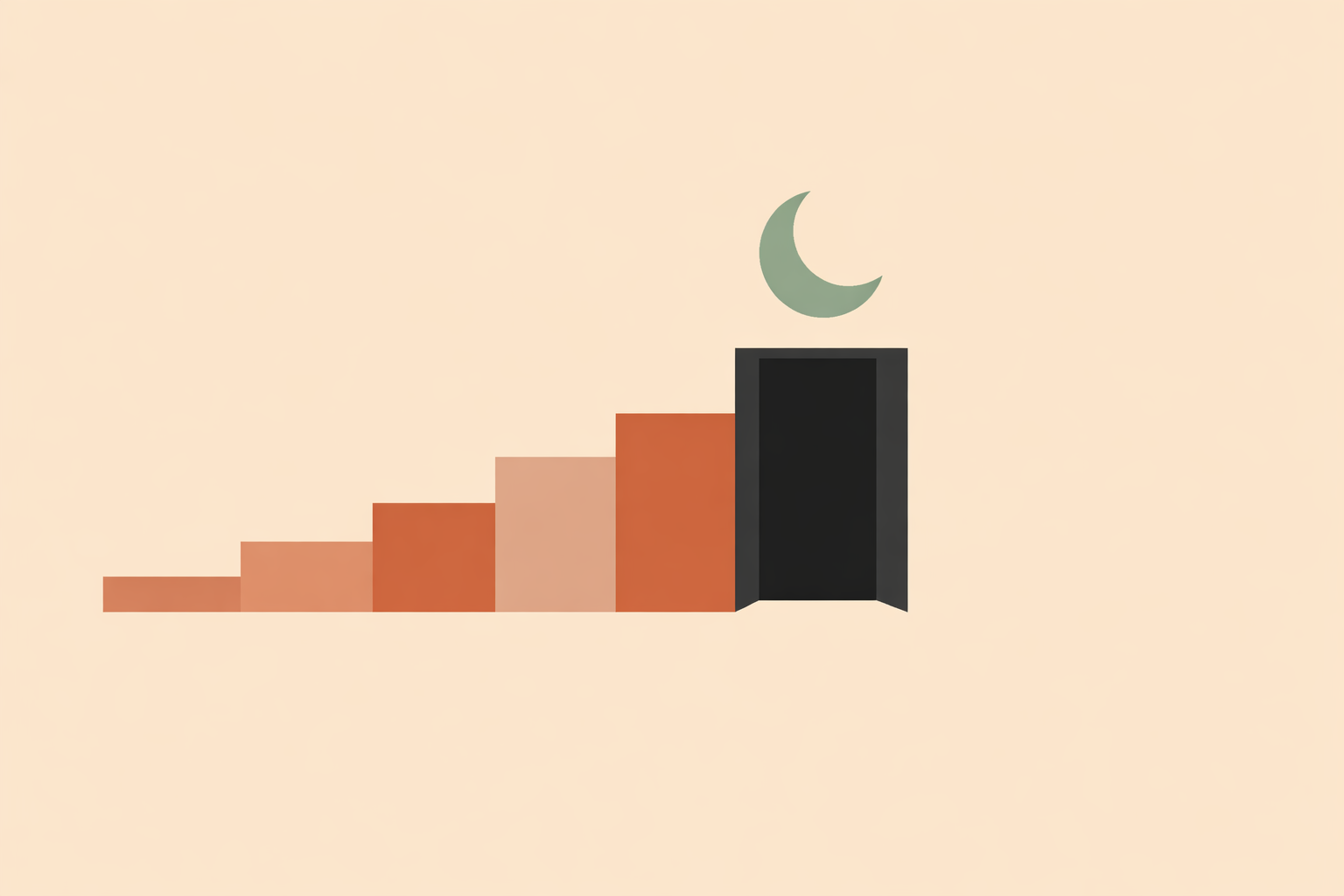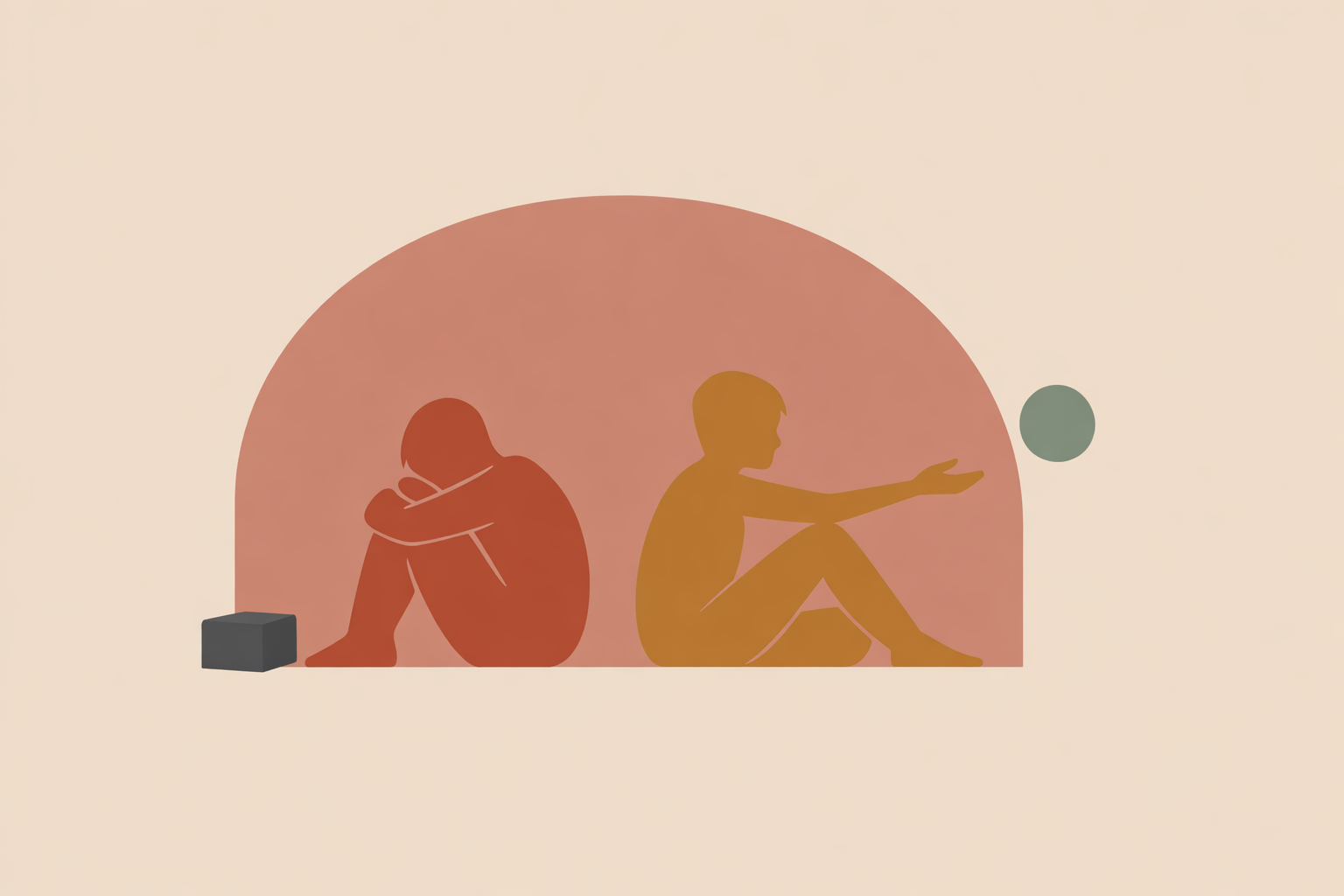
In teen self-esteem work, the default move is often more expression and more praise. In practice, that can backfire. A well-meaning prompt becomes another test, a compliment on talent fuels comparison, and a neutral question lands like a spotlight. You can see it quickly: the teen who erases within minutes, the group that freezes around “best self,” the tight smile that says, “Don’t look too closely.”
Key Takeaway: Art-based support for teen self-esteem helps most when it restores agency, protects privacy, and keeps consent central. It tends to backfire when it becomes performance, forced disclosure, or interpretation without permission. The safest frame is simple: choice before disclosure, process over product, and witnessing over evaluation.
Teen shame and self-esteem: why this work goes so deep
Adolescent shame often lands as a verdict on the whole self. Research links shame to global self-judgments, while guilt more often points to a specific action that can be repaired.
That difference changes everything. A teen may not be thinking, “I got this wrong.” They may be thinking, “I am wrong.” When that’s the inner frame, even a simple creative invitation can feel risky.
Shame also shapes behavior. It often shows up as withdrawal and avoidance, but it can hide behind perfectionism, sarcasm, social masking, or a fixed smile that keeps others at arm’s length. In art-making, shame-driven perfectionism can look like constant erasing, scrapping work, restarting repeatedly, or abandoning the page within minutes.
Many teens are already living under comparison and achievement pressure. They commonly describe pressure from others, upward comparison, and fear of failure as part of the emotional climate around perfectionism. By the time they sit down to create, it can feel like they’re being graded before they begin.
This is why verbal check-ins sometimes stall. Silence, joking, and “I don’t know” are often protection, not a lack of insight. Arts-based work helps when it gives experience another form to rest in—without demanding immediate explanations.
What art-based support can honestly offer
Creative practice can support reflection, self-awareness, emotional expression, and a steadier relationship with the self. It helps teens notice what they feel, make room for it, and relate to it with more choice.
But art materials don’t do the work on their own. The container matters: consent, privacy, pacing, and whether the young person stays in charge of meaning.
From a practitioner’s viewpoint, this is the strongest promise: arts-based sessions can create conditions where shame softens—less pressure, more authorship, and more room for complexity. That’s valuable in its own right, and it fits with longstanding traditional knowledge across cultures, where shared arts have helped people carry grief, rebuild belonging, and give form to what’s hard to say.
Clarity of role keeps the work clean and respectful. Creative coaching and arts-based well-being sessions can be powerful without reaching beyond their purpose. The guiding ethic stays steady: protect dignity, stay within scope, and let the teen decide what, if anything, becomes visible.
How art can quiet shame: externalization, agency, and a third point of focus
Art often helps because it changes the relationship between the teen and the feeling. When an experience becomes color, shape, texture, or form, it’s easier to hold and work with. The feeling has a place to go besides “inside me.”
This kind of externalization creates distance. Once something is on paper or in clay, it can be adjusted, covered, moved, titled, or left unfinished. That flexibility can loosen the sense of being trapped in a single story about the self.
There’s also the relief of a third point of focus. A page, collage board, or piece of clay gives attention somewhere to land besides direct face-to-face intensity. For many teens, that reduces felt scrutiny and lowers social threat; it becomes “let’s look at this” rather than “look at me.”
Then comes agency. Choice of materials, color, pace, silence, distance, and sharing are not small details. Each choice strengthens authorship, which is especially protective when shame is nearby.
Modern research here is still growing, and some results are encouraging. One small study found reduced shame when mindfulness was combined with art-making. That aligns with what many practitioners observe: pairing gentle grounding with symbolic expression often makes difficult feelings more workable.
A teen might paint school pressure as a storm and then add a sheltered space under a roofline or behind a hill. Nothing outside has changed, but the image offers a new inner position. That’s the rhythm of this work: small shifts in distance, choice, and relationship.
When art-making backfires: performance pressure and overexposure
The same creative process that softens shame can intensify it if the frame turns evaluative. A prompt like “show your true self” can sound inviting, yet for a shame-sensitive teen it can feel like exposure without protection.
Art-making is more likely to increase shame when teens feel pushed to perform, to reveal personal material too soon, or to tolerate being “read” by others. Youth with lower well-being have shown less interest in arts activities centered on performing to an audience or working publicly with others, which matches what many facilitators see in real rooms.
Common backfires include:
- Turning the image into something to decode rather than something the teen controls.
- Insisting on explanation for every symbol, color, or gesture.
- Praising talent in ways that fuel comparison rather than safety.
- Photographing, displaying, or sharing work without robust consent.
- Pushing for emotional intensity because stronger expression is assumed to be better.
Intensity without enough agency often leaves a teen feeling more exposed, not more supported. The same is true for praise that spotlights giftedness. Process-focused comments tend to protect dignity better because they reinforce boundaries, decisions, and effort rather than rank.
When a prompt freezes the room, lowering the stakes usually works better than pushing. Shift toward symbol, abstraction, private making, or simple sensory play with materials, as in stress-relief art therapy. When pressure drops, participation often returns.
Designing safer self-esteem sessions: choice before disclosure
A reliable principle is simple: offer choices first and reflection second. That order protects dignity and makes it clear the teen has real control.
A practical session arc might look like this:
- Arrival and orientation: name the time, options, and right to pause or pass.
- Brief settling: a short sensory or breath-based arrival.
- Choice of activity: offer two or three low-pressure options.
- Making time: protect quiet and avoid hovering.
- Optional reflection: invite description or meaning only if the teen wants it.
- Closing: decide together what happens to the work next.
This structure reduces performance pressure because participation doesn’t equal confession. A teen can engage through color, arrangement, texture, or metaphor, and keep personal meaning private.
It also helps to name expectations out loud: the work won’t be graded, decoded, or shared beyond agreed boundaries. For many adolescents, that clarity is what makes creative risk feel possible.
During reflection, questions land best when they’re concrete and permission-based:
- What would you like me to notice?
- What felt easiest or hardest?
- Is there a part you want to change, cover, or keep private?
- What, if anything, feels useful to take with you?
Asking rather than interpreting keeps meaning with the young person. It reinforces that the image belongs to them, and so does the story.
Choosing mediums without turning art into a performance test
Materials are not neutral. Some lower the stakes quickly, while others invite comparison or perfectionism. When shame is close to the surface, choose for flexibility and safety, not artistic ambition.
Collage is often a strong starting point. It eases the fear of the blank page, supports symbolism, and doesn’t require drawing skill. For teens who freeze at “make something,” selecting and arranging can feel far more doable than creating an image from scratch.
Clay, textiles, and other tactile media can be deeply supportive. Their hands-on quality often helps teens settle faster than talk-heavy formats. Rolling, wrapping, pressing, and shaping give the body a direct way to steady.
Creative writing offers a different kind of distance. Characters, letters, dialogues, and alternate endings let a teen approach difficult material without speaking only in the first person, which preserves agency while still allowing depth.
Painting can be freeing when the invitation emphasizes mood over accuracy. If the task becomes “make it look real,” self-critique often spikes and the page turns into a skill test. Prompts focused on color, movement, contrast, weather, texture, or feeling usually keep things safer.
Context matters too. A highly visible medium in a group can create more tension than a private collage board or a small clay form. The best choice is the one that asks the least from this teen today.
Digital art also has two sides. It can support privacy, control, and experimentation when editability and anonymity are central. It can also intensify comparison when the frame slides toward posting, likes, or public visibility. Used well, it expands choice.
Groups, online spaces, and cultural frames
Group art-making can reduce shame-related isolation. A teen who quietly believes “it’s only me” often feels relief when others also work with uncertainty and mixed feelings. More broadly, arts engagement has been linked with adolescent well-being, and many community-based programs see confidence grow when the group process is held with care.
Groups can also intensify comparison quickly. Without clear norms, a room can shift from witnessing to ranking, even when no one intends it.
Useful group norms include:
- No forced sharing.
- No unsolicited interpretation.
- No criticism of artistic ability.
- Feedback stays descriptive and respectful.
- Privacy expectations are named clearly and revisited often.
Public sharing, photographing, or displaying teen artwork without robust consent increases the risk of overexposure, especially in schools and group spaces. Even when the intention is to celebrate, the impact can feel like unwanted visibility. Consent needs to be active, specific, and revisitable.
Online sessions call for the same care, with extra attention to privacy. Screenshots, family interruptions, visible backgrounds, and uncertainty about who’s nearby all shape safety. Small agreements help: first names only, headphone use, camera choices, private storage of images, and clear rules around recording.
Cultural context belongs at the center. Symbols, colors, bodies, privacy, and family visibility carry different meanings across communities. Respectful questions usually serve better than assumptions. Traditional and community arts have long helped adolescents and families transform shame and grief into belonging across generations, and the work stays strongest when lineage is honored rather than borrowed out of context.
Closing perspective: when art supports teen self-esteem well
Arts-based self-esteem work supports teens best when it restores choice, reduces scrutiny, and protects privacy. It loses its supportive power when it asks for performance, premature disclosure, or visible success.
The core practice stays clear: lower the stakes, widen the options, let the image carry some of the weight, and keep meaning in the teen’s hands. In that kind of space, shame often loosens enough for something else to appear: curiosity, relief, play, anger with edges, or a more forgiving view of the self.
While the modern evidence base is still uneven, practitioner experience, traditional knowledge, and emerging research point in the same direction. Create more choice, and self-esteem work becomes possible. For practitioners building skills in creative and expressive therapies, a key caution is worth holding until the end: protect privacy carefully, avoid interpretation without permission, and keep consent revisitable so the creative space stays genuinely safe.
Explore Therapeutic Arts Certification
Learn to hold safer, consent-centered creative spaces with Therapeutic Arts Certification.
Explore Therapeutic Arts →