


Many longevity coaches first meet “neuroplasticity” through marketing. A client in their 60s asks whether a brain app will help memory. You suggest puzzles, walking, or balance drills and hope consistency follows. Then comes the familiar gap: early motivation, weak carryover into daily life, and a quiet doubt—on both sides—about whether change is still available.
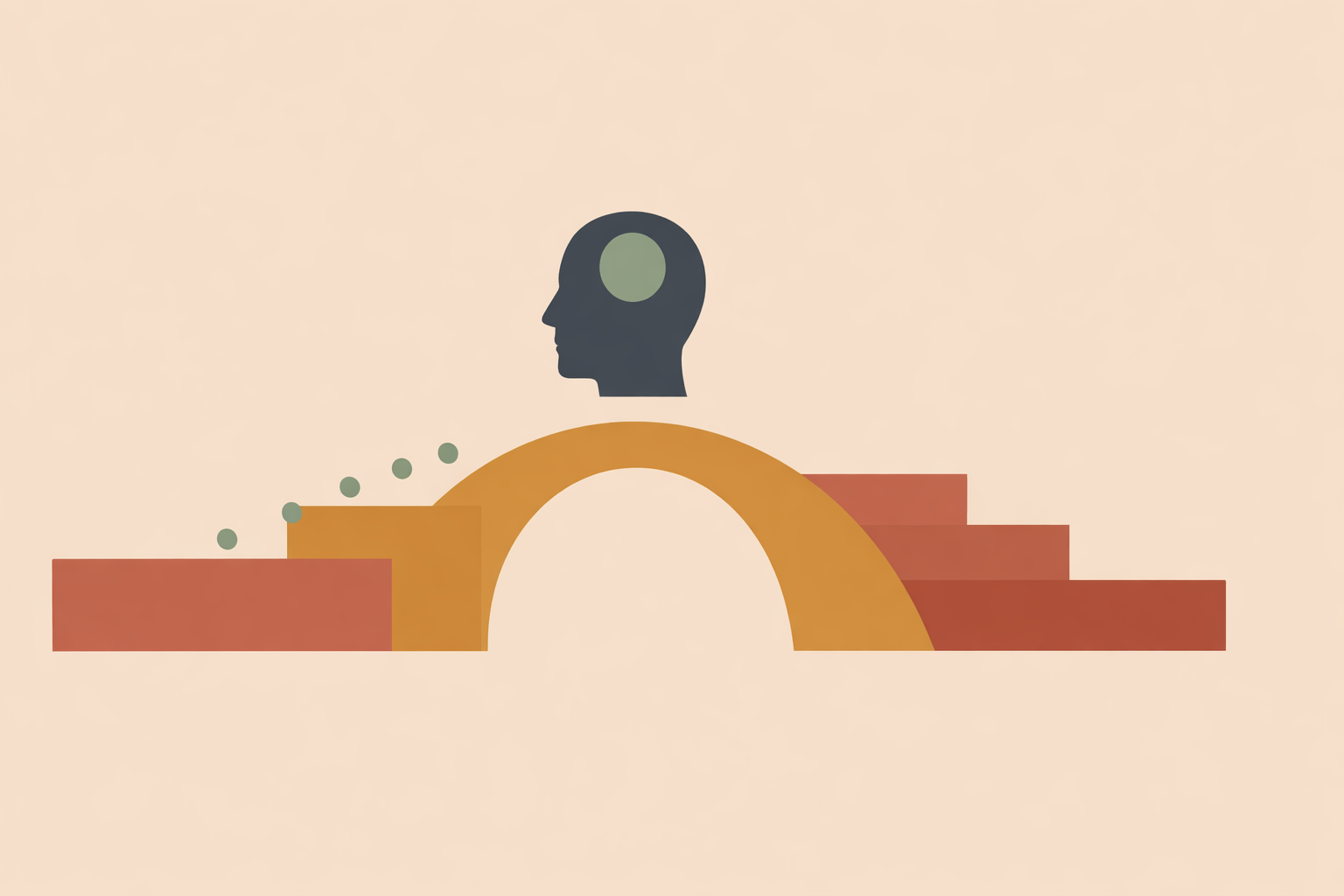
A more useful starting point is practical: change in later life is real, and it responds best to the conditions around practice. When repetition, recovery, relevance, and safety are in place, and you train a named ability that matters in everyday living, progress becomes much easier to support.
Key Takeaway: Neuroplasticity in older adults becomes practical when you coach specific abilities under the right conditions. The strongest plans replace decline-first thinking with a capacity-and-context mindset, train meaningful skills rather than vague “brain training,” address beliefs that lower effort, blend movement with learning, build habits through cues and environment, and support consistency through recovery, community, and purpose.
Shift 1: Replace “Too Old to Change” With a Capacity-and-Context Mindset
Older adults can still learn, adapt, and build skill. What changes is the setup that helps learning stick. In later life, neuroplastic change is more likely when practice is specific, repeated, relevant, and safely progressed.
This offers a strong coaching lens: start from capacity, then shape the context so progress can land. That often means smaller steps, clearer feedback, more repetition, and more recovery between harder efforts.
Traditional lineages have long treated elders as carriers of skill, rhythm, and story. That viewpoint reflects lived, applied wisdom: growth continues when it’s paced well and rooted in purpose, not rushed to meet an arbitrary standard.
A first-session reframe can be as direct as this: “Your nervous system still learns. We’ll choose goals that matter to you and build the conditions that help progress take hold.”
- More repetition: shorter drills, practiced more often
- More recovery: easier days between more demanding sessions
- More relevance: every exercise tied to a real-life outcome
- More safety: enough support that effort feels possible, not threatening
Shift 2: Train Specific Abilities, Not Generic “Brain Health”
The most reliable progress comes from training named abilities. Instead of aiming for “better balance” or “sharper thinking,” define success in daily life: carrying shopping up one flight of stairs, stepping onto a curb with more control, joining a video call without help, or standing to get dressed without sitting down.
This matters because skill-building in older adults is highly specific. Across many domains, new skills can still be learned, even if progress is sometimes slower than earlier in life.
Use that specificity as a design advantage. When the target is clear, practice can match it, and the client can feel what’s changing.
Try building every plan around four points:
- Ability: What exactly are we improving?
- Meaning: Why does this matter to the client?
- Practice: What drills or routines support it?
- Measure: How will we know it is improving?
For example:
- Ability: Stand to put on trousers without sitting
- Meaning: More ease and dignity in the morning
- Practice: Supported single-leg stance, sit-to-stand, weight shifts
- Measure: Fewer hand contacts on the counter over time
When the win is specific, confidence tends to spread into other areas.
Shift 3: Work With Beliefs Before You Push for Performance
Many older clients arrive with decline stories already in place. They’ve heard them from family, media, and wider culture, and they shape effort and consistency long before any plan begins.
Early sessions should uncover the client’s story about aging and change, then guide it toward lived evidence.
You can start with simple questions:
- “What have you been told about getting older and learning new skills?”
- “What feels easier now than you expected?”
- “Where do you feel doubtful?”
- “What would help this feel safe enough to try?”
Then turn belief into experiment. If someone says, “I’m too old to improve my balance,” don’t debate it. Offer a small, well-supported drill and let direct experience do some of the teaching.
- Set a confidence score from 0–10
- Practice one gentle task for a minute or two
- Notice what became more stable, smooth, or familiar
- Re-rate confidence
That small shift changes the emotional context around future practice.
Many older learners also do better when transitions are slower, steps are written down, and questions are welcomed without embarrassment. That’s not over-accommodation. It’s respectful coaching.
Shift 4: Use Movement as a Learning Tool
Movement is one of the richest ways to support adaptation in later life because it trains coordination, timing, attention, confidence, and perception alongside strength. These are exactly the qualities everyday life asks for.
The strongest plans are usually multicomponent. Rather than choosing only walking, only strength work, or only balance drills, blend them across the week, as you might in longevity and biohacking coaching.
A balanced weekly structure might include:
- Strength: sit-to-stand, supported split squats, band rows, wall push-ups
- Aerobic work: walking, cycling, or steady rhythmic movement
- Balance and coordination: tandem walking, step-overs, weight shifts, turning practice
- Mind-body practice: tai chi, qigong, yoga, or traditional dance
Mind-body practices deserve special attention. They bring rhythm, breath, attention, and controlled weight shift together in a way many older adults find approachable and sustaining. They can also reconnect people to cultural forms of movement that feel meaningful.
Keep progression modest and visible:
- Week 1: supported sit-to-stand and countertop balance work
- Week 2: slightly deeper range or fewer hand contacts
- Week 3: add a carry, turn, or step task
- Week 4: rehearse the skill in the real setting where it matters
The goal is useful adaptation that carries into the client’s day.
Shift 5: Build Learning Through Repetition, Cues, and Context
Practice works better when it’s designed, not improvised. In older adults, learning potential improves when challenge and context are aligned rather than left to chance.
So you’re not only coaching exercises; you’re coaching the conditions that make follow-through more likely.
Four elements are especially helpful:
- Graded challenge: begin with support, then reduce it gradually
- Short, repeated sessions: brief regular practice usually beats occasional long sessions
- Clear cues: tie practice to a time, place, or existing routine
- Environmental design: make the desired action easier to start
For example, if a client is learning a home movement routine:
- Write the steps down
- Keep the resistance band visible
- Attach the practice to breakfast or an afternoon tea break
- Use the same location each time
- Track completion on paper, not from memory
A simple habit card can be enough:
- When: Monday, Wednesday, Friday at 9:30
- Where: bedroom doorway
- What: 10 rows, 10 wall push-ups, 10 sit-to-stands
- Cue: band hung up and mat laid out by 9:00
- Reward: mark the calendar and message a friend on Friday
When repetition and context fit, the gains hold more reliably.
Shift 6: Support Recovery, Community, and Purpose
Practice alone is not the whole story. New patterns settle best when the wider rhythm supports them: rest, belonging, and meaning.
Sleep is part of that rhythm. After poor sleep, attention drops and practice quality changes. After steadier sleep, people often feel more capable of learning and repeating a skill.
A simple two-week sleep reset might include:
- Wake within the same general window each day
- Get outdoor light in the morning
- Keep a consistent wind-down routine
- Use a few minutes of slow breathing before bed
Community matters too. People often stay more consistent when someone expects them, greets them, or practices beside them. Community classes can also reduce isolation, which is one reason they’re valuable beyond the activity itself.
Encourage clients to choose low-friction forms of connection, especially when loneliness in older adults is part of what’s undermining consistency:
- a walking partner
- a community center class
- a choir or dance group
- a regular stretching or movement circle
- a weekly check-in with a friend
Finally, connect practice to purpose. Gains last longer when the client knows what they are for: gardening without fear, walking to the market, kneeling for prayer, dancing at a family event, or having enough steadiness to carry a grandchild’s bag.
Meaning gives practice weight. It makes effort worth repeating.
Conclusion: A Better Way to Coach Neuroplasticity in Older Adults
Neuroplasticity in later life is a practical coaching principle. When you target specific abilities, shape the learning conditions, and respect the client’s pace, meaningful change becomes easier to support.
The clearest coaching shifts are these:
- Start from capacity, then adjust the context
- Train real-life skills, not vague concepts
- Address beliefs that lower effort before they harden into disengagement
- Use movement as a learning tool, not just an activity
- Design habits through repetition, cues, and environment
- Protect recovery, community, and personal meaning
Progress won’t always be linear. Confidence may rise before performance does, and consistency can wobble before it strengthens. Your role is to keep the plan measurable, humane, and adaptable, whether you’re working in general longevity and biohacking practice or more specifically through longevity coach certification training.
In the end, neuroplasticity changes how you pace, what you target, and how you support follow-through. It invites older adults to keep building capacity, one specific, meaningful ability at a time.
Explore Longevity Coach Certification
Apply these neuroplasticity coaching shifts in practice through the Longevity Coach Certification.
Explore Longevity Coach →










