Practitioners often blend emotional intelligence and social intelligence into one broad idea. In real work, that shortcut creates vague goals and fuzzy feedback. One person regulates themselves well but still misses what a group is signaling. Another reads power dynamics accurately while resentment keeps building underneath. When the exact capacity isn’t named, practice slows and accountability gets unclear.
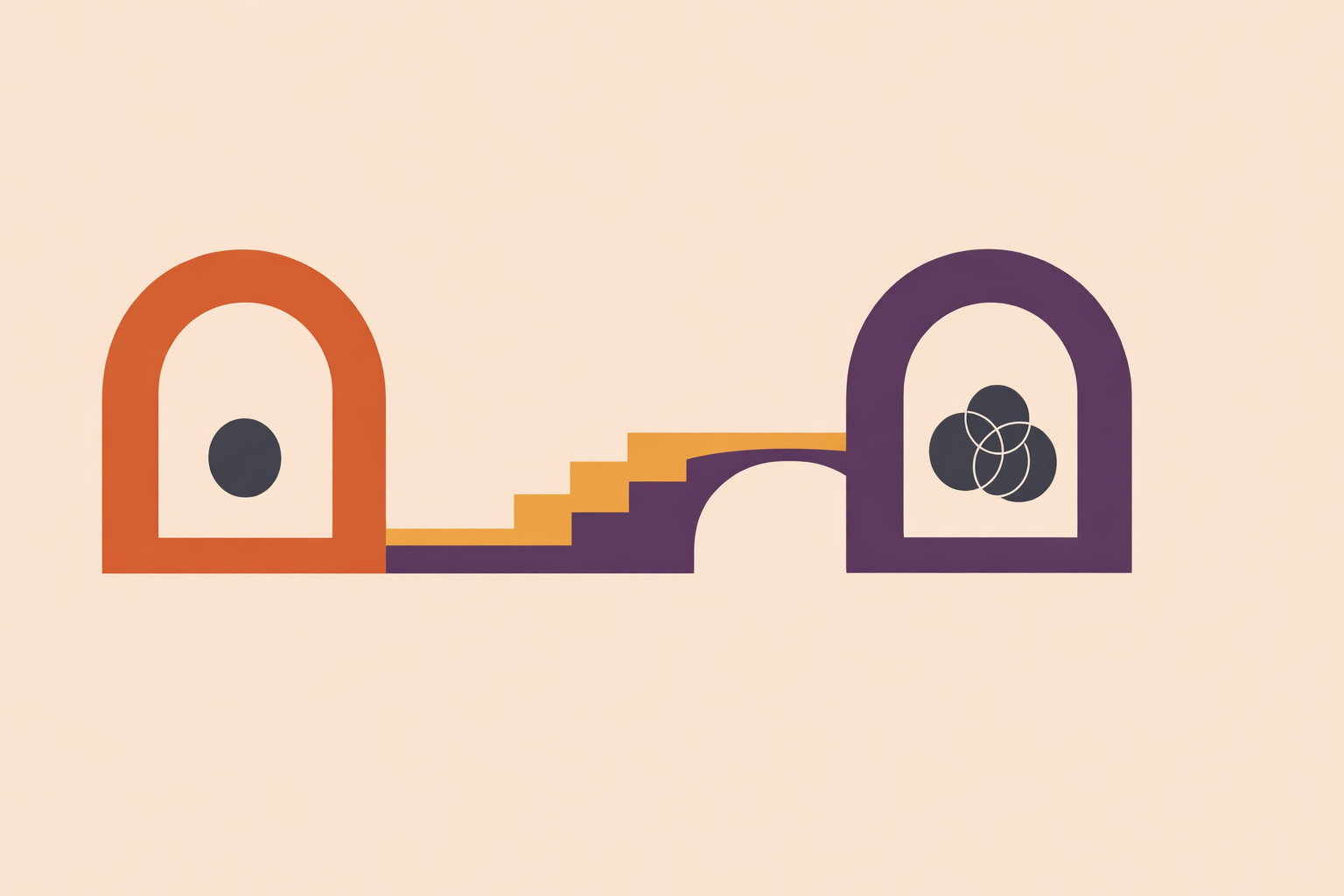
The distinction is straightforward. Emotional intelligence is inward-to-outward: self-awareness, body awareness, regulation, and values-aligned choice. Social intelligence is relational: sensing context, culture, and power, then communicating in ways that are ethical, effective, and proportionate.
Key Takeaway: Emotional intelligence helps people steady and understand their inner state; social intelligence helps them read the room and respond wisely within relationships, culture, and power. Separating the two leads to clearer feedback, more practical coaching, and stronger everyday communication.
Emotional intelligence: working with your inner state
Emotional intelligence starts before speech. It begins with noticing: heat in the chest, a tight jaw, a rush to defend, or the urge to shut down. EI is the capacity to recognize what’s happening, name it clearly, settle enough to choose, and respond in a way that reflects your values rather than your first impulse.
In practice, emotional intelligence includes:
- Self-awareness: noticing thoughts, emotions, assumptions, and patterns
- Somatic awareness: tracking breath, posture, tension, temperature, and activation
- Regulation: creating enough steadiness to respond rather than react
- Values-aligned choice: acting in a way that fits who you want to be
These capacities strengthen with repetition. A review of EI interventions reported training effectiveness, which matches what many practitioners observe in everyday coaching: inner skills grow through practice, reflection, and feedback.
Traditional lineages have long treated inner steadiness as the root of wise action. Many cultures hold practices for settling the body before speaking, softening reactivity before decisions, and returning attention to breath, posture, rhythm, or silence before engaging. The language differs, but the principle is steady: regulate inside to act with more care outside.
A simple EI micro-practice is Name-Locate-Choose:
- Name the emotion: frustration, fear, shame, urgency
- Locate it in the body: throat, jaw, chest, belly, shoulders
- Choose the next response based on values, not momentum
Example: “I feel frustration. It is sitting in my jaw and breath. I am going to send a brief holding reply now and return when I can speak clearly.”
Social intelligence: reading the room and the wider context
Social intelligence is not about defaulting to “nice.” Under pressure, politeness can become avoidance, while the real skill is accurate reading. SI is the ability to sense context, culture, roles, history, and power, then adapt communication in a way that respects the whole field.
In practice, social intelligence involves:
- Reading roles and power relationships
- Sensing explicit and unspoken norms
- Recognizing timing and channel fit
- Adjusting tone, pacing, and language without losing integrity
- Communicating with respect, consent, and proportion
This is where cultural humility becomes essential. Eye contact, silence, directness, speed, warmth, and formality don’t carry one universal meaning. What reads as confidence in one context may read as disregard in another. Social intelligence grows when people treat their own norm as one option, not the default standard.
A practical tool here is the context triangle:
- Who is present, and what roles or power dynamics are active?
- What norms, histories, or sensitivities shape this interaction?
- What channel and timing best fit the stakes?
That brief pause can change how a message lands. Something that would go badly in a public channel may become collaborative in a private one. Feedback that would feel abrupt may be better received after consent is established.
- Simple SI phrase: “Is now a good time for feedback, or would another time work better?”
Where emotional and social intelligence overlap
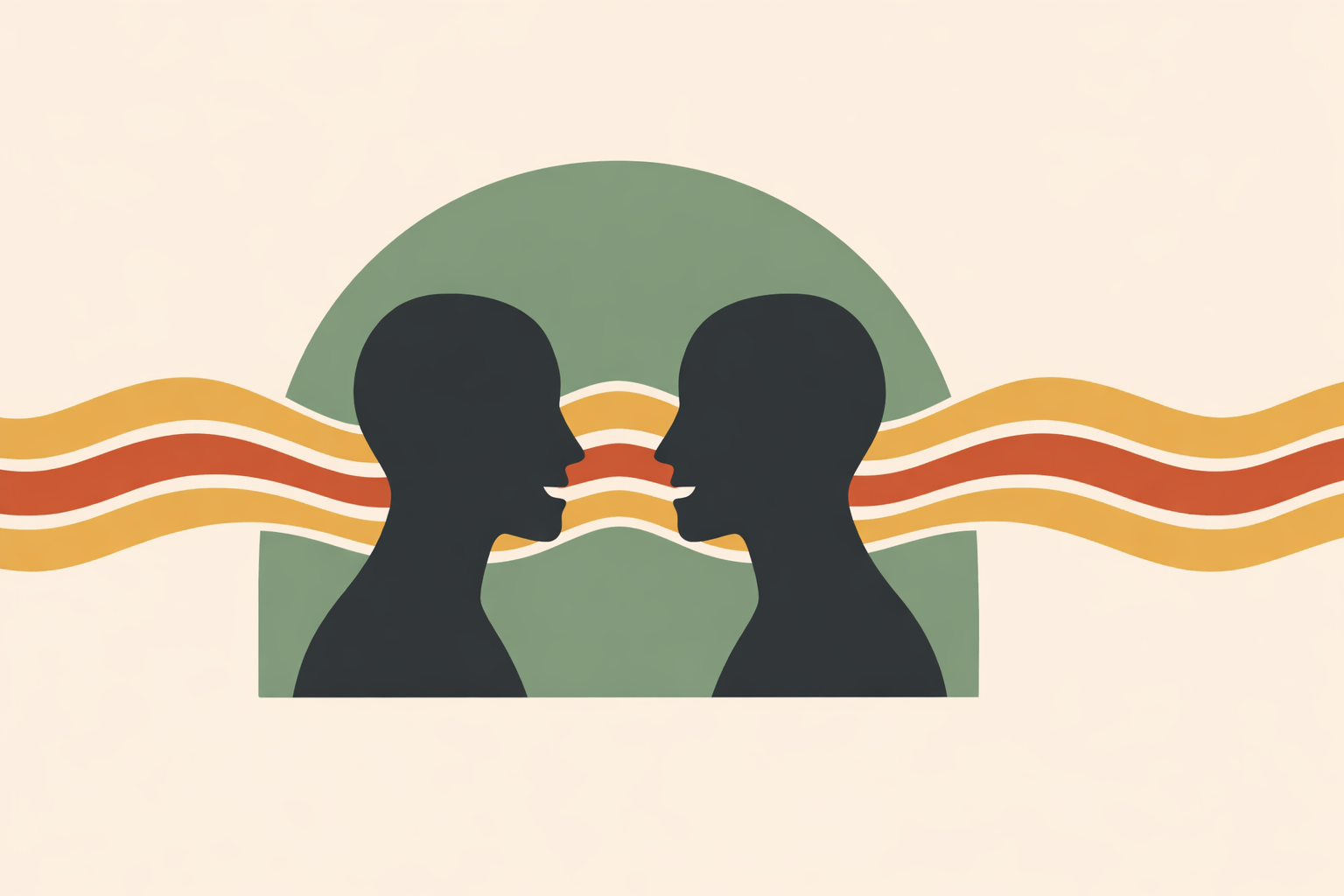
Emotional intelligence and social intelligence are distinct, and they often meet through empathy. Empathy helps a person track their own activation while also noticing how words, tone, silence, and timing are affecting others.
That overlap is why the two can feel hard to separate in real time. In a tense interaction, inner state and group dynamics move together. You’re tracking breath, tone, and impulse while also watching facial shifts, hierarchy, timing, and the emotional temperature in the room.
Some scholars even frame EI as part of social intelligence, especially when feelings guide action in relationship. Even so, keeping the distinction is useful for clearer feedback and more targeted practice.
Empathy also needs boundaries. Without them, emotionally attuned people can drift into overload, over-responsibility, or energetic enmeshment. A steady reflection supports balance: What is mine to carry here, and what belongs to the other person, the team, or the wider system?
Two workplace examples: one moment, two different skills
Consider a terse message from Finance: “Need revised numbers by 2 p.m.” Your body tightens and irritation rises.
Emotional intelligence comes first. You notice the surge, name the impulse to snap back, feel the tension in your throat and jaw, and pause. You choose a steadier reply instead of a reactive one.
Social intelligence comes next. You consider month-end pressure, that team’s norms, the best channel, and the possibility that urgency reflects workflow rather than disrespect. You respond to context, not tone alone.
Another example: during a stand-up, a junior colleague is interrupted twice.
EI helps you steady your own activation so you don’t escalate from heat. SI helps you intervene in a way that protects the group space. You might say, “Let’s pause for a moment. I want to make sure we hear Priya’s point before moving on.”
- Quick EI checklist: Feel it, name it, notice the urge, choose the value, respond, review
- Quick SI checklist: Observe, check context, clarify meaning, match the channel, respond proportionately, repair if needed
Common imbalances: strong EI with weak SI, or the reverse
One common pattern is strong inner awareness with weak relational adaptation. A person can track emotion accurately and regulate well, yet still miss group dynamics, power cues, or cultural context. They stay steady, but out of sync.
In coaching, the move is outward curiosity. Ask:
- Whose voice is missing here?
- How might this land for someone in a different role?
- What power dynamics are shaping the interaction?
The reverse pattern is also common: polished social performance with limited self-awareness underneath. Someone can read a room and manage impressions while frustration, anxiety, or resentment simmers below the surface.
Over time, that emotional labor can become brittle, especially in roles requiring constant warmth, patience, or composure. It can look functional from the outside while becoming increasingly costly on the inside.
Boundaries help in both directions. They prevent empathic overload, reduce over-functioning, and support cleaner roles. Four grounding questions are often enough:
- What belongs to me?
- What belongs to them?
- What is my role here?
- What support is appropriate in this context?
Culture, power, neurodiversity, and trauma-aware practice
Emotional and social intelligence never show up in a vacuum. Culture, language, accessibility, neurodiversity, gender expectations, power, and local norms shape how these skills are expressed and interpreted.
That’s why behavior is easy to misread. Raised voices may signal care in one environment and disrespect in another. Silence may reflect reflection, caution, hierarchy, discomfort, or a processing style. Directness may feel efficient to one person and jarring to another.
Neurodivergent traits call for extra care in interpretation. Limited eye contact, reduced facial expressiveness, or literal phrasing are not reliable standalone signs of low empathy, indifference, or low commitment. Social intelligence here includes checking assumptions and designing communication that makes room for differences.
Trauma imprinting can heighten sensitivity to threat in workplace interactions. A trauma-aware stance does not require guessing anyone’s history. It means shaping interactions around safety, choice, collaboration, trust, and empowerment.
Many traditional and community-rooted ways of gathering already reflect this wisdom: pacing the conversation, honoring consent, making room for silence, using clear turn-taking, and creating enough steadiness for each voice to enter with dignity.
- Facilitator move: “We are going to slow the pace, hear one person at a time, and leave room for pause if anyone needs it.”
How to build EI and SI in everyday practice
Most growth in EI and SI comes from small, consistent practice rather than one-off insight. Repetition matters more than intensity. The aim is not perfect composure. It is stronger awareness, better choices, and cleaner repair over time.
EI micro-practices
- Take two breaths before replying to any charged message
- Name one emotion each day and locate it in the body
- Map recurring triggers and pair each one with a steadier response
- Relax jaw, shoulders, and breath before difficult conversations
- After conflict, ask: What did I feel? What did I do? What will I adjust next time?
SI micro-practices
- Before important conversations, ask who is present, who is missing, and what power dynamics matter
- Use interpretation checks: “Here is what I heard; is that accurate?”
- Match the channel to the stakes
- Use explicit turn-taking in heated group moments
- Ask for consent before feedback or problem-solving
- Practice repair when impact and intention do not match
Evidence on EI development is encouraging. Reviews suggest these are trainable skills, and workplace interventions can strengthen emotional competencies over time.
It also helps to blend modern workplace tools with traditional practice rhythms. Breath before speech. Ground before feedback. Circle-style check-ins when tension rises. Short reflective pauses before decisions. The best practices tend to be the ones people can repeat on an ordinary day.
Conclusion: developing both without collapsing either
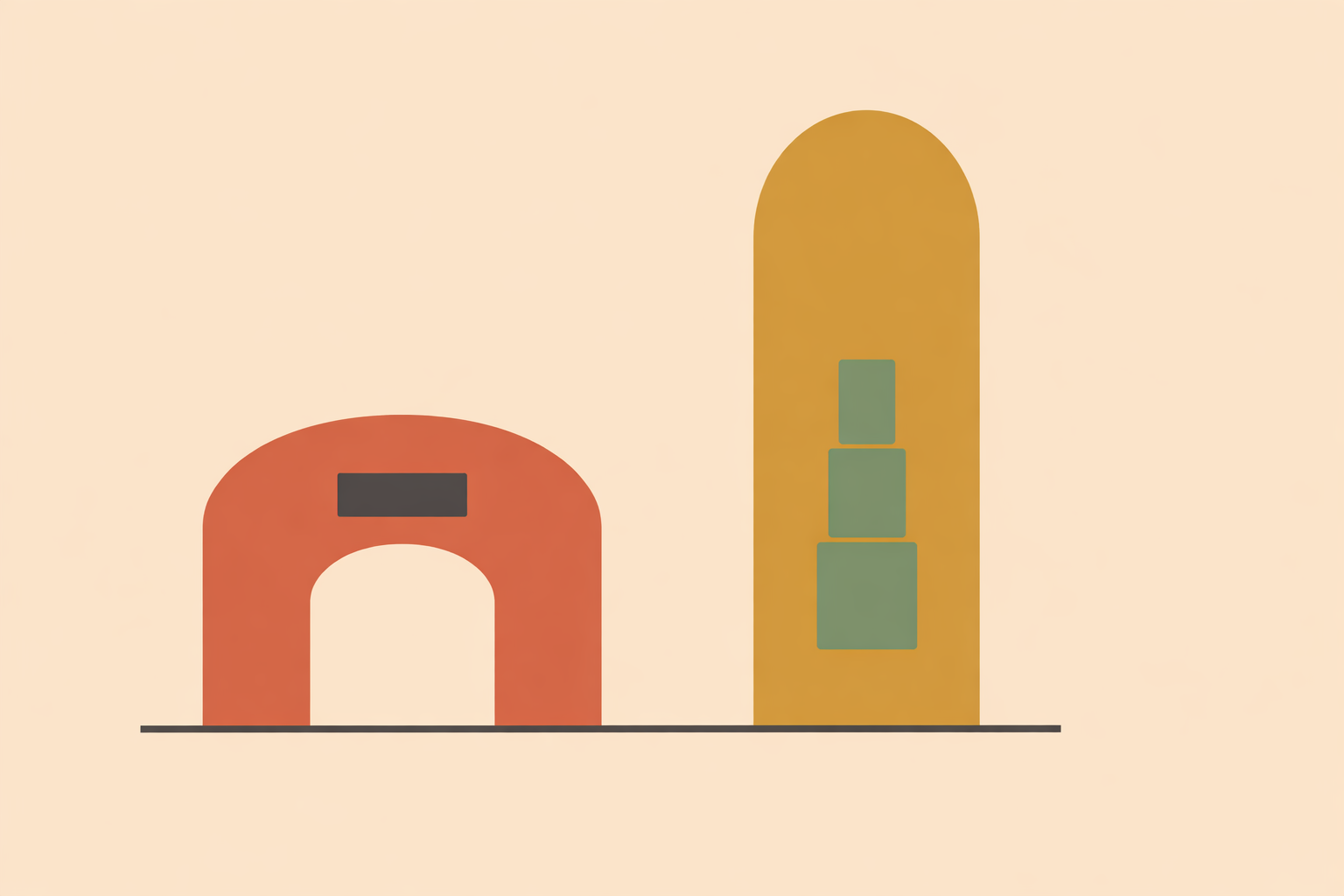
Emotional intelligence is your relationship with your own inner experience. Social intelligence is your relationship with the shared space between people. They support each other, but they are not the same.
When emotional intelligence grows, people gain more choice in how they respond. When social intelligence grows, they become more skillful in how they listen, adapt, and communicate across context, culture, and power. Together, they create steadier presence and wiser interaction.
Research points to workplace links between EI and outcomes such as commitment, satisfaction, and lower stress. Just as importantly, longstanding practitioner wisdom shows these capacities deepen through steady practice, supported by community standards, skilled facilitation, and everyday repetition.
Keep both threads alive. Build inner clarity without losing relational awareness. Read the room without abandoning your own center. With time, this integration supports more grounded, humane, and effective work, one conversation at a time.
Build Emotional Intelligence Skills
Deepen the inner-state skills you practiced here with the Emotional Intelligence Certification.
Explore Emotional Intelligence Certification →