Most equine practitioners don’t get stuck on marketing first—they get stuck on the business model. Will the work be anchored in licensed, mounted movement sessions, or in ground-based equine-assisted learning and coaching? That single choice quietly determines pricing, staffing, insurance, horse workload, and what your calendar can realistically hold.
And once you factor in inconsistent reimbursement, donor cycles, and the lure of corporate retreats, it’s easy to follow the path that looks best on paper—while stretching your horses, your facility, and your own energy too thin. The good news is that profitability becomes much simpler when you decide what you’re actually building.
Key Takeaway: Profitability in equine services comes from choosing a clear model and designing operations around horse-first capacity. Hippotherapy tends to earn through higher-fee, specialized mounted sessions with tighter staffing and funding constraints, while ground-based work can scale via groups, packages, and retreats—if facilitation, boundaries, and safety systems stay strong.
Equine therapy vs hippotherapy: what actually happens in each session
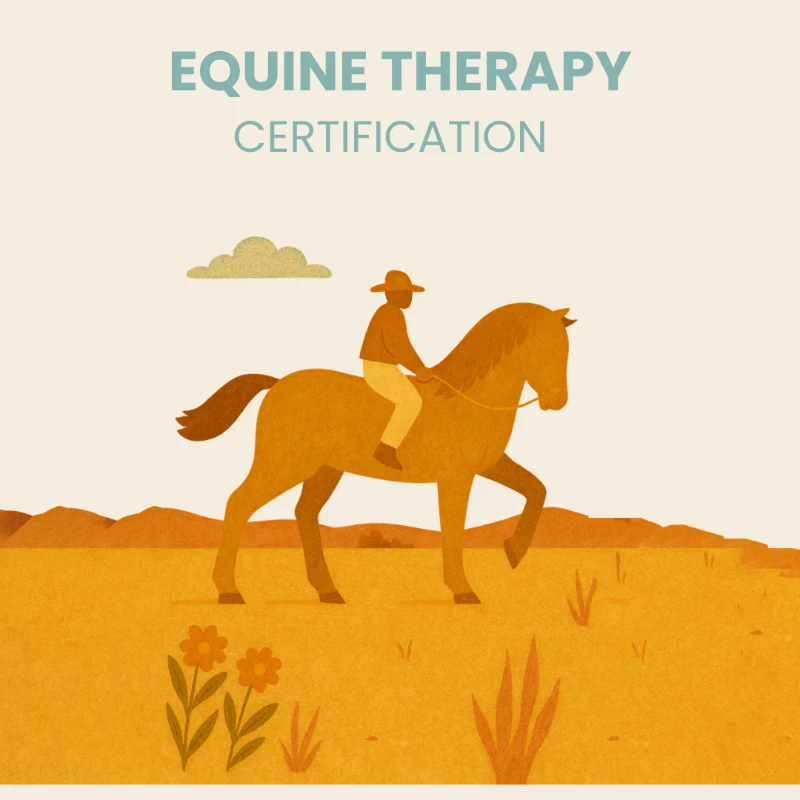
Hippotherapy centers on mounted movement to influence the body and attention; ground-based equine work centers on relational learning, presence, and communication. That distinction shapes your daily logistics and who your services naturally serve.
In hippotherapy, the horse’s rhythmic, three-dimensional walk provides sensory and motor input while the participant is mounted, guided by licensed physical, occupational, or speech professionals with specialized equine training. A 2022 paper also noted balance and posture improvements in children—exactly the kind of movement-centered progress families look for in this lane.
Ground-based equine-assisted work often includes grooming and leading, observation, and guided activities that explore trust, boundaries, emotional regulation, and relationship dynamics. A large youth study supports these non-riding approaches for psycho-social growth, which is useful context when you’re building programs for schools and communities.
Historically, mounted movement work grew from rehabilitation-focused settings, while ground-based work evolved around experiential learning and connection. Both rely on deep respect for equine perception. As Tom Dorrance reminded generations of horsepeople, “The horse’s intelligence is different from ours. They have a different way of perceiving the world.”
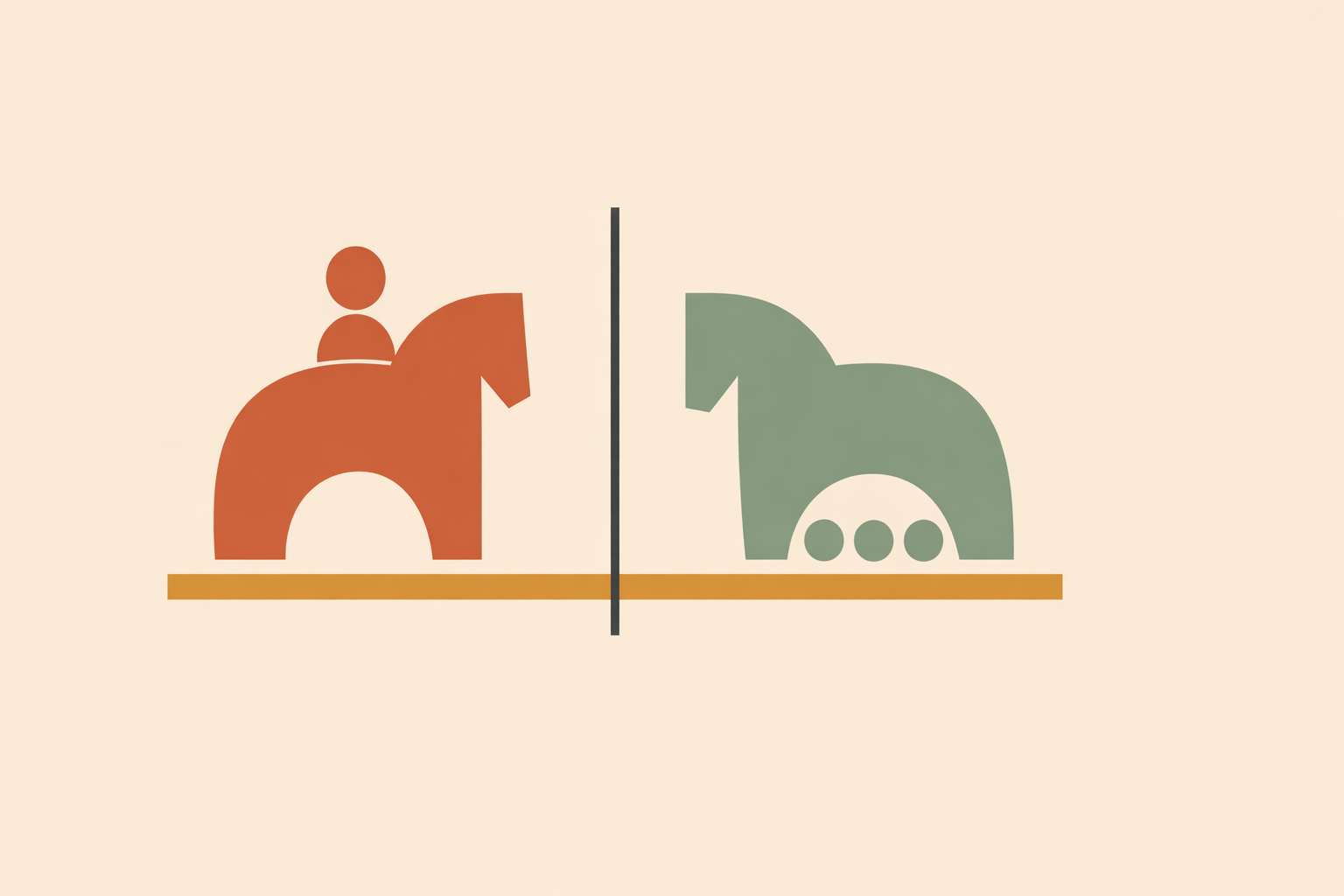
Mounted movement vs. ground-based connection
- Hippotherapy: mounted sessions at a walk; movement input for balance, posture, coordination, and attention; licensed movement professionals; specialized horses and equipment.
- Equine-assisted learning/coaching: ground-based activities; communication, boundaries, leadership, self-regulation; group-friendly formats; broader audiences (youth, families, leadership teams).
Once you name what truly happens in-session, it becomes much easier to forecast staffing, herd capacity, and realistic price points.
How hippotherapy programs earn (and where money leaks out)
Hippotherapy can command strong fees and significant community trust. The tradeoff is specialization: higher staffing demands, stricter infrastructure needs, and tighter horse capacity—so margins come from careful design, not volume.
Many mounted movement programs rely on a blended revenue model, often including grants and donations. In some regions, insurance support exists but can be inconsistent, so many centers use private-pay sessions alongside community fundraising.
It’s also common to see values-driven positioning—quality and reputation over price wars—which can support steady demand. The budget pressure tends to come from horses suitable for mounted work, licensed staffing, and adaptive equipment and access needs.
Even with higher overhead, perceived value is often extremely high. Families frequently share remarkable shifts in confidence and physical ability, which drives loyalty and referrals. As Toni Robinson said, “Horses change lives…they give us hope.”
Fees, funding, and the weight of specialization
- Income streams: private pay; limited region-specific reimbursement; grants, donations, sponsorships; seasonal showcases.
- Cost drivers: licensed staffing; trained mounted horses; adaptive equipment; mounting areas; higher insurance.
- Risk points: dependence on fundraising cycles; waitlists that outpace herd capacity; underpricing to protect access.
The practical takeaway: hippotherapy is often most stable when funding is diversified, scheduling is disciplined, and horse workload limits are treated as a non-negotiable design constraint.
How ground-based equine-assisted work earns: wider markets, different promises
Ground-based equine-assisted work often reaches wider audiences—youth, families, leadership teams, and community groups—while keeping equipment needs lighter. That usually creates more pricing and packaging options, especially in groups.
In practice, equine-assisted learning can fit naturally into leadership development, team-building, and retreat settings. Well-designed groups can also increase per-hour revenue while spreading the workload more evenly across horses—assuming you cap group size and facilitate with skill.
On the evidence-informed side, youth-focused reviews report gains in functioning, which can strengthen conversations with schools and partners. A pilot with first responders also found reductions in trauma-related scores after a ground-based series—relevant for resilience and stress-support offers.
And, consistently, participants describe improvements in communication, self-awareness, and relationship dynamics. Pat Parelli’s framing translates well across audiences: horses teach “leadership and the importance of communication.”
From youth groups to leadership retreats
- Core offers: small-group series; family sessions; first responder/wellness intensives; leadership/team retreats.
- Pricing levers: packages; premium retreats; quarterly intensives; alumni refreshers.
- Capacity tips: rotate horses; cap group size; consistent safety briefings; use co-facilitators for flow and timing.
With a clear scope and confident facilitation, ground-based work can diversify revenue without turning your operation into a high-equipment, high-overhead machine.
Costs, complexity, and risk: what each model asks of you and your herd
Both models require serious infrastructure: safety systems, legal clarity, and skilled facilitation. Mounted movement adds specialization and higher liability exposure; ground-based work demands excellent timing, observation, and boundaries—especially in group settings.
At minimum, you’ll need a solid legal setup, local compliance, appropriate coverage, and horses and facilities that match your programs. Business start-up guidance commonly points to basics like local permissions and clear operational planning. For hippotherapy, the bar rises: licensed professionals, plus horses trained for calm rhythmic work, typically mean higher staffing and insurance costs.
Ground-based programs may look simpler, but they still require refined facilitation skill—reading equine signals, guiding learning without drifting outside scope, and holding group dynamics well. Academic discussions highlight core competencies like observation and timing. And across all models, basics such as written waivers, safety procedures, and ongoing training are foundational.
Horse welfare is the real long-term profit strategy. Plan workload limits, rest days, and recovery time, and train staff to recognize subtle signals. Research in mounted contexts has tracked equine stress indicators, which can be a helpful lens when building humane schedules. Temple Grandin also captures the relational responsibility here: horses have a “remarkable ability to respond to emotion,” and they deserve handlers who respond with the same care.
Staffing, safety, and the true price of specialization
- All models: clear scope; emergency plans; waivers; consistent training; horsemanship standards; horse-first scheduling.
- Hippotherapy: licensed professionals; adaptive equipment; trained mounted horses; higher insurance; slower throughput.
- Ground-based: group scalability; lower equipment costs; facilitation mastery; strong boundary-setting in language and marketing.
Growth trends and demand in equine work
Demand continues to expand at both ends: movement-based programs that support coordination and posture, and relational programs that support resilience, communication, and leadership.
A systematic review and meta-analysis reported consistent gains in outcomes like balance, motor function, posture, gait, and quality of life from movement-based equine interventions. The 2022 Frontiers paper also noted improved well-being alongside balance and posture changes in children receiving mounted movement work—results that naturally strengthen referral pathways.
On the ground-based side, youth program summaries highlight positive effects. From a traditional practitioner’s perspective, this aligns with what horse cultures have long understood: the horse-human relationship can shape confidence, behavior, and presence in a way that’s hard to replicate elsewhere. Many organizations also pursue values-led growth through partnerships and quality rather than rapid scaling.
In coaching and professional development markets, equine-assisted learning continues to stand out as distinctive offerings for leadership development, corporate team-building, and retreats. As Dr. Allan J. Hamilton writes, horses are “divine mirrors,” reflecting inner emotional truth—language many modern clients immediately recognize in their own experience.
Evidence-informed and increasingly holistic
- Mounted movement: steady demand for coordination and balance support; family referrals; community partnerships.
- Ground-based: rising investment in resilience, communication, and leadership; growing group interest; premium retreat potential.
Hybrid and holistic models: blending bodywork, emotions, and business
Hybrid practices can honor both the body’s need for rhythmic input and the human need for connection—blending modern evidence with time-tested, traditional horsemanship values.
Both approaches come from the same ancient bond between humans and horses, one that naturally teaches mindfulness, patience, and communication. Modern studies also support improvements tied to the whole experience, including quality of life, which aligns well with what skilled practitioners have observed for years.
Success stories regularly describe people becoming calmer and more present—a sign that thoughtfully designed hybrid calendars can support body awareness and relational growth while keeping roles and scope clean. From a business perspective, case studies also show ground-based services can be sustainably diversified, which can complement the narrower capacity of mounted work.
Strategic plans often emphasize community partnerships, and hybrid design makes that easier: for example, mounted sessions during school hours, with ground-based groups and leadership intensives on evenings or select weekends. And the traditional wisdom is clear about why this works. Shannon Knapp says horses are “incredible teachers of forgiveness, acceptance, and unconditional love,” while Temple Grandin notes how they deepen “trust and empathy, and compassion.”
Designing offers that honor research and ancestral horse wisdom
- Seasonal rhythm: spring/summer youth series and school partnerships; autumn leadership retreats; winter small-group resilience labs.
- Offer ladder: intro ground session → 4–8 week series → premium retreat → alumni circles; optional mounted movement track with clear eligibility and scope.
- Horse-first operations: rotate pairs; cap sessions per horse; schedule quiet weeks; use behavioral checklists; debrief after sessions.
- Ethical marketing: promise skills and experiences (not guaranteed outcomes); explain your safety systems; share horse welfare practices.
Blend, don’t blur: keep language precise, keep scopes clean, and keep the horses at the center. That’s how hybrid models stay both impactful and financially durable.
Conclusion: equine therapy vs hippotherapy – which profit path fits your values?
Both paths can support a fulfilling, profitable practice when they match your strengths and your herd. Hippotherapy offers focused mounted movement work with strong trust and perceived value, but it demands specialized staffing, facilities, and funding agility. Ground-based equine-assisted learning and coaching opens wider markets and scales through groups and packages—while requiring excellent facilitation, strong boundaries, and horse-first scheduling.
To choose your lane, it helps to answer three questions:
- What outcomes do I most want to support? Coordinated movement and sensory input, relational skills and presence, or a clearly structured blend?
- What can my horses sustainably offer? Calm rhythmic mounted work, group-friendly ground sessions, or both with careful rotation?
- What business engine fits my season of life? Grant-supported community services, premium retreats and corporate programs, or a hybrid calendar that balances both?
If mounted work calls to you, prioritize diversified funding, price to true operating costs, and keep waitlists humane. If you’re drawn to ground-based work, build a clear program ladder and cultivate partnerships with schools, community groups, and leadership networks. If you want both, keep the blend disciplined: separate scopes, complementary schedules, shared safety standards, and unwavering care for the herd.
Finally, a grounded caution: whichever model you choose, long-term sustainability depends on clear scope, appropriate coverage, consistent safety practices, and realistic horse capacity. When you promise only what you can truly deliver—and do it with integrity—profit tends to follow as a byproduct of trust and repeat demand.
Train in Equine Therapy Practitioner
Build a clear, horse-first practice model with the Naturalistico Equine Therapy Practitioner course.
Explore Equine Therapy Practitioner →