When work starts to feel slippery, the first instinct is often to add more structure: another app, a tighter plan, a firmer check-in. Yet the same patterns return—half-finished tasks, brittle decisions, and tense exchanges that quietly drain trust. In practice, the deeper issue is usually bandwidth. When executive skills are overloaded, focus frays, plans stop updating, and reactions outrun judgment.
Key Takeaway: Executive function becomes genuinely useful at work when it is supported through simple, repeatable rhythms. That usually means protecting attention, reducing unnecessary switching, making the next step visible, using light decision structures when conditions change, and building reliable pauses that support steadier responses under pressure. The result is not perfection. It is more follow-through, more adaptable thinking, and more grounded collaboration.
Result 1: Stronger focus and follow-through at work
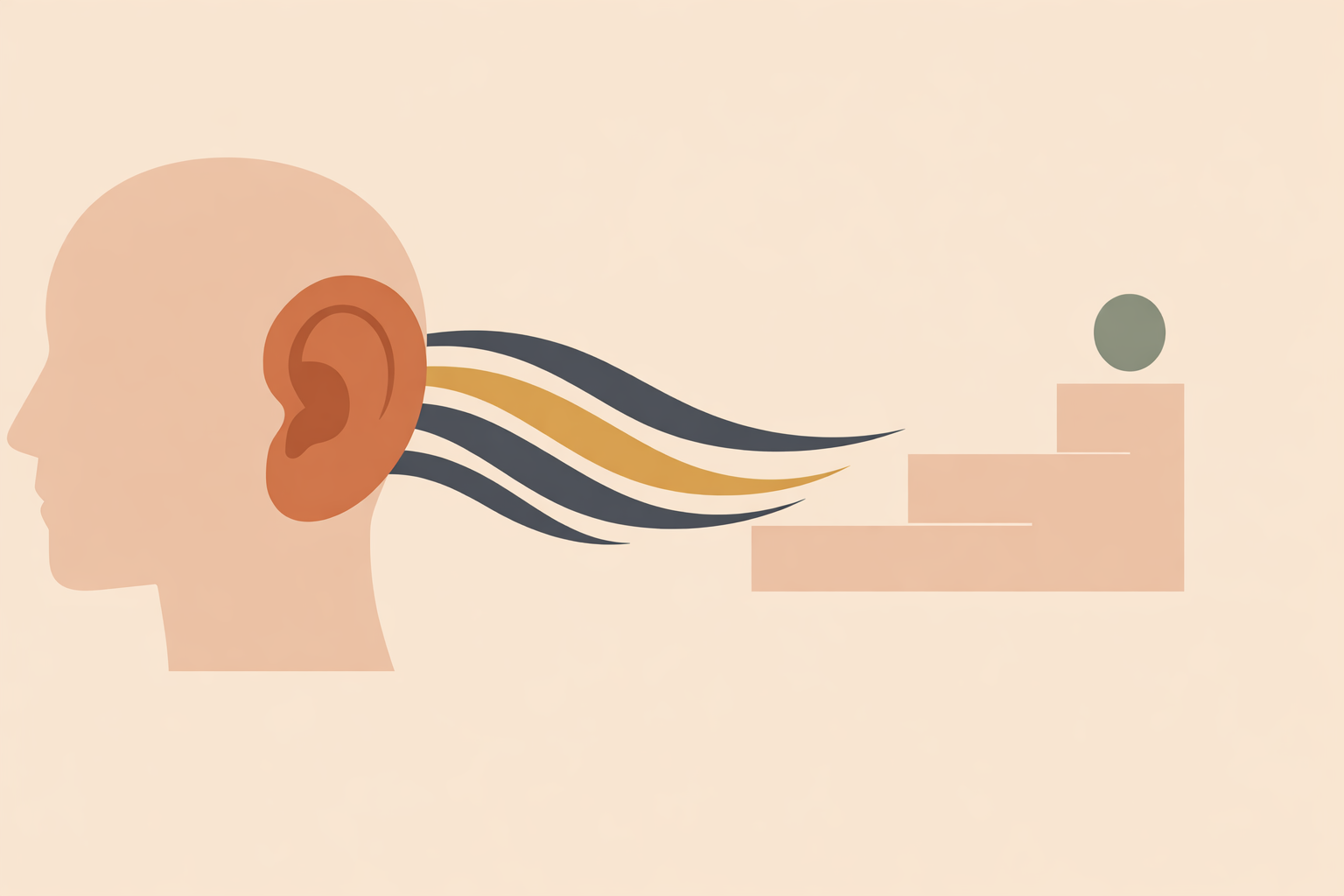
Clearer focus starts by reducing friction, not by forcing intensity. Two executive skills matter most here: inhibitory control (the ability to resist distractions) and working memory (the ability to hold the next steps in mind while you work).
In real workdays, both skills get stretched by constant switching and a pile-up of unfinished tasks. Attention residue helps explain why it can feel hard to “land” in the next task when something else is still open. Practitioners see the same pattern: too many open loops make even straightforward work feel heavier than it is.
Traditional ways of working understood this in their own language. Focused craft, seasonal rhythms, and deliberate transitions supported completion before moving on. Modern work can borrow that wisdom with lighter structures that protect attention instead of fighting the mind all day.
These three practices are simple and consistently effective:
- One work surface: For a short window, close what you do not need. Keep only what the current task requires.
- One capture list: Use a single visible place to park unrelated thoughts so they stop competing for attention.
- One visible next step: Write the next action as a verb (“draft,” “send,” “outline,” “review”) and keep it small enough to start immediately.
These supports often create a noticeable shift: less mental scattering, easier restarts after interruptions, and more tasks finished where they began. A protected work window makes this far more reliable than a vague goal to “focus more,” especially in neuroscience and brain health work.
To keep it practical, track a few markers for one week:
- How many focus windows you completed each day
- How many tasks you finished where you started
- Which avoided tasks kept resurfacing without closure
End the day with a brief closing ritual: reset the workspace and write one line on where to resume. This reduces drag without turning productivity into self-judgment and aligns well with focus and memory support.
Result 2: More flexible decision-making when conditions change
When plans stop matching reality, flexibility matters more than force. Strong executive skills help people adjust while staying oriented to what the work is really aiming to protect.
Cognitive flexibility sits at the center of this. Executive-function research often highlights working memory, inhibition, and cognitive flexibility as core processes that shape how people select and adjust behavior. In a workplace, that translates into revising a plan without tipping into confusion, rigidity, or overreaction.
Decisions also rely on emotional reading, motivation, and the ability to update when new information appears. When these capacities move together, choices become steadier and more proportionate, even under pressure.
Traditional group formats offer helpful patterns here, too. Councils, story-sharing, and ritual pauses slow premature certainty and make room for the perspective that would otherwise be crowded out. In modern teams, the same principle can be expressed in a short, respectful decision rhythm.
A useful sequence looks like this:
- Clarify the aim: Name what must be protected or achieved.
- Separate urgency from importance: Loud issues are not automatically the priority.
- List knowns and unknowns: This keeps confident guessing from posing as clarity.
- Generate options: Create a few workable paths forward.
- Choose one next move: Pick a step you can execute, not a perfect master plan.
- Set a review point: Decide in advance when you will revisit the decision.
One especially strong support is an If-Then-Adjust plan. If-then plans can strengthen follow-through, particularly when someone identifies how they will respond under pressure. In practice: “If the data changes by Wednesday, then we move to option B and inform the team that afternoon.”
An assumption log helps decisions stay flexible without becoming personal. Write down the key assumption behind a choice and the date you will revisit it. Updating becomes a normal part of good work, and people gradually loosen their attachment to appearing “right.”
Result 3: Calmer collaboration under pressure
Collaboration is often protected or lost in a very small space: the pause between trigger and response. When that pause is available, people listen better, repair faster, and stay aligned with shared aims.
Executive skills help create that pause. Inhibition interrupts the first impulse, working memory keeps the shared goal online, and flexibility helps redirect the exchange before it hardens into conflict. Context matters as well. Occupational stress and difficult working conditions can undermine cognitive functioning, which helps explain why capable people can become surprisingly reactive when strain is high.
Traditional communities have long used shared rhythms to support steadier relating: breath, silence, meals, closure, and patterned ways of returning after friction. Used respectfully, the principle is straightforward: build conditions that make better responses easier to reach.
These four tools are small enough to use when pressure is real:
- Two-breath pause: Before replying to a tense message, take two slower breaths and let the body settle before typing.
- Three-sentence loop: “Here is what I am hearing. Here is what concerns me. Here is what I want next.”
- Repair script: Pre-write one respectful reset phrase so you can access it quickly when emotions rise.
- Meeting close: End with a quick recap of decisions, ownership, and the next check-back point.
Because these tools are modest, people actually use them. That consistency is what strengthens collaboration over time.
For reflective accountability, track behaviors rather than personalities. Count interruptions, moments of summarizing before disagreeing, or repair attempts after friction. This keeps feedback grounded and avoids turning anyone into a label.
Bringing executive-function support into everyday practice
In everyday work, supported executive skills show up as three clear shifts: people finish more of what they start, adapt more smoothly when conditions change, and collaborate with more steadiness under pressure. The goal is to give capable people structures that match how attention and self-regulation work in real life.
A practical approach in sessions, supervision, or team rhythms is to choose one lever from each area, as practitioners often do in neuroscience coach certification training:
- For focus: a short protected work window, one capture list, and one visible next step
- For decisions: a brief council sequence, an assumption log, and an If-Then-Adjust plan
- For collaboration: a reliable pause, a simple repair phrase, and a clean meeting close
Keep measures small and visible: windows completed, unfinished loops reduced, review points kept, and tense exchanges repaired. Adjust with kindness and repeat what works.
These strategies work best inside a supportive environment: reasonable workloads, inclusive norms, tools that reduce friction, and shared rhythms that protect collective attention. Individual skill matters, and so does context, which is why brain health support is often broader than any single tactic.
Pick a few practices and stay with them long enough to see the pattern shift. Progress often starts with something tiny—a cleaner start, a calmer reply, a decision that gets updated without drama—and then steadiness grows from repetition.
Train Executive Skills Scientifically
Build stronger attention, decision-making, and self-regulation foundations in the Neuroscience Coach Certification.
Explore Neuroscience Coach →