Buying Lion’s Mane often looks straightforward until you compare labels side by side. Two bottles can both say Hericium erinaceus, yet one is fruiting body and the other is mycelium-on-grain. One highlights polysaccharides, while another promises “full spectrum” without explaining how it was made. If you want to choose with real intention, three details do most of the heavy lifting: the fungal part used, the extraction method, and a batch-specific COA that confirms what’s actually in the bottle.
Lion’s Mane isn’t a single, uniform material. Change the part of the fungus, and the compound profile shifts. Change the solvent, and you pull different constituents into the extract. Add a batch COA, and marketing claims turn into something you can verify. For practitioners supporting focus, steadiness, and everyday cognitive well-being, these three checks create a clean, repeatable way to choose confidently within herbalism and plant medicine.
Key Takeaway: Choosing Lion’s Mane well comes down to three label checks. First, identify the fungal part: fruiting body usually aligns with hericenones, mycelium with erinacines, while mycelium-on-grain can raise dilution questions. Second, check the extraction method: hot water tends to concentrate β‑glucans, ethanol tends to pull alcohol-soluble compounds, and dual extraction aims to bring both forward. Third, ask for a batch-specific COA that shows meaningful marker testing, β‑glucan data, and a basic safety panel. Together, these checks help you choose products with more clarity and less guesswork.
Label check 2: Extraction method
After you confirm the fungal part, look at how the product was made. Extraction isn’t a minor technicality; it strongly influences what ends up in the final jar or capsule.
In practical terms, hericenones and erinacines are more alcohol-soluble, while β‑glucans are more hot-water extractable. Solvent choice shapes the profile you’re working with.
- Hot-water-only extracts often emphasize β‑glucans and may contain lower levels of hericenones and some erinacines.
- Ethanol-only extracts can capture more alcohol-soluble compounds but may contain little β‑glucan content.
- Dual extracts combine hot water and ethanol, and are often chosen when a more balanced Lion’s Mane profile is desired.
This is why “full spectrum” language should never replace clear extraction details. If a label won’t tell you whether water, alcohol, or both were used, you’re being asked to trust a story rather than a process.
Many practitioners lean toward dual extraction as a steady, versatile option because it aims to bring β‑glucans and alcohol-soluble compounds forward together. Still, simpler extracts can be a great fit when you have a specific goal for a formula and want a more targeted profile.
When reading labels, also look for:
- The named solvents used
- An extract ratio or DER, if provided
- Clear separation between marketing language and measurable specifications
If a brand can’t clearly explain its extraction method, it’s reasonable to pause and choose a more transparent option.
Label check 3: COAs and meaningful testing
The third check is where label reading becomes verification. A batch-specific COA confirms whether the bottle in your hand matches what the brand is claiming.
This matters because packaging can sound precise while staying unproven. Marker compounds can be mentioned boldly on the front label and remain absent, unclear, or unmeasured in supporting documents. A batch COA brings the conversation back to specifics.
Batch-specific lab testing is the clearest way to confirm both compound content and baseline safety for the exact product you’re considering. A useful COA identifies the product, the lot or batch number, the testing date, and what was tested.
For practical evaluation, look for:
- Product name and matching lot or batch number
- Recent testing date
- Clear listing of what was measured
- Results shown in a way that can be interpreted without guesswork
- A basic safety panel
For safety basics, public-facing COA guidance generally treats batch IDs, dates, and baseline contaminant panels as a minimum standard. If a brand can’t show which batch was tested, when it was tested, and what it was screened for, the paperwork isn’t doing its job.
Beyond that baseline, practitioners often look for:
- HPLC or UHPLC marker testing when hericenone or erinacine potency claims are being made
- β‑glucan data rather than generic polysaccharide totals alone
- Testing that helps distinguish mushroom compounds from grain-derived starches
- Heavy metals and microbial screening as part of routine quality practice
Not every solid product presents every detail perfectly. Still, the more specific and batch-linked the testing is, the easier it becomes to stand behind a recommendation with integrity.
How to use the 3 checks in practice
Once you know what to look for, this becomes a quick routine you can repeat across brands.
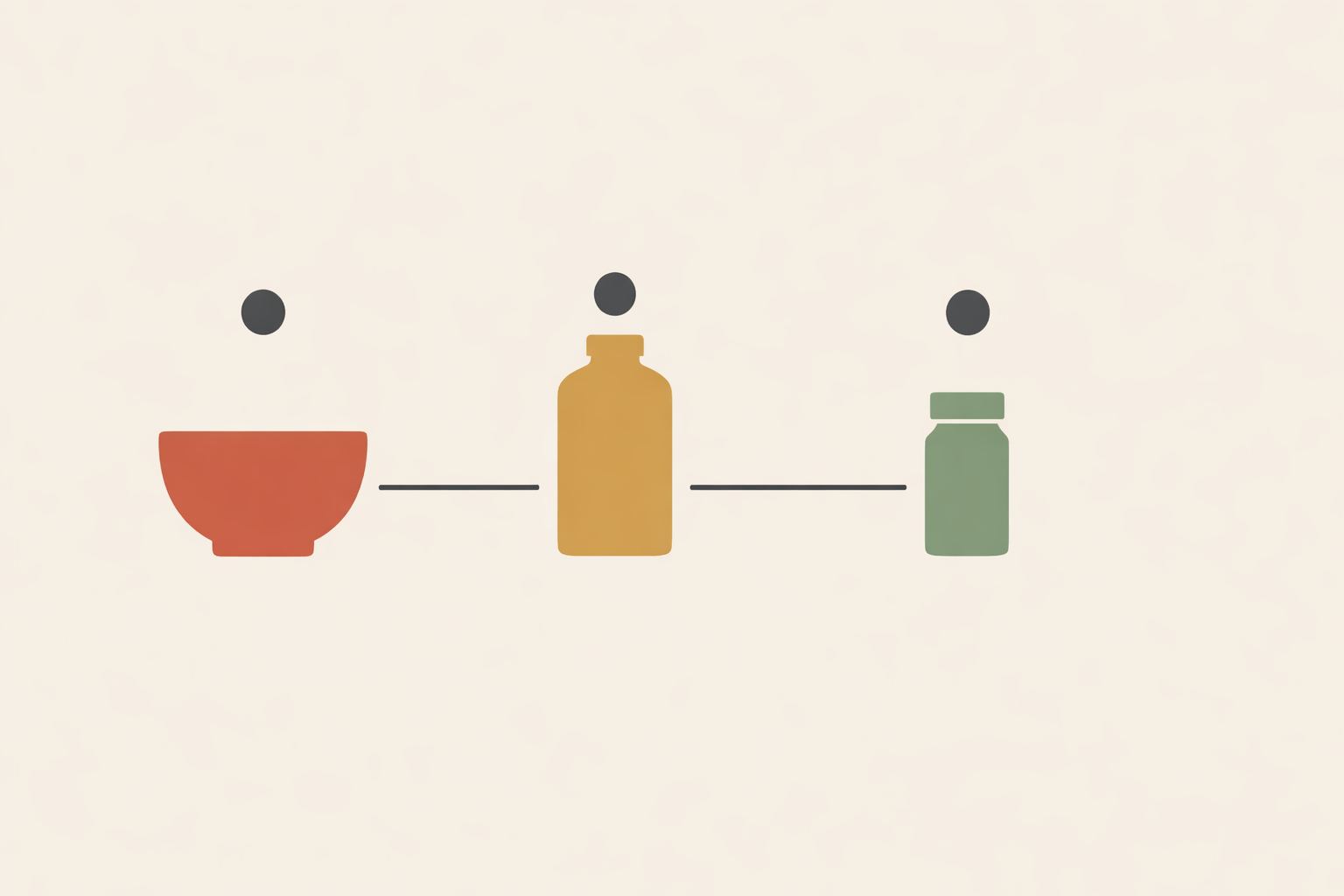
- Step 1: Name the part used. Confirm the label clearly identifies fruiting body, mycelium, or mycelium-on-grain.
- Step 2: Match the extraction style. Check that the solvents used fit the profile you want.
- Step 3: Verify the batch. Read the COA and confirm testing is recent, specific, and tied to the exact lot.
This workflow moves you away from vague promises and toward choices you can explain clearly. It also makes client conversations smoother because you’re sharing a transparent decision process, not relying on brand reputation or label aesthetics.
A practical way to phrase it is: confirm the part, confirm the extraction, then confirm the batch paperwork. It keeps decisions grounded and collaborative.
Closing perspective
Choosing Lion’s Mane well comes down to reading a few details with care. Part used, extraction method, and batch-specific testing tell you far more than loud branding ever will.
Used consistently, these checks become a calm standard of practice that honors both tradition and modern quality expectations. Traditional use reminds us that preparation shapes outcomes, and today’s testing culture makes it possible to see quality rather than assume it. As with any wellness product, individual needs vary, and it’s worth prioritizing clear sourcing, transparent labels, and sensible safety screening—especially for anyone who is pregnant, breastfeeding, managing a health condition, or using medications. For deeper medicinal mushrooms certification training, these same habits form the foundation of sound product evaluation.
Master Medicinal Mushrooms
Build stronger label-reading and extraction literacy in the Foundations of Medicinal Mushrooms Certification.
Explore Foundations →