Many practitioners try to make uneven sessions more reliable by adding more techniques: a new breath pattern here, a different prompt there. Sometimes it clicks; other times the same client goes quiet, speeds up, or hides behind polite nods. Often, what’s missing is nervous-system literacy—recognizing how moment-to-moment state shapes connection, pacing, and what someone can actually use in the room.
When regulation becomes the container for the session, rather than an add-on, the work gets easier to read and easier to adapt. Polyvagal-informed practice is especially helpful when it’s held as a flexible coaching map, not a rigid biological doctrine. It gives clear language for patterns you already see: openness, activation, shutdown, recovery, and the shades in between.
Key Takeaway: Nervous-system-informed practice becomes more consistent when you learn to track state in real time, shape sessions around co-regulation and choice, personalize practices instead of relying on one-size-fits-all tools, and help clients notice functional shifts they can name. The result is steadier work, clearer progress, and a practice that grows through trust rather than vague promises.
Reading state in real time
A simple state map helps you name what you’re already seeing without making it heavy. Many sessions move through three broad patterns:
- Connected or curious
- Mobilized, revved, or restless
- Low-energy, collapsed, or checked out
These are shifting states, not personality types.
Neuroception explains why a client may soften when your voice slows, yet tense the moment a hallway door clicks. The body scans for cues of ease or threat before the thinking mind catches up. For practitioners, this concept is practical because it shifts the focus from blame to context.
In the room, track a few reliable cues:
- Connected: fuller breath, spontaneous humor, flexible attention, softer face
- Revved: fast speech, forward lean, tight jaw, narrowed focus
- Low: slowed voice, slumped posture, dimmer eye contact, difficulty following the thread
You don’t need to force a category. You only need enough clarity to respond well.
Two questions keep things collaborative and grounded:
- Do you feel more present, less present, or about the same?
- What would make this feel 10% easier right now?
That second question often opens the door to real partnership instead of “performing” a session.
Designing sessions for co-regulation and ease
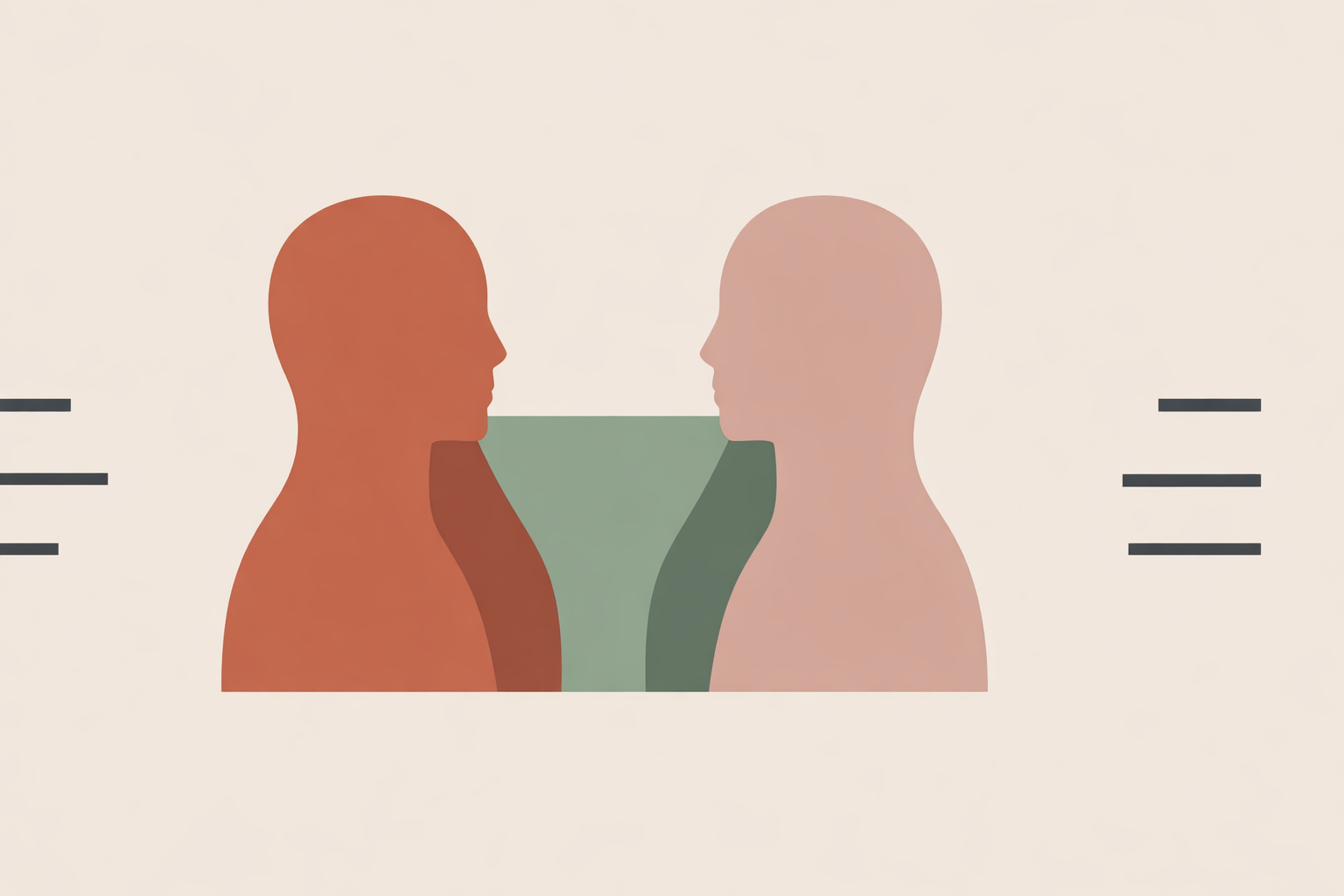
Technique matters, but the field around the technique comes first. Co-regulation is foundational: your tone, face, pacing, pauses, and steadiness shape what becomes possible.
The room matters too. If neuroception is always scanning, then environment is part of the method. Small choices become meaningful cues:
- soft, indirect light instead of harsh overhead glare
- seating options that allow support and choice
- clear visual order rather than sensory clutter
- scent neutrality unless a client has clearly welcomed something specific
Research supports the role of safety cues in shaping state, and traditional practice has long treated space as an active ingredient in how quickly people can settle.
Predictability helps as well. A simple arc is often deeply supportive:
- arrival and orientation
- exploration or practice
- landing, reflection, and next steps
Consent and cultural humility also shape how safe a space feels. Research links cultural humility with stronger helping relationships, and most practitioners can feel the difference in real time: people settle more when they don’t feel managed, assumed, or rushed into interpretation.
Useful prompts include:
- Would you prefer more space or more closeness today?
- Is eye contact supportive, neutral, or tiring for you?
- Do you want to stay seated, stand, or move a little while we talk?
Choice supports agency, and agency often steadies state all by itself.
Building personalized regulation toolkits
One-size-fits-all tools rarely hold up over time. Stronger work comes from building a menu and letting clients discover what reliably helps them return to themselves.
That menu might include:
- breath practices
- voice or humming
- movement or pressure through the feet and hands
- external orientation
- interoceptive tracking
- rituals rooted in the client’s own culture, values, or daily life
Interoceptive awareness can support regulation and self-tracking. Noticing breath, tension, temperature, and internal shifts often helps people recognize earlier when they’re moving toward overwhelm or disconnection.
Inside-focused attention isn’t the best starting point for everyone. When it feels too intense, external orientation is often more workable: noticing colors in the room, feeling the floor, tracking sound, holding a textured object, or taking a brief walk.
Titration matters. Touch activation lightly, return to neutral, then repeat if it fits. This keeps the work usable and sustainable.
A simple in-session menu:
- Breath: lengthen the exhale slightly
- Voice: add a soft hum for one or two breaths
- Movement: rock, pace, press feet into the floor, or try a wall push
- External orientation: name three colors or track near and far objects
- Ritual: hold a meaningful object, sip warm water, repeat a grounding phrase
The goal is practical carryover: tools the person will actually use between sessions.
Helping clients notice progress
People stick with practice when they can feel and name what’s changing. Small shifts become motivating once they’re visible.
Micro-tracking keeps progress grounded. Instead of asking only whether a practice was “good,” track changes in function and recovery:
- Did you come down faster after stress?
- Was sleep a little steadier?
- Did connection feel easier?
- Could you stay with discomfort a little longer?
Glimmer practices support this too. They help clients notice brief moments of ease, beauty, connection, or relief without denying that life can be hard. Over time, attention strengthens around what is nourishing and usable.
Consistency usually matters more than intensity. In traditional ritual as in modern behavior change, small repeated practices often create more reliable shifts than occasional dramatic efforts.
A note template can keep it concrete:
- Starting state: connected / revved / low
- Practice used: hum + longer exhale / wall press / orienting scan
- Immediate shift: more present / less present / about the same
- Functional change this week: quicker recovery, steadier rhythm, easier connection
When clients can describe progress in plain language, your work becomes easier to share accurately and ethically.
Protecting your own capacity
A nervous-system-informed practice asks something of the practitioner too. Your steadiness is part of the work, so your own rhythms deserve protection.
When capacity runs thin, sessions can start to feel rushed or brittle, and clients often sense it. Research on ruptures in helping relationships suggests practitioners’ emotional regulation matters when strain shows up in the working relationship.
Sustainability often comes down to ordinary actions done consistently:
- buffers between sessions
- screen breaks and food breaks
- a transition ritual before and after client work
- clear communication boundaries
- a realistic weekly schedule
Model recovery when it’s appropriate. Regulation isn’t about staying calm at all times; it’s about noticing activation, responding skillfully, and returning.
Let that same clarity shape your scope language. Keep it grounded: you support awareness, choice, and well-being through body-based and relational practices. When someone needs another kind of support, say so clearly and respectfully.
Talking about this work ethically
Clear language builds trust. Speak to what you actually offer: support, skills, awareness, practice, and functional change in daily life.
It’s also wise to present polyvagal work with integrity. The framework is highly useful in practice, while some of its specific scientific claims remain debated. You can use the map skillfully, as explored in discussions of what research supports and debates, without turning it into certainty.
Avoid inflated language such as:
- guaranteed transformation
- instant reset
- proof of safety from a single metric
Choose language that’s specific and observable:
- build a steadier relationship with stress
- practice returning to presence more quickly
- develop personalized tools for everyday regulation
If you mention outcomes, keep them functional. Better recovery after difficult moments, steadier rhythms, and more capacity for connection are all appropriate to track in this work.
If you draw from traditional practices such as chanting, humming, mantra, breath, or grounding rituals, name them with respect. Honor lineage where relevant, avoid borrowing carelessly, and let the client’s background and preferences guide what you offer.
Conclusion
A steady practice grows from a few disciplines done well: reading state, shaping for co-regulation, offering choice, personalizing tools, tracking lived progress, and protecting your own capacity.
This work doesn’t need flash. Its strength is often its simplicity: a slower voice, better timing, a room that’s easier to land in, and practices small enough to repeat. Clients feel the difference when they can say, “I feel more present,” or “I recover faster now.”
That’s the kind of progress people trust because it shows up in real life. Build around that clarity, and your practice tends to become more consistent, more grounded, and more sustainable.
Explore Polyvagal Therapy Certification
Deepen your state-tracking and co-regulation skills with the Polyvagal Therapy Certification.
Explore Polyvagal Therapy →