Many behavior plans aim for fast compliance: reward charts, consequences, and a firmer voice when a child pushes a limit. They can quiet a moment, yet the same pattern often returns at home or at school when a child hasn’t built the inner skills to pause, name a feeling, and choose a different response.
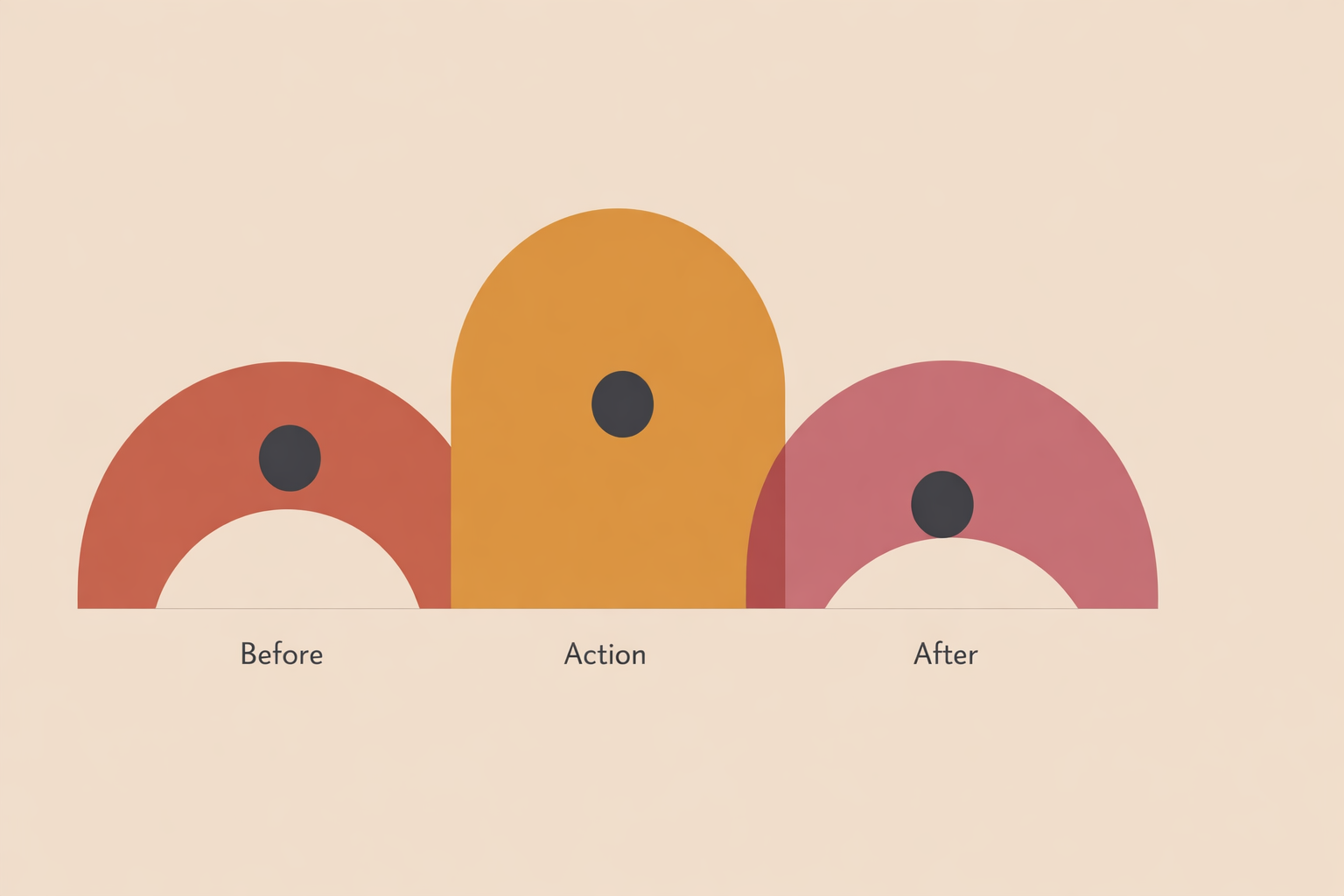
Directive play therapy reaches for something more durable. Through clear boundaries and shared control, children get repeated chances to practise self-regulation while still feeling respected. The focus shifts from “Did the child stop?” to “Can the child recover, choose, and try again?” That’s where lasting change tends to take root.
Key Takeaway: Lasting behavior change grows through shared control and self-regulation, with directive play used as a scaffold rather than a command system. When progress is measured through pausing, feeling-language, choices, recovery after slips, and growing independence, children are more likely to carry those skills into home, school, and community life.
2. Why Shared Control Matters in Directive Play Therapy
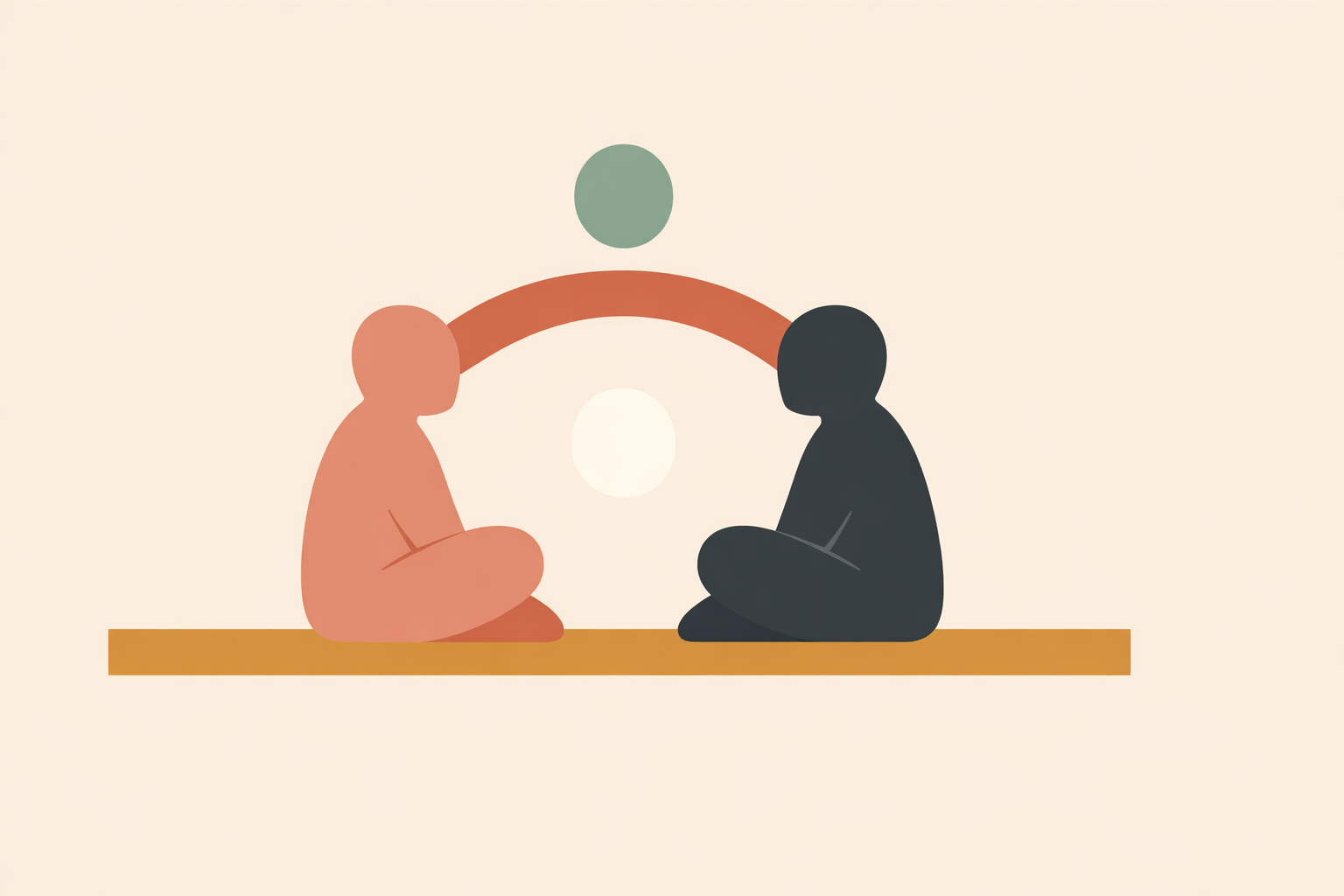
Directive play therapy works best when structure is offered without overpowering the child. The practitioner holds safety, pacing, and purpose; the child keeps meaningful choice, expression, and participation. That balance makes the work cooperative and dignified.
It often helps to move along a continuum. Child-led moments build trust and openness. More guided moments give focused practice with a specific skill. Strong work moves between these modes as the child’s needs change.
A reliable rule is minimum necessary structure: offer only the direction the moment truly needs, then hand control back as soon as the child can carry more of it. Sessions stay steady without becoming rigid.
You might say, “I have a game for practising turn-taking. Do you want to start as leader or helper?” You’re providing a pathway while protecting the child’s autonomy.
Non-directive larger effects have appeared in older literature summaries at times. In practice, that supports a grounded view many experienced practitioners already hold: the best “dose” of structure depends on the child, the moment, and the aim.
- Shared-control move: state the purpose, offer two bounded options, then follow the child’s response.
- Example: “We’re building a bridge strong enough for the elephant. Do you want a timer challenge or teamwork turns?”
3. Turning Power Struggles into Playful Invitations
Power struggles often flare when a moment is framed as a test of obedience. Directive play therapy takes a steadier route: keep the limit clear, then translate it into an invitation the child can actually use.
Bounded choices are a core tool. They reduce friction, protect safety, and keep the child’s sense of agency intact. Instead of “Stop throwing now,” try: “Blocks are not for throwing. You can roll them into the bin or carry them two at a time.”
This remains firm and protective. The difference is that cooperation becomes something the child participates in, rather than something pulled from them.
- “You’re angry the game ended. I won’t let blocks fly. You can stomp on the mat or help me stack them.”
- “Would you like to show the puppet how to calm down, or draw the feeling first?”
- Two paths: dragon practice or superhero breathing?
Sarcasm, threats, public corrections, and forced apologies can create quick compliance, but they often erode trust. Play-based invitations do more to protect the relational safety that learning depends on.
Many traditional teaching lineages have guided children through story, rhythm, imitation, and shared activity. Bringing that spirit into the playroom naturally leads to fewer commands and more respectful, clear invitations.
4. Using Stories, Puppets, and Role-Play to Practise New Responses
Children need more than “don’t do that.” They need a replacement response they can practise until it’s available under stress. Directive play helps because it turns advice into something concrete and repeatable.
Puppets, figurines, small-world scenes, and stories add helpful distance. A puppet can be scared, grabby, bossy, or overwhelmed first, and the child can experiment with solutions without feeling put on the spot.
Guided reflection strengthens the learning. A review on emotion coaching highlights labeling emotions and supporting children to problem-solve, with reported benefits for emotional and behavioral difficulties.
A simple cognitive-behavioral play sequence often works well: notice the cue, name the feeling, choose an option, act, and review. In play, children can “hold” this sequence more easily because it’s happening in real time.
- Traffic light game: Red = pause, Yellow = choose, Green = try it.
- Thought detective: “What did the dragon tell itself when the tower fell?”
- Anchor questions: What skill are we practising? What cue will remind the child? Where might it show up this week?
For a child who grabs when excited, a puppet can rehearse: “Hands behind back, then ask, ‘My turn next?’” The skill becomes visible and portable.
5. Working with Refusal and Big Feelings Without Escalation
When a child refuses an activity, the most useful question is often, “What is this telling me?” Resistance commonly points to readiness, safety, cultural fit, overwhelm, or sensory load.
Repair keeps the work safe and respectful. If a prompt landed as too fast or too exposed, step back and offer a smaller version: “I moved too quickly. You can choose how we try this again.” It protects dignity while keeping momentum.
A brief feeling-limit-alternative pattern is often enough:
- Feeling: “You wanted one more turn and stopping felt unfair.”
- Limit: “I won’t let you hit.”
- Alternative: “You can squeeze this ball or jump ten times.”
It also helps to avoid turning play into a hidden test. If a child experiences constant correction, the activity quickly becomes another battleground. Reflect, model, invite, then pause.
Small resets can change the whole temperature. Thirty seconds of water, breathing, or quiet can bring steadiness back to the interaction.
When you overshoot, naming it directly often helps a child regulate: “I gave too many instructions. I’m slowing down now. You can choose puppet practice or story cards.”
6. Adapting Structure for Neurodivergence, Trauma, and Grief
Directive play therapy should never press every child into the same format. Structure supports participation when it reduces overwhelm and clarifies what’s happening. It stops helping when it creates pressure or strips choice.
For ADHD profiles, shorter and more concrete activity cycles often work well. Visual steps, movement breaks, hands-on materials, and quick feedback help children stay engaged. Rule-based games (stop/go, freeze, turn-taking, rule-switching) give repeated practice with inhibition, waiting, and frustration tolerance.
With anxiety, gradual playful practice is often the most supportive pace. A bravery ladder lets a child approach a feared situation in manageable steps, chosen with care and consent. Evidence summaries have reported reduced anxiety in play-based work.
For trauma-sensitive work, safety, predictability, and choice come first. Child-led play literature consistently emphasizes child control within sessions, which supports a gentler stance. In practice, that means no pressure to reenact, disclose, or explain before readiness is there.
Grief work also benefits from simple, respectful structures: memory boxes, stories, drawing shared moments, or culturally rooted rituals adapted in age-appropriate ways. These give shape to feelings without forcing them.
- Trauma-sensitive frame: “We can keep this as a pretend story, or you can tell me if it feels familiar. You decide.”
- Grief practice: place three stones in a bowl for three things remembered or cherished.
- Regulation anchor: agree on a pause signal before moving into harder material.
7. Helping Change Carry into Home and Daily Life
Playroom progress lasts longer when the important adults around the child use similar relational patterns. When caregivers practise reflective listening, emotion coaching, structured choices, and calm limits, children get many more chances to use the same skills in daily life.
Research aligns with this direction. Reviews link emotion coaching benefits with improvements in adult responses and children’s emotional and behavioral difficulties. A meta-analysis also associated attachment- and emotion-focused parenting approaches with reduced externalizing over time.
In day-to-day practice, adults rarely need a complicated script. One steady adjustment applied consistently usually makes the biggest difference.
- Connect first: “I’m glad we’re together.”
- Set the limit simply: “Phones wait until homework is done.”
- Offer a bounded choice: “Do you want to start now or after a snack?”
- Follow through calmly.
Special playtime can help, too: a short daily window where the child leads and the adult reflects, notices effort, and enjoys the interaction. Over time, stronger connection and clearer choices often reduce the need for escalation at home and in learning spaces.
Conclusion: Directive Play as Structured Collaboration
The thread running through effective directive play therapy is shared control. The adult holds the frame, the limit, and the sense of safety. The child keeps meaningful choice, expression, and room to practise. That balance supports the inner steadiness children need to handle real life with more flexibility.
A simple session arc can look like this: connect and observe, name a shared intention, offer two or three bounded choices, introduce a structured activity, follow the child’s responses, hold limits calmly, practise one replacement behavior, reflect together, and agree on one small step for daily life.
Used well, directive play therapy builds the capacity to pause, choose, recover, and rejoin—skills that generalize far beyond the play space. As with any approach, it works best when it’s adapted to the child’s culture, nervous system, and current load, and when adults stay consistent without becoming forceful.
Explore Play Therapy Certification
Build shared-control play skills further with the Play Therapy Certification.
Explore Play Therapy Certification →