Most Reiki practitioners eventually ask two practical questions: what actually shifts in a session, and how do we speak about those shifts with integrity? Clear, grounded language helps you stay true to Usui Reiki, communicate responsibly, and build a daily practice that feels steady rather than dramatic. With regular self-practice, many people notice a quieter breath, a softer mood, and more inner space. The craft is describing what you experience without turning it into a claim you can’t support.
Key Takeaway: Daily Reiki practice is best approached as a consistent ritual of quiet attention, light touch, and self-listening. Traditional teaching offers the frame; emerging research offers a few modest clues about relaxation and sleep; and your own repeated practice shows you what is genuinely changing over time.
How Reiki is understood to work in the body
In Usui Reiki, the practitioner isn’t trying to force an outcome. The practice is taught as attuning to universal energy and allowing it to move where it is needed, with the hands acting as a gentle channel. In daily self-practice, that often looks simple: hands resting on the head, heart area, or belly, and attention settling as the breath gets quieter.
That traditional understanding is central for many practitioners, and it stands on centuries of lived practice. From a research-aware perspective, it also makes sense to keep claims modest: reviews note that mechanisms remain unidentified. It’s still completely reasonable to describe Reiki as a quiet, non-forceful practice using light touch or hands held just above the body, offered in a spirit of presence, respect, and well-being.
What people often notice during a Reiki session
A Reiki session often feels subtle. Practitioners and recipients commonly describe warmth, tingling, heaviness, lightness, calm, or drowsiness. These experiences are familiar within Reiki, but they don’t need to happen every time, and they don’t need to “prove” anything.
Sometimes the shift is emotional: the mind slows, the jaw unclenches, the breath deepens on its own. Other times nothing distinct is felt, and that also belongs to the practice. Reiki can be worthwhile without strong sensations.
If you like to keep notes, a few honest lines are enough: “Hands on heart and belly for 15 minutes. Warm palms. Two deeper sighs. Felt steadier afterward.” This keeps your language clean and your attention on what’s real.
What short-term research suggests
Research doesn’t explain how Reiki works, but it does offer a few useful short-term observations. Reviews suggest a single quiet session may shift physiology toward a more restful state for a short period, even though the pathway is still unclear.
A larger practice-based study also reported improvements in mood-related outcomes after Reiki sessions. That aligns with what many practitioners see every day: people often leave feeling less rushed, more settled, and better able to pause.
This is a good level of confidence to work with. You don’t need to overstate it. It’s fair to say Reiki may support relaxation, calm, and a gentle reset for some people.
Why daily Reiki practice matters
One session can feel like a pause. Consistent practice becomes a rhythm you can return to, especially when life is busy. Over time, daily or near-daily Reiki tends to build familiarity with your internal signals, so you notice sooner when you’re tense, scattered, or emotionally overloaded.
Many practitioners find consistency matters more than intensity. A short practice you keep often serves you better than an elaborate routine you drop after a few days. Ten to fifteen minutes on most days works well for many people as practical guidance.
With steadiness, practitioners often report clearer body awareness, a calmer baseline, and more space between stress and reaction. These are best framed as lived outcomes that develop through repetition, not as promises.
What research hints at with repeated Reiki sessions
When Reiki is received over multiple sessions, some patterns begin to show up in the literature. A recent review found improvements in sleep disturbance, which supports what many people notice anecdotally: repeated sessions can make rest feel more accessible.
The research picture is still evolving, with different approaches and varying quality across studies. It’s best used as orientation, while your own steady practice shows you what changes in your day-to-day life.
A practical question to hold is: “What am I genuinely noticing after a month of consistent practice?” That’s where journaling becomes especially useful.
How to do a grounded daily Reiki self-session
Daily Reiki works best when it’s simple and repeatable.
- Choose a time you can keep, even if it is brief.
- Silence notifications and sit or lie comfortably.
- Let the jaw soften and the shoulders drop.
- Take a few slower exhales before placing the hands.
- Use a simple intention such as “I’m here to listen.”
If touch doesn’t feel right on a given day, let your hands hover just above the body. Light, respectful contact is enough.
A basic full-body flow might include these placements:
- Crown or top of the head
- Forehead or temples
- Throat area
- Heart area
- Upper abdomen
- Lower abdomen
- Hips, knees, or ankles
Stay at each placement for a couple of minutes, or longer if one area asks for more quiet attention. To close, place one hand on the heart area and one on the belly, then follow a long, unforced exhale.
If you only have a few minutes, a shorter version still counts. Forehead, heart area, and lower abdomen is often enough for a reset. In practice settings, brief sessions have been associated with improve drowsiness and a shift toward relaxation, even if a “perfect” five-minute routine hasn’t been firmly defined.
Listening to your body during Reiki
Reiki grows richer when you stop chasing special effects and start listening closely. Warmth, tingling, emotional waves, heaviness, spaciousness, and stillness can all arise. So can boredom, distraction, or a sense that nothing much happened.
All of it is workable. Sensations can be part of how the body communicates during quiet practice, but they don’t need immediate interpretation. A curious, steady approach goes far: notice, allow, and keep the hands gentle.
If a session feels emotionally full, lengthen the exhale, open the eyes, or end early. Daily Reiki should support well-being, not become another way to push through.
Using journaling to see patterns clearly
A short journal turns vague impressions into something you can trust. Memory blurs; written notes show what actually repeats.
- Time and duration
- How you felt before
- What you noticed during
- How you felt just after
- Anything you noticed later that day
Over a few weeks, patterns often become clear. You might find morning practice supports steadier focus, or that evening sessions connect with improved sleep for you personally. You may also discover a few hand placements that reliably help you settle faster.
Journaling earns its place because it helps you shape your practice around lived experience rather than expectation.
Practicing Reiki with integrity
Reiki asks for honesty as much as devotion. Integrity means respecting cultural roots, speaking plainly, and avoiding inflated claims. The tradition doesn’t need exaggeration to be meaningful.
A clear professional frame describes Reiki as a gentle, non-manipulative practice offered for relaxation, self-awareness, and well-being. This keeps expectations realistic and supports ethical practice in coaching and holistic work, especially within energy healing.
Consent and boundaries are part of that integrity. In self-practice, consent can be as simple as noticing when touch feels welcome and when hands-off practice is the kinder option. In sessions with others, it means clear agreements, respect for personal space, and language that never promises more than the work can honestly support.
- Ask permission before touch
- Keep communication clear and plain
- Stay within a well-being and coaching frame
- Respect confidentiality
- Honour Reiki’s lineage and cultural roots
Research summaries also report improved psychological well-being in practice settings, while broader reviews describe the evidence base as still developing. Together, these encourage a mature stance: confidence in the value of the practice, paired with restraint in how it’s explained.
Daily Reiki as a steady practice
Reiki often becomes most powerful in ordinary life because it’s repeatable. A few quiet minutes, hands placed with care, and a softer breath can bring you back to yourself.
Within an honest frame, that is enough. Traditional teaching offers meaning and direction. Research offers early signposts around relaxation and sleep. Your own daily practice shows you whether you’re becoming steadier, kinder with yourself, and more able to pause before reacting.
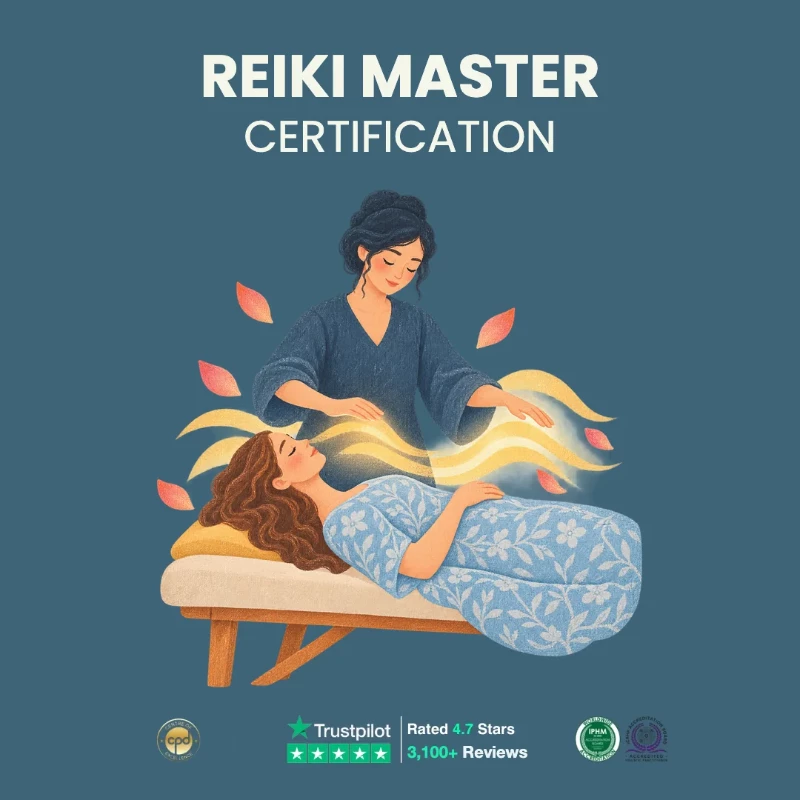
Keep the practice simple and let your language stay modest. Return to the hands, the breath, and the quiet. Over time, that steadiness is often where Reiki does its deepest work and where Reiki Master Certification can deepen the practice for committed students.
Explore Reiki Master Certification
Deepen your daily practice and ethical language with the Reiki Master Certification.
Explore Reiki Master →