Trip leaders often plan route, pace, and meals in detail, then improvise water at the source. That works until weather shifts, a filter fails, or half the group arrives already thirsty. In mixed-experience groups, ad-hoc water decisions can quickly become morale problems and serious safety issues.
Key Takeaway: Reliable group water practice starts with clear roles, careful source selection, and layered purification rather than faith in one device. A strong leader teaches a simple system: choose the best source available, protect dirty and clean zones, understand the limits of each method, and build water timing into the day so the group stays steady, hydrated, and confident.
The water holder role in wilderness groups
One of the steadiest leadership moves outdoors is to become the water holder: the person who protects hydration, sets respectful habits at sources, and runs a system everyone can follow when people are tired or rushed.
This role stays grounded in practical care. You’re safeguarding the group’s rhythm, preventing confusion, and stopping small errors from turning into bigger setbacks.
Water needs a plan before the group reaches the stream, not after. Clear water also isn’t automatically trustworthy water, even when the setting looks pristine.
From a traditional perspective, water work is relational. Many Indigenous teachings speak of water as a relative rather than a resource. That can be honored without borrowing ceremony by teaching reciprocity in simple actions: take only what’s needed, keep hands clean, and leave the source cleaner in effect than you found it.
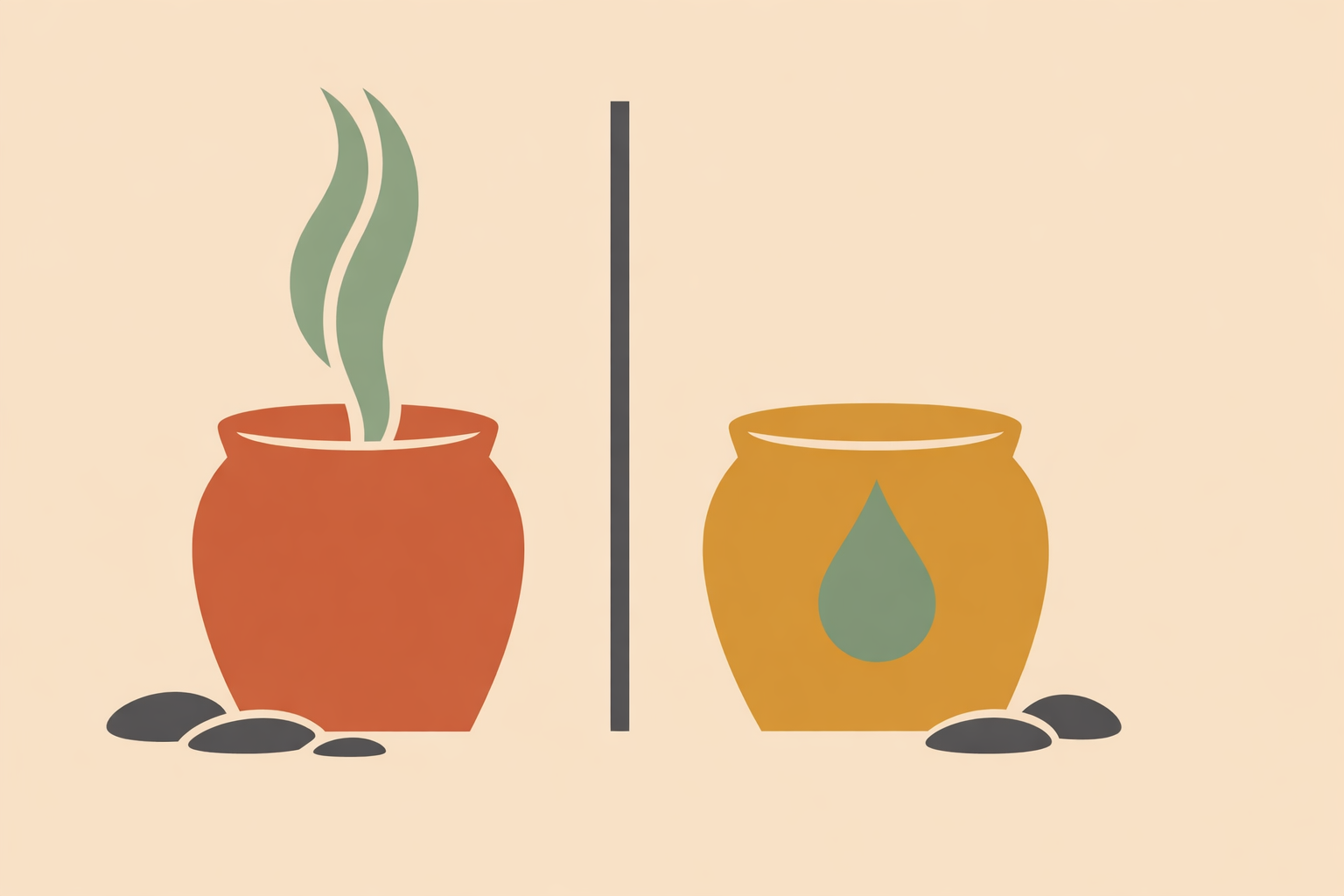
A straightforward group agreement seals this into habit: establish two zones. Dirty containers gather source water. Clean containers hold finished water only.
Choosing safer wild water by reading the land
Source selection comes before gear. When you choose better water at the start, every step afterward becomes easier and faster.
In most settings, moving water is the stronger choice than stagnant water. A brisk riffle above obvious traffic is usually a better option than a pond below a busy meadow.
Teach clients to look for patterns like these:
- Prefer moving water over still water when you have a choice.
- Look upstream for camps, trail crossings, livestock presence, beaver activity, or heavily used resting spots.
- Notice wildlife sign. Dense tracks, droppings, and game trails converging on a pool can point to higher risk.
- Read recent weather. Heavy rain after a dry spell or spring snowmelt can raise turbidity and wash contaminants into a source.
These choices are about discernment, not fear. The group learns to see water as part of a living system shaped by slope, animals, weather, and human use.
Good fieldcraft also protects those downstream. Runoff can carry pathogens into surface waters, so collect water away from washing, food scraps, and toothpaste—and keep soaps well away from the source.
The main water purification methods leaders should teach
For group teaching, it helps to organize water work into a few clear method families. Each has strengths, limits, and a best-fit use in the field.
Boiling and clarification
Boiling is the oldest and most dependable method. When conditions are changing, uncertainty rises, or gear fails, a pot and heat remain a strong fallback within wilderness survival instruction.
Clarification is the support step that helps almost everything else work better. If water is silty, let it settle and pour off the clearer upper layer, or run it through clean cloth first. Clarifying reduces filter clogging and improves the performance of later steps.
Many beginners want to jump straight to a filter, tablet, or UV device. One extra minute spent improving the water upfront often saves time, frustration, and gear wear later.
Filters
Filters are popular because they’re fast, intuitive, and easy to build into a group routine.
Leaders also need to teach the limits clearly. Viruses pass through many typical backpacking filters because they’re smaller than common pore sizes. For that reason, filtration works best as one layer inside a broader system when conditions call for it.
Hollow-fiber filters also need careful handling. Many experienced leaders treat freezing as a serious risk, because once a filter has frozen, confidence in its integrity is gone.
Chemical disinfection
Chemical methods are compact and light, which makes them excellent for backup plans or as a second layer after filtration.
The key is matching expectations to the chemistry. Standard chlorine works well for many bacteria and viruses, but it isn’t enough for Cryptosporidium. Chlorine dioxide generally offers broader coverage than chlorine or iodine in field use.
Contact time matters as much as the tablet or drops. Colder, dirtier water needs longer to reach the intended effect, so rushing the wait defeats the point.
UV and solar disinfection
UV devices can be excellent when the water is already clear and the group is working in smaller volumes. UV works only when the water is clear and the agitation step is done properly.
Solar disinfection is also worth teaching because it builds practical understanding of how light supports purification. SODIS reduces contamination when clear water sits in a clear bottle in full sun for several hours.
Why layered purification is usually the wiser choice
The central teaching for groups is straightforward: few non-boiling methods protect equally well in every setting. Layered purification is a strong leadership habit because it keeps the system resilient when conditions shift.
Few methods are fully protective on their own across all backcountry contexts. A filter-plus-chemical approach is generally more protective than using either method alone.
In practice, this often looks like:
- Clear moving source: filter first, then add chemical disinfection when the context calls for broader coverage.
- Silty source: settle or cloth-filter first, then boil or run a two-step system.
- Small clear batches: pre-clarify if needed, then use UV with careful agitation.
Boiling sits behind all of these as the steady fallback. If the main system fails, the group should be able to shift smoothly without stress.
Redundancy matters more than gadget confidence. A cracked filter, dead battery, or rushed contact time should inconvenience the group, not unravel it.
Building water work into the day
A good purification system has to fit the day’s movement. If it doesn’t, the group starts cutting corners.
Plan water timing the same way you plan meals and rest breaks. Identify likely refill points, estimate how long your method takes, and decide whether the group needs drink-now water, later water, or camp water.
Useful planning habits include:
- Refill before people are fully depleted.
- Use small batches for chemicals or UV when accuracy matters.
- Use larger boiling batches when fuel is available and the camp rhythm supports it.
- Label start and ready times on bottles when using contact-time methods.
This is a morale skill too. Mild dehydration worsens judgment, mood stability, and group decision-making, especially in heat, altitude, and sustained effort.
Waiting periods can serve the group when they’re framed well. They become map checks, observation time, or a calm pause that helps everyone stay patient.
Preventing the failures that happen in real life
Most group water problems don’t come from theory. They come from rushed hands, mixed-up bottles, skipped waits, and unclear boundaries.
Start with the basics:
- Separate dirty and clean zones. Raw water containers and purified water containers should never be confused.
- Limit who pours. One person managing the transfer often prevents splashing and cross-contact.
- Keep hands clean. Many trip-related gut issues come more from hand-to-mouth transmission than from drinking water itself.
- Protect the source. Collect drinking water away from washing, food scraps, and toothpaste.
- Pre-clarify cloudy water. Don’t expect UV or chemicals to perform the same way in murky water.
Hand hygiene deserves special emphasis. In outdoor settings, experienced practitioners often see that education on handwashing matters at least as much as education on purification devices alone.
Good gear care belongs here as well. Keep filters from freezing, protect clean bottle threads from dirty hands, and teach everyone how to recognize when a step hasn’t been completed properly.
A short practice drill helps: assign dirty and clean roles, walk through one full water cycle slowly, then repeat until it looks effortless.
Water as relationship, not just logistics
Technical skill keeps a group steady. Relationship deepens the experience.
When leaders frame water as more than something to extract, people become more attentive and consistent. They start noticing where runoff gathers, where a stream clears, and how their choices affect others downstream.
Water stops can become moments of ecological literacy as well as practical support. Often, it’s enough to say: take what you need, leave the source clean, and remember that other beings and other people share this watershed too.
Becoming a steadier wilderness water leader
Strong group water leadership is built from simple disciplines repeated well: read the land before reaching for gear, choose the best source available, clarify when needed, layer methods when appropriate, protect dirty and clean zones, and make water timing part of the day.
Boiling remains the dependable fallback. Filters are useful but limited. Chemicals are valuable when used with patience. UV and solar methods work best when their conditions are respected. Underneath all of it sits the deeper practice of reciprocity: caring for the group while caring for the watershed.
In closing, keep the system simple enough that it still works when the group is cold, hungry, or behind schedule. Carry at least one backup option, respect contact times, and keep hygiene standards high. Within broader self-sufficiency and sustainability practice, that foundation helps water purification become a steady group habit that supports well-being, trust, and connection to place.
Train as a Survival Instructor
Build teachable field systems like these in the Wilderness Survival Instructor course.
Explore Wilderness Survival Instructor →