In most mixed-level yoga classes, a few students will arrive with low back discomfort. With 70–80% prevalence across a lifetime, it’s simply part of teaching real people in real rooms. And often, they’ve chosen yoga because they hope it will help them feel more comfortable in their day-to-day life.
That reality calls for more than a vague “be careful.” It asks for a spacious, well-paced class with plenty of options—one that supports comfort without turning into a one-size-fits-all sequence. In practice, the most reliable blend is gentle mobility, progressive strength, breath-led awareness, and deliberate rest.
Key Takeaway: The most effective low-back-supportive yoga classes prioritize choice, pacing, and clear self-regulation over “perfect” poses. Build comfort through gentle mobility, progressive strength, breath-led awareness, and real rest—using props and gradual progression so students can work within supportive ranges without pushing into strain.
From fixing to supporting: the yoga teacher’s role
A yoga teacher isn’t there to fix backs. The role is to guide a practice that supports steadiness, confidence, body awareness, and a more skillful relationship with discomfort.
This shift changes everything: language gets simpler, pacing gets kinder, and expectations become more realistic and empowering. Rather than promising outcomes, you teach students how to notice, adjust, strengthen, soften, and rest—skills they can take off the mat.
Yoga can help through multiple pathways at once. Gentle movement builds mobility and support; breath and focused attention can reshape how intensity is experienced. Traditional practice has always held this whole-person arc: movement anchored in breath, awareness, and rest.
Your presence matters, too. After a residential training, one research team found participation was linked with greater flourishing and self-acceptance. As they put it, “many participants enroll … not primarily to teach, but as a structured pathway toward personal transformation.”
In practical terms:
- Use support-first cues instead of fix-it language.
- Teach self-authority: “If your back says no, we listen.”
- Stay clear about scope: you are guiding movement, breath, and awareness.
That clarity helps students feel safe enough to explore—and exploration is often what rebuilds confidence.
Functional anatomy through a yoga lens
For teaching, it helps to think in relationships rather than isolated parts. The low back doesn’t move alone; it shares work with the hips, pelvis, rib cage, breath, and deep trunk support. When those areas cooperate, many poses feel more spacious and stable.
In class, gentle movement often lands better than long, effortful static holds. Think of it like warming wax: breath-synced motion softens resistance and helps students find trust before stronger work begins.
Two relationships are especially useful to teach clearly:
- Hips and hamstrings: Limited hip rotation or resistant hamstrings can push extra demand into the low back. Gradual hip work can ease lumbar strain indirectly, and some yoga programs have shown improved flexibility alongside better back comfort.
- Core support: Subtle, steady engagement through deep abdominals, obliques, and pelvic floor can change how a pose “lands.” Over time, yoga can improve function in back muscles, which helps explain why students often feel more supported in familiar shapes.
Postural habits matter as well. An exaggerated anterior tilt, collapsed sitting, or a tendency to “hang” into the low back can all shape sensation in practice. With mindful strengthening and attention over weeks, many students naturally reorganize these patterns.
Certain directions also tend to feel supportive for many people (though never everyone):
- Unloaded flexion: Knees-wide child’s pose—especially propped—often feels calming and spacious.
- Gentle extension: Small, supported backbends like sphinx can feel relieving for some students when the shape is organized and unforced.
The clearer students feel these relationships in their own bodies, the less they rely on willpower—and the more they can respond to useful sensation.
A class structure that supports the low back over time
Consistency usually matters more than intensity. A steady, moderate approach gives students time to build trust, coordination, and capacity. Many yoga programs unfold across 8–12 weeks, and that matches what teachers commonly observe: subtle changes first, then a more noticeable shift in ease and confidence.
The most supportive classes don’t rely on a single “magic” ingredient. Yoga tends to work best as a combined approach: some mobility, some strength, some down-regulation, and real rest.
A simple template:
- Warm-up: Breath awareness, pelvic tilts, cat-cow, gentle side-bending.
- Strength: Bridge variations, tabletop leg reaches, supported lunges, chair squats.
- Release: Child’s pose, reclined hamstring work with a strap, easy twists, figure-four.
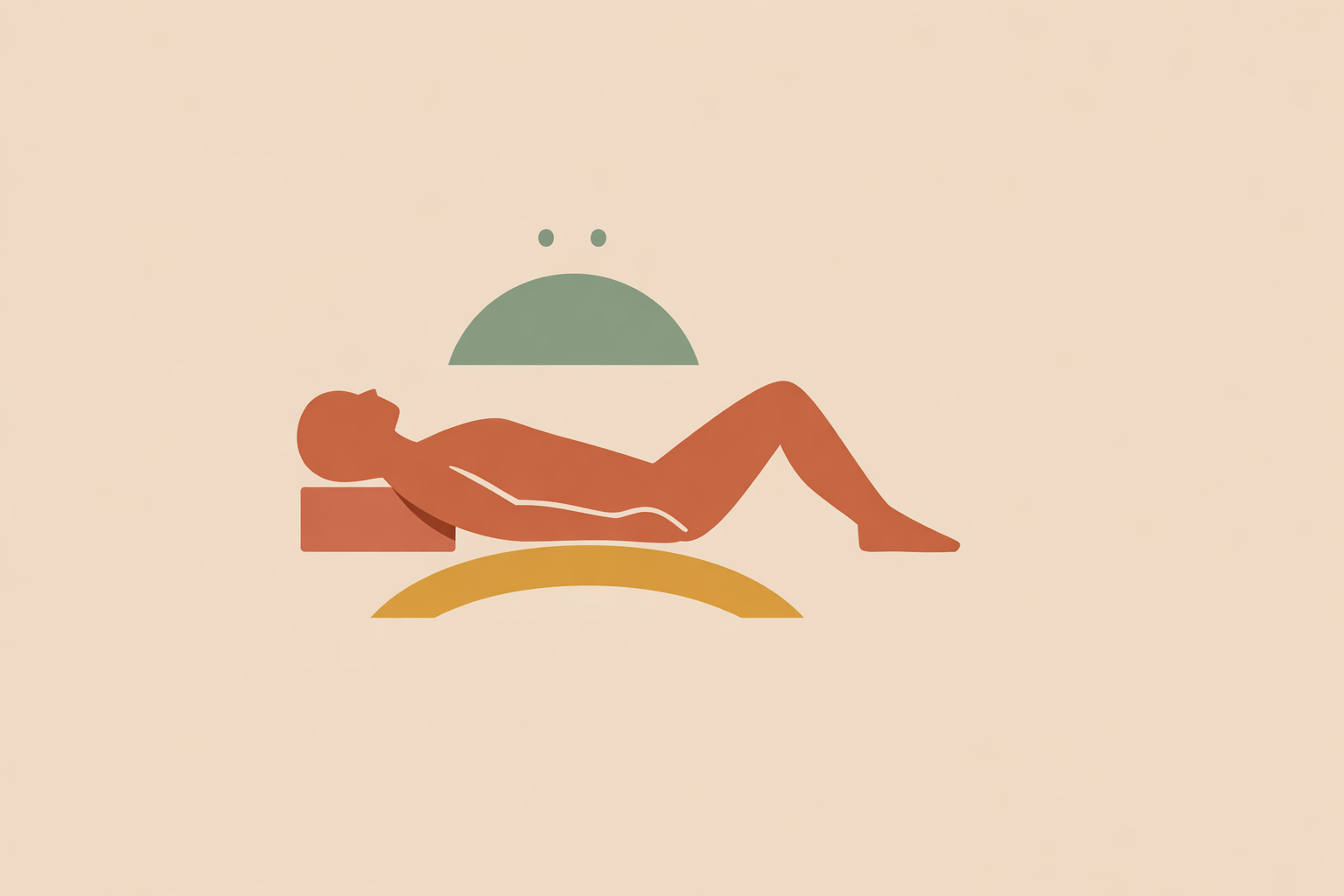
- Rest: Supported savasana, legs on a chair, or side-lying stillness.
Across a longer arc, progress by small degrees:
- Weeks 1–4: Slower pacing, shorter holds, generous props.
- Weeks 5–8: More standing work, slightly longer holds, light balance with wall support.
- Weeks 9–12: Gentle transitions, mild resistance with strap or band, more refined breath coordination.
Even online, good guidance can be effective. One program found improved outcomes for pain and function with carefully guided virtual classes.
And beyond mechanics, class tone matters. As one editorial team summarized after speaking with teachers and students, yoga spaces often feel like “empowerment, liberation, self‑growth.” A low-back-supportive class should carry that spirit: steady, inclusive, and unhurried.
Pose families that often support low back comfort
A helpful flow is mobility into support, then into release and rest. Keep the emphasis on gradual range, clear setup, and enough support that students can actually feel what the pose is doing.
Cat-cow and simple spinal mobility
- Start with small pelvic-led movement rather than dramatic spinal motion.
- Pair inhale with gentle arching, exhale with rounding.
- Add side-to-side movement if it feels welcome.
Child’s pose and supported twists
- Use a bolster or blankets so the torso can fully rest.
- In supine twists, stay mid-range and let the shape be soft.
- Keep the invitation on breath, not depth.
Supported extension: sphinx or baby cobra
- Forearms down, chest broad, gaze neutral.
- Use light abdominal tone so the shape feels organized rather than dropped into.
- Back out early if the sensation becomes pinchy or compressed.
Bridge and posterior-chain support
- Lift only as high as the ribs can stay settled.
- Let the effort wake up glutes and back body without straining the lumbar area.
- Think stability and support, not height.
Hip openers
- Reclined figure-four and low lunge often work well when well-supported.
- Use straps, blankets, and padding freely.
- Keep the pelvis steady so the low back is not asked to compensate.
Chair-based variations
- Seated cat-cow, side-bending, and easy twists can be deeply useful.
- These variations reduce load and help students build confidence gradually, much like teaching yoga for beginners.
Across all of these families, breath should steer effort. Students aren’t just learning shapes; they’re learning to pause, sense, and choose.
What tends to aggravate the low back
Some movements commonly ask too much of a sensitive back, especially when rushed or pushed to end range. In many classes, the main aggravators are deep straight-leg forward folds, strong twists, and jerky transitions.
Guidance commonly emphasizes moving slowly and modifying folds and rotations with care. In practice, that often means:
- Bending the knees in forward folds
- Reducing the range of twists
- Choosing supported backbends over ambitious ones
- Transitioning with control rather than momentum
Simple supports can change the whole experience: blocks under the hands, shorter stances, wall support, and extra padding where needed.
Older adults and students who need more support
Some students benefit from a steadier pace and more external support—especially older adults or anyone returning to movement after a long pause. They may be more prone to yoga-related injuries like strains or balance issues if class moves too quickly or asks too much too soon.
Supportive teaching here is straightforward and effective:
- Use chairs and walls without hesitation.
- Slow transitions down.
- Keep props within easy reach.
- Repeat cues calmly and clearly.
- Build confidence before complexity.
Done well, this doesn’t make the class “less.” It makes it more intelligent—and more welcoming.
Skillful boundaries, safety language, and closing guidance
Clear boundaries protect both your students and your teaching. Low back support isn’t only about pose choice; it’s also about language that trains good decisions in real time. Teach students to notice, scale, pause, and opt out early.
Useful reminders include:
- “You can always make the shape smaller.”
- “If it feels sharp, sudden, or unstable, come out.”
- “Rest is part of the practice, not a retreat from it.”
It also helps to name a truth experienced teachers already know: outcomes can’t be credited to “yoga” in isolation when teacher expertise and program design shape so much of the experience.
A simple closing script:
- “Notice how your back feels now compared with the start.”
- “Whatever you notice is useful information.”
- “You can pause, adapt, or rest at any point next time too.”
End simply: a quiet breath, a moment of gratitude, and one practical cue to carry into daily life is often enough.
Conclusion
Teaching yoga for low back support is less about finding one perfect pose and more about creating the right conditions: choice, pacing, breath, support, gradual strengthening, and room for rest. Tradition has emphasized this for centuries—the whole practice matters.
When you teach this way, students often become less reactive, more informed, and more at ease in their own bodies. That’s meaningful work, and it extends well beyond the mat.
Train Smarter Yoga Teaching
Deepen options-based cueing and class design with Naturalistico’s Yoga Teacher Certification.
Explore Yoga Teacher Certification →