Many wellness and coaching practitioners equate “heart opening” with catharsis, automatic forgiveness, and saying yes. Then chakra language gets pulled into quasi-anatomy or mood management, and early warning signs are spiritualized away as “fear.” The result is familiar: overgiving that drains sessions, blurred scope, people who treat access as entitlement, and helpers who second-guess their own signals. On teams and in communities, this pattern turns care into compliance. If your practice has ever felt kind but porous, you’ve met the limits of that approach.
Key Takeaway: Heart-chakra work becomes practical when it restores flow between feeling, boundaries, and reciprocity, and treats red flags as guidance rather than fear. Openness works best when paired with discernment, clear limits, and steady observation. In practice, that means noticing imbalance patterns, using gentle body-based awareness with choice, turning inner signals into language, and responding to boundary tests with calm, concrete action.
What unblocking the heart chakra means in everyday life
In day-to-day practice, “unblocking the heart chakra” is about restoring flow between feeling, boundaries, and reciprocity, not chasing a dramatic breakthrough. In yogic and tantric traditions, Anāhata is the fourth chakra, often associated with the heart region, compassion, and the element of air. The Sanskrit term is commonly translated as “unstruck,” pointing to a quiet inner resonance that doesn’t need forcing.
For modern practitioners, it helps to keep the framing clean: the heart center is a symbolic and spiritual map, not anatomy. It can still be worked with skillfully through yoga, mantra, devotion, and breath, as long as everyone shares the same level of meaning.
Honoring cultural roots matters. Anāhata comes from South Asian traditions that are rich, diverse, and nuanced, so “unblocking” is best held as a metaphor: less guarding, less over-giving, and a more even exchange of care.
A client-ready reframe is: “In our work together, unblocking Anāhata means noticing where your heart guards itself or overextends, then practicing kindness and clearer limits so love and respect can move both ways.”
If someone says, “I feel tight in my chest whenever I share a need with my partner,” you might respond, “Let’s get curious. Is that tightness asking for gentler pacing, or for a boundary you haven’t voiced yet?” This keeps the tradition’s symbolism intact while translating it into daily choice.
Why an open heart still needs boundaries
An open heart without boundaries leads to depletion. A balanced heart center includes discernment: staying warm while saying no, offering care without offering unlimited access to your time, energy, or attention.
Heart opening also asks for consent and limits. Understanding someone’s story can deepen compassion, but it doesn’t erase impact or accountability. In coaching spaces, a steady rule helps: place your compassion where there is reciprocity.
In real life, this can sound simple. If someone sends late-night messages expecting immediate emotional labor, a heart-centered response might be: “I care about you, and I’ll reply tomorrow during my available hours.” If it continues: “If late-night messages keep coming, I won’t respond. Let’s keep our conversations inside agreed times.”
- Ask: “What feels generous here? What feels coerced?”
- Repeat: “My heart can remain open while my boundaries remain clear.”
- Use a consent cue: “I have capacity for 10 minutes—shall we continue, or schedule time?”
Heart opening, in this sense, looks like steadiness and self-respect, not endless availability.
Seeing red flags as heart wisdom
Red flags are early signals that protect connection. Through an Anāhata lens, they’re part of relational wisdom: they help you keep the channel open for genuine care by declining what violates dignity, reciprocity, or freedom.
Common warning signs include jealousy, isolation from friends, threats or violence, addiction-related chaos, chronic absence of emotional intimacy, and refusal to self-correct. Not every awkward moment is a verdict. What matters is the pattern, the impact, and whether accountability leads to real change.
Picture a second date where someone mocks a boundary you shared. You pause and say, “That boundary matters to me,” then you watch what happens next. If belittling continues, your caution isn’t “negative energy.” It’s usable information.
A useful prompt is: “If I imagine five years of this exact behavior, how does my heart respond?” Often, the body answers before the mind starts negotiating.
Heart-chakra imbalance patterns to notice
Before focusing on red flags “out there,” it helps to notice patterns “in here.” Many people find “blocked,” “underactive,” or “overactive” heart-center language useful when it’s translated into observable behavior.
A blocked pattern can look like shutting down to avoid conflict. An overextended pattern often shows up as rescuing, apologizing, or over-giving to earn closeness. An underactive pattern may feel like numbness, cynicism, or harsh self-criticism. These aren’t fixed labels; they’re mirrors you can work with, much like in a broader chakra practice.
- Do I suppress feelings to keep peace?
- Do I over-give or over-explain to secure approval?
- Do I confuse compassion with rescuing?
- Do I struggle to receive care or compliments?
- Do I ignore discomfort because I want this to work?
If someone notices they initiate contact almost all the time and feel panicked when there’s no reply, you don’t need to make it a personality flaw. Explore it through reciprocity: “What is this contact pattern showing you, and what boundary would support you this week?”
Real heart opening is better measured by increased choice than by emotional intensity. Growth looks like being able to say, “I care about you, and I disagree,” or, “I want to help, and I can offer one hour, not three.”
After a draining exchange, a useful note might read: “I apologized three times before they named one responsibility. Afterward I felt depleted and irritable. Next time, I will pause before offering help and ask what they plan to do.”
Listening to the heart center through breath, touch, and gentle movement
Listening comes before “unblocking.” Traditional approaches often pair the heart center with breath, sound, prayerful attention, and gentle movement. In modern settings, these land best when they’re offered softly and with real choice.
Try this short sequence:
- Place one hand over the center of the chest and the other on the belly or thigh.
- Soften the jaw and breathe naturally for six relaxed breaths.
- Name three emotions without trying to change them.
- Ask, “What would be kind right now?” Then live that answer for the next hour.
For some people, especially those carrying unresolved shock or loss, breath-focused practices can trigger alarm or activation. In those moments, smaller doses work well: shorter intervals, eyes open, or alternating inner attention with outward grounding like feeling the feet on the floor or naming three colors in the room.
Group settings deserve extra care. Intensive breathwork, long retentions, or prolonged stillness can raise the risk of panic-like activation or dissociation for some people. Skillful heart work prioritizes steadiness over intensity, a principle that also matters in ethical chakra balancing.
A useful session micro-practice is the “three-breath truce.” When the charge rises, both people pause, place a hand on the heart, take three slow breaths, and agree to speak in shorter sentences for the next two minutes.
Journaling and self-compassion to stop self-gaslighting
Once the body has spoken, the next step is language. Structured writing turns vague unease into clear boundaries, and self-compassion keeps that clarity from turning into self-attack.
Try two columns: “What I feel” and “What I need.” For example: “I feel tight and sad. I need fewer last-minute requests.” Then write one small boundary to practice for the next week.
Another option is comparing two relationships: one that feels mutual and one that feels compulsory. List observable behaviors in each. Patterns often sharpen quickly: shared planning versus one-sided initiation, curiosity versus defensiveness, follow-through versus repeated empty apologies.
You can also write yourself a brief compassionate response after a difficult moment. A widely used framework describes self-compassion through self-kindness, common humanity, and mindful awareness. Research reviews suggest these practices can increase self-compassion and support well-being over time.
- “My discomfort deserves attention.”
- “I don’t need to prove loyalty by abandoning my limits.”
- “I can care and still step back.”
After a hard conversation, a grounding note might be: “Body: clenched. Behavior: minimizing again. Boundary: I will end calls when minimizing starts and suggest we try again later.”
A five-step response to red flags in real time
When a boundary test appears, a simple sequence keeps the heart open and the action clear: Pause, Name, Check, Boundary, Observe.
1) Pause. Slow the moment. “I need a minute,” or, “Let’s continue this tomorrow.” Pausing interrupts the reflex to please, fix, or rescue.
2) Name. Describe the behavior, not the person’s character. “You raised your voice and called me names.” Stay with what happened.
3) Check. Ask yourself: Is this repeated? Does it restrict my autonomy? Does it create fear or confusion? Does the person accept responsibility or deflect?
4) Boundary. State your limit and your action.
- “If insults start, I will end the call.”
- “I don’t lend money in new relationships.”
- “I’m not comfortable sharing passwords or location access.”
5) Observe. Over the next days or weeks, watch for consistent behavior change. Apologies and dramatic declarations matter less than steady respect for your limits.
For example, if a colleague repeatedly makes comments about your body and calls them jokes, you can say, “When you commented on my body at lunch, I felt uncomfortable. Don’t do that again.” If it happens again, follow through: leave the table, document what happened, and escalate through the appropriate workplace process.
Guarding the heart in spiritual, family, and work relationships
Complex systems often wrap red flags in the language of care. In spiritual spaces, terms like “unconditional love” or “forgiveness” can be used to dismiss harm or bypass accountability. Guidance on spiritual abuse describes how belief can be used to manipulate people, which is why warm language should never be mistaken for ethical behavior.
In families, “We don’t air dirty laundry” is sometimes code for silence about harm. In workplaces, “We’re like family” can become pressure for boundaryless availability. Different settings, same pattern: care language used to override consent, limits, or honest feedback.
In unhealthy spiritual or wellness communities, common red flags include unquestioned loyalty demands, pressure to cut off outside relationships, claims of exclusive truth, money pressure, or hierarchy being used to excuse violations. Secrecy, loyalty tests, and rescue narratives often cluster together.
Heart-first responses can stay straightforward:
- Clarify consent: “I’m not available for private meetings after 9 p.m.”
- Reality-check with trusted peers outside the group.
- Request transparency: “Please share written policies on finances and grievance processes.”
- Step back if dissent is framed as disloyalty or lack of awareness.
In helping roles, ethical coaching includes consent, clear scope, confidentiality boundaries, and referral when something falls outside a coach’s competence.
If harm is escalating or immediate safety is a concern, create distance and prioritize protection first. Heart work is not about enduring what repeatedly violates your dignity.
- Spiritual: “I’m not comfortable with secrecy. If that’s required, I’ll step away.”
- Family: “I won’t discuss my relationship status at gatherings. If it comes up, I’ll leave the room.”
- Work: “I don’t work unpaid weekends. If that’s required, we’ll need to revisit my role.”
Conclusion: A clearer, steadier way to work with the heart center
When Anāhata is approached as a wise symbolic map, heart work becomes practical. Listen through breath, touch, and gentle movement. Put language around inner signals. Respond with calm boundaries and steady observation. Traditional practice also reminds us that devotion, mantra, prayer, and ritual have long supported courage, forgiveness, and right relationship in community.
As practitioners, the craft is weaving tenderness with discernment. Keep practices simple, choice-based, and culturally grounded. Support networks matter too: isolation can cloud inner knowing, while trusted community often brings perspective and clarity. For practitioners developing this work more broadly, energy healing training can help keep the approach grounded.
Let unblocking be a rhythm rather than a one-time event. Today it may be two honest lines in a journal. Tomorrow it may be pausing before rescuing. Next week it may be speaking a boundary you have delayed for years. Each small act restores circulation through the heart of your life.
When in doubt, ask: “What would loving awareness notice here, and what would self-respect do next?” Then take the next kind, clear step, whether you’re refining heart-center work or deepening your wider chakra energy healing certification practice.
Explore Chakra Energy Healing
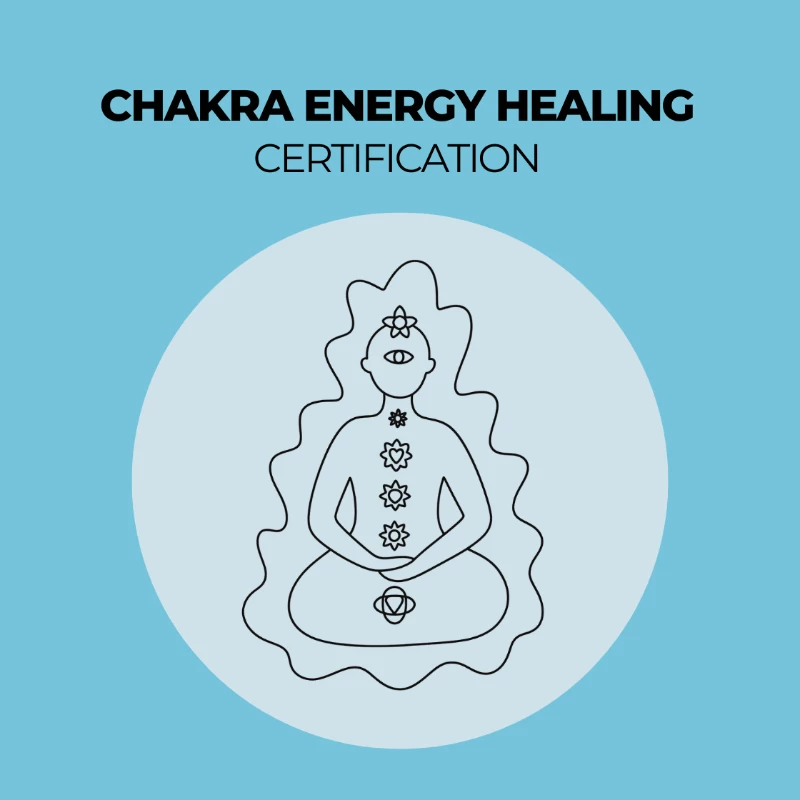
Deepen your heart-center work with grounded chakra practices in the Chakra Energy Healing Certification.
Explore Chakra Energy Healing →