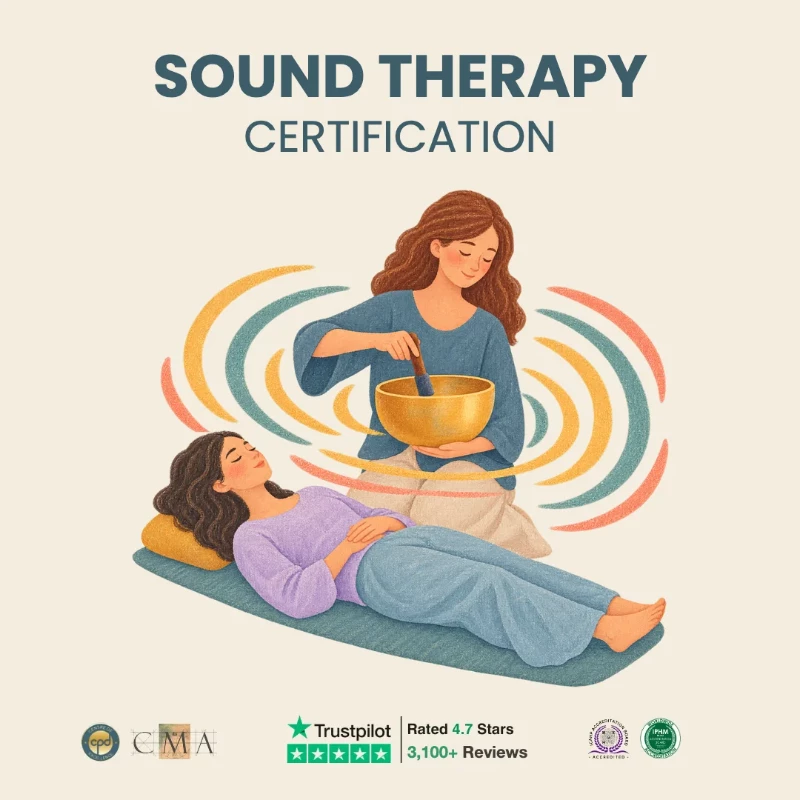
New sleep clients often arrive tired and urgent: “I just need something that will knock me out tonight.” It can be tempting to respond with bigger sound, more tools, and confident claims about special frequencies or brainwave states. In practice, a first session usually lands better when it stays simple. Predictable, low-intensity sound gives the body room to settle, without pressure to perform or promises you can’t honestly guarantee.
Key Takeaway: Sleep-focused sound work is often most effective in a first session when you create steady, low-intensity conditions and let the body choose rest. Start with a modest intention, shape the environment to feel safe and predictable, use a simple sound arc, keep volume low, and close with quiet reorientation and brief reflection. The aim is to offer a repeatable ritual that supports ease.
Set the intention for a first sleep-focused sound session
Begin with a gentle aim: help the client settle tonight, and introduce a ritual they can learn to trust over time. When the session is framed around ease rather than achievement, everyone softens.
You might say: “Our goal is not to force sleep. It is to create conditions for rest, and to notice what helps your system unwind.” That approach also honors real wins beyond sleep itself, such as slower breathing, less muscular holding, quieter thinking, or feeling less activated than at the start.
Music listening may improve sleep, and traditional evening sound practices have long understood the same rhythm through lullabies, chants, drones, and repetitive tones that mark a transition out of the day. The practitioner’s role is steady guidance, not spectacle.
A simple opening script can carry the whole session: “Let’s keep this gentle and predictable. You can pause or adjust anything at any time. If sleep comes, that’s welcome. If not, the aim is to leave more settled than when you arrived.”
Listen before you play: intake, consent, and the client’s sleep story
A short intake gives the session its shape. “I don’t sleep well” can point to trouble winding down, a busy mind, physical restlessness, sound sensitivity, or waking alert in the night. Your job is to translate the story into practical choices.
Ask what blocks rest, what sounds comfort them, and what irritates or energizes. Sound can evoke memories, so it’s worth asking directly about associations with bowls, chimes, humming, rain recordings, silence, or repetitive patterns.
You can keep the conversation grounded:
- What would feel like a good outcome tonight?
- What sounds usually help you unwind?
- Are there any tones or textures you dislike?
- Do you prefer eyes open or closed?
- Would you rather sit, recline, or lie down?
Consent should be clear and usable. Explain what you plan to use, roughly how long you’ll play, how close instruments will be, and exactly how they can ask for a pause. A hand raise, a spoken “pause,” or a small gesture all work.
Ask about sensitivities while you’re here. Some clients love resonance but dislike sharp overtones; others feel uneasy with bass vibration, headphones, or sudden changes. In a first session, these details matter more than any impressive technique.
- Example note: “Goal: unwind before bed. Prefers soft sustained tones. Avoids bright chimes. Seated recline feels best. Stop signal: hand raise.”
Create a sleep-friendly space and resting posture
Before any instrument sounds, the room is already shaping the session. A sleep-focused space feels stable, quiet, and free of unnecessary surprise.
Low light, comfortable temperature, muted notifications, and a non-rattling door often do more for settling than adding another instrument. For some people, stillness works best when it stays optional. Eyes-open listening, a dim lamp, or a slightly upright posture can feel safer than darkness and full immobility.
Let posture be collaborative. One person settles best in a reclined chair with support under the feet; another prefers side-lying with a blanket and bolster. Choose the position that feels comfortable without strain.
A brief orientation before the first tone helps the client arrive:
- Feel where your body is supported.
- Let your eyes stay open or closed, whichever feels easier.
- Notice a few contact points with the chair, floor, or mat.
- Listen for one sound in the room before we begin.
Take a moment to test the space, too. Walk the room and listen for buzzing corners, harsh reflections, or spots where a bowl suddenly booms. Sleep-focused work benefits from evenness, so the listener doesn’t need to stay on alert for what comes next.
Design a simple sound map for the first session
For a first sleep-oriented session, simplicity is the wiser choice. Predictability supports rest because it reduces the need to track change.
Favor slow pacing, stable texture, minimal dynamics, and clear repetition. The goal is a steady field the client can rest into.
Many practitioners find that these qualities help:
- Low to moderate volume
- Unhurried tempo or long sustain
- Sparse layering
- Few sudden attacks
- Consistent tonal character
- Pauses that are intentional, not abrupt
If you draw from Himalayan bowls, monochord, humming, frame drum, chimes, or recorded drones, do so with respect for cultural roots and without grand claims about one special frequency. A first session needs steadiness, especially in sound therapy.
Here is a simple 30-minute arc:
- Minutes 0–3: quiet arrival and one low, barely audible continuous tone or hum
- Minutes 3–10: one mellow bowl or similarly soft source, played slowly at stable volume
- Minutes 10–18: light layering with a second compatible tone, still sparse and even
- Minutes 18–24: gradual subtraction back to one tone
- Minutes 24–30: fade into silence and remain there
Complexity can come later, once you know how the person responds. Early on, predictable, low-intensity sound usually offers the most reliable support for unwinding.
Guide the live experience with slow pacing and low volume
The live session should feel unhurried from the first moment. Start more slowly than you think you need to, and give the client time to acclimate before you introduce fuller resonance.
Volume matters. Keeping sound at low levels reduces startle and supports a more restful atmosphere. Aim for the lowest level that still feels present.
Too much sound can work against settling. Loud or intense sound may cause distress or amplify discomfort, especially when a tone carries strong associations. Watch for jaw or shoulder tightening, fidgeting, restlessness, headaches, anxiety, or rising sound sensitivity. If you see them, simplify right away.
Keep verbal guidance sparse, plain, and optional, with the kind of clear client scripts that help the session feel choice-led:
- “Let your breath move naturally.”
- “You do not need to do anything with the sound.”
- “If it helps, notice the support under your body.”
Leave room for silence. When a tone fades, let the room stay quiet for a moment before deciding what comes next.
If clients ask about entrainment or altered states, keep it grounded. You can say that steady rhythm and repetition sometimes help attention settle, and tonight you’re noticing together what supports ease in their body.
Close gently and leave room for deep rest
The end of the session should feel like a soft landing. Reduce layers, let the final tones thin out, and leave a few minutes of quiet before speaking.
Many people report a sense of deep rest in that closing stillness, whether or not they actually slept. Treat this quiet as part of the session.
After the silence, reorient gently:
- Notice the support beneath you.
- Wiggle fingers and toes.
- Open the eyes if they were closed.
- Take a sip of water if you would like.
Emotional responses can surface during or after sound-based work. Sound may evoke reactions, so if tears, heaviness, or imagery arise, acknowledge them without over-interpreting. Simple, respectful language is enough: “Something moved,” or “Take your time.”
If a client becomes uncomfortable, bring choice back immediately. Invite eyes open, reduce or stop sound, and ask whether they’d prefer to sit up, try a different posture, or end there. A calm close matters more than completing a planned sequence.
Use simple reflection to refine the next session
Once the client has reoriented, do a brief debrief to learn what actually helped. Keep it short and specific.
Simple 0–10 scales work well, and they match how sleep listening research often tracks subjective sleep. You might ask:
- How settled did you feel at the start, from 0 to 10?
- How settled do you feel now?
- Which sounds felt supportive?
- Was there anything you would want less of next time?
Over time, these quick check-ins become part of your practitioner wisdom, helping you tailor pacing, tone, volume, and structure to the individual.
A consistent first-session ritual can also help clients build a sleep-supporting practice they carry home. Keep suggestions modest: familiar, low-volume, wordless audio in the evening, and stop if it feels stimulating rather than soothing.
Save space for honest boundaries. If someone’s sleep difficulties feel entrenched, or if the picture includes significant distress, strong physical symptoms, hearing changes, or other concerns beyond your scope, name that clearly and encourage appropriate additional support.
Document briefly: what the client hoped for, what you used, what they preferred, how they responded, and what you’ll adjust next time.
Conclusion
First-session sleep work with sound is less about a memorable performance and more about steady stewardship. Clear intention, collaborative consent, a settled environment, a simple sound arc, and an unhurried close often do the most meaningful work.
Traditional practice reminds us that evening sound has long helped people soften the edges of the day. Modern evidence can support what many practitioners already observe, and the craft stays the same: listen carefully, proceed gently, and let predictability do the heavy lifting. Cautions belong at the edges of good work, not at its center: keep volume low, prioritize choice, and stay within your scope so the session remains supportive and trustworthy. For practitioners building a broader foundation in energy healing, that same steady approach still applies.
Explore Sound Therapy Certification
Build on these sleep-session foundations with the Sound Therapy Certification’s structured approach to safe, client-centered sound work.
Explore Sound Therapy →