APD-focused coaching intake often starts with a familiar mismatch: someone holds it together in class but unravels at pickup, or follows one voice on Zoom yet feels lost by mid-morning in a busy office. Those first stories usually contain the pattern already. A useful intake doesn’t rush toward labels. It listens for conditions: where listening holds, where it slips, and what changes the load.
Key Takeaway: Effective APD coaching intake begins with an ear–brain–environment lens and turns lived listening patterns into practical support. Start by mapping the person’s week across spaces, people, and tasks. Then set a clear coaching frame, explain the model in plain language, sort breakdowns by situation rather than label, track listening load, identify strengths, and turn what you learn into small environmental changes, communication agreements, and self-advocacy scripts. Keep referral pathways available when the picture calls for wider support.
Step 1: Set a Clear, Scope-Safe Coaching Frame
A calm, respectful opening helps people feel supported and keeps your work well-bounded. Name your role before you dive into details.
You might say: “My role is to help you reduce listening fatigue, shape more supportive environments, and build self-advocacy. If we notice signs that formal assessment or another kind of specialist support would be useful, I’ll help you take that next step.”
This keeps the focus on coaching outcomes like energy, participation, communication ease, and routines that hold up in real life. Many adult listening challenges also involve pacing, confidence, self-regulation, and assertive communication—areas where coaching can create meaningful day-to-day change.
Scope-safe script: “We’ll begin with what we can influence now: your spaces, your routines, and your communication agreements. If another layer of support would help, we can bring that in thoughtfully.”
Then make progress trackable: “We’ll track repeats per meeting, end-of-day energy, and how often you need to ask for rephrasing over the next two weeks.”
Step 2: Explain the Ear–Brain–Environment Model in Everyday Language
Most people relax when the model is clear and human. Keep it simple and workable.
Try this: “Listening is not only about what your ear picks up. It is also about how your brain makes sense of sound and what the environment is asking of you in that moment.”
That gives you three layers you can actually coach with:
- Ear: the clarity of the sound coming in.
- Brain: attention, processing, memory, and meaning-making.
- Environment: noise, echo, pace, pressure, and social demand.
I also like a state-based lens because it matches lived experience: when the body reads a space as safe, voices can be easier to track; when the space feels pressuring or chaotic, the system tightens and listening gets harder.
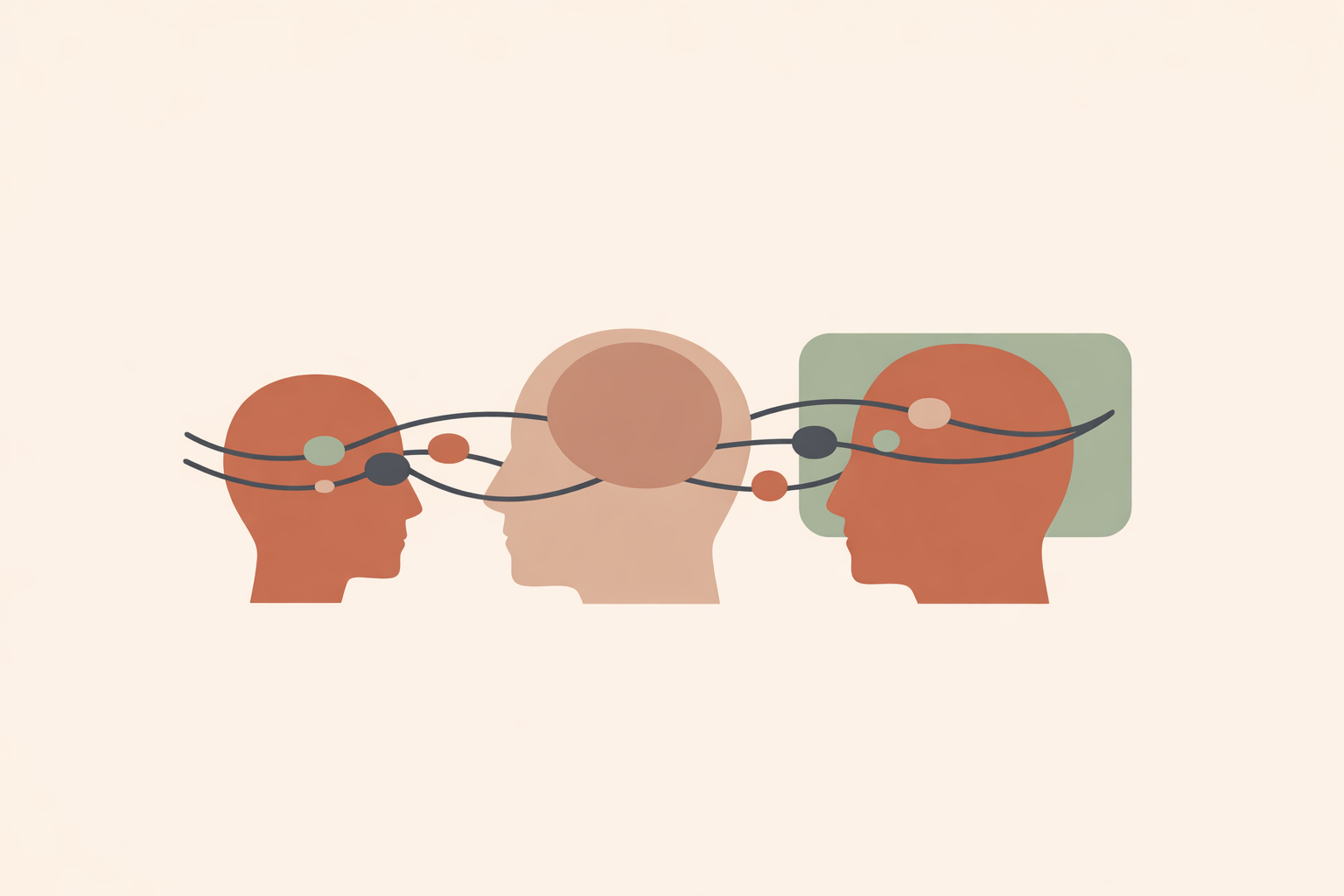
One-minute explanation: “Think of your ear, your brain, and your environment as a team. If the room is echoey, the signal gets muddy. If your brain is juggling too much, fast speech is harder to track. If the stakes are high, your system may go into guard mode. So we support all three layers.”
Traditional wisdom supports this approach too. Across cultures, people have long shaped listening through rhythm, proximity, turn-taking, and rest. Sitting closer, speaking one at a time, and pausing between efforts are old, dependable supports.
Step 3: Map Breakdowns by Situation, Not by Label
Once the person understands the model, sort their examples by what seems to fail first. It moves the conversation from “something’s wrong with me” to “this is the situation we can change.”
Three buckets usually cover most patterns:
- Signal: the sound is hard to catch clearly.
- Processing: the sound is heard, but hard to sort, hold, or decode quickly.
- Overload: the listening demand is exceeding capacity.
Then you can ask cleaner questions:
- Signal questions: “Is it easier when you sit closer? Use a headset? Turn on captions?”
- Processing questions: “Do you do better with slower speech, familiar vocabulary, or written backup?”
- Overload questions: “Do multiple talkers, echo, or being put on the spot make things fall apart?”
Often, small environmental changes drop listening load quickly. Guidance on auditory processing highlights better seating, less background noise, and pre-teaching vocabulary as practical supports in everyday settings.
A note here might read: “Group lab meetings in the glass-walled room lead to missed details; one-to-one in the library room is manageable. Phone calls improve with captions. Predictable agendas improve retention.” That’s already the outline of a plan.
Step 4: Track Listening Load Through Energy, Timing, and State
Two people can sit in the same meeting and leave in completely different states. That’s why listening load matters.
I often frame load like this: “Noise, speed, complexity, and pressure all add weight to your listening backpack.” When the weight exceeds capacity, people describe fatigue, fogginess, irritability, or shutdown. Research on effortful listening connects sustained listening demand with increased fatigue, which aligns with what many people report.
State cues are as useful as context cues. Ask:
- What are the first signs that listening load is getting too high?
- Do you lose the thread, miss names, tense your jaw, or stop taking in new information?
- How long does recovery take?
- Does a short break help, or do you need a longer reset?
A 0–10 listening load scale is often enough. Let the person choose anchors: 0 could be “morning tea with my closest friend,” and 10 could be “performance review on speakerphone.” Add body cues beside the number: “tunnel hearing at 7+, shoulder tension at 8+.”
This is also prime coaching territory: pauses, pacing, written backup, and self-advocacy lines that feel natural. Place higher-demand listening earlier if mornings are steadier, and build recovery if meetings stack. Well-timed support can be the difference between coping and crashing.
Step 5: Surface Strengths and Existing Supports
Many people arrive with years of feedback that framed them as inattentive, difficult, or careless. A better intake helps them see how much they’ve already been doing to stay afloat.
I might say, “Waiting to write the notes later was not laziness. It was a smart way of switching channels.” That kind of reframing restores dignity and points toward what to build on.
Ask questions that uncover strengths:
- Where does listening flow more naturally?
- What habits already help?
- What does your body reach for before or after a heavy listening task?
- Which family, cultural, or personal rhythms support steadiness?
If a student misses multi-step verbal directions but does better with visuals, that often points to difficulty following multi-step verbal directions rather than defiance. That distinction changes the whole tone of support.
Build an “already works” list:
- Captions, written summaries, and visual schedules.
- Softer rooms, better seating, or fewer competing sounds.
- A short walk or quiet pause before group communication.
- Repeating action points aloud in one’s own words.
- Simple turn-taking rituals at home, school, or work.
Language to normalize: “Your boundary around noisy environments is not a flaw. It is information, and we can work with it.”
Step 6: Turn Patterns Into Goals, Measures, and Advocacy Scripts
At this point, keep the plan small. Two focus areas are plenty for week one.
If the main issue is environmental overload, aim first to reduce chaos in communication spaces. Universal design supports like captions, visual supports, and clear agendas often make things easier for everyone, not just the person you’re coaching.
Example plan:
- Goal 1: End Monday meetings with energy at 6/10 or higher.
- Measures: fewer repeat requests, better recall of action points, less end-of-day strain.
- Moves: change to a softer room, turn on captions, share the agenda 24 hours ahead, use a note-taker, summarize decisions in chat.
- Goal 2: Reduce after-school shutdowns across the week.
- Moves: short quiet arrival routine, written homework instructions, visual schedule, fewer verbal-only directions at the end of a long day.
Tracking works best when it stays grounded in real life: smoother days, steadier participation, fewer repeats, and more confidence in the moments that used to wobble.
Self-advocacy scripts:
- “Could we turn on captions so I can stay with the conversation more easily?”
- “If we slow down decisions slightly and summarize action points in chat, I follow much better.”
- “Would you be open to meeting in the quieter room? I contribute more when the acoustics are calmer.”
- “Can I have the vocabulary list or steps in writing ahead of time? It helps me keep pace.”
Step 7: Keep Collaboration and Wider Support in View
It helps to introduce collaboration early, in a steady, practical way.
You might say: “We’ll begin with environment and strategy. If the pattern suggests another layer of support would be useful, I’ll help you connect with the right person.”
This matters when signs suggest the picture is broader than listening load alone. Persistent withdrawal, distress, or shutdown around listening demands can be a cue to involve wider support, and public guidance notes that persistent distress may justify additional help beyond educational or coaching adjustments.
Keep language clean and bounded: “I can help with strategy, communication, and environmental fit. Some patterns are better explored with another specialist so we do not miss something important.”
A warm handoff can be brief: “I’m supporting Devon around listening load through environmental adjustments and communication strategy. Your input would help round out the plan.”
Conclusion: Make Intake a Living Practice
A strong APD-focused intake doesn’t force one explanation too soon. It listens for the weave of ear, brain, environment, timing, and state, then turns that map into support that fits real days.
The work is translation: the quieter room, the earlier agenda, the caption button, the one-speaker-at-a-time agreement, the pause before overload tips into shutdown. These small adjustments often create the biggest shifts because they reduce friction where life actually happens.
Over time, intake becomes more than information gathering. It becomes the first step toward a more workable listening life. Cautions belong here: keep referral options available, and stay alert for patterns that call for broader assessment or additional support so the person isn’t carrying it alone.
Train in APD Coaching
Deepen these intake skills with the Auditory Processing Disorder Coach Certification.
Explore APD Certification →