Most HSP-focused practitioners eventually hit the same ceiling. You can keep adding one-to-one hours until your calendar is full, or you can pour energy into a signature masterclass that lands well in the moment but doesn’t always carry into everyday life. A steadier path is building a small ecosystem of sensitivity-informed workshops that offer practical support, predictable pacing, and clear next steps—without turning sensitivity into a “problem to solve.”
This kind of workshop ecosystem does more than diversify revenue. It creates continuity. People get a welcoming starting point, a place to deepen through repetition and community, and formats that support collaboration without pressuring anyone to disclose personal details. Over time, you also gain a clean way to train other practitioners in your approach so the work can travel responsibly.
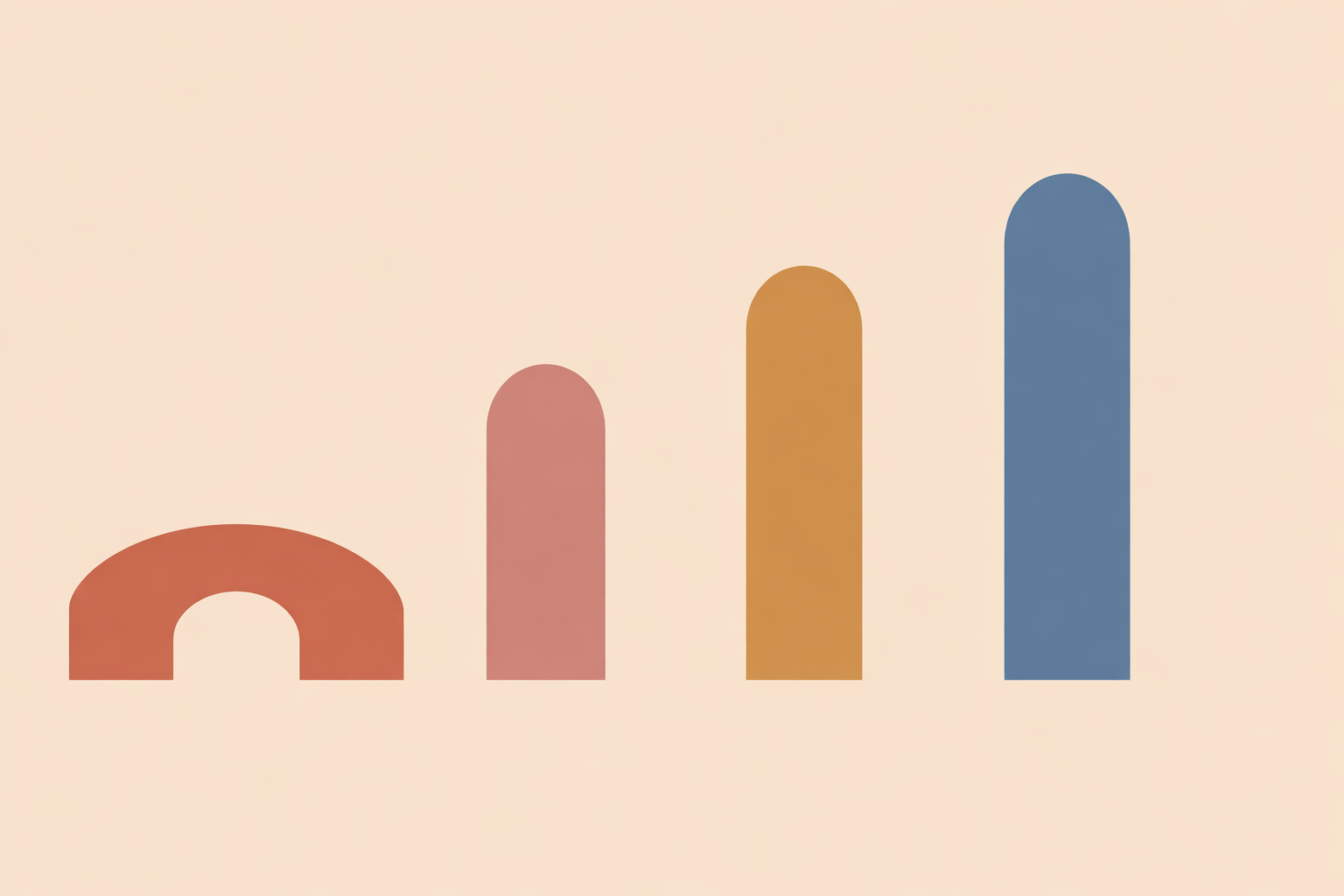
Key Takeaway: Sustainable HSP revenue grows more easily from a four-part workshop ecosystem than from isolated offers. Begin with an introductory resilience workshop that normalizes sensitivity and teaches usable tools. Deepen the work with a paced small-group intensive that helps people build repeatable practices. Adapt the approach for organizations through sessions on meetings, sensory load, and privacy-respecting collaboration. Finally, codify your method into practitioner training with clear ethics, structure, and materials. Together, these offers create a coherent, scope-aware business rooted in support and real-world usefulness.
1. Introductory HSP Resilience Workshops
Your first scalable offer can stay simple: a 90- to 120-minute session where people understand their sensitivity and leave with a few tools they can use the same day. The goal is trust and usefulness, not intensity.
Start by framing sensitivity as a temperament trait. When people hear that sensitivity is a legitimate way of processing experience, the room usually relaxes. Respect replaces self-criticism.
Many practitioners lean on the DOES lens: Depth of processing, Overstimulation, Emotional responsiveness and empathy, and Sensing subtle details. The DOES framework gives clean language to patterns participants have lived with for years. When people recognize how easily they can reach overstimulation, shame often loosens its grip.
From there, keep everything concrete. A one-page sensory journal works well: setting, main inputs, body signals, emotions, and what helped. In a few minutes, “overwhelm” becomes something observable and workable.
Keep nervous-system awareness practical. Offer a short list of early signals—fatigue, agitation, withdrawal, shallow breathing, fuzzy focus—and connect them to simple choices: pause, hydrate, step outside, lower input, or ask for more structure.
Add one or two gentle body-based options that travel well across contexts: a longer exhale, visual orienting around the room, or a simple rhythm practice. Teach them as invitations, not performance tasks. Sensitivity-informed learning sticks when people build self-trust and choice.
Close with one kind, clear next step: a short follow-up series, one-to-one coaching, or a resource kit. The best ending leaves participants feeling dignified and capable.
- Sample flow: welcome and agreements, SPS + DOES teaching, sensory journaling practice, regulation options, boundaries micro-lab, Q&A.
- Useful phrase to teach: “I work best with a clear agenda. Can we confirm goals and time boxes before we start?”
- A simple starter price can keep the offer accessible while still valuing your work.
2. Small-Group HSP Intensives That Build Practice
If the introductory workshop opens the door, the intensive is where people start living the material. The deepest shifts usually come from pacing, repetition, and supported experimentation.
Environmental sensitivity research suggests that highly sensitive people can be more impacted by difficulty, and also more responsive to supportive experiences. From a practitioner’s perspective, this validates what traditional teaching has long emphasized: steady conditions and consistent practice help people integrate change.
A strong format is 6 to 10 meetings of 75 to 100 minutes, with very light home practice between sessions. Keep the “home experiment” frictionless so participants build momentum without pressure.
Anchor each session to one resilience lever: sensory load, early signals, boundaries, recovery, rhythm, nature connection, or values-led decisions. Then give one practice to test in daily life. The win is small and real: a one-minute pause before meetings, a recovery block after collaboration, or two lines of boundary language they’ll actually use this week.
One session can hold a brief DOES refresher, a sensory-load inventory, early-signal mapping, boundary practice, and a personalized recovery plan. This toolkit style tends to work better than piling on content, and it matches long-standing traditional principles of repetition, observation, and rhythm.
Keep the group tone relational and spacious. A simple triad structure is often enough: each person shares one early signal they noticed, one boundary they attempted, and one recovery shift they tested, while the others reflect back one strength they heard.
- Example format: 8 weeks, up to 10 participants, 90 minutes weekly online or in a quiet in-person space.
- Weekly arc: check-in, brief practice, teaching, skill lab, reflection, home experiment.
- Outcome markers: naming early signals more clearly, using boundaries in real life, building a recovery rhythm, and making one values-aligned change at work or home.
An illustrative scenario: someone arrives depleted by constant workplace input and dreads the week ahead. By week five, they’ve negotiated one protected focus block and added a short reset walk after lunch. Life feels less braced and more workable, which is often exactly what progress looks like here.
3. Organizational HSP Workshops for Better Collaboration
Organizations rarely need more labels. They need practical ways to support focus, energy, and steadier collaboration. Sensitivity-informed workplace sessions land best when they focus on environment and process rather than identity.
Research suggests sensitivity can shape how strongly workplace conditions are felt. In one study, job demands were more strongly linked to emotional exhaustion for people with higher sensitivity-related scores, while supportive conditions were more strongly linked to helping behaviour. More supportive leadership style may be especially beneficial for more sensitive employees.
That leads to a clean positioning angle: don’t ask anyone to identify as HSP. Teach teams how to reduce unnecessary sensory load, build better transitions, and make meetings easier to join. People can keep privacy intact while still benefiting from the changes.
A two-part structure is usually enough:
- All-staff session: how overload shows up at work, micro-boundaries, transition practices, and recovery habits that support steadier afternoons.
- Manager lab: inclusive meeting design, communication norms, workspace awareness, and how to invite preference-sharing without pressure.
Keep recommendations observable. Clear agendas, predictable start/stop times, optional video, and short reset breaks help more people stay present. These are thoughtful design choices that improve collaboration for everyone.
Support implementation with simple tools: a meeting checklist, a focus-friendly weekly template, and a small language bank. A manager might say, “Cameras are optional today, and feel free to take a brief reset if needed.” A staff member might say, “I’m muting notifications for this task and will check messages at 2:15.”
Measurement can stay light and ethical: attendance, completion, confidence using tools, and a brief check-in a few weeks later. Let teams describe what changed in their own words.
When colleagues start recognizing sensitive team members as signal-amplifiers, collaboration often becomes steadier and kinder.
4. Practitioner Training That Extends Your Method
Once your approach works consistently, the next step is making it teachable. Practitioner training helps your framework reach beyond your own calendar while preserving its ethics and clarity.
Begin by codifying your stance. Sensitivity fits within environmental sensitivity, not within a self-fixing narrative. Train practitioners to listen for lived experience, map triggers and supports, and stay inside a coaching scope. Clear scope statements, ongoing consent, choice points, and opt-outs keep the work grounded.
Design the training the way you want people to facilitate: smaller groups, predictable pacing, and pauses every 20 to 25 minutes. Flexible participation modes also help. This reflects a core sensitivity-informed principle: when people feel demands strongly, structure becomes a form of support.
Traditional practices can enrich the training when offered with care. Share lineage-aware context where possible, name sources when known, avoid appropriation, and keep everything invitational. Breath, rhythm, and nature-based practices exist across many cultures; a respectful presentation honors that reality.
A practical 12- to 16-hour training might include:
- SPS and DOES foundations, with language that normalizes rather than labels.
- Early-signal mapping, sensory journaling, and gentle regulation practices.
- Workshop design, scripts, timing, and accessibility adjustments.
- Boundaries work, recovery planning, and values integration.
- Ethics in action, scope decisions, cultural respect, and referral pathways.
- Business systems such as pricing, outcomes tracking, follow-up, and community support.
A done-for-you materials pack makes the training far easier to apply: facilitator guide, slide deck, handouts, consent language, and email templates. That preparation supports consistency and helps practitioners avoid improvising beyond their depth.
The larger point is simple. Training practitioners extends support without making you the bottleneck, and it keeps your method evolving through community while staying ethically held.
Conclusion: Build an HSP Workshop Ecosystem With Integrity
One offer can help you begin. An ecosystem helps you stay sustainable. Intro workshops provide an accessible entry point, intensives turn insight into repeatable practice, organizational sessions bring sensitivity-aware design into everyday work life, and practitioner training helps the work ripple outward responsibly.
Keep messaging outcome-based and easy to observe: noticing overload earlier, communicating boundaries more clearly, building a personal recovery rhythm, and making kinder decisions about energy and attention. These outcomes are meaningful and stay within a clean scope.
It’s also worth being honest about the evidence base. Integrated sensitivity-focused interventions still don’t have a fully mature research foundation, with much of the existing work coming from smaller studies and registered trials rather than a broad body of randomized evidence. That doesn’t reduce the value of this work. It sets a clear standard for integrity: draw on practitioner experience, participant feedback, traditional knowledge, and evolving research without overstating certainty.
Hold scope with tenderness. Workshops like these can support well-being, self-understanding, and choice, but they’re not the right container for severe crisis states or situations where someone can’t stay oriented and consenting. Clear boundaries protect everyone.
At its best, this work helps people respect sensitivity as a form of intelligence, shape kinder conditions around it, and practice daily skills that support a steadier life. Start with one offer, keep it grounded, and let the ecosystem grow through lived feedback.
- Choose your first path: intro workshop, intensive, organizational series, or practitioner training.
- Name one clear outcome and one simple practice your offer will deliver.
- Set a date, invite gently, and refine through lived feedback.
Train as an HSP Coach
Build sensitivity-informed workshops with confidence in the Highly Sensitive Person (HSP) Coach course.
Explore the HSP Coach →