When sessions stall, many practitioners respond by adding more explanation. Yet in practice, more words do not always create more clarity. Clients may agree warmly in the room and still struggle to follow through later, especially when instructions pile up, pacing is quick, or the language feels unfamiliar. Often, the real barrier is cognitive load.
Key Takeaway: Effective client support often begins with lowering language-processing load. When communication is paced well, structured clearly, and adapted to stress, culture, and lived context, clients are more likely to remember the plan, use it in daily life, and stay engaged without relying on sheer effort.
Why Language Processing Matters in Client Work
A better question than “How can I explain this better?” is “How can I make this easier to receive and use?”
Language is a whole-system process involving sound, meaning, attention, memory, emotion, and social context. When someone is tired or under pressure, even well-crafted guidance can feel like too much to hold.
Traditional practitioners have always worked with this reality. Story, chant, mantra, prayer, and repeated phrases help organize attention, create rhythm, and make key ideas easier to remember and apply. Modern research is starting to map mechanisms that traditional lineages have relied on for generations.
In sessions, this often looks ordinary: you offer a three-step practice, the client nods, and then little changes between meetings. That does not automatically signal resistance. The plan may have overloaded attention and language systems all at once.
A lower-load version might sound like this: “This week, do only the first step. After lunch, place one hand on your chest and take one slower breath.” Clear, specific language gives the plan a better chance of being remembered and used.
Your job is to notice what helps the person in front of you and adjust your communication to support everyday well-being. You do not need labels to see when someone benefits from shorter sentences, visible structure, or a little more time.
How the Brain Moves from Sound to Meaning
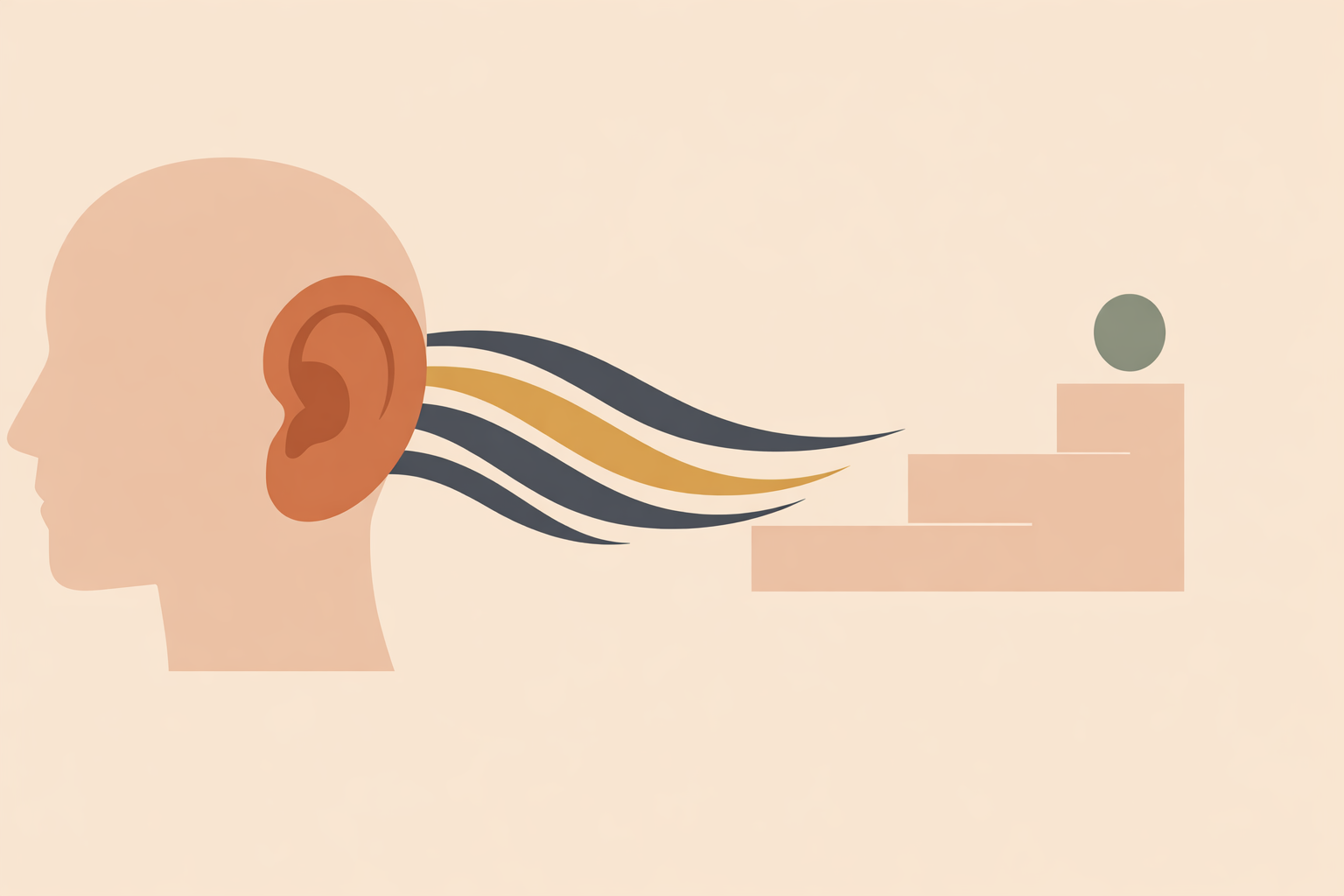
Conversation asks the brain to do a lot, fast. A person hears sounds, maps them onto words, links those words to meaning, and then chooses a response. When any link in that chain is overloaded, the exchange can start to wobble.
Temporal-parietal hubs help connect words and sounds to meaning and support sentence comprehension. Long-range connections such as the arcuate fasciculus help move information across language-related regions.
This is why communication can break down in different ways. One person may sound fluent but miss nuance. Another may understand you well enough and still struggle to put their experience into words. Smooth speech does not guarantee easy comprehension.
You might see this when a client chats comfortably, then loses the thread the moment you introduce multiple steps or abstract terms. In that moment, a gentle reset tends to work better than repeating yourself at the same speed.
Try: “Let’s keep this to one piece at a time.” It respects capacity and keeps the conversation usable.
What Stress and Fatigue Change in Communication
Stress and fatigue narrow attention. People have less room for detail, fewer resources for tracking multiple steps, and less flexibility when plans require lots of language.
This is why a capable, thoughtful client can suddenly seem forgetful, vague, or slow to answer. It also explains why someone says “yes” in session but later can’t reconstruct what they agreed to do.
In real practice, overloaded communication often looks like:
- responses become shorter or more rigid
- word-finding takes longer
- multi-step instructions stop landing
- indirect phrasing becomes harder to follow
- silence increases because the person is trying to keep up
When this shows up, the kindest move is usually to reduce load right away. Slow down, shorten the sentence, and pause before adding the next idea.
You might say: “I’ll keep this short and simple, and we can build from there.” That pacing supports dignity while making follow-through more likely.
How to Design Low-Load Communication
Clarity is a design choice, not just a speaking skill.
When someone is overloaded, structure does a lot of the heavy lifting. These adjustments reliably make plans easier to follow:
- Use one idea per sentence.
- Keep instructions short and concrete.
- Pause between steps.
- Replace jargon with everyday wording.
- Give the first step before the full plan.
- Offer a written or visual summary.
Visible structure helps outside the session, too. Headings, bullets, whitespace, and clear “what to do next” wording reduce what someone has to hold in mind at once.
Teach-back is another strong practice. Rather than “Do you understand?”, invite the client to say the plan back in their own words. It shows you where things blurred and strengthens recall.
For example:
- “What feels like the first step to you?”
- “Can you walk me through how you’ll do this tomorrow?”
- “Let’s make sure I said that clearly—how would you describe the plan?”
A small support kit can help the plan survive real life:
- a one-line reminder on the phone
- a short follow-up message
- a brief checklist with time and place
- one anchoring phrase the client chose themselves
Over time, these small choices make practices feel lighter and easier to carry into daily routines.
Listening Beyond Words: Pragmatics, Emotion, and Social Cues
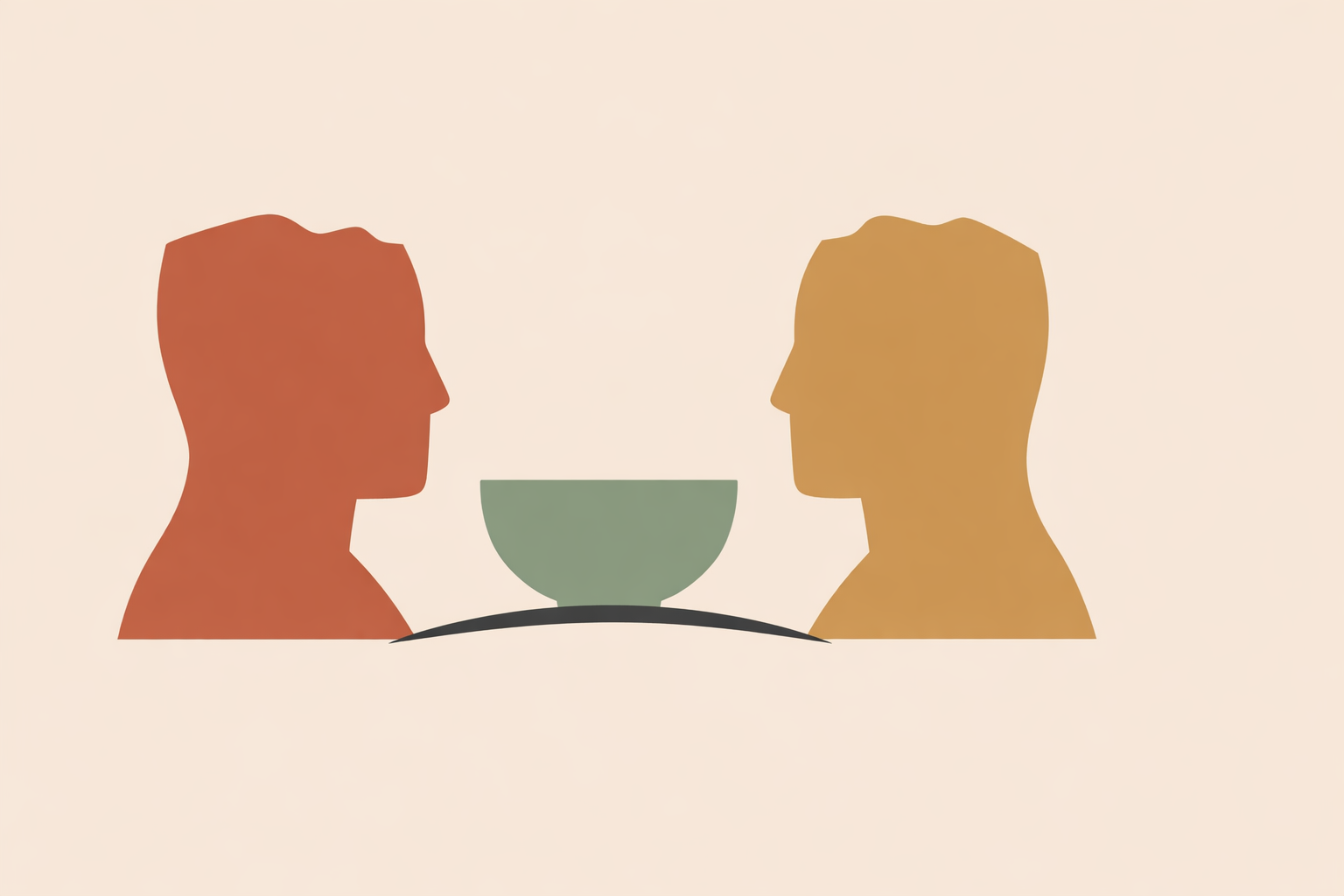
Communication depends on more than vocabulary. Timing, tone, pacing, implication, and social fit can determine whether a message lands.
This is the realm of pragmatics: turn-taking, repair, emphasis, implied meaning, and sensing what kind of answer the moment calls for. A sentence can be technically clear and still miss because the emotional tone or social framing doesn’t match the person’s context.
Under pressure, many people respond better to direct language. Subtle or layered phrasing can be harder to use than one plain sentence. What looks like withdrawal can also be processing time.
Nonverbal cues matter, but they should be held lightly. Eye contact, silence, gesture, volume, distance, and facial expression vary widely across individuals and cultures. A pause may signal reflection. A direct tone may reflect clarity.
Useful repair questions include:
- “Do you want the short version or the fuller version?”
- “Would it help if I gave you the exact words?”
- “Should we slow this down?”
These choices keep the interaction collaborative and reduce the risk of talking past the person in front of you.
Language, Culture, and Ancestral Communication Practices
Culture shapes how language is learned, remembered, valued, and used. It influences pace, metaphor, politeness, emotional expression, silence, repetition, and what counts as meaningful.
Bilingualism, dialect, and community speech patterns matter. A person may switch languages when emotion rises, search for one concept in one language and another elsewhere, or prefer expressions rooted in family and tradition. This is useful context for making communication work for that individual.
Many ancestral traditions use oral storytelling, song, repetition, prayer, and rhythm to strengthen memory and belonging. Used respectfully, these forms can support brain health work because repeated, meaningful language has always been part of human learning. The goal is not to borrow sacred practices casually; it is to recognize what helps people remember and act.
When communication stakes are high, using the client’s preferred language is often wise when possible and appropriate. If interpretation is needed, a professional interpreter is generally a better choice than relying on family members for important communication.
A culture-blind approach can miss crucial factors such as language exposure, educational access, communication norms, and familiarity with formal verbal tasks. Inclusive practice starts with curiosity.
You might ask:
- “Which language feels easiest for this conversation?”
- “Do you want this explained more directly or more gently?”
- “Is there a phrase from your own tradition or daily life that would help this stick?”
That level of care makes support more grounded, respectful, and effective.
Observing Patterns Without Overstepping
In practice, it is enough to notice what helps and what gets in the way.
You can describe observable patterns without assigning causes. For example:
- “Client follows one-step guidance more easily than multi-step guidance.”
- “Written summaries improve follow-through.”
- “Word-finding becomes slower during emotionally loaded topics.”
- “Pacing and pauses improve engagement.”
This keeps your notes useful, ethical, and within scope.
If a communication difficulty is sudden, clearly worsening, safety-relevant, or continues despite reasonable adjustments, it may be appropriate to encourage additional support from a suitably qualified professional. Before that step, it helps to confirm you have already reduced load, matched language to preference, and adapted the format enough to give the person a fair chance to succeed.
A respectful script can be simple: “I’m noticing this still feels hard even with slower pacing and clearer structure. It may be helpful to bring in someone with more specialized expertise, such as neuropsychology, so you have the right support.”
Bringing It Into Everyday Practice
Communication works best when it matches the brain’s available capacity.
Shorter sentences, slower pacing, visible structure, meaningful repetition, and teach-back are often the difference between a plan that sounds good in session and a plan that actually gets used at home.
This is where contemporary brain-based understanding and traditional wisdom align. Repetition, rhythm, story, and carefully chosen words have long helped people remember, organize, and act. Used with integrity, they remain practical tools for modern work, including neuroscience and brain health practice.
In your next session, start with one shift:
- speak in single-idea sentences
- pause after each step
- end with a brief teach-back
Then watch what changes. Often, the client doesn’t need more information. They need language that fits their real capacity in the moment.
Explore Neuropsychology Certification
Connect low-load communication strategies to brain-based practice in the Neuropsychology Certification.
Explore Neuropsychology →