If you use music to support people living with dementia, you’ve probably seen both sides: a familiar chorus that steadies a morning wash, and a well-meant “golden oldies” playlist that leaves someone agitated or flat. The gap is rarely about volume or devices. It’s about fit.
Generic playlists often miss the very things that make a song feel like “mine”: language, faith, migration history, and the personal memories that give music its meaning. In busy settings, it’s also easy to default to whatever is closest at hand. When the match is off, support can become harder—resistance can rise, mealtimes can stall, and music stops being the gentle ally it could have been.
Key Takeaway: Music support works best when it is person-centered and culture-safe, grounded in life history rather than generic era playlists. Build purpose-based playlists for routines and transitions, watch for distress triggers and environmental overload, and keep refining choices as the person’s responses and needs change over time.
Start with a music life story, not a playlist
The strongest music support begins before a single track is chosen. Start with the person’s story, then let the music follow.
A music life story surfaces the voices, places, rituals, and memories that still matter. It’s usually steadier—and kinder—than guessing through trial and error, because choices stay anchored in lived experience rather than broad assumptions.
Ask about childhood lullabies, school songs, dances, faith gatherings, protest songs, first concerts, road trips, weddings, radio habits, and family celebrations. Notice who was there, what language was used, and how the music feels in the body now. Often, that emotional context matters as much as the title.
As you gather songs, prioritize formative years. Music from the teens through midlife often carries the strongest imprint. That’s also why music from earlier adult years can support recall of long-term memories more reliably than a generic era-based playlist.
It can help to pair songs with familiar objects and images. A wedding photo, choir robe, record sleeve, scarf, or family keepsake adds a second “pathway” into recognition. Photos and objects often deepen engagement and help the moment feel more grounded.
When reminiscence lands well, confidence can return in small but meaningful ways—“I know this,” “I remember that,” “this is mine.” Dementia UK puts it plainly: “Music can help a person with dementia to connect with the past by evoking memories, feelings and emotions that they might otherwise find hard to express.”
- Ask open questions: Who did you dance to? What did your family sing together? What music marked important milestones?
- Map life chapters: home regions, migrations, languages, faith settings, school, work, celebrations, grief, activism, and community life.
- Note emotional meaning, not just song titles.
- Create a living “Music Life Story” that can be updated over time.
- Invite trusted family or supporters to fill in gaps, especially when memory is patchy.
Only after this story is clear should you build playlists. Person first, music second.
Build culture-safe playlists that feel like home
Once you know the story, translate it into playlists that genuinely reflect the person’s world. This is where culture-safe practice matters most.
Music is never just sound. It carries language, belonging, prayer, celebration, migration, grief, class, politics, and memory. That’s why one-size-fits-all playlists so often miss. When the choices are shaped by identity—not generic genre labels—support tends to feel more respectful and more settling.
Use the story to guide practical decisions. Which languages feel most like home? Which songs belong to prayer times, feast days, weddings, mourning, fasting months, or family gatherings? Which artists traveled with them through migration or major life changes? Aligning music with these rhythms often helps the person relax into the moment.
Be just as clear about what to avoid. Some songs are not simply “sad”—they can be tied to grief, trauma, political violence, exclusion, or painful loss. In dementia support, distress triggers are real, and they deserve careful documentation.
To keep things easy for everyone supporting the person, organize playlists by purpose rather than making one long mixed list. Functional playlists can quickly become part of the daily rhythm: mealtime, washing, resting, walking, welcoming visitors, winding down, or singing together.
- Lead with heart language, and separate playlists if the person is multilingual.
- Include beloved spiritual or devotional music where appropriate.
- Reflect migration history: village songs, city sounds, diaspora artists, and family favorites.
- Filter out songs linked to grief, discrimination, conflict, or painful memories unless clearly invited.
- Label playlists by purpose so anyone supporting the person can use them confidently.
- Keep access simple with easy devices and a short written guide.
When a playlist reflects lineage, memory, and daily life, people often soften into it. Recognition matters more than novelty ever will.
Use music to support daily routines and transitions
Familiar music can gently hold the shape of the day. Used well, it supports orientation, softens transitions, and makes everyday tasks feel less abrupt.
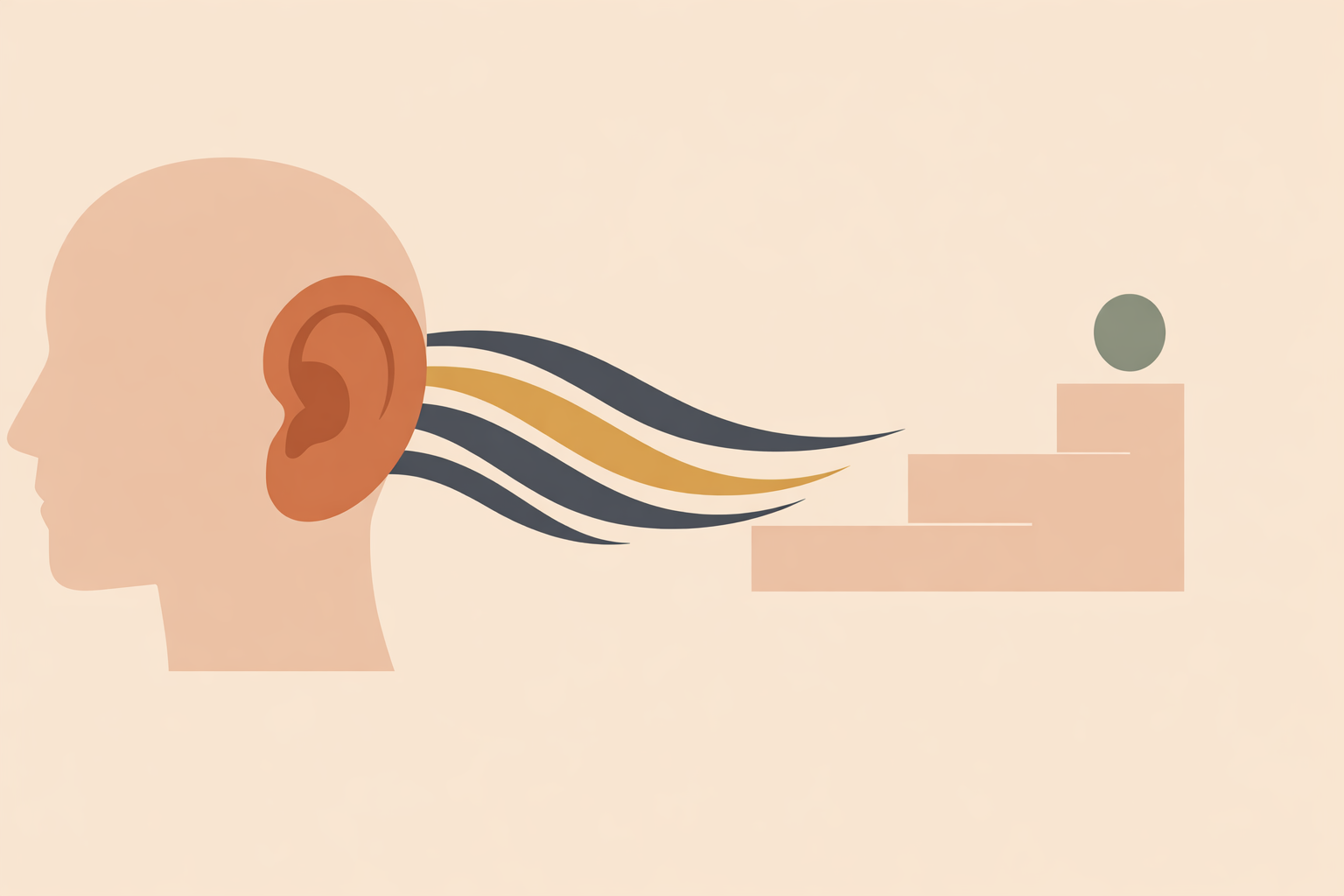
For many people living with dementia, time may no longer feel predictable. A regular song before washing, another before meals, and another for rest can become a dependable rhythm. In this way, music can re-establish daily structure when time orientation is less steady.
Familiar music during routine tasks can also soften transitions and reduce resistance, supporting dignity through the “in-between” moments: moving to the table, getting dressed, settling into bed. Think of it like a friendly signpost—“we’re moving on now, and you’re safe.”
Many practitioners lean on steady tempos and recurring cue songs as behavioral anchors for hygiene, meals, movement, and winding down. It’s simple, repeatable, and effective precisely because it asks less of language and more of familiarity.
Where the music truly matches the person’s preferences, it can also de-escalate agitation and invite cooperation. One systematic review notes, “Training in live music may contribute to the delivery of quality care by contributing to formal caregivers’ understanding and application of person-centered care,” and that using live music in the moment can “elicit mutual experiences of wellbeing, relationship, connection and cooperation.”
- Choose one consistent cue song for each regular transition.
- Use slower, steady rhythms for calming moments and slightly brighter tempos for movement.
- Keep songs short and purposeful; one to three tracks is often enough.
- Hum, clap, sway, or sing along when that feels natural.
- Review the effect: did the music help this part of the day feel easier, softer, or more connected?
Over time, these musical micro-rituals can become trusted anchors—supporting both the person and the wider team.
Use group music and gentle movement to build connection
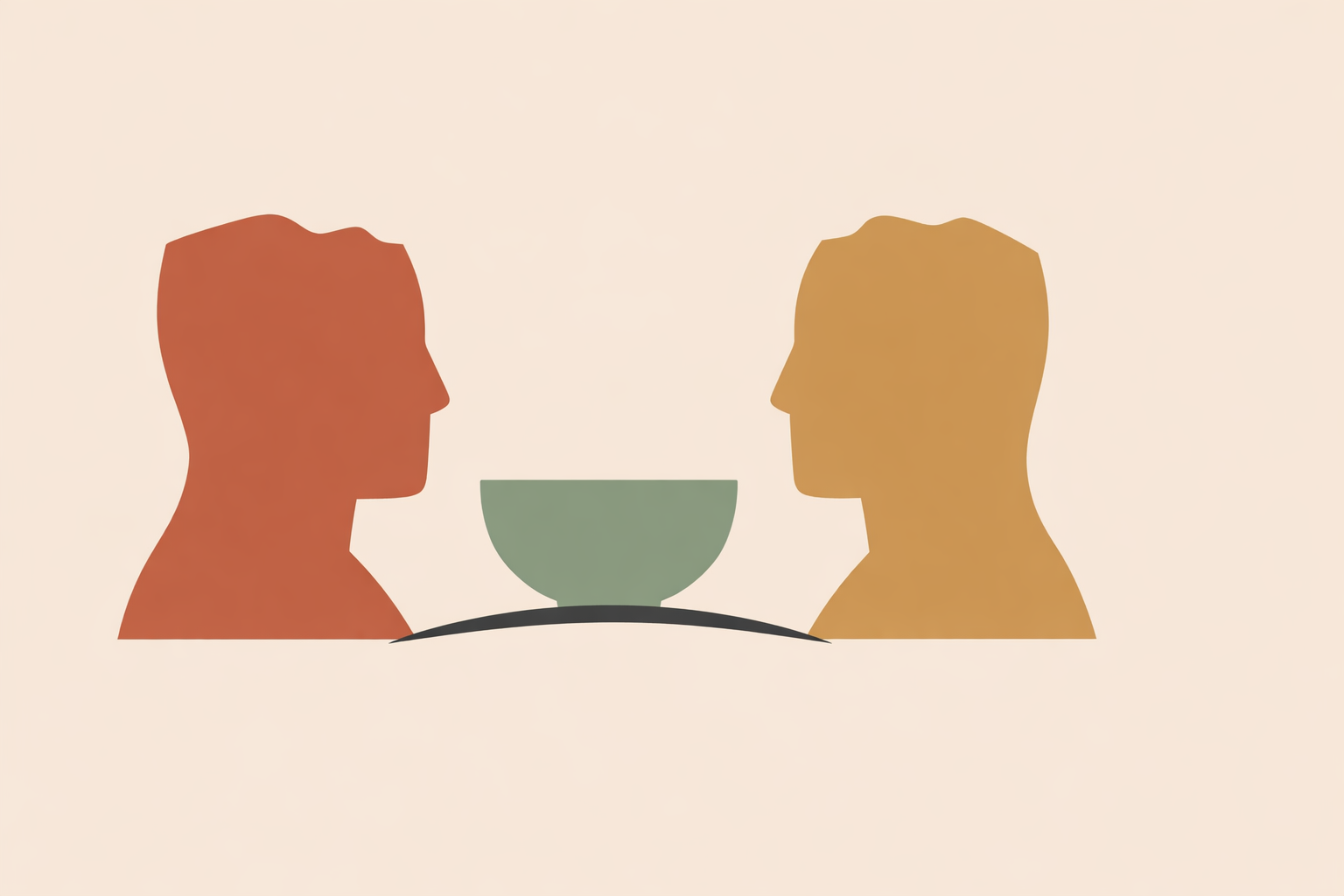
Music is often at its strongest when it’s shared. Beyond solo listening, group singing, gentle movement, and simple instruments can bring people back into connection with one another.
Across many traditions, music belongs to the community: sung at tables, in faith spaces, at weddings, in courtyards, at seasonal gatherings. Bringing that spirit into dementia support can ease isolation and restore a felt sense of belonging. Reviews suggest group music activities can strengthen belonging and support social connection for people living with dementia and those around them.
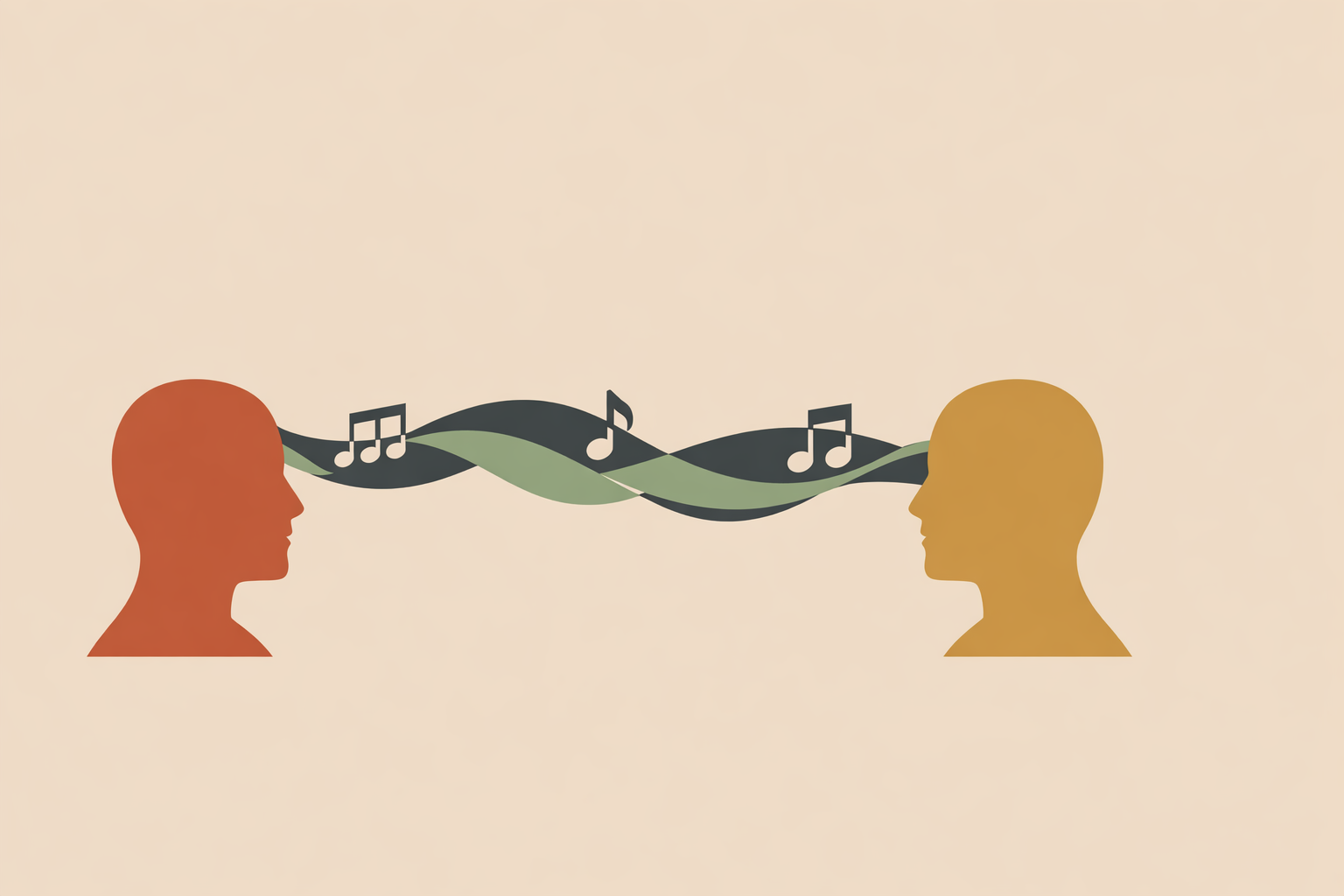
The aim isn’t performance. It’s participation—shared breath, shared rhythm, and a moment where “we” matters more than “how well.”
Simple structure helps: a small set of repeated songs, call-and-response singing, seated swaying, scarf movement, hand percussion, or foot tapping. When delivered safely, structured group music can support motor coordination and confidence too.
Large trials add useful nuance: “Taken together with earlier evidence, intensive, active music intervention with primary focus on singing designed and supervised by credentialed music therapists can significantly improve depression in care home residents with dementia and depressive symptoms,” and that “structured group singing can improve depression and neuropsychiatric symptoms and is easily scalable.”
- Use familiar songs people can join without pressure.
- Keep movement seated or gently supported when needed.
- Repeat the same order each week to build confidence.
- Draw from the culture of the group, not from generic entertainment.
- Invite family and staff to join, so the sense of “we” extends beyond the session.
When voices blend and bodies move together, connection often returns before words do.
Watch for red flags and adapt as needs change
Good music support stays responsive. The plan matters, but the person’s response matters more.
Sound can soothe, but it can also overwhelm—especially in environments already full of competing noise like TV, chatter, and announcements. When the soundscape is crowded, even a perfect song can land poorly.
Layered or overly loud music can increase distress. Start low, keep it simple, and watch closely for the first signs of comfort or discomfort.
Some songs reliably stir pain because they’re bound to bereavement, conflict, exclusion, or trauma. If the person turns away, frowns, becomes restless, or seems flooded, stop the music and regroup. The relationship is always more important than finishing the track.
Familiar, preference-aligned music may also lower stress in more advanced dementia, but only when it is genuinely welcome and matched with care.
- Lower competing sound before beginning.
- Start with modest volume and short listening periods.
- Watch body language: softening, singing, stillness, and relaxed breathing are good signs, alongside the kind of observable shifts teams often note when tracking early signs.
- Pause quickly if there is wincing, turning away, agitation, or visible discomfort.
- Keep a short written note of preferred songs, triggers, best times, and ideal volume.
- Review choices regularly; musical responses can change over time.
Flexibility is part of the work. As dementia changes, music support should change with it.
Closing reflection
Person-centered, culture-safe music support begins with story and stays rooted in relationship. From there, it becomes easier to build playlists that honor language, memory, and faith; to use music thoughtfully through the day; to create group moments that restore belonging; and to stay alert to what helps and what doesn’t.
In everyday practice, this can stay beautifully simple: a one-page music life story by the bedside, two purpose-built playlists on an easy device, a familiar cue song before meals, a weekly singing circle, and a short note that protects everyone from avoidable triggers.
The wider evidence base broadly supports what practitioners have long observed: individualized music can improve affect, ease agitation, and increase engagement when it’s used with care and respect. As one research team concluded, “regular musical activities can have an important role in maintaining cognitive ability, enhancing mood and QOL.”
At Naturalistico, we hold a simple ethic: let music serve identity, not the other way around. When you work this way, you’re not just making playlists—you’re creating pathways back to familiarity, dignity, community, and moments of joy that still live in the body, grounded in real skill and a person-centered way of showing up.
Advance Dementia Care Skills
Go deeper into person-centered approaches with the Dementia Certification Course, including culture-safe engagement and daily support strategies.
Explore the Dementia Course →