Many practitioners hit the same wall: a client recounts a meeting and either speeds up, goes flat, or drops eye contact. Your prompts get shorter, the tools feel clumsy, and talking harder doesn’t help. Or you share a thoughtful regulation worksheet that never gets used. Often, the problem isn’t effort or skill—it’s a mismatch between someone’s autonomic state and the support you’re offering.
Key Takeaway: Polyvagal-informed practice becomes more useful when you match pacing, language, and tools to the state in front of you. A simple map of connection, mobilization, and shutdown helps you track what is happening in real time, choose a fitting intervention, and build small repeatable practices that expand capacity over time.
The Autonomic Map: Connection, Mobilization, and Shutdown
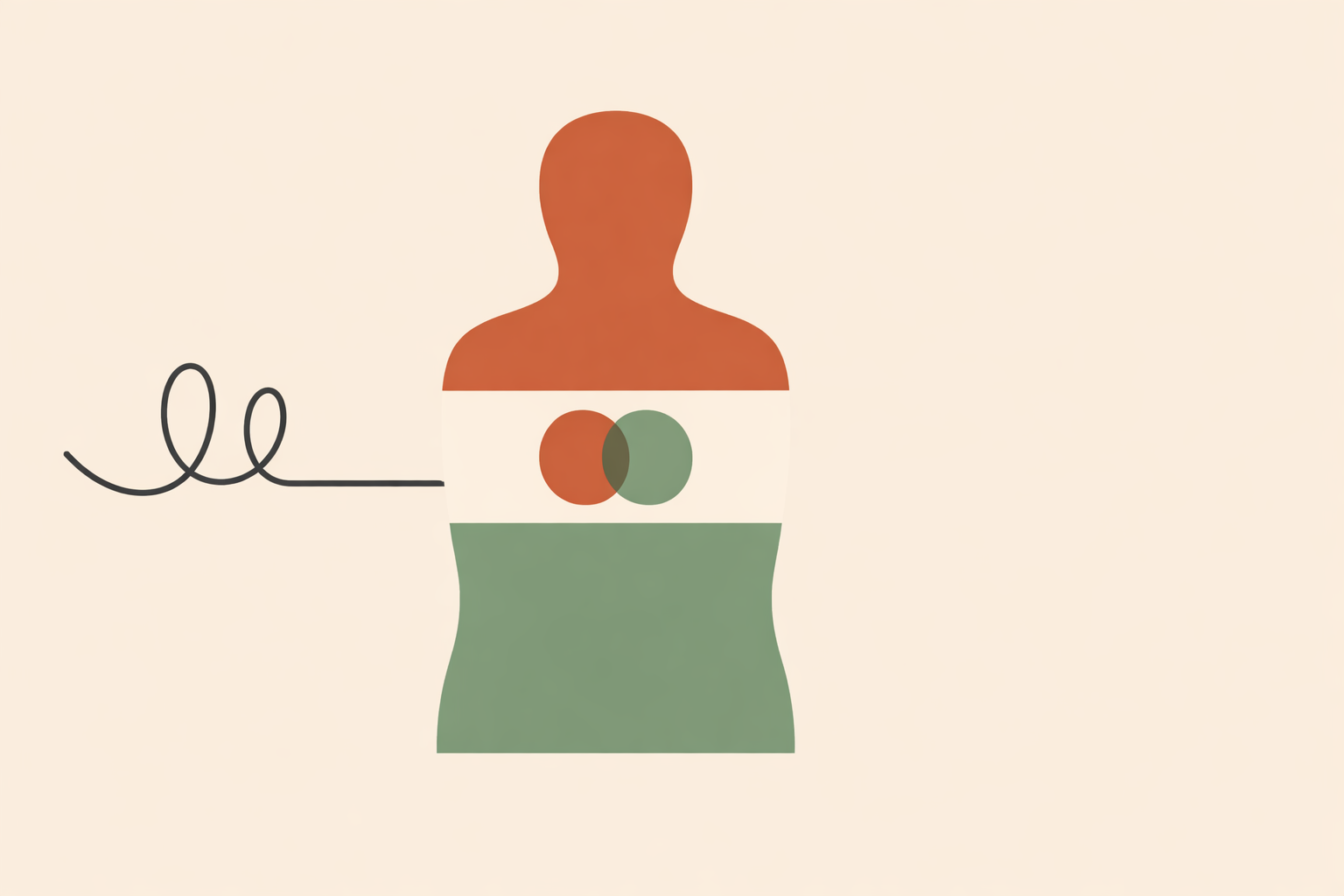
A practical polyvagal map starts with one core idea: the autonomic nervous system shifts between connection, mobilization, and shutdown based on perceived safety, often below conscious awareness.
In the room, this becomes a clear lens. When safety is sensed, facial muscles, middle-ear tuning, breathing, heart rhythms, and voice tend to coordinate as a social engagement system. When threat takes over, the system often moves toward sympathetic mobilization or dorsal conservation. These shifts aren’t failures; they’re adaptive responses.
For day-to-day use, a simple three-state map is usually enough:
- Connection: curiosity, relational presence, flexible breath, more choice
- Mobilization: fast thoughts, tight jaw, restless limbs, urgency
- Shutdown: heavy limbs, foggy thinking, social withdrawal, reduced energy
This is a working map, not a rigid label. People move between states quickly, and mixed states are common.
Keep your language direct: “As you describe that moment, do you feel more activated, more shut down, or more available for connection?” Once someone can locate themselves, your next step is usually obvious.
Tracking State and the Window of Presence
After identifying state, the next task is noticing capacity within that state. Many practitioners use Window of Presence to describe the bandwidth in which someone can feel, think, choose, and connect without becoming overwhelmed or numb.
A quick check-in is often enough:
- Body: warm or cool, heavy or buzzy, settled or braced
- Mind: clear, crowded, or foggy
- Connection: open, guarded, or far away
- Capacity: “How much choice do you feel right now?”
Interoceptive awareness strengthens with practice. Over time, people usually get better at naming subtle cues before they swell into overwhelm.
Try a 60- to 90-second mapping drill: “What do you notice in your chest, jaw, belly, and breath? What feels easiest right now, and what feels least available?” Keep their own words in your notes. “My chest is buzzing” or “it feels like a dimmer switch” often guides you better than technical terms.
Progress tends to show up in lived experience first: quicker recovery, more range in the voice, less collapse after stress. Those are meaningful signs of widening capacity.
Co-Regulation, Attunement, and Repair
Attunement isn’t about getting everything right. It’s about noticing mismatch early, adjusting, and returning to enough safety for the work to continue.
The nervous system often learns through a repeated rhythm: mismatch, repair, return. Small relational adjustments can have outsized impact because they teach the body what “coming back” feels like.
Three co-regulation moves are especially versatile:
- Prosody: a warm, paced voice with room for silence
- Orientation: gently noticing the room, exits, windows, colors, and stable objects
- Rhythmic breath: one slower exhale together, then another
Adults benefit from this kind of back-and-forth regulation just as children do. Often, what helps most is a timely repair: changing distance, slowing your pace, lowering visual demand, or naming that you may have moved too fast.
Useful script: “I noticed your shoulders rise when I said that. We can slow down, pause, or change direction.”
Another simple repair: “I leaned in when you leaned back. I’m going to give a little more space. Tell me when the distance feels right.” These moments build trust because they show the person their cues are being respected.
Building a Small Regulation Toolkit
Most people do better with a few reliable tools than with a long list they never use. Build a compact toolkit around state, not novelty.
A helpful structure is to choose supports from four areas:
- breath
- voice
- movement
- temperature or sensory input
For people who like measurable feedback, HRV can be a useful data point when it’s paired with felt experience. Research suggests useful tracking may come from HRV-based practice, though interpretation should stay modest and contextual.
Slow resonance breathing is a common anchor because paced breathing sits at the core of HRV biofeedback practice. Voice-based tools such as humming or long-vowel toning are also widely used in polyvagal-informed work and fit naturally within vagus nerve regulation practice. A brief facial cold-water splash is another familiar option for some people, especially when mobilization feels high.
Example toolkit for a mobilized state:
- Breath: slow, even breathing for 1 to 3 minutes
- Voice: 60 to 90 seconds of humming or a long low vowel
- Movement: slow stepping, swaying, or wall push
- Temperature: cool water on the cheeks, then hands on the ribs
Keep the toolkit small enough that it fits real life on real days.
Breath, Voice, and Rhythm in One-Minute Resets
When time is short, one-minute practices are often the most realistic. Repetition builds familiarity, and familiarity builds use.
One dependable reset is this:
- inhale gently
- exhale a little longer than you inhaled
- add a soft hum or low vowel on one or two exhales
This combination of longer exhale, vocal vibration, and attention is enough to create a noticeable shift for many people. If vocalizing feels awkward, rhythm can do similar work. Gentle rocking or stepping in place to a steady beat often helps the body settle into a more organized tempo.
Useful language: “Let’s find a rhythm your body can join without effort.”
Short practices also lower resistance. Two or three rounds of 10-second humming across the day often sticks better than a longer exercise that keeps getting postponed.
Designing the Environment for Regulation
Environment matters because the nervous system is always reading cues. Rooms are not neutral.
Before adding more tools, adjust what the space is already communicating:
- Light: soften glare and avoid harsh overhead brightness where possible
- Sound: reduce abrupt or high-frequency noise
- Sightlines: keep exits clear and orientation easy
- Texture: choose stable seating and comfortable materials
Daily rhythms matter too. Morning light is widely used to help anchor circadian rhythms. Time near trees, fresh air, or even a brief view of sky can also support a steadier inner pace. Traditions such as shinrin-yoku have long emphasized the settling value of time in and around nature.
Small environmental rituals make practice easier: a chair by a window, a grounding object by the door, a soft scarf, a bowl of stones, or a written cue card with one familiar breath pattern.
Titration, Play, and Somatic Completion
When activation is strong, slower is usually wiser. Titration means approaching intensity in small doses, then returning to a resource before the system becomes flooded.
A simple rhythm often works well:
- 30 to 60 seconds with the edge of the experience
- 60 to 90 seconds with a resource
- repeat for 3 to 4 rounds
Keep intensity low enough that the person can still speak, notice sensation, and make choices. When those capacities drop out, the dose is too high.
Somatic completion can help when defensive energy feels unfinished. A gentle push into a wall, pressing into a cushion, or a grounded stepping action can give the body a way to complete an impulse without overwhelm. Afterward, pause and let the settling phase arrive.
Play belongs here too. For some people, playful movement softens defensive rigidity faster than extended analysis. Tossing a ball while practicing boundary words, experimenting with posture, or moving with a bit of humor can create change without making the process heavy.
Inclusive and Culturally Responsive Practice
Safety is never purely individual. It’s shaped by culture, history, context, and lived experience. What settles one person might feel exposing or unfamiliar to another.
Culturally responsive somatic work begins with curiosity, not assumption. Ask what signals comfort, what creates friction, and what support already exists in the person’s own world.
Helpful questions include:
- “What helps a space feel easier for you?”
- “Do you prefer more eye contact, less eye contact, or no preference?”
- “Would verbal guidance, demonstration, or quiet practice feel best?”
- “Are there sounds, objects, scents, or rituals from home that help you settle?”
Chronic social stressors can accumulate over time, and many practitioners see the effects clearly in regulation capacity, vigilance, fatigue, and relational ease. Respecting that context makes the work more honest and more effective.
Sometimes the most supportive adjustment is also the simplest: reducing sensory load, changing seating position, allowing movement, making touch fully optional, or removing the expectation of sustained eye contact.
Subtle Body Integration and Grounding Rituals
Many people already understand their inner life through subtle-body or spiritual language. When that language is genuinely theirs, it can be integrated skillfully rather than sidelined.
If someone uses chakra mapping, energetic language, prayer, or ancestral ritual as part of meaning-making, you can bridge that with state tracking in a grounded way. For example: “As you notice your breath, you might also notice the area around the solar plexus. What feels present there today?”
This keeps the focus on lived experience while honoring the person’s framework.
Grounding rituals can also support regulation when they are culturally congruent and freely chosen. Depending on the person, that might look like:
- a brief blessing before beginning
- palm to earth or hand to heart
- a foot soak after an intense session
- a meaningful object placed nearby
- a candle, prayer, or simple closing gesture
Ask first, keep it sincere, and avoid borrowing from traditions in a superficial way. The aim is not performance. It is support, belonging, and meaning.
Boundaries, Consent, and the Practitioner’s Own State
Your own nervous system shapes the room. Pace, voice, facial tone, and internal urgency all register.
A brief pre-session check helps:
- soften your jaw and eyes
- lengthen one exhale
- feel your feet
- set the intention to invite rather than push
Consent should stay active throughout the session, not only at the beginning. Offer choices often, and normalize changing one’s mind.
Useful wording:
- “Would you like to continue, adjust, or pause?”
- “Do you want verbal guidance only, or shall I demonstrate?”
- “Is this enough, or would less feel better?”
Clear boundaries also protect the work. Scope is strengthened when you speak plainly about what you do support and when additional forms of support may be appropriate.
Measuring Progress Without Losing the Human Picture
Progress is easier to notice when you track both observable signs and personal experience. Numbers can help, but they’re only part of the story.
Markers you might chart include:
- exhale length
- ease of eye contact or voice range
- time needed to settle after stress
- capacity to notice activation earlier
- willingness to use tools in real life
- optional HRV snapshots collected consistently
Some people enjoy seeing whether HRV shifts over time with practice. Others care far more about practical changes like recovering faster after conflict, feeling less frozen in groups, or speaking clearly under pressure.
Simple note template:
- Start state: activated, shut down, mixed, or connected
- Main cues: jaw, breath, gaze, posture, tempo
- Supports used: breath, orientation, humming, movement, sensory shifts
- End state: what changed, even slightly
- Home practice: one or two brief actions only
Look for increased flexibility rather than perfection. The goal is to make activation more workable and connection more reachable, not to eliminate normal protective responses.
When to Slow Down
Some approaches need more care, especially with people who have a history of overwhelm, dissociation, or strong breath sensitivity.
Practical guardrails:
- if longer exhales bring dizziness or panic, reduce the ratio and return to normal breathing
- if vocal toning brings up strong emotion too quickly, make the sound softer or switch to silent exhale
- if cold water feels too intense, skip it
- if touch has not been clearly welcomed, leave it out
When you overshoot, repair immediately. Pause, orient to the room, reduce intensity, and return to the simplest available support. A clean repair often matters more than avoiding every mistake.
From Practice to Pattern
Lasting change usually comes through repetition, not intensity. Traditional lineages have long understood this through chant, breath, rhythm, prayer, and daily ritual. In modern language, we might speak of learning through repeated experience. In practice, it simply means the nervous system changes by doing.
That’s why very short daily practices often work best. Two one-minute resets are more likely to become part of life than one longer routine that keeps getting skipped.
A practical plan might be:
- choose one breath pattern
- choose one sound or hum
- choose one movement or orientation practice
- repeat them daily for two weeks
As consistency builds, many people notice shutdown becomes less sticky, activation becomes easier to move, and connection becomes more available. The window widens gradually.
Walking the Polyvagal Path with Integrity
Polyvagal-informed practice works best when it stays simple, relational, and respectful. A clear autonomic map helps, and the real craft is applying it in the moment: pacing with care, speaking plainly, and staying responsive to the person in front of you.
Traditional wisdom and modern language meet well here. Breath, sound, rhythm, ritual, environment, and relationship all have a place when they’re used with care and matched to real experience, whether you are deepening trauma and emotional healing work broadly or focusing more specifically on polyvagal therapy.
Move steadily. Let people define what safety feels like for them. Track small changes, repair quickly, and trust repetition. Over time, activation becomes more workable, shutdown softens, and connection grows in a way that feels steady and deeply human.
Explore Polyvagal Therapy Certification
Deepen your state-tracking and co-regulation skills with the Polyvagal Therapy Certification.
Explore Polyvagal Therapy →