Many autism practitioners are trained to manage behavior: redirect, prompt, de-escalate. That works until it doesn’t, like when someone bolts from a corridor, goes quiet mid-sentence, or a meltdown builds despite clear instructions. In those moments, more talking and tighter demands often amplify distress.
A polyvagal-informed lens offers a different starting point. Instead of pushing harder on behavior, it helps you read state and adjust your presence, language, and environment. The result is often steadier engagement, clearer consent, and coaching that stays workable when energy surges or collapses.
Key Takeaway: Neurodiversity-affirming, polyvagal-informed coaching works by reading and co-regulating state rather than managing behavior. The article opens with the shift to nervous-system listening and the ventral–sympathetic–dorsal map that reframes challenging moments. It then shows how to track autistic state changes; how to read faces, voices, and pacing as live cues; how to support sympathetic surges with low-demand choices; how to meet shutdown and burnout with reduced input and alternative communication; how to tune prosody, pauses, and gaze; and how to let the room co-regulate through predictable, user-controlled sensory design.
Mapping autistic states: ventral, mobilized, and shut down
Autistic clients often move between states rather than presenting one fixed way of being. Having a simple map helps you notice shifts without over-interpreting them.
In a ventral state, there’s usually more access to curiosity, flexible attention, and play. Coaching tends to feel collaborative here: choices land, consent is clearer, and reflection is easier.
In a sympathetic state, energy rises. You might see pacing, a sharper tone, quicker speech, scanning eyes, repetitive movement, or a strong urge to leave. As mobilization increases, verbal processing often drops, so more explanation rarely helps.
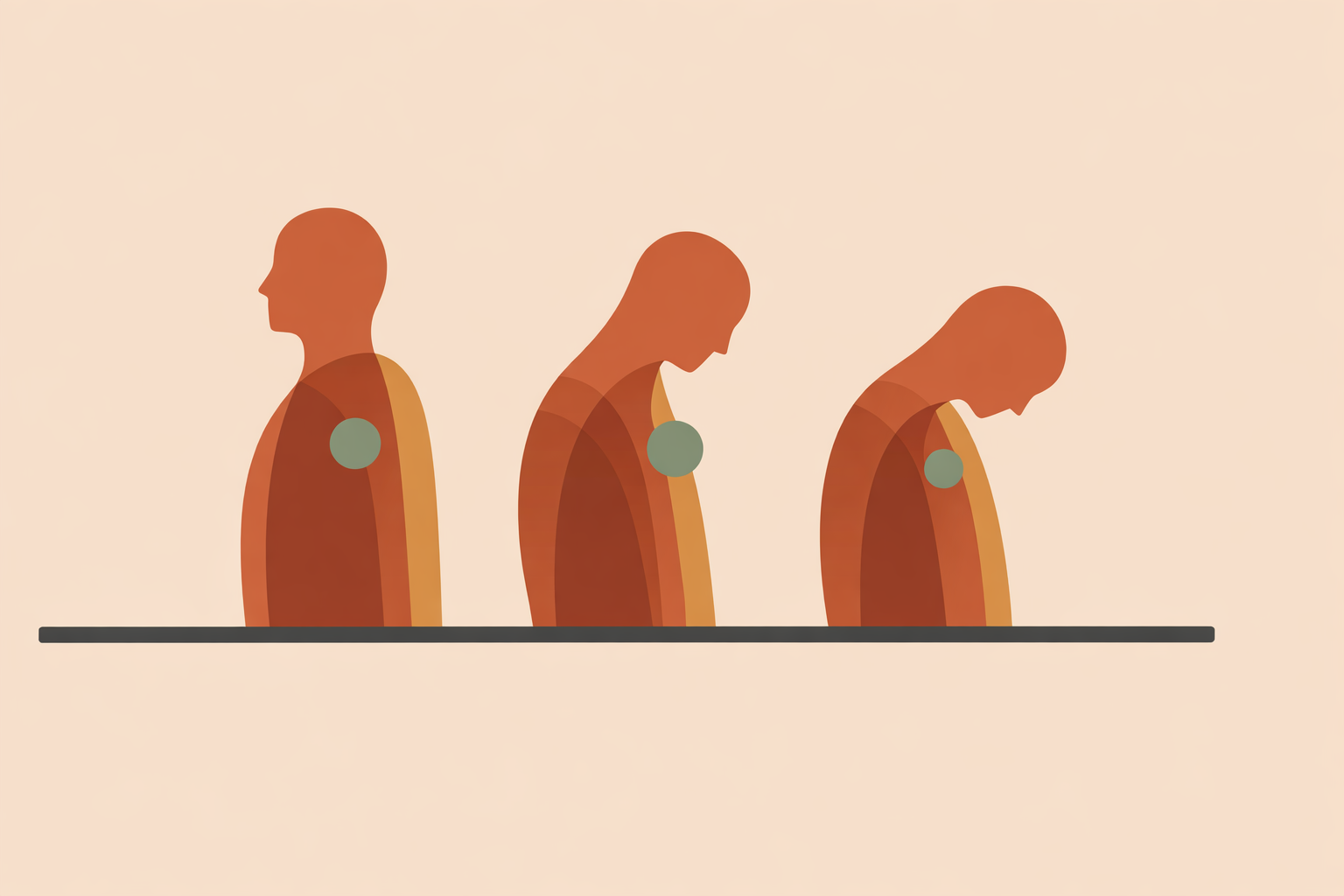
In a dorsal state, the system conserves energy. Speech can thin out, posture may slump, gaze may flatten, and someone can look calm while feeling overwhelmed, exhausted, or numb. Autistic shutdown commonly includes heavy fatigue, cognitive fog, and a strong need for reduced input.
Over longer timeframes, many autistic adults describe cycles of high effort followed by collapse, reflected in research on autistic burnout. That literature highlights chronic exhaustion, reduced tolerance, and loss of capacities that often return only with time and support.
- Ventral: relaxed shoulders, wider gaze, easier back-and-forth, more spontaneity.
- Sympathetic: faster breath, pacing, louder tone, rising urgency, reduced flexibility.
- Dorsal: few words, slumped posture, slowed responses, blank gaze, strong need to reduce input.
Used gently, this map improves note-taking too. It helps you document observable cues and what supported regulation, rather than labeling someone as resistant, dramatic, or disengaged.
Reading the room: co-regulation cues you can actually see
Neuroception is the body’s ongoing scan for safety or threat. In sessions, you often see it first in timing, voice, posture, breath, and facial shifts. Because this scan is constant, small changes like a brighter light, a louder fan, a faster tone, or a surprise schedule shift can tip a session from ease to overload.
Facial expression and tone changes can be read as real autonomic signals, not just “social skills.” A softer jaw, slower speech, or fuller breath often points to more safety. A clipped tone, widened eyes, or sudden stillness can signal rising load.
Stimming belongs in the same picture. Rocking, tapping, humming, and hand movements are often effective self-regulation. Suppressing them can remove a support the person is already using well.
For many autistic people, human interaction itself can stack sensory demands. Research suggests sensory and social experiences are closely linked, and sensory processing differences strongly shape social participation. Voice, face, movement, proximity, and unpredictability can all add up quickly.
Clear structure often acts like a safety cue. Advance agendas, visual timelines, and predictable routines reduce uncertainty and help regulation stay steadier, especially in autism coaching sessions.
- If you see scanning eyes, foot jiggling, faster breath: lower your voice, simplify the next step, offer a break.
- If you see stillness, head down, one-word replies: reduce demands, switch modality, soften the room.
- If you hear strain in the voice—yours or theirs: slow cadence, lengthen pauses, and give processing time.
A useful line is: “We can slow down. Would you like to write, speak, or sit quietly for two minutes?”
When energy spikes: supporting sympathetic surges and meltdowns
When sympathetic energy rises, your first job is co-regulation, not interpretation. In high-distress moments, increased talking and tighter demands often amplify distress, while low-word, concrete support tends to work better.
Meltdowns are best understood as overload responses rather than power struggles. When you meet them with low-demand supports and steady presence, it’s often easier to return to consent-based, client-led coaching after the wave has passed.
Your voice matters. Warm, slightly slower, lower-pitched speech is more likely to be processed as safe, while rapid or clipped speech can communicate urgency. During a surge, fewer words usually help more than better words.
- Ground yourself: soften your jaw, lower your shoulders, steady your breath, and avoid moving in quickly.
- Offer two concrete choices: “Hallway or dim corner?” “Hood up or headphones?”
- Protect time: stay nearby without pressure and allow a quiet pocket before checking in again.
Helpful micro-scripts:
- “I’m here. We can move or dim the light.”
- “Fewer words now. Door open or closed?”
- “We can pause. No need to explain.”
After a meltdown or surge, delaying the full debrief often supports recovery. A small note about what helped is usually enough until the nervous system has truly settled.
When everything goes quiet: supporting shutdown and autistic burnout
Shutdown can look deceptively calm. Someone may appear still or compliant while feeling flooded, depleted, or unreachable. Externally quiet does not always mean internally settled.
Reduced input often helps more than encouragement to push through. Dimming light, lowering sound, pausing questions, and stepping back from spoken language can reduce load quickly.
In dorsal states, interoceptive practices such as guided breathing are often inaccessible as a first step. External adjustments tend to be more workable: less noise, less social demand, fewer decisions, and a clear exit from pressure.
Alternative communication protects consent and collaboration when speech drops out. Text, AAC, visuals, yes/no cards, nodding, pointing, and shared writing can keep the work client-led. Many autistic people also communicate more clearly when they can look away rather than hold eye contact.
Longer arcs of collapse deserve the same respect. Research on autistic burnout describes chronic overload, exhaustion, and reduced capacity over time, and many practitioners also recognize burnout as an adaptive response to prolonged invalidation and sustained high effort.
- Reduce channels: dim lights, close extra tabs, silence alerts, simplify the space.
- Switch modalities: offer writing, pointing, typing, or choosing from visible options.
- Protect energy: scale the session down to one micro-step or no action step at all.
- End restoratively: quiet, humming, rocking, or shared stillness may be more useful than analysis.
Voice, timing, and gaze: tuning your cues for autistic clients
How you speak and how you use attention in the room can lower pressure or add to it. These cues become part of the co-regulating environment.
Longer processing time supports participation. Silence is often productive. When you rush to fill pauses, you can accidentally add urgency.
Gaze needs flexibility. Many autistic people communicate best when they can look away, focus on an object, or orient to a shared visual. Releasing eye-contact demands often reduces performance strain and supports clearer thinking.
Spoken-only communication can be tiring. Text, visuals, and AAC often fit autistic attention well, make choices more concrete, and create a record you can return to.
- Cadence: use short, clear sentences and leave space after each one.
- Gaze: normalize looking away; use a shared notebook, whiteboard, or agenda card.
- Choice menus: offer “type, speak, nod, or point” as standard options.
- Visual support: keep key words, steps, or options visible rather than spoken once and gone.
Often, the most supportive communication feels simple rather than polished.
Sensory-friendly spaces as co-regulation partners
The room is never neutral. It’s always helping regulation or pulling against it.
Research indicates that for autistic adults, sensory processing patterns strongly influence where they go, how long they stay, and how participation feels. The same work suggests overwhelming environments can be fatiguing and reduce engagement.
This matches what many practitioners see every day. Unpredictable, loud, visually chaotic spaces drain capacity, while predictable sensory-friendly spaces free up more room for connection, reflection, and values-based action.
User control is a powerful support. Lighting choices, sound options, tactile supports, seating variation, and clear room structure can make a space far more usable. When the environment carries some of the regulating load, clients have more energy for the work itself.
- Light: use softer lamps where possible and avoid harsh or flickering overheads.
- Sound: reduce echo, offer optional white noise, and keep ear defenders within reach.
- Visuals: declutter walls and surfaces; let the room feel legible at a glance.
- Scent: keep the space scent-light and avoid surprise aromas.
- Seating: offer real choice, such as upright seating, softer seating, or gentle movement options.
- Structure: display a simple 3-step agenda so the session has a visible shape.
Sometimes the room does half the work. A dimmer lamp, a familiar object in the same place, and a predictable agenda can lower effort before the session has properly begun.
Bringing it together in client-led autism coaching
Polyvagal-informed autism coaching comes to life through moment-to-moment choices: how you show up, how you pace, what you ask for, what you stop asking for, and how you shape the space around the work.
The through-line is steady and practical. Read state before behavior. Support regulation before reflection. Keep autonomy visible. Let communication stay flexible. Use the room, your voice, and your timing as active supports.
This approach also makes more room for autistic self-knowledge. Clear consent, lower demand, and client-led micro-steps support coaching that holds up outside the session, whether you are building an autism coaching practice or deepening broader neurodiversity coaching skills.
- Notice: track posture, voice, pacing, gaze, and sensory load.
- Name options: offer two concrete choices that reduce pressure.
- Co-design: turn insight into one small next step the client genuinely wants.
Used well, it becomes a compassionate partnership where nervous-system listening guides the process, and where support strengthens well-being, autonomy, and self-advocacy without asking the client to override themselves just to stay in the room.
Explore Autism Coach Certification
Deepen your polyvagal-informed, neurodiversity-affirming practice with the Autism Coach Certification.
Explore Autism Coach →