The default response to a chronically sleep-deprived client is often to do more: squeeze them in after hours, reply to late messages, and stack on extra suggestions. In practice, that usually backfires. Tired minds rarely absorb complex plans well, and sessions can quickly become foggy for both of you. When you start compensating by over-explaining or stretching your availability, attention, memory, and patience can fray right when steadiness matters most.
A more effective approach is to treat your energy as part of the support itself. When your structure is clear, your presence is clearer too. Sleep-focused coaching works best when it stays simple, boundaried, and repeatable: one change at a time, low-bandwidth sessions, thoughtful handling of reassurance, and calming practices that respect both tradition and scope.
Key Takeaway: Protecting coach energy is part of effective sleep support. Clear agreements, minimum-effective planning, and steady boundaries help chronically sleep-deprived clients absorb change without increasing dependency. A focused structure also helps you preserve precision, warmth, and consistency over time.
Why Coach Energy Matters in Sleep Support
Your steadiness shapes the quality of the work. When someone arrives running on fumes, even small decisions can feel heavy, and that depletion changes the pace of the whole session.
Fatigue also narrows attention and makes instructions harder to hold. That aligns with well-known effects on cognitive function, and with the everyday reality of attentional lapses that can leave clients forgetting agreements or losing track of what helped last week. Clear, short guidance lands better than long explanations.
Your capacity matters just as much. When you work late and sleep less to fit people in, nuance becomes easier to miss and patience wears thinner. That’s not a personal failing; it’s a predictable cost of depleted reserves.
Traditional systems have long treated deep, regular sleep as foundational for clarity and right relationship. From that viewpoint, boundaries are part of care. When a client says, “I tried five new things, and nothing worked,” it usually helps to slow the pace, keep one change, choose one calming practice such as guided imagery, and write the plan down together.
From Self-Sacrifice to Sustainable Support
Many helpers were taught, directly or indirectly, that good support means over-giving. In sleep work, that belief often creates more confusion than progress. You cannot model steadiness while repeatedly abandoning your own rest.
Ongoing sleep loss commonly shows up as reduced flexibility, thinner patience, and more frequent attentional lapses. It’s also associated with weaker problem-solving, which can lead to rushed decisions or overcomplicated plans when a simpler response would be more supportive.
Ancestral teachings often describe the helper as a vessel. When that vessel is worn down, what flows through becomes less clear, even with the best intentions. Sustainable support is precise support.
A useful reframe is: “My role is not to carry this for you. My role is to help you build a rhythm you can repeat.” That shift nudges the work away from rescuing and toward skill-building, repetition, and trust in small steps.
In day-to-day practice, this can mean stopping late-night message checks, reducing reactive replies, and returning clients to the plan you built together. Over time, your clarity strengthens, and so does their independence.
Boundaries That Protect Capacity and Compassion
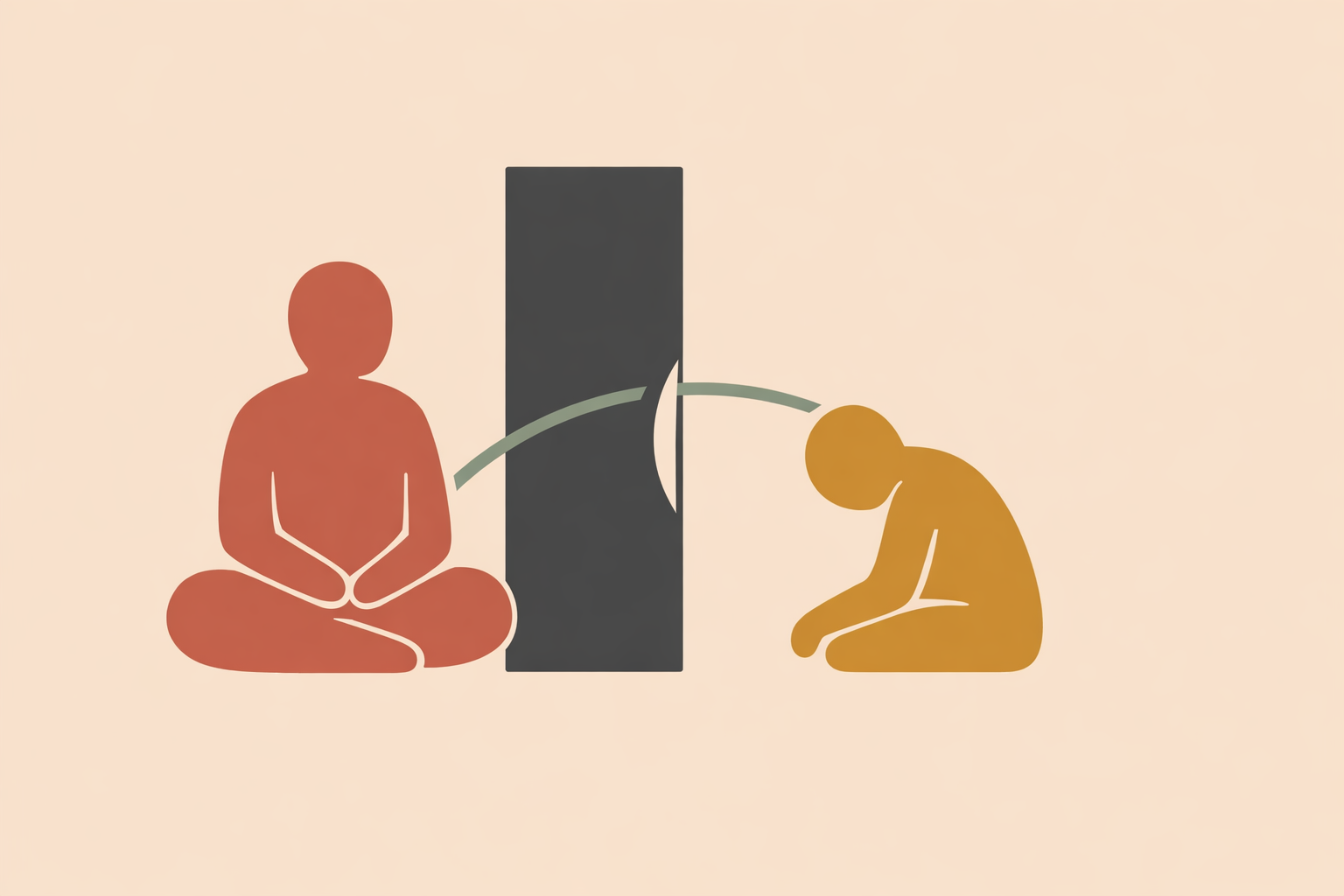
Kindness is often received more deeply when it is structured. Make the frame visible early so both of you can relax into it. Clear agreements reduce confusion, lower strain, and keep the work steady instead of reactive.
In welcome materials or a first-session summary, spell out:
- Time and access: session length, start and end times, communication hours, and expected response windows.
- Scope: what you do support, such as habits, stress regulation, routines, and mindset.
- Outside-scope concerns: when a client needs a different kind of support from an appropriately qualified professional.
- Between-session contact: what counts as a brief implementation question and what should wait for session.
- Cancellations and rescheduling: your policy, stated plainly and kindly.
The tone matters as much as the policy. You don’t need to sound cold to be clear. A simple line such as “For your well-being and mine, I keep these boundaries so the work stays steady” is often enough. If someone shares concerns that are beyond your scope or suggest immediate risk, say so directly and calmly, encourage them to seek support from an appropriately qualified professional, and document the guidance you gave.
It also helps to keep a brief boundary snapshot at the top of your notes (communication hours, response style, and what gets redirected to session). That small habit protects your future self on low-bandwidth days.
Designing Low-Bandwidth Sleep Sessions
When minds are tired, less is often kinder and more useful. A minimum-effective approach helps clients follow through without getting flooded by too many moving parts.
Because fatigue can interfere with memory and attention, keep action plans short, concrete, and easy to repeat. A simple session rhythm works well:
- brief check-in
- one focused theme
- one selected practice
- one experiment for the week
- a clear close
Many coaches also like a “1-1-1-1” structure: review one metric, choose one mechanism to focus on, assign one practice, and agree on one implementation plan.
Evidence suggests multicomponent approaches tend to support stronger outcomes for sleeplessness than relaxation alone, so a calming exercise usually works best inside a wider weekly structure.
This is also where your energy is protected. Instead of reinventing the wheel each session, keep a few short closing summaries you can adapt quickly, such as:
- rise at the same time each day
- get morning light soon after waking
- use one calming practice if wakefulness stretches at night
- track only the essentials for this week
Simple plans are often the ones that actually get done.
Managing Reassurance and Between-Session Contact
Sleep struggle can create a strong pull toward reassurance. A client may want someone to confirm that tonight will go differently, or that they’re doing everything correctly. That impulse is understandable.
But when every spike in worry leads to outside soothing, self-trust grows slowly and your capacity drains. Channel contact into a predictable container rather than open-ended reassurance.
One clean structure is:
- one response window per business day
- one concise reply per issue
- clear categories for safety concerns, urgent outside-scope concerns, implementation questions, and routine updates
Write replies so they’re usable when someone is tired: one action, one timing cue, and one fallback. For example: “Tonight, keep lights out at 10:45. If you are still awake after a while, move to the chair and do your breathing practice. If your mind keeps looping, repeat once and then return to your wind-down reading.”
You can be warm without being constantly available. A line such as “I hear that tonight feels intense; let’s stay with the plan we agreed and review the pattern in session” keeps compassion and structure side by side.
A simple policy card helps: messaging hours, expected response time, and a note that reassurance requests get redirected to the agreed plan. Clarity often stops spirals before they build.
Using Holistic and Ancestral Calm Practices Within Scope
Many traditions turn first to calming practices that steady the system: breath, humming, muscle release, gentle movement, prayer, visualization, rhythm, and stillness. These supports are especially helpful when offered respectfully and without exaggeration.
Modern summaries also point in the same direction. Multicomponent approaches often outperform relaxation alone, and mindfulness-based programs that blend meditation with behavioral elements look promising for sleep difficulties. That fits long-standing traditional wisdom: settle the body, steady the mind, and support rhythm.
Introduce a calming practice as an experiment rather than a performance. For example: “Let’s try nine slower breaths together. Keep what feels supportive and leave what doesn’t.” Choice reduces pressure and improves follow-through.
Stay grounded in the moment. If imagery increases fear, confusion, or overwhelm, pause and return to orientation: feet on the floor, eyes open, name what is in the room, and lengthen the exhale. Guided practices are not suitable for every person or every moment.
Cultural respect matters too. If you borrow from a named tradition, name it accurately, avoid stripping it of context, and don’t package it as novelty. Traditional practices deserve care, context, and honesty.
A brief between-session option that often fits is a short breath pattern followed by a body scan from jaw to feet. Kept simple, it supports regulation without becoming another complicated assignment.
Recognizing Your Own Warning Signs and Restoration Rituals
Capacity usually fades before it collapses. Early signs include dread before sessions, irritability around repeated concerns, fuzzy recall of agreements, reduced curiosity, or a strong urge to rescue. These aren’t character flaws; they’re cues that your rhythm needs attention.
Track workload as deliberately as you track client progress. Useful markers include:
- total sessions per week
- number of high-intensity clients
- after-hours contact
- prep and recovery time
- your felt level of presence
Research linking sleep-related impairment with reduced attention, accuracy, and risk judgment offers a practical reminder: personal restoration protects the very capacities your work depends on.
Keep restoration specific. Protect sleep opportunity, leave short buffers between demanding sessions, get daylight, reduce unnecessary availability, and build transitions so one person’s fear doesn’t spill into the next conversation.
A quick reset between sessions can help:
- three slower breaths with longer exhales
- three physical points of contact you can feel
- three brief observations of what is steady right now
You may also want a daily rhythm that supports your own nervous system: morning light before messages, food away from screens, a small afternoon pause, a clear end to admin, and a consistent evening device cutoff. The point is repeatability.
Conclusion: Modelling Rest Through Structure
Sleep-focused coaching with chronically tired clients asks for clarity, pacing, and restraint. When exhaustion is present, attention narrows, emotions intensify, and even small decisions can feel outsized. Boundaries, low-bandwidth sessions, respectful traditional tools, and daily restoration create the conditions where useful change can take root.
Model what you teach. Keep your agreements with your own rest, choose minimum-effective plans, and use calming practices with respect for their lineage and with honest scope. When something exceeds that scope, redirecting is integrity.
You’re offering more than techniques. You’re offering a rhythm: awareness, structure, recovery, and kindness. Protecting your energy is part of how that rhythm stays steady enough to be felt, session after session, whether you work in longevity and biohacking more broadly or in sleep coaching specifically.
Train in Sleep Coach Certification
Build repeatable, boundaried sleep support skills with the Sleep Coach Certification.
Explore Sleep Coach Certification →