Clients rarely ask for steady liver and gallbladder support. They ask for detox teas and seven-day flushes. That creates a familiar tension for practitioners: follow the request, or guide someone toward something gentler, steadier, and more realistic.
A grounded approach starts with everyday support built on plant literacy, appropriate preparations, careful observation, and clear scope boundaries, much like a broader foundation in herbalism and plant medicine. In real life, that usually looks like supporting mealtime comfort and consistency instead of chasing intensity.
Key Takeaway: Scope-safe liver and gallbladder support is usually built through steady routines rather than quick detoxes. A useful herbal plan begins with clear plant identification, appropriate form, sourcing quality, and safety boundaries; it places trusted herbs like milk thistle in context without overpromising; uses bitters such as artichoke and dandelion thoughtfully; respects the difference between food-level use and concentrated extracts; and stays alert to interactions, stop-signals, and referral needs.
Everyday support instead of cleanse culture
Seven-day flushes can sound appealing, but traditional practice tends to lean toward steady, repeatable habits: gentle herbs, regular meals, and routines that work with the body day by day.
Traditionally, the liver is often seen as central to sorting and transformation, while the gallbladder is understood as a practical storehouse for bile around mealtimes. From that view, “flushing toxins” isn’t especially useful language. Most people do better with rhythm, comfort, and a sustainable relationship with food and herbs.
Concentrated products still deserve real respect. NIH’s LiverTox notes that herbal and dietary supplements can cause liver injury, and in one national network they were implicated in roughly 10–20% of reported cases.
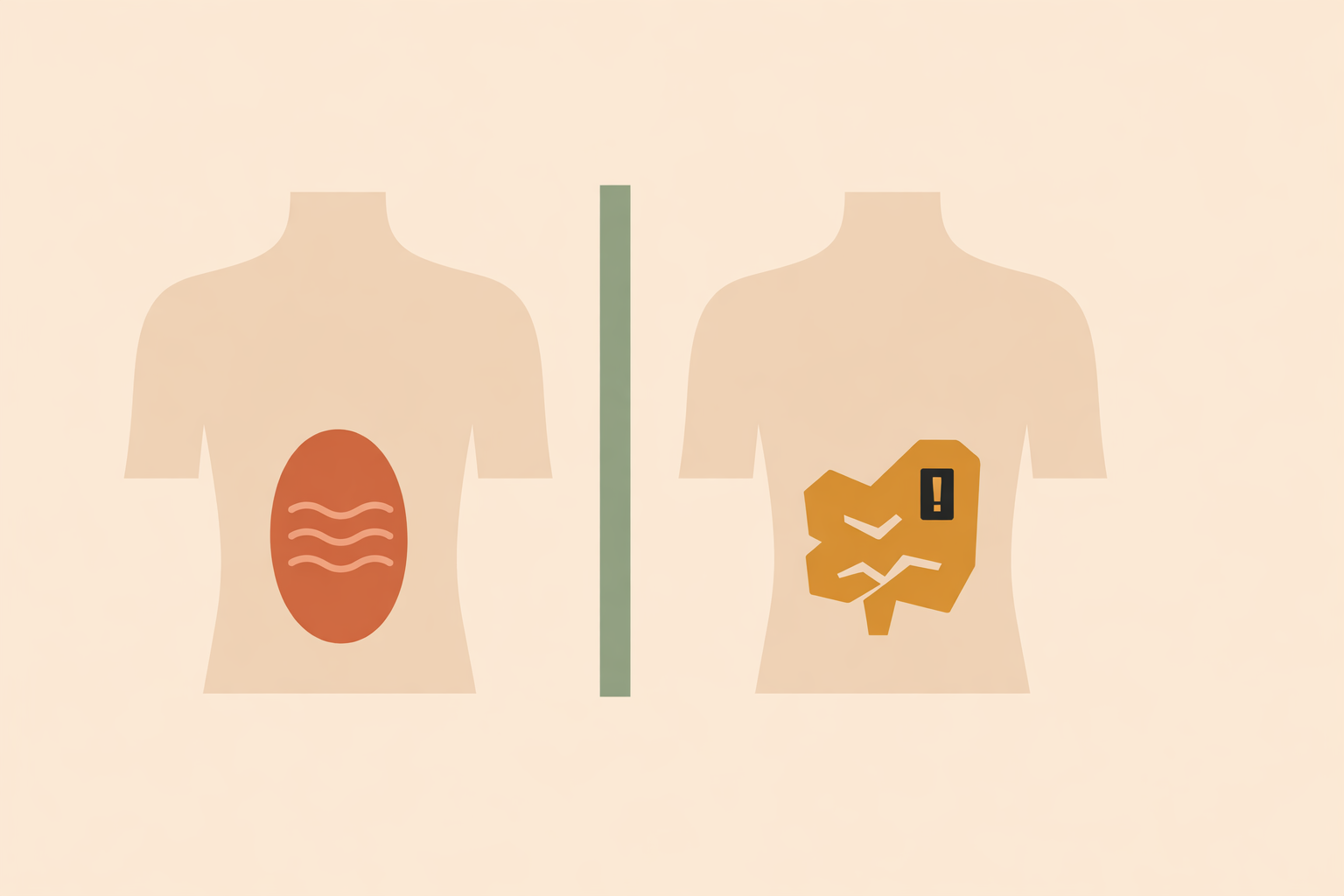
In practice, “gallbladder support” should never mean pushing harder and harder. If someone has sharp right-sided discomfort, unusual digestive distress, dark urine, pale stools, or a strong sense that something is not right, pause the herbs and encourage timely support from a qualified professional.
A simple script can sound like this: “Let’s skip the cleanse and build a four-week plan that supports more comfortable digestion. We can start with gentle bitters, regular meals, and clear tracking. If any stronger warning signs show up, we stop and get further guidance.”
A five-question filter for choosing herbs well
Before any herb joins your toolkit, run it through a short filter. This keeps choices practical, teachable, and much easier to tailor.
- What plant is it, exactly?: Note the Latin name and plant part used.
- Which constituents matter here?: Different plant families and parts bring different strengths.
- What form makes sense?: Tea, tincture, powder, fresh food use, and standardized extract are not interchangeable.
- What quality factors matter?: Sourcing, harvest timing, drying, storage, and batch transparency all shape the final result.
- What are the boundaries?: Consider sensitivities, interactions, and stop-signals before recommending anything.
This shifts the focus away from “What’s the best liver herb?” and toward a better question: “What kind of support fits this person, at this stage, in this amount?” That’s where strong herbal work usually begins.
Plant parts matter, too. Dandelion leaf and dandelion root don’t behave the same way in the cup, and seeds, leaves, roots, and fruits each have their own character.
Quality is part of safety and results. WHO guidance highlights how correct species identification, ethical harvest, careful handling, storage, and transparent supply chains shape herbal quality.
Milk thistle: a trusted ally, not a magic answer
Milk thistle is a classic here, and many practitioners return to it for good reason. It has deep traditional roots, a clear identity, and a steady place in modern herbal practice.
Its best-known constituents are the flavonolignans grouped under silymarin, which helps explain why it appears so often in products aimed at liver support.
Modern evidence adds helpful nuance rather than hype. Human research shows mixed findings, so it’s best framed as supportive rather than dramatic. Traditional use remains meaningful, and one summary describes more than 2,000 years of use around liver- and bile-focused support. LiverTox also reports milk thistle is not implicated in liver injury in its database.
In everyday practice, milk thistle can be a steady companion. For some people, food-level use is a comfortable starting point, such as freshly ground seeds sprinkled onto meals a few times a week while digestion and overall comfort are observed.
If someone prefers a stronger preparation, set expectations clearly. You’re exploring support, not promising transformation, and that clarity tends to build trust.
Bitters and bile: placing artichoke and dandelion in context
For people who feel heavy after rich meals, bitters often make more sense than a cleanse. A small tasted amount before eating can become a simple ritual that supports appetite, attention, and digestion.
Artichoke leaf and dandelion root are familiar allies. Traditionally, artichoke is often discussed in relation to bile and fats, while dandelion root is valued as a classic bitter with a grounded, food-adjacent feel.
Roasted dandelion root is especially popular as a coffee-like bitter that fits easily into daily routines. Its strength is that it’s approachable and easy to stay consistent with.
Context decides whether bitters are a good fit. If cramping or right-sided discomfort shows up after starting bitters, treat that as a stop-signal rather than something to push through.
Family patterns matter. Artichoke, dandelion, and milk thistle all belong to the Asteraceae family, so people with strong sensitivity to that family may need extra care.
A practical “taste-first” approach can be enough: a small sip on the tongue shortly before the first bite, then a pause to notice what changes over the next week or two.
When concentration changes the whole picture
One of the most important distinctions in herbal practice is food-level use versus concentrated extracts. They ask different things of the body, so they need different expectations.
Turmeric in a meal is very different from a capsule paired with black pepper extract. Green tea in a mug is also different from a concentrated slimming blend. Once concentration increases, absorption is altered, or multiple extracts are stacked, the risk picture shifts.
LiverTox links reports of turmeric-associated liver injury mainly with concentrated products, particularly those enhanced with piperine. It also notes a different pattern between brewed tea and concentrated green-tea extract, with brewed tea not showing the same signal.
This doesn’t cancel traditional knowledge. It clarifies category: a gentle tea, a culinary sprinkle, and a high-dose standardized extract may come from the same plant, but they don’t function the same way in a plan.
As a practical rule, food first and extracts second is often the wiser order.
Matching constituents to preparations
Herbs aren’t just “strong” or “weak.” They’re collections of constituents, and preparation determines which constituents you emphasize.
Water-based preparations often suit water-friendly compounds. Alcohol-based preparations highlight others, and oils bring forward different qualities again. This is why form matters: tea, tincture, and infused oil are different expressions of the same plant.
WHO guidance notes that different solvents may be appropriate for extracting different constituents, including proteins and polysaccharides.
That shows up in daily practice. A roasted root decoction gives one kind of experience; a hydro-alcohol extract gives another; seeds scattered onto food offer something else again. Matching form to intention is often more useful than chasing the “strongest” option.
It also helps to avoid flattening constituent classes into promises. Saponins, polysaccharides, iridoids, triterpenes, and tetraterpenes behave differently depending on the plant, the part used, and the preparation.
A simple notebook entry teaches a lot over time: “Dandelion root decoction before lunch for one week; flavor pleasantly bitter; lighter after meals; no cramping.”
Interactions, stop-signals, and scope boundaries
Good herbal support includes knowing when not to continue. A short checklist keeps your work steady and respectful.
- Review current supplements and medicines before adding concentrated herbal products.
- Ask about past reactions, digestive sensitivity, gallbladder history, and any previous liver-related concerns.
- Name stop-signals early: unusual fatigue, nausea, loss of appetite, itching, abdominal discomfort, dark urine, pale stools, or yellowing of the eyes or skin.
- Pause quickly if right-sided pain, fever, repeated vomiting, or a clear worsening of symptoms appears.
- Be especially careful with concentrated formulas, stacked products, and products with unclear sourcing.
Safety isn’t fearfulness. It’s respect for the plants, the person using them, and the limits of your scope, including the kind of herb safety thinking that keeps blending and recommendations grounded.
Building confident herbal plans over time
Confidence here doesn’t come from memorizing a detox script. It comes from plant literacy, careful observation, and steady refinement.
Sourcing is part of that. Correct identity, ethical harvest, transparent handling, and clean storage shape the quality of a preparation from the start.
Home-growing a few familiar herbs can sharpen skills quickly. Watching a plant through the seasons teaches morphology, timing, harvest judgment, drying habits, labeling discipline, and respect for the plant’s life.
A simple log is often enough: what was used, in what form, how often, what else changed, and what was noticed. Over time, this record becomes one of the most valuable tools in your practice, especially if you’re building toward a herbalism certification.
Scope-safe liver and gallbladder support is usually quiet work. It rewards consistency and good tracking, and it asks you to take stop-signals seriously. When red-flag symptoms appear or someone’s situation feels outside your scope, the most professional step is to pause and encourage timely support from a qualified clinician.
Deepen Herbalism Skills
Build scope-safe protocols like these in the Herbalism Certification Course.
Explore Herbalism Certification →