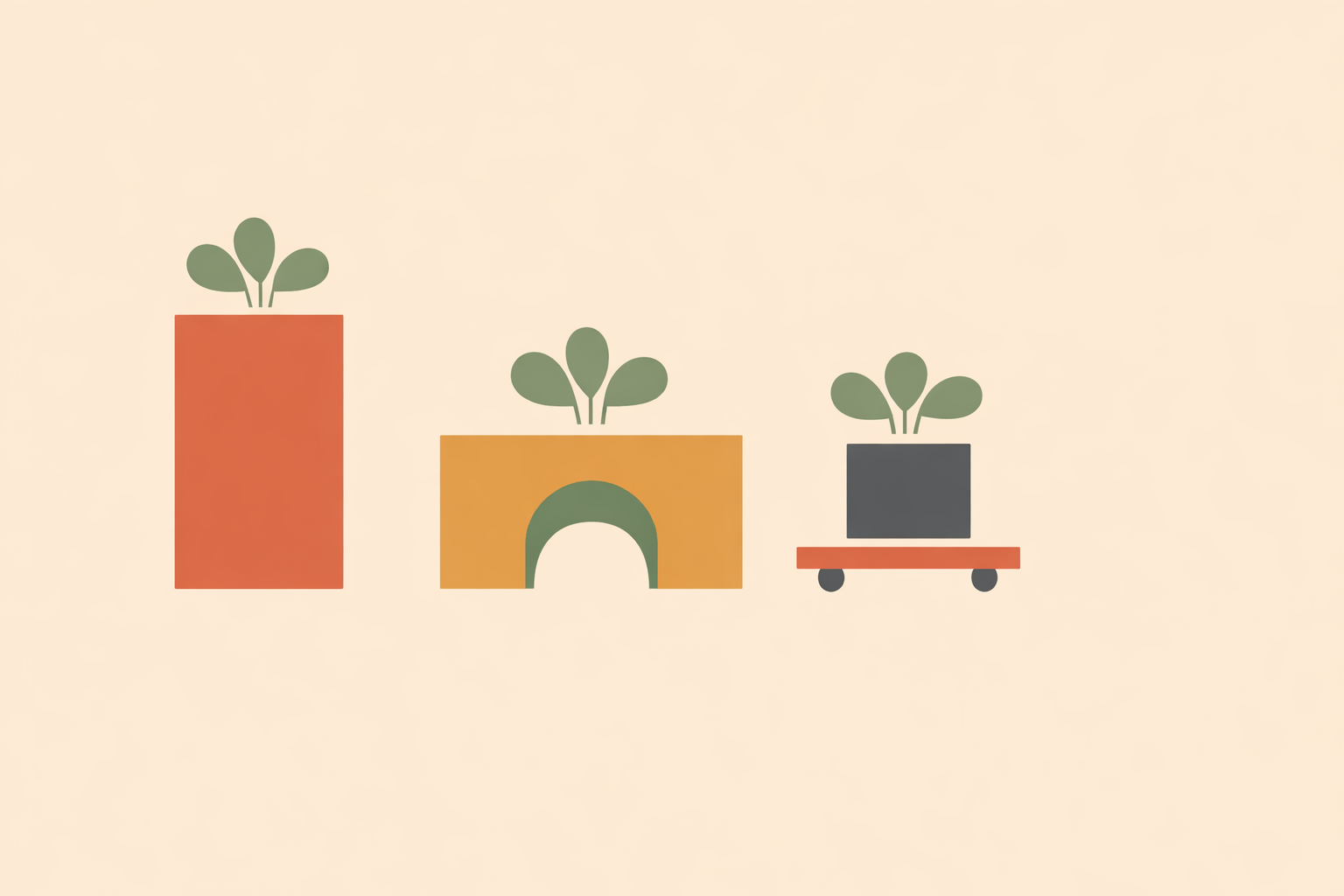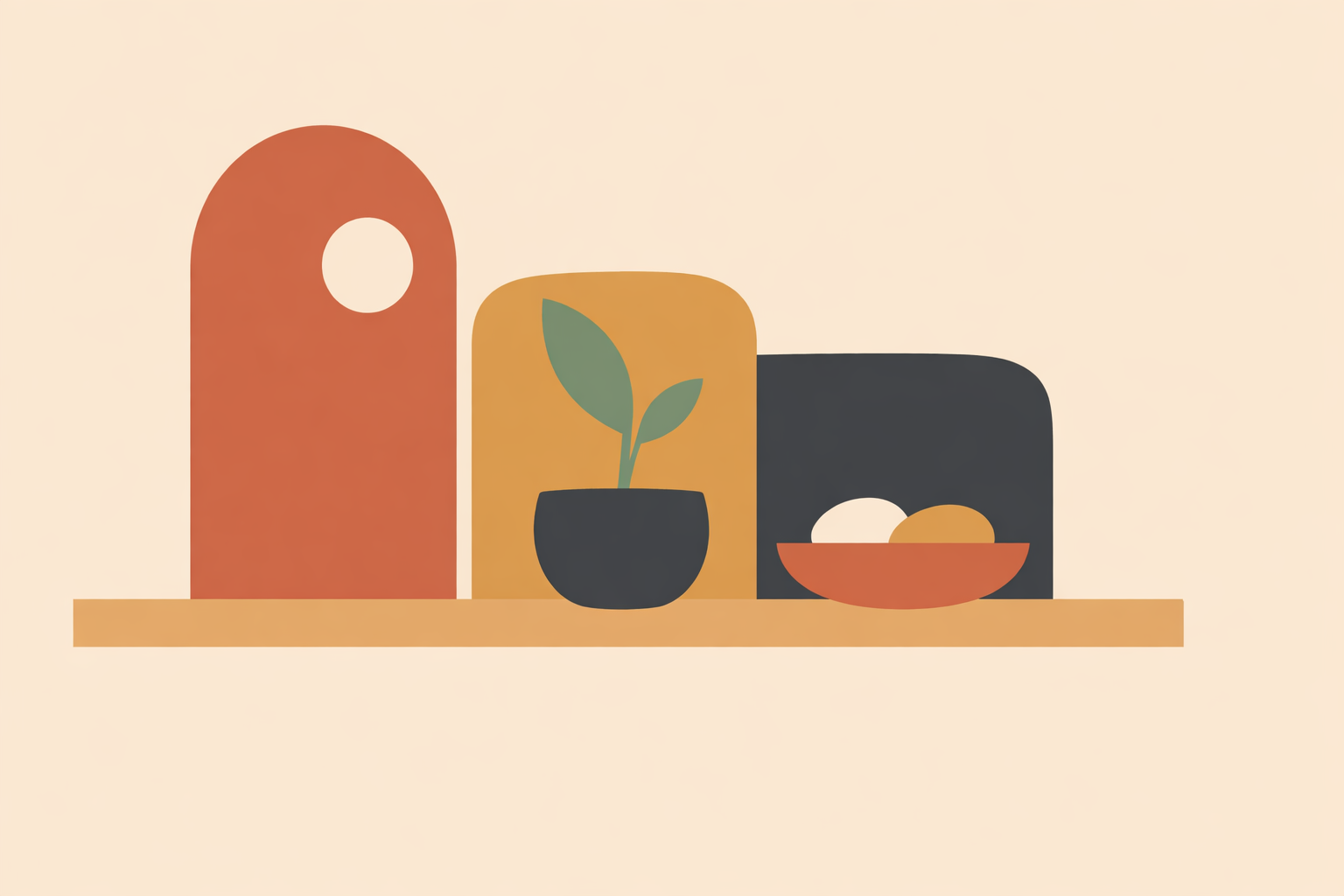
An urban session doesn’t need to imitate a forest to offer real contact with the living world. A window, a healthy plant, a small table of natural objects, and a well-paced invitation are often enough. Indoor sit spot practice works best when it stays honest about its setting: simple, grounded, and shaped around attention rather than performance.
Key Takeaway: Indoor sit spot practice gives urban practitioners a repeatable way to guide nature-based restoration without trying to recreate a forest. The essential ingredients are steady pacing, consent-based invitations, and contact with real living elements. In practice, this often takes three forms: a window sit, a plant sit, or a sensory nature table. Done well, these short sessions can support calm, presence, and a more spacious inner pace in offices, classrooms, and shared indoor settings.
Foundations: Scope, Consent, and Care
Indoor sit spot guidance is most effective when it stays modest and clear. Your role is to shape the container, guide attention, and offer choices, without pushing for any particular outcome.
Use plain, accurate language: this kind of practice may support relaxation, encourage sensory awareness, and offer a structured pause from overstimulation. Reviews suggest reduced stress and improved mood are among the more consistent outcomes linked with indoor greenery and natural elements, while attention outcomes appear more mixed.
Consent should shape the whole session, not only the opening. Ask before inviting touch, scent, tea, movement, eyes-closed practice, or personal sharing. Keep offering real alternatives: eyes open, soft gaze, observing without touching, choosing a different object, changing seats, or passing on an invitation.
That approach keeps the work supportive and adult-to-adult. It also helps people stay in relationship with the practice, rather than feeling steered by it.
- Room check: seating, temperature, exits, glare, sound, foot traffic, scent sensitivity
- Language check: invitations instead of directives; options instead of expectations
- Closure check: a clear ending and a brief moment to reorient before leaving
Consent-based script: “Across the next few minutes, I’ll offer options. You can keep your eyes open, choose a different focus, or pass on anything. If touch or scent isn’t right for you today, visual observation is completely valid.”
The Window Sit Spot
A window sit is often the easiest starting point. It asks very little of the room and gives attention somewhere to land, even with a modest view: a patch of sky, moving light, a tree across the street, or weather shifting on rooftops.
The invitation is straightforward: notice what is moving, growing, changing, or resting. Attention gets an anchor without any pressure to “do it right.”
A short version can be lightly structured:
- 1 minute: arrive in the chair, feet on the floor, notice breath
- 2 minutes: rest in the widest field of vision
- 1 minute: notice sound without chasing it
- 1 minute: find one overlooked detail
A longer version can open out more gradually:
- Arrival: settle body and gaze
- Peripheral vision: soften the eyes and widen awareness
- One living element: follow a branch, bird, cloud movement, or shifting light
- Widen back out: return to the whole field
- Close: name one word for your pace now
Indoor nature exposure in work settings has been linked with stress reduction. In real sessions, this often means you don’t need a dramatic landscape; a steady view is enough to support a meaningful shift in pace.
Micro-prompts:
- “Compare the farthest thing you can see with the nearest.”
- “Notice reflected light versus direct light.”
- “What in this view tells you the season, weather, or time of day?”
The Plant Sit Spot
Where a window opens attention outward, a plant sit spot brings attention into relationship with one living being. This is especially helpful in rooms with limited views, or with people who thrive on continuity rather than novelty.
Choose one healthy, well-placed plant with enough visible structure to hold interest: leaves, stems, new growth, changes in posture, shifts in soil moisture. Keep the invitation gentle: meet this plant without taking anything from it.
A ten-minute plant sit might unfold like this:
- 2 minutes: arrive and settle
- 3 minutes: simply look
- 2 minutes: optional touch or hand hovering nearby
- 2 minutes: notice your breath alongside the plant’s form and posture
- 1 minute: silent reflection
Repetition is where the depth comes. People start to notice new leaves, subtle leaning toward light, changes after watering, and the quiet familiarity that grows over time.
Research reviews suggest indoor plants and natural elements can support a more restorative feel indoors. From a traditional practice lens, that tracks: relationship develops through steady, respectful attention.
Useful prompts:
- “Notice one leaf as if you were seeing leaf structure for the first time.”
- “If touch is welcome today, trace one edge slowly. If not, follow the same edge with your eyes.”
- “What looks tender, established, reaching, or resting?”
The Sensory Nature Table
When windows are limited, or when a group needs more flexibility, a sensory nature table works beautifully. It brings attention to natural form, texture, and color without needing much space.
Keep the layout spare. A cloth plus a few stones, bark, seedpods, cones, dried leaves, a branch, or a potted herb is plenty. Too many objects tends to scatter attention.
Guide the practice through choice rather than pressure to follow a strict sequence, much as you would in supportive sylvotherapy work:
- Sight: “Let one object catch your eye.”
- Optional touch: “If it feels right, hold it or hover your hand nearby.”
- Sound: “Notice what changes when the room gets quieter.”
- Optional scent: use only when clearly appropriate, with a full no-scent path available
For groups, simple stations reduce crowding and make choice more visible. Observation without touch is full participation, not a lesser version of the practice.
Closing with warm tea or water can help the room settle, especially after a sensory sequence. The value is in pacing and transition back into ordinary conversation.
Simple 12-minute group arc:
- 3 minutes: arrive
- 3 minutes: visually meet one object
- 2 minutes: optional touch
- 2 minutes: optional scent or scent-free alternative
- 2 minutes: quiet closing with tea or water
Making the Practice Sustainable
Indoor sit spot work tends to land best when it becomes predictable. People keep what feels doable, familiar, and kind on the nervous system.
Short, repeatable sessions usually fit urban life better than occasional long ones. Attach the practice to something already established: the first cup of tea, opening the office, a lunch break, watering a plant, or the close of a coaching session.
Common rhythms include:
- 5 to 7 minutes at the same window several mornings each week
- 10 minutes with one plant at the end of the workday
- a weekly group nature table as a steady closing practice
Keep reflection light. One word at the beginning and end is often enough: crowded, flat, steady, spacious, scattered, settled. A simple 0 to 10 “inner pace” check-in can also help people notice patterns without turning the experience into a performance.
A month of guided sessions might move naturally through the three forms, following a simple repeatable arc that helps the practice stay familiar and steady:
- Week 1: window sit
- Week 2: plant sit
- Week 3: sensory nature table
- Week 4: repeat the form that felt most supportive, or combine two gently
Before each session, map the room. Notice light direction, noise patterns, accessibility, trip hazards, scent sensitivity, and how people enter and leave. These practical choices often shape the quality of the experience more than the objects do.
Closing Thoughts
Indoor sit spot practice is valuable precisely because it’s modest. It doesn’t need to replace outdoor immersion. It helps people slow down and come into respectful contact with the living elements already available.
Many people feel calmer, more present, or more spacious in these carefully held indoor containers. Research reviews also suggest natural forms and views can make indoor environments feel more restorative. Over time, repeated practice teaches the most, because it builds familiarity, attention, and trust in direct experience.
Hold the work with humility and cultural respect. Honor the roots of forest-based traditions, avoid flattening them into technique alone, and keep consent at the center. As with any practice, adapt for scent sensitivity, accessibility needs, and individual comfort, and encourage participants to choose what feels steady and supportive on the day.
Train in Sylvotherapy
Deepen these indoor sit-spot skills with the Sylvotherapy Practitioner Certification.
Explore Sylvotherapy Certification →