Many practitioners are taught to treat ethics as forms, policies, and a pre-session consent script. Then a client’s state shifts mid-practice, and the ground moves under everyone.
A body scan that began with a clear yes can feel very different thirty seconds later. Breath shortens, shoulders rise, eyes harden. If the practice continues because the paperwork is technically complete, the session can accidentally rehearse bracing and chip away at trust. The gap is not intention. It is state.
In somatic coaching, consent, discernment, and collaboration rise and fall with the nervous system in real time. The steadier approach is to treat consent as something you maintain, not something you obtain once and file away.
Key Takeaway: Somatic ethics begins with nervous system state, not paperwork, and treats consent as a live process maintained through co-regulation and pacing. A polyvagal-informed lens helps practitioners track shifts in capacity, respond before overwhelm builds, and create more inclusive, trustworthy sessions through micro-consent, titration, repair, and cultural humility.
How State Changes Capacity in Real Sessions
Imagine a client begins oriented and chatty. You suggest a short body scan. Halfway through, their breath becomes shallow, shoulders lift, and their eyes dart. If you continue because they agreed at the start, you may reinforce bracing. If you pause and reorient, choice returns.
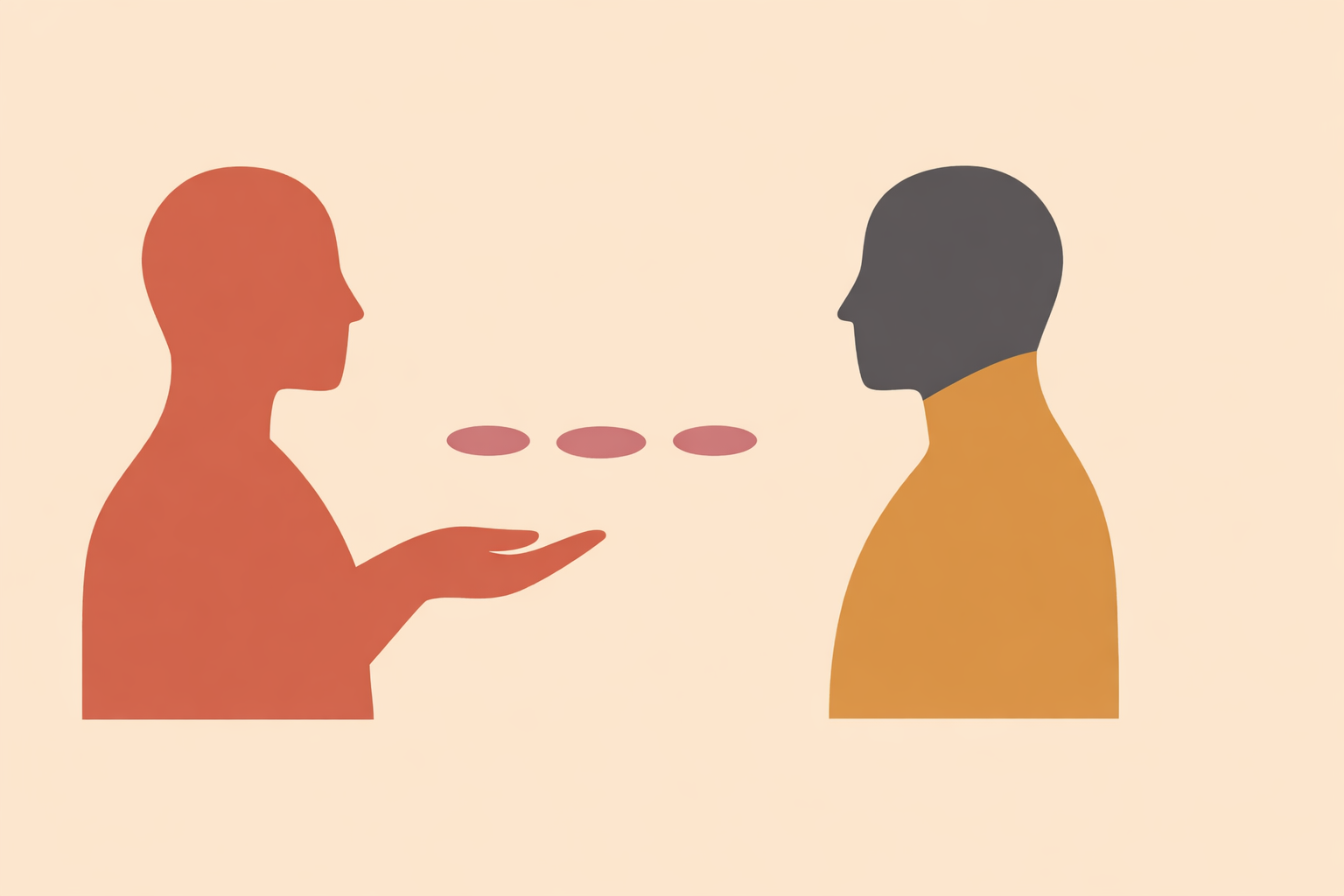
A simple pivot might sound like this: “Let’s pause. How is your breath right now? Would you like to keep going, switch gears, or come back to grounding?”
When state shifts into defense, a client’s ability to choose can change fast. Consent is not “gone,” but it does need to be updated to fit the new conditions.
Over time, many practitioners see the same learning pattern: continuing after a clear shift into activation teaches the body more bracing, not more ease. This is why titration helps. Smaller doses, frequent check-ins, and clear exits keep choice within reach.
A Practical Protocol for Live Somatic Consent
To make ethics concrete in the room, keep the structure simple and repeatable.
- Name the frame before beginning: “We’ll try two minutes of breath and shoulder awareness. You’re in charge, and we can pause anytime.”
- Establish a baseline: Ask, “How steady do you feel right now on a 0 to 10 scale?” or “If your body had a headline, what would it say?”
- Keep consent live: Use brief questions such as “More, less, or different?” or “Stay here or shift?”
- Track state changes: Notice breath, gaze, muscle tone, speech pace, stillness, and orienting. Name what you see without assigning a story to it.
- Offer co-regulatory exits: Slow the pace, invite looking around the room, lengthen the exhale, or switch to grounding through the feet or hands.
These small moments build trust. Consistent micro-consent and titration help somatic work feel steady rather than unpredictable.
A short note after a 10-minute segment might read: “Entered at 4/10. During body scan, breath shortened and shoulders rose. Paused, reoriented to room, returned to longer exhales. Client chose seated grounding instead of deeper tracking. Ended at 6/10.”
That is not over-documenting. It is a clear record that pacing followed state and supported choice.
Why Slow Breathing Often Helps
Many practitioners begin with a brief slow-breath bridge before deeper somatic invitations. Often, 60 to 90 seconds of softer pacing creates more room for thoughtful choice. This is long-standing practice wisdom, and it also aligns with research suggesting slow breathing can support vagal tone and shift physiology toward parasympathetic dominance.
In the room, the signs are usually ordinary: softer eyes, a fuller exhale, less urgency in speech, more access to preference. The goal is to create conditions where collaboration is more available, not to force a particular state.
Build Agreements That Breathe
State-first work still benefits from structure. The difference is that agreements are designed to adapt when state changes.
A good opening frame might sound like this: “We’ll explore breath and movement for about 10 minutes, then pause and reflect. You can adjust or stop anything. If I miss a cue, I’ll check in and repair. Are there any signals or preferences you want me to know about before we begin?”
That last question brings identity, history, and context into the room early. It signals collaboration rather than performance.
Here is a one-minute pre-practice ritual many coaches find useful:
- “Today’s menu is breath, gentle neck and shoulder movement, and grounding through the feet.”
- “You choose the order and the pace.”
- “What stop signal would you like to use?”
- “Would you like me to name body cues I notice, or stay quiet unless you ask?”
- “If something feels edgy but workable, we can take it in short slices.”
Predictability and pacing help keep the container trustworthy, especially when the work gets tender.
Cultural Humility Changes What Safety Looks Like
Clients do not all read the same cues the same way. Culture, identity, lived experience, and environment shape what feels settling and what feels threatening, which is why context matters to neuroception.
For some people, direct eye contact feels warm; for others, it feels like pressure. For some, removing shoes or lying down feels grounding; for others, it feels exposing. A state-aware practitioner stays curious instead of assuming their own comfort cues are universal.
Useful questions include:
- “Are there any positions, sounds, or prompts you would rather avoid?”
- “Do you prefer eyes open, gaze lowered, or lots of visual orientation?”
- “Are there practices from home, community, or personal ritual that help you settle?”
Cultural humility becomes practical here. Safety is co-created with the person in front of you.
Repair Matters More Than Perfection
Misattunement will happen. Ethical somatic work does not require perfect tracking; it requires clean, timely repair.
A simple repair might sound like: “I think I moved too fast. Can we pause? What would feel best right now: coming back to your feet, looking around the room, or taking a break?”
Repair protects trust because it shows the relationship can hold a wobble and return to steadiness. In alliance-based work, rupture-and-repair is central to what makes support feel reliable over time.
Practitioner Regulation Is Part of the Ethics
Boundaries live in the body as much as in written policies. Many practitioners recognize the feeling of an internal no arriving before the words do, or a subtle rush when a session intensifies.
Regulating yourself first strengthens steadiness and reduces reactive choices. A brief pause, softer gaze, slower exhale, or firmer contact with the floor can shift the quality of your response. Research on clinician self-regulation also supports the value of balanced arousal for lowering relational harm.
A simple line can help: “Give me 10 seconds. I want to answer from a more settled place.”
Clients often learn attunement less from explanation than from what the practitioner embodies through tone and pacing. In trauma and emotional healing work, relational steadiness matters, and state before story can help frame why; in relational work, emotional attunement often carries more weight than a perfect explanation.
Inclusive Adaptations That Support State
Inclusion is part of how safety becomes real in practice.
Access-needs check-ins, movement breaks, alternative seating, nonverbal signals, and stimming tools can all support state. In broader trauma-informed guidance, environmental adaptations are recognized as important for felt safety and regulation.
For neurodivergent clients, verbal check-ins may not fit every time. Colored cards, hand signals, chat-based scales, or gesture-based yes/no options can be more usable.
For gender-affirming safety, avoid assigning meaning to chest or pelvic sensations. Stay with respectful observation and choice. Guidance in this area consistently emphasizes respect and non-intrusive language.
For clients experiencing racialized stress, resource imagery tied to ancestry, land, community, rhythm, or memory can be supportive when it is genuinely welcomed. Culturally responsive practice sometimes includes ancestral resources as part of resilience-building.
These adaptations are practical state supports, not add-ons.
Simple Scripts You Can Use Right Away
- During activation: “I’m noticing some tension. Would you like to pause, make this smaller, or switch directions?”
- For titration: “Let’s try this for 10 seconds, then stop completely and recheck.”
- For boundaries: “I do not offer hands-on support in this space, but I can guide you to choose your own contact point or work with imagery instead.”
- For repair: “I missed a cue there. Thank you for letting me know. What would feel most settling now?”
- For inclusion: “Any access needs, sensory preferences, or no-go prompts you want me to keep in mind today?”
What This Looks Like in Session Notes
- “Co-created an eyes-open agreement; client preferred gaze lowered.”
- “Started at 3/10, described body as ‘jittery.’ Used two short grounding rounds with orientation between.”
- “Switched from imagery to foot pressure after activation signs increased.”
- “Named slight rush on practitioner side; paused and repaired before continuing.”
- “Client chose humming over spoken cueing and reported more steadiness.”
Notes like these show what supported collaboration, not just which technique was used.
A More Trustworthy Way to Work
Prioritizing state and treating consent as ongoing supports safer, deeper, more inclusive coaching. In a steadier, state-informed container, somatic techniques are easier to use with care, and clients can stay connected to their own agency.
The throughline is simple: map state, co-regulate early, titrate generously, and let culture and lived experience shape how safety is built. Keep most of the caution for the end: this work benefits from training, clear scope, and strong referral pathways when someone needs more specialized support. Even so, polyvagal therapy certification can help practitioners deepen this kind of moment-by-moment ethics, which is something every practitioner can practice today, one check-in at a time.
Explore Polyvagal Therapy Certification
Deepen your state-tracking, titration, and repair skills with the Polyvagal Therapy Certification.
Explore Polyvagal Therapy →