Your calendar may already be showing you the pattern: one-to-one work stays steady, while group events rise and fall depending on timing, clarity, and whether the experience feels truly held. Chakra-informed sound baths can bridge that gap. When they’re structured with care, they offer an accessible, communal form of deep rest that supports your wider practice rather than competing with it.
Key Takeaway: Chakra-informed sound baths can become a scalable, ethical group offer when they are built on clear outcomes, thoughtful structure, and strong consent. Sound helps many people settle into a deeply relaxed state, while chakra language can provide a simple, meaningful map for the experience. With a repeatable session arc, inclusive setup options, and grounded communication, you can create a group offering that people want to return to.
Why Chakra Sound Baths Work Well as Group Offers
Group sound baths meet several needs at once: affordability, shared experience, and a reliable pause in overstretched routines. For practitioners, they offer a group format that can still feel intimate and spacious without becoming complicated to run.
They also invite continuity. People often arrive for rest, then return for the familiar structure, the quiet ritual of it, and the sense of being part of something steady. Many participants want more than a pleasant hour; they want an experience that helps them understand what they’re feeling.
That’s where respectful chakra language helps. It gives a clear map without grand promises: root for grounding, heart for connection, crown for spaciousness. When participants can track the journey internally, the session often feels more coherent and memorable, which is exactly what supports a returning community.
How Sound Supports Relaxation and Felt Shifts
Most people don’t arrive asking for theory. They come because they want to leave feeling quieter inside, less tense, and more able to meet the week ahead.
Sound supports that shift through rhythm, repetition, resonance, and attention. Many facilitators find that a continuous soundscape gives the mind something simple to rest on, which can make this practice feel more accessible than silent meditation, especially for beginners.
Research helps describe what many traditions have observed for a long time. Relaxing sound exposure has been linked to alpha/theta waves, and these states are often described as relaxed/meditative. In the room, that can look like softer breathing, less mental chatter, emotional release, or a long-awaited exhale.
That can carry into everyday life, too. Sound meditation research has reported less tension, and workplace meditation research has found improved sleep alongside stress-related outcomes. These findings fit what facilitators commonly hear: people rest more deeply, feel steadier, and leave with a clearer sense of what they need.
Traditional practice has long treated sound as a way to guide attention and invite inner balance. The vocabulary changes across lineages, but the lived observation is consistent: vibration helps people shift state.
Using Chakra Language as a Practical Map
Chakra work lands best when it stays simple. You don’t need to persuade anyone into a belief system; you’re offering a clear framework for noticing.
In many traditions, sound and vibration are directed toward specific energy centers to invite flow where experience feels contracted, dull, or stuck. Common teachings also associate different tonal qualities with different centers, which gives you a practical way to shape the arc of a session within a broader energy healing approach.
Keep it sensory and grounded. Let the chakra map support the experience, then let the sound do most of the guiding.
- Root: grounding, safety, steadiness
- Sacral: flow, feeling, receptivity
- Solar plexus: confidence, direction, inner fire
- Heart: warmth, connection, openness
- Throat: expression, release, honesty
- Third eye: insight, reflection, inner listening
- Crown: spaciousness, perspective, quiet
This keeps the work accessible. Rather than claiming a tone will “fix” anything, invite participants to notice how different ranges and textures of sound land in the body and mind.
A Simple Root-to-Crown Sound Bath Structure
Memorable group sessions have a clear arc. People relax more easily when they can feel where the experience is going, and when they’re guided back gently at the end.
A 60 to 75 minute format works well in many spaces:
- Arrival and orientation (5 minutes): welcome people in, explain options, and set the tone.
- Intention and breath (3 to 5 minutes): a short cue is enough.
- Main sound journey (30 to 50 minutes): build gradually, then soften.
- Stillness (2 to 5 minutes): let the final tones dissolve completely.
- Reorientation and integration (5 to 10 minutes): offer water, journaling, or quiet reflection.
If you’re using a chakra arc, move from denser, lower tones toward lighter, brighter tones as the session progresses.
- Root: low bowls, slower rhythm, cues around support and contact with the floor
- Sacral: softer movement in rhythm, cues around breath in the belly and hips
- Solar plexus: steadier pulse, cues around warmth and inner steadiness
- Heart: layered tones or humming, cues around front and back body breathing
- Throat: lighter accents, more space between sounds, cues around jaw and neck softening
- Third eye: higher tones and longer pauses, cues around witnessing and inner clarity
- Crown: very light wash into silence, cues around spacious awareness
Exact words matter. Short cues tend to land best: “Feel the floor holding you.” “Let the jaw soften.” “Notice the last vibration fade.” The sound should remain the main guide.
Designing for Inclusion, Consent, and Choice
What people remember most is rarely the instrument list. It’s how respected they felt in the room.
Offer choices from the start, and build them into your delivery:
- Provide seated and lying-down options.
- Have cushions, blankets, and eye pillows available.
- Offer earplugs at the door.
- Explain the likely volume range before you begin.
- Make it clear that participants can shift posture, open their eyes, or step out at any time.
Some people love immersive sound immediately, while others are more sensitive, especially when they’re tired, emotionally raw, or new to this kind of group setting. A steadier volume, fewer sharp transitions, and a bit more distance between instruments and participants can change the whole feel.
Consent language works best when it’s calm and practical. Let people know what to expect, what choices they have, and how to care for themselves during the session. That’s how trust is built, and it reflects the same care that supports ethical chakra balancing.
A simple script can work well: “You are in charge of your experience here. If a sound feels too strong, you can cover your ears, change position, sit up, or step outside. You do not need to push through anything.”
Keep your more detailed cautions together rather than scattering them across your event page. It’s wise to invite extra care from anyone with strong sound sensitivity, a history of seizures, tinnitus, hyperacusis, implanted electronic devices, severe migraines, or intense emotional activation around sound. Gentle setup options and clear pre-session communication usually go a long way.
Offer Design: Formats That Encourage Return Attendance
Once your session structure is clear, shape it into offers people can understand quickly and come back to without overthinking.
Three formats are often plenty to start:
- Monthly signature session: a 75-minute root-to-crown journey
- Midweek reset: a shorter lunchtime or early evening session
- Workplace format: a compact sound session for teams or shared spaces
Workplace and after-hours options stay relevant because many attendees carry high baseline stress, and workplace meditation research supports these settings for stress reduction.
For stronger continuity, a themed series often beats one-off events. A seven-part root-to-crown journey gives participants a rhythm, a reason to return, and a clearer sense of progression, much like a structured chakra practice. Many facilitators find that sequences like this deepen reflection and strengthen group cohesion over time.
Retention tools can stay simple: a stamp card, a bring-a-friend reward, or a low-commitment monthly circle. When the experience is genuinely well held, returning feels natural.
How to Talk About Outcomes Without Overclaiming
Strong communication is clear, respectful, and grounded in what people commonly notice: deeper relaxation, emotional settling, better sleep, clearer focus, and feeling more connected to themselves.
Avoid dramatic language. Let the value come through in specific, familiar outcomes.
For example:
- “Expect a slow, immersive sound journey designed to help you unwind.”
- “You may leave feeling grounded, lighter, or more spacious.”
- “Seated and lying-down options are available throughout.”
- “This is a gentle group well-being practice with plenty of choice.”
You can also improve clarity over time by gathering simple feedback. Short pre- and post-session check-ins, anonymized and reviewed in the aggregate, help you track real-world outcomes ethically.
Testimonials help most when they reflect ordinary, believable shifts: sleeping more deeply that night, feeling calmer after work, or finding it easier to slow down.
Practical Next Steps for Launching Your Series
If you’re ready to make chakra-informed sound baths part of your group offering, keep the first version consistent and easy to repeat.
- Choose one signature format and put dates in the calendar for the next two months.
- Write a repeatable session arc with clear timings.
- Decide how you will describe each chakra in sensory, everyday language.
- Prepare your room setup with cushions, chair options, and earplugs.
- Create a short consent paragraph for bookings and pre-session emails.
- Use a brief post-session reflection or check-in card to learn what participants are experiencing.
The aim is a steady experience people trust, not an elaborate production.
When sound is offered with warmth, structure, and respect for the roots of the practice, it becomes more than an event. It becomes a rhythm people return to for steadiness, reflection, and shared pause. A final note for responsible delivery: keep your cautions clear and centralized, offer opt-out choices throughout, and encourage anyone building a deeper chakra energy healing practice, or anyone with strong sensitivities or relevant health considerations, to take extra care with volume and setup.
Explore Chakra Energy Healing
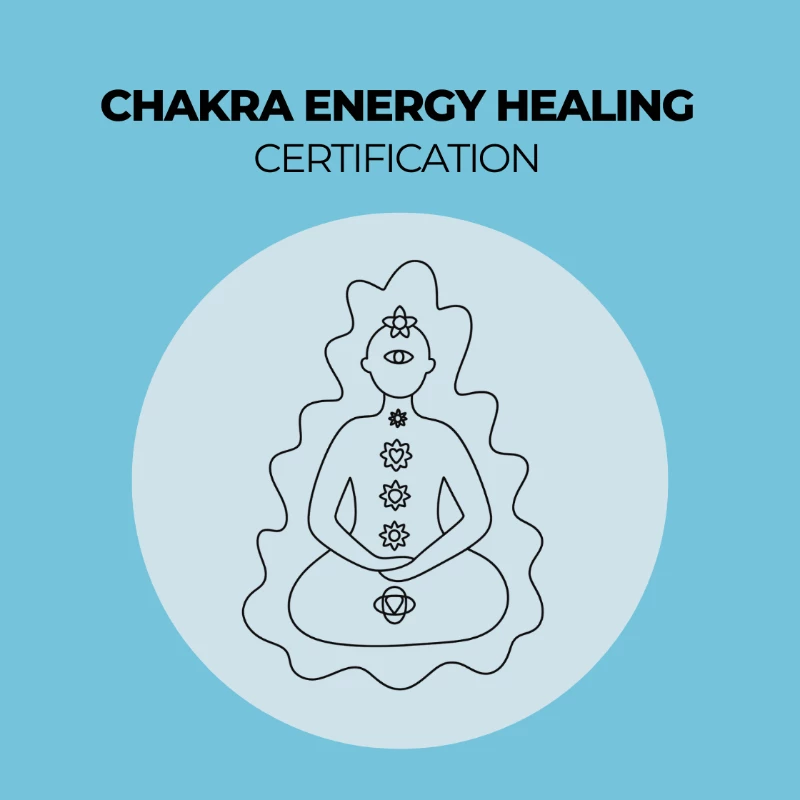
Deepen your chakra-informed facilitation with the Chakra Energy Healing Certification.
Explore Chakra Energy Healing →