Many support plans start with memory and broad behavior changes. With Lewy body patterns, the day is often shaped more by shifting alertness, changes in movement and steadiness, and vivid inner experiences that can sit right alongside moments of clear conversation.
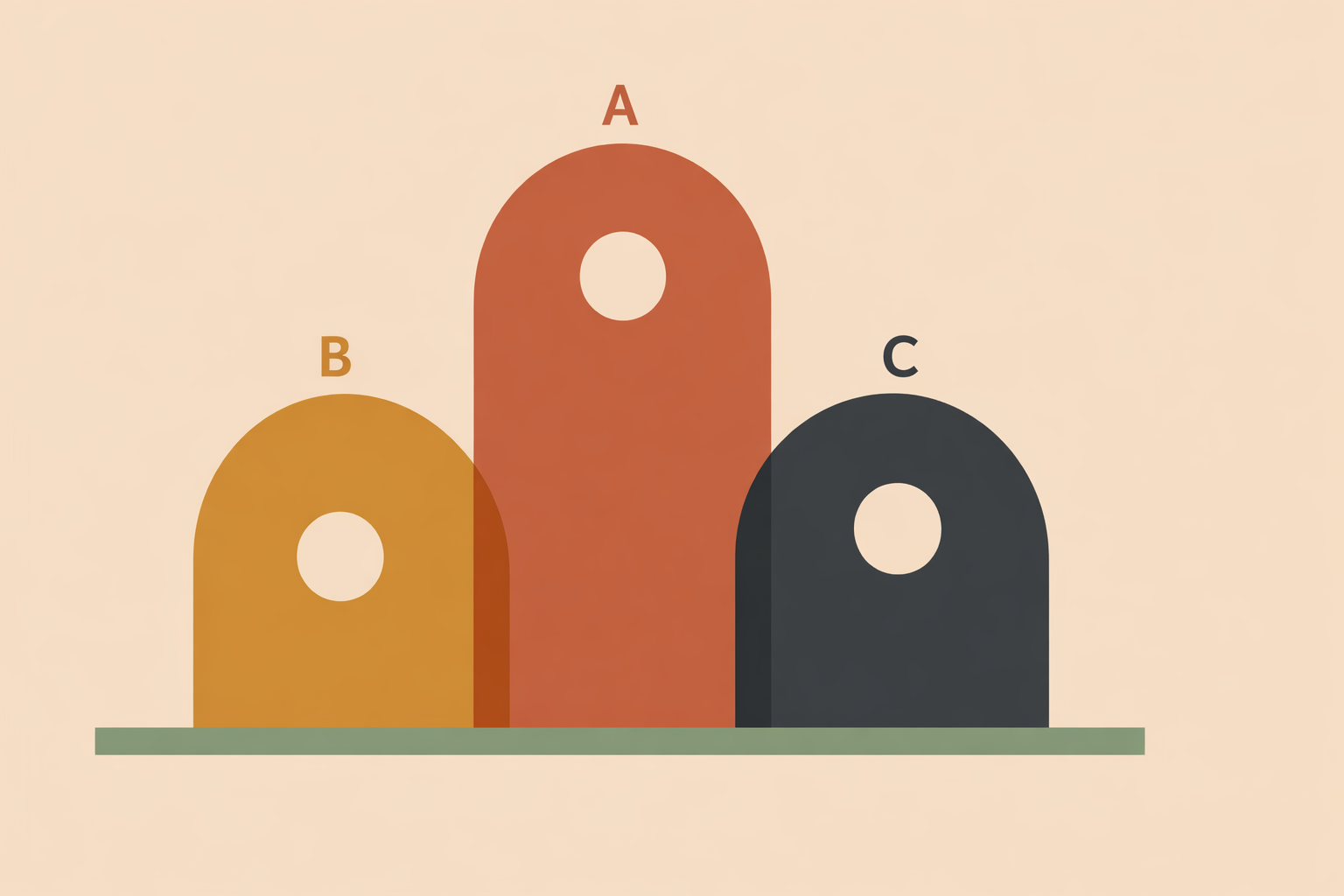
ABC Notes offer a simple, person-centered way to track what matters: Attention & Alertness, Body & Balance, and Consciousness & Experience. The goal is not to label someone. It is to notice patterns clearly enough to time conversations better, reduce friction, support safety, and respond with more dignity and less guesswork.
Key Takeaway: ABC Notes turn daily observation into a practical map for recognizing Lewy body dementia patterns and planning support. A: Attention & Alertness helps you log fluctuating cognition and alertness with a simple scale, context, and visible signs, then use patterns to time conversations and daily tasks. B: Body & Balance focuses on parkinsonism and autonomic clues—gait, posture, lightheadedness on standing, digestion, sweating—with a short check and practical environmental adjustments. C: Consciousness & Experience covers visual hallucinations and REM sleep behaviors, using notes around content, feeling, context, and safety. Together, these notes support kinder routines, privacy-aware sharing, and steadier daily planning.
A: Attention & Alertness in Lewy Body Dementia
Begin with the rhythm of the day. In Lewy body dementia, attention changes often stand out early, sometimes before memory becomes the main challenge. In real life, it can look like an easy morning chat, a foggy patch after lunch, then a surprising return to clarity later on.
A-notes are powerful because they quickly show you the person’s best windows. When alertness is higher, conversations land better, daily tasks feel less effortful, and everyone experiences less strain. Over time, the notes help you work with the person’s energy rather than constantly pushing against it.
Keep each entry brief and consistent:
- Time: morning, midday, evening, or exact time
- Alertness score: 1 to 5
- What you noticed: staring, drowsiness, slow replies, sudden clarity
- Context: after a meal, in dim light, in a noisy space, after a poor night
A simple note might read:
- 9:30 a.m. – 4/5, engaged, reading headlines aloud
- 12:45 p.m. – 2/5, quiet, blank stare, longer pauses before answering
- 3:15 p.m. – 4/5, asked for tea, chatting easily
These patterns make decisions feel less like guesswork. Mid-morning might be best for washing or an important conversation, while a low-alertness period often calls for fewer demands, softer cues, and a quieter room.
Language matters in the foggy moments. A gentle line such as “No rush—I’m here. Shall we wait a few minutes and try again?” protects dignity while keeping things moving at the right pace, and the same calm approach can support dementia communication more broadly.
B: Body & Balance Clues to Track
The body often tells its own story. Gait changes, stiffness, slowed movement, and postural shifts can show up early, and autonomic symptoms (like blood pressure changes, sweating, digestion changes, or bladder difficulties) can shape the whole day.
These details affect confidence and pacing, and they often explain why one walk down the hallway feels steady while the next feels hesitant.
B-notes work best when they stay practical. Record what you can see and what the person reports, without trying to interpret it on the spot:
- Standing: any pause, sway, or “floaty” feeling after getting up
- Walking: short steps, shuffling, scuffing, hesitating at turns
- Posture: hunched shoulders, reduced arm swing, stiffness rising from a chair
- Body cues: sweating, constipation, sudden need to sit, restlessness after standing
A short B-note might look like this:
- 11:10 a.m. – Stood slowly, needed a few seconds to settle
- Hallway walk – short steps, slight shuffle on left turn, hand brushed wall
- After lunch – warm, sweaty, skipped usual walk
Notes like these often point straight to supportive changes: slower transitions, a steadying arm at corners, extra time after standing, or shifting a task to a steadier part of the day. In suspected Lewy body dementia, blood pressure drops can increase fall risk, so careful observation is especially valuable.
Small environmental tweaks can also help: clearer walking paths, better lighting, fewer objects near turning points, supportive seating, and less clutter underfoot.
It also helps to know that parkinsonism signs can be part of the picture even without a past movement-related label. Your notes help these patterns appear clearly, without forcing the moment.
C: Consciousness, Visual Experiences, and Sleep Changes
The third strand is the person’s lived experience: what they see, sense, and do during the night. In Lewy body dementia, visual hallucinations may appear early and can be vivid and well formed. Some people also act out dreams years before other changes are widely recognized.
This is where calm observation protects trust. When you focus on comfort and safety rather than debate, the person is more likely to feel respected and less likely to become frightened or defensive.
C-notes are easiest to use when built around four anchors:
- Content: what the person describes seeing or experiencing
- Feeling: calm, curious, worried, frightened
- Context: time, lighting, fatigue, noise, new surroundings
- Safety: getting up suddenly, reaching, striking out in sleep, confusion in the dark
A note might read:
- 7:40 p.m. – Saw “a little boy by the lamp,” smiled, calm, room dim
- 2:10 a.m. – Called out during a dream, kicked twice, settled with reassurance
Over time, patterns often show themselves: fatigue, shadowy rooms, evening overstimulation, or disrupted nights. That gives you practical options such as warmer lighting, quieter transitions, a calmer bedtime rhythm, and more reassurance before sleep.
Connection-first language can prevent escalation. Instead of correcting the experience, try: “That sounds very real right now,” or “You’re safe, and I’m here with you.”
Cultural and spiritual interpretations also deserve respect. If someone understands a vision through family, ancestry, or personal belief, meet it with sensitivity while still supporting a safe environment.
Using ABC Notes Together
The real strength of ABC Notes comes from reading the three strands together. A-notes show when the person is clearest, B-notes show when steadiness needs extra support, and C-notes highlight inner experiences, nighttime changes, and the settings that seem to shape them.
Over a week or two, scattered moments often form a usable pattern:
- A – Attention & Alertness: 9–11 a.m. clear and chatty; early afternoon slower and less responsive
- B – Body & Balance: more shuffle after meals; turns left with extra steps; needs a pause after standing
- C – Consciousness & Experience: evening shadows bring “visitors”; poor nights lead to more unsettled mornings
With that pattern in hand, day-to-day choices get kinder and smoother: when to talk, when to rest, when to simplify the space, when to walk together, and when to step back rather than argue.
ABC Notes also support thoughtful sharing. If the person welcomes it, involve them and use their own words. Ask permission before sharing with family or other support professionals, and keep privacy central.
A Gentle Way to Begin
You do not need a perfect system. A phone note, a paper notebook, or a simple page on the fridge is enough. Consistency and respect matter more than the format.
ABC Notes are not about over-monitoring. They are about noticing what helps this person have a steadier day, then adjusting routines and surroundings in a way that protects dignity.
As the picture becomes clearer, recurring Lewy body patterns often become easier to recognize: attention shifts, movement changes, visual experiences, and disturbed dream sleep. Keep the notes brief, keep them humane, and review them gently. If new safety concerns show up, bring them to an appropriate qualified professional promptly.
Explore the Dementia Certification Course
Build confident, person-centered support skills by connecting ABC Notes patterns to care planning in the Dementia Certification Course.
Explore the course →