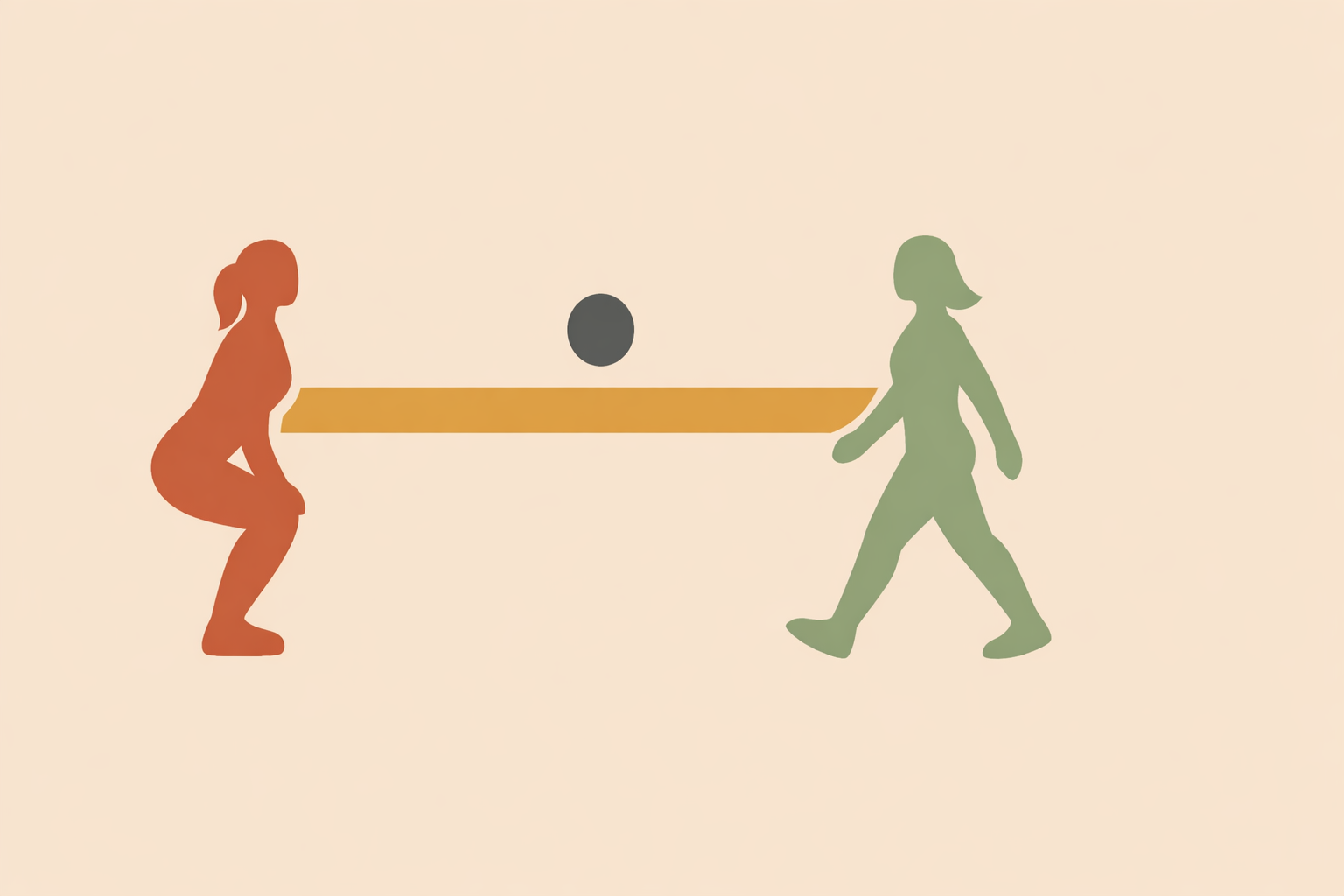
Clients rarely ask this in theory. They ask it between school pickup and Zoom calls, when sleep is patchy and recovery feels different than it did at 35: “If I only have 30 minutes, should I walk or lift?” “Is HIIT better for longevity than strength?” “Menopause changed my energy—what now?” The most useful answer is rarely one or the other.
A better frame is healthspan: the years lived with energy, mobility, mental clarity, and connection. From that perspective, strength and cardio stop competing and start collaborating. Cardio builds the capacity to keep going; strength preserves the ability to keep doing what matters.
Key Takeaway: Women’s longevity planning is not strength versus cardio. A balanced approach works best: cardio supports endurance, mood, and heart health, while strength supports muscle, bone, balance, and daily capability. In midlife, strength becomes especially important, but cardio still matters. The most sustainable plans combine both with mobility, balance, recovery, and forms of movement a woman genuinely enjoys.
Cardio for Longevity: Build the Capacity to Keep Going
Cardio is any rhythmic movement that raises breathing for a sustained stretch: brisk walking, cycling, swimming, rowing, dancing, or a steady-paced class. Its role in longevity is straightforward. It helps a woman keep going.
It’s also one of the easiest ways to get consistency, because it fits into real life. A walk after lunch, a bike ride with a friend, or a weekly dance class all count. The best choice is the one she’ll actually repeat.
In midlife, cardio is especially supportive for heart health, stress relief, and sleep. Evidence-informed guidance suggests aerobic activity can reduce stress and support overall well-being. Most of the time, moderate effort is plenty.
The talk test keeps intensity practical. During moderate effort, you can talk in full sentences, but you wouldn’t want to sing.
For busy weeks, “bankable” cardio works well: 30 total minutes split into smaller bouts across the day.
- After breakfast: 10-minute brisk walk or stair loop
- Midday: 10-minute outdoor lap between tasks
- Evening: 10-minute gentle walk to unwind
Done consistently, these smaller blocks still build stamina and keep a woman’s baseline activity strong.
Strength Training for Longevity: Protect Daily Capability
If cardio supports the ability to keep going, strength training preserves the physical capacity that makes everyday life feel doable. It supports muscle, bone, balance, and the confidence that comes from feeling capable.
This matters more with age, not less. Many women notice that everyday tasks start to feel heavier or less stable. Strength work directly answers that shift.
Lower-body strength is especially influential for balance, stair climbing, walking speed, and getting up from the floor. When legs and hips stay strong, daily life tends to feel more open and independent.
A simple full-body approach is enough for meaningful progress for most women. Two sessions per week goes a long way when they’re consistent and gradually progressed.
A practical full-body session might include:
- Sit-to-stands or squats
- Wall or counter push-ups
- Band or dumbbell rows
- Hip hinges with a backpack, kettlebell, or dumbbells
- Single-leg balance holds
- Loaded carries, if appropriate
The progression stays straightforward: form first, then load, then volume. Chasing exhaustion isn’t required for results.
Strength gains are possible at any age. Many women arrive convinced they’re “too late,” but in practice, they usually need a plan that fits their starting point and a steady rhythm they can keep.
Midlife and Menopause: Why Strength Becomes a Higher Priority
Perimenopause and menopause often change sleep, temperature regulation, mood, recovery, and body composition. When those shifts arrive, yesterday’s routine can suddenly feel like the wrong tool for the job.
Common changes during this transition include sleep disruption, hot flashes, night sweats, mood changes, and shifts in muscle and body composition. The best response is usually smarter dosing, not more pressure.
In this life stage, strength work earns a higher priority because it protects what women are more likely to lose when it’s neglected. Physical activity during menopause can support bone health and maintain muscle, so many coaches place strength at the center, with extra attention to lower-body training, balance, and core stability.
Cardio still plays a key role for circulation, stress relief, and day-to-day energy. Many women find that moderate cardio supports recovery better than frequent intense intervals, especially during more demanding weeks and across women's health coaching conversations more broadly.
That might look like this:
- On a lower-energy week: keep the strength session, but reduce one set from each exercise
- Swap a hard interval session for a 30- to 40-minute steady walk or easy cycle
- Move sessions to the time of day when energy is most reliable
- Add a brief evening walk to help transition out of a wired state
One woman may thrive with mid-afternoon strength sessions and gentler cardio for a few weeks. Another feels great with two solid lifts and one short interval session. The principle stays the same: respect the season, then build from there.
How to Build a Longevity-Focused Weekly Plan
For most women, a strong baseline is simple: two full-body strength sessions, regular moderate cardio, and small doses of balance, mobility, and recovery across the week.
A combined approach supports healthspan more fully than focusing on one mode alone. A review recommends aerobic and resistance exercise together to support both cardiovascular health and age-related muscle changes.
The plan doesn’t need to be elaborate. It needs to be livable.
Here are a few adaptable templates:
- Foundation week: two full-body strength sessions, three brisk walks or cardio sessions, one optional social movement session, and short balance practice woven in.
- Beginner week: two short strength sessions using bodyweight or bands, two or three walks, and a few minutes of mobility on most days.
- Time-crunched week: two 20-minute strength sessions, three 10-minute brisk walks, and one brief mobility-and-balance session.
- Later-life focus: two resistance sessions, three moderate walks or cycles, and frequent sit-to-stand and balance practice during the week.
Effort is a useful guide. Most cardio can sit around a 6 or 7 out of 10. Most strength sets can finish with the sense that one to three reps were still available. That balance tends to build progress without overwhelming recovery.
For a hectic week, a minimum effective dose can be:
- Squat pattern: 2 sets
- Row or pull pattern: 2 sets
- Push pattern: 2 sets
- Balance: 60 seconds total per side
It won’t look flashy, but it keeps continuity, and continuity is where long-term change comes from.
Traditional Movement, Joy, and Long-Term Consistency
The most effective plan is the one a woman can stay in relationship with over time.
This is where traditional movement practices shine. Yoga, tai chi, qigong, walking meditation, and culturally rooted martial arts often blend strength, mobility, breath, attention, and rhythm. They work beautifully alongside strength sessions and brisk walks as part of a longevity practice.
These traditions are most powerful when approached with respect: crediting their roots, learning from qualified teachers, and avoiding the habit of stripping context just because a practice is trendy.
Social movement also supports consistency. Group walks, dance circles, recreational leagues, and movement with family can make the week feel steadier and more connected.
Enjoyment and autonomy drive follow-through. Women tend to stick with movement when it feels like part of their identity, not another task to manage.
Short bouts help during crowded seasons too. A few minutes of stairs, a quick balance sequence while dinner cooks, or a brief stretching ritual before bed can keep momentum alive.
One composite example: a woman in her 50s loves a traditional dance practice but assumes it “doesn’t count.” When she pairs that weekly class with two short strength sessions and one family walk, her routine becomes more joyful and more complete. That shift, from obligation to relationship, is often the turning point.
Why Women Need Both Strength and Cardio for Longevity
Cardio supports the ability to keep going. Strength protects the ability to keep doing what matters. Healthspan expands most reliably when both are present, with mobility, balance, recovery, and everyday movement supporting the foundation.
In real life, this usually looks refreshingly unextreme: two strength sessions a week, moderate cardio that feels sustainable, and a rhythm that can bend when life gets busy. Progress comes from appropriate training plus enough rest, not from constant intensity.
Traditional health frameworks have long emphasized rhythm, purpose, and community. Modern coaching can learn from that wisdom, including through anti-aging coaching. When ancestral practice and evidence-informed programming are woven together with care, women often find a way of moving that lasts.
So the work isn’t choosing sides. It’s building a blend that fits the woman in front of you, honors her life stage, and can evolve over time as part of women's health and fertility support. That’s what makes a longevity plan realistic and worth keeping.
Master Women’s Anti-Aging Coaching
Deepen your longevity programming with the Anti-Aging Specialist for Women Certification.
Explore Anti-Aging Specialist →