Seasoned practitioners recognize the moment a session turns: someone arrives sped up or shut down, you reach for a trusted tool, and it suddenly feels out of reach. You offer a grounding cue and fidgeting rises. You try a reframe and language collapses. In overwhelm, pushing harder through the wrong channel often widens the gap between demand and capacity. What looks like resistance is usually a state mismatch, and extra effort can make support feel even less available.
Key Takeaway: In overwhelm, the most effective support is usually the least demanding next step. Rather than choosing top-down or bottom-up in the abstract, follow current capacity: restore orientation first, then choice, then meaning-making. Sometimes that means body, breath, rhythm, or sensory cues. Sometimes it means language, boundaries, or a simple plan. And sometimes relationship or environment must come first.
How overwhelm reshapes access to tools
What presents as resistance is often a mismatch between the intervention and the person’s present state. High activation can make reflection impossible; shutdown can make strong somatic prompts feel like too much. When you “try harder” through the wrong doorway, frustration rises on both sides.
Polyvagal-informed and other state-based frameworks are helpful as working maps. They echo what traditional lineages have long held in their own language: when the nervous system is strained, access changes—communication, connection, and self-regulation all become harder to reach in the usual way.
Current theory-informed writing also suggests higher-order capacities depend on conditions shaped by autonomic and brainstem processes during challenge. That helps explain why both cognitive insight and body-based techniques can feel temporarily unavailable in overwhelm.
Working with the Window of Presence
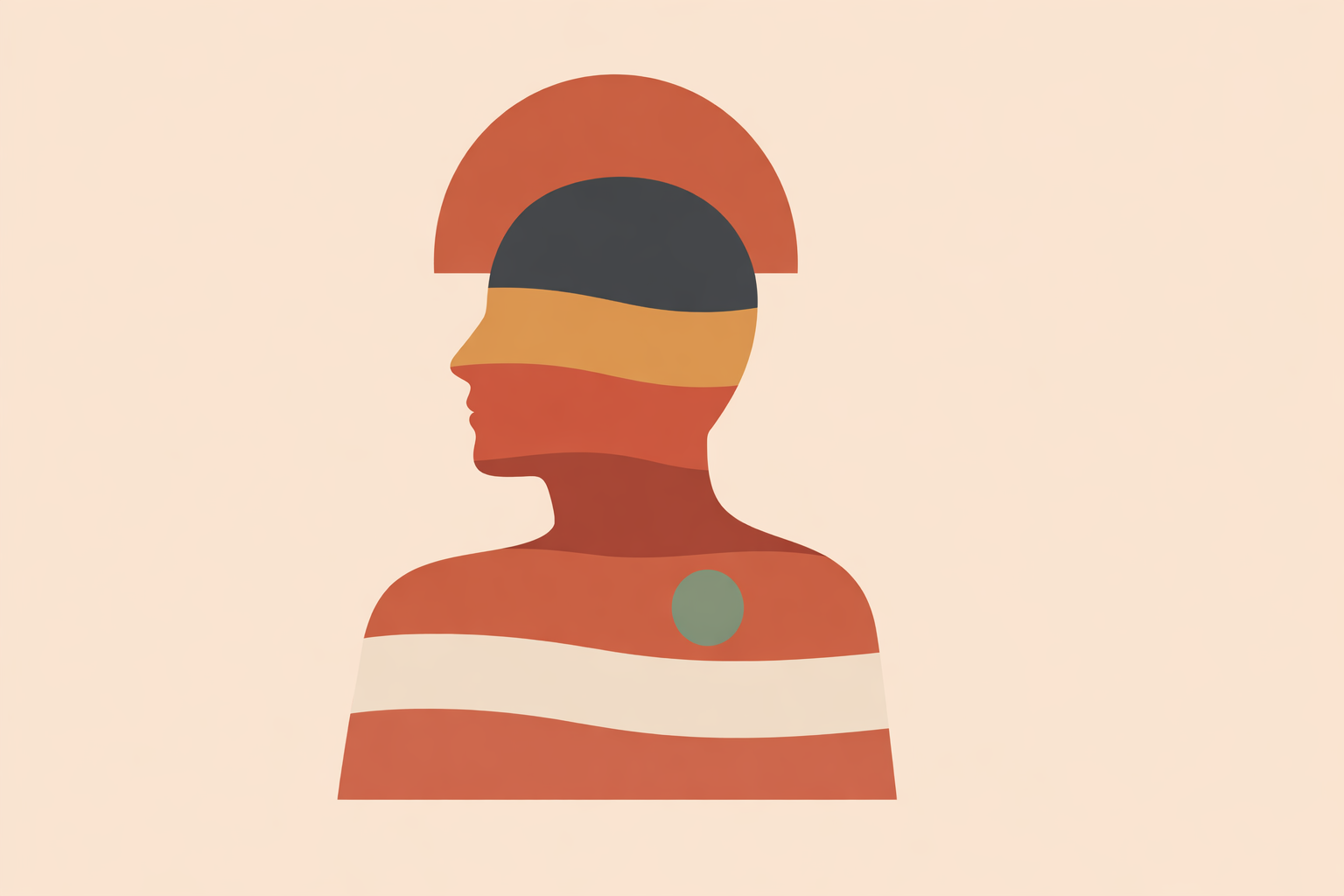
Overwhelm narrows what I call the Window of Presence: the usable range where someone can notice sensation, stay oriented, and access some degree of choice. Inside that window, reflection and connection are available. Outside it, protective patterns take over.
Depending on the person and context, this can look like fight, flight, freeze, appease, or please patterns. Theory-informed descriptions commonly include fight-or-flight mobilization and shutdown or immobilization responses.
The window isn’t fixed. Sleep, sensory load, pain, hormones, stress history, neurodivergence, social context, and current demands can all change its width from day to day. Someone might stay connected through challenge on a resourced day, then get flooded by the same interaction when depleted.
This is why flexibility matters more than loyalty to any single method.
Why people “forget” skills in overwhelm
When someone says, “I know what helps, but I couldn’t find it,” that’s usually not laziness or lack of motivation. It’s often a state-dependent loss of access.
Autonomic state is understood to constrain behavior and experience, which helps explain why agreed-on tools can disappear under pressure. In the room, the most useful move is often to help body and attention return to a usable range so the tool becomes reachable again.
A simple reset might sound like this: “Let’s pause. Put both feet on the floor. Gently look around the room. Name three blue things you can see.” Then check for a tiny shift: “What changed by 1%?” If nothing changes, reduce demand again: slower pace, less input, fewer choices.
Why insight alone often does not settle overwhelm
Many practitioners have seen it: someone understands what’s happening, yet their body remains braced, scattered, or shut down. Insight is valuable, but it doesn’t always lead state.
In polyvagal-informed language, neuroception refers to risk evaluation that happens largely outside conscious awareness. Whether or not you use that term, the practical reality stands: state can shift before a person has words for it.
Related research and theory suggest autonomic state can shape cognition, affect, behavior, and social engagement. In sessions, that means logic alone rarely settles intense activation; it lands better after a little orienting, slowing, or sensory support.
When to start bottom-up
Bottom-up support works through sensation, breath, posture, movement, rhythm, voice, and sensory orientation. It’s a strong place to begin when words are disappearing, attention is scattered, thoughts are looping, the body is restless or collapsed, or reflective questions increase distress.
Bottom-up work supports thinking by restoring the conditions for it. Theory-informed models describe autonomic processes as shaping the conditions for learning and cognition under stress.
Useful signs that body-first support may be the better entry point:
- Speech becomes pressured, thin, or unavailable.
- Orientation to the room is weak.
- The person becomes markedly agitated, collapsed, or immobile.
- Breathing cues feel effortful rather than relieving.
- Questions that require reflection make distress spike.
Simple bottom-up practices that often help
Work in small doses. The aim is to reduce demand so settling can emerge on its own.
- External orientation: “Can you find the door? Two corners of the room? One object with a soft shape?”
- Contact points: “Notice the weight of your feet and the support of the chair.”
- Gentle pressure: “Press your hands into your thighs for five seconds, then release.”
- Voice and vibration: “Would a soft hum feel okay for 10 to 20 seconds?”
- Breath without force: “Let the out-breath be one beat longer, only if that feels easy.”
- Titration: “We’ll touch the hard thing for 10 seconds, then come back to the room.”
Across cultures, rhythm, repetition, song, earth contact, and simple ritual have long been used to settle overwhelm and strengthen belonging. These practices often work because they are steady and familiar, not because they’re complicated.
Polyvagal-informed perspectives also connect perceived safety with reduced defensive reactions. Practically, settling tends to appear when the body no longer feels pushed.
When to start top-down
Top-down support includes attention, interpretation, reframing, mindfulness, planning, and deliberate choice. It fits well when someone is oriented, can think with some flexibility, wants help naming a pattern, or needs support with decisions, boundaries, and meaning-making.
Emotion regulation is best understood as involving interacting processes rather than a clean split between mind and body. Top-down work lands best when it integrates felt experience instead of overriding it.
Good moments for top-down entry include:
- The person can track the conversation without losing the thread.
- They can distinguish what is happening from what they fear may happen.
- They want help organizing next steps.
- They are not heavily activated or shut down.
Top-down prompts that support integration
- Name the experience: “A wave of urgency is here.”
- Separate facts from predictions.
- Shift language from “always” and “never” to “often” and “sometimes.”
- Use defusion: “I’m noticing the thought that I’m failing.”
- Clarify boundaries: “Not now.” “I can do X, but not Y.” “I need 24 hours.”
- Create a mini-plan: “What matters most in the next 10 minutes?”
Reasoning used too early can backfire. After even brief settling, cognitive support often becomes the bridge to choice, boundaries, and action.
When connection or environment must come first
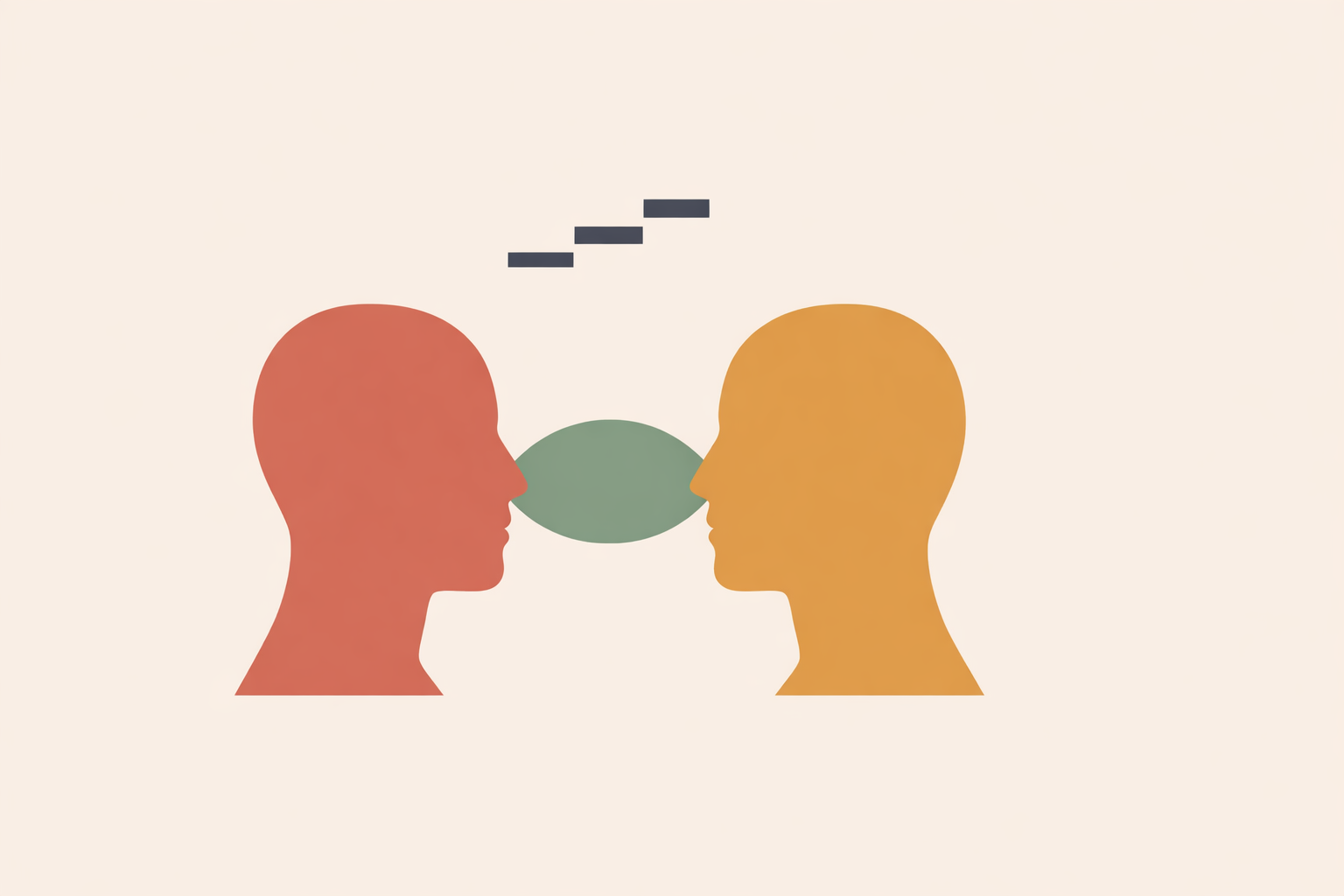
Sometimes neither bottom-up nor top-down support will land because the field itself is too activating. The room is too bright, the hallway is too loud, the pace is too fast, or the person doesn’t feel steady enough with you yet. In those moments, relationship and environment are the intervention.
State-based and polyvagal-informed models propose environmental challenge shapes conditions for social engagement, learning, and cognition. They also describe a social engagement system linking facial expression, head orientation, listening, and vocal pathways in social communication.
In practical terms, your pace, voice, posture, boundaries, and predictability matter. Theory-informed polyvagal accounts suggest social cues of safety can support co-regulation and soften defensive responding.
- Slow your cadence slightly.
- Lower volume instead of intensifying it.
- Name the structure of the session.
- Offer clear choice: pause, continue, or change direction.
- Reduce environmental strain: light, noise, screens, crowding, temperature, lack of privacy.
Cultural humility and difference in regulation styles
Guardedness, reduced eye contact, stillness, emotional intensity, or a preference for distance are not automatically signs that something is wrong. They may be culturally grounded, contextually wise, or simply part of how this person stays organized under pressure.
Inclusive practice means asking what a behavior means before deciding what it means. It also means adapting distance, sensory load, eye contact, and ritual in ways that respect the person’s values, lineage, and lived experience.
Useful language might include:
- “Would less eye contact help?”
- “Do you want me to guide closely, or give you more space?”
- “Is there a phrase, prayer, song, or rhythm that helps you feel rooted?”
- “Would you rather work with breath, movement, sound, or words?”
A practical session flow you can adapt in real time
A simple arc often works well: orient, resource, regulate, reflect, choose, integrate. The order is flexible. What matters is taking the least demanding path back to presence and agency, much like a nervous system regulation arc you can adapt in session.
- Orient: Reduce input. Help the person notice the room, the exits, the chair, the floor.
- Resource: Ask what feels 1% steadier: movement, pressure, sound, breath, or a few words.
- Regulate: Choose one brief practice only. Reassess before adding more.
- Reflect: Name what changed in body, breath, attention, or pacing.
- Choose: Once more present, identify one small next step or one clear boundary.
- Integrate: Close with a simple phrase, ritual, or plan the person can actually carry.
Keep titration in view. A useful intervention leaves the person with more orientation and choice, not just stronger activation.
Ritual, rhythm, and glimmers in ongoing support
Small cues of comfort, beauty, humor, or connection can be powerful anchors. Many practitioners call these glimmers. Noticing them over time strengthens steadier orientation, especially when it’s gentle and unforced.
Simple rituals can support that process: lighting a candle, touching the earth, humming before a difficult conversation, pausing with a hand over the chest, or closing with a phrase from one’s own tradition. These acts matter because they create continuity and familiarity.
In practice, bottom-up change usually looks gradual. The window widens little by little. Recovery becomes quicker. Choice returns sooner. The shifts may be subtle, but they often last.
Conclusion: choose the smallest next step that restores choice
Bottom-up and top-down are different doors into the same work. Bottom-up practices restore the conditions for thinking and relating. Top-down practices help organize meaning, boundaries, choice, and action once enough presence is available.
A useful rule of thumb is simple: begin with the least invasive effective intervention, test it briefly, and adjust rather than intensify if it does not help. Overwhelm is not a moral failure. It is information about current capacity.
A few cautions belong here: if someone feels persistently unsafe, dissociated, or unable to return to everyday functioning, it’s appropriate to encourage additional qualified support. Within your role, stay paced, stay culturally respectful, and keep the next step small enough to succeed, especially in trauma and emotional healing work.
Explore Polyvagal Therapy Skills
Deepen state-based interventions with the Polyvagal Therapy Certification when bottom-up and top-down tools stop landing.
Explore Polyvagal Therapy →