When creative work touches traumatic experience, intensity is rarely the safest starting point. In practice, pushing for catharsis too soon can leave people overwhelmed, fragmented, or shut down. Sessions that stay vague and open can also backfire if they end without helping anyone land.
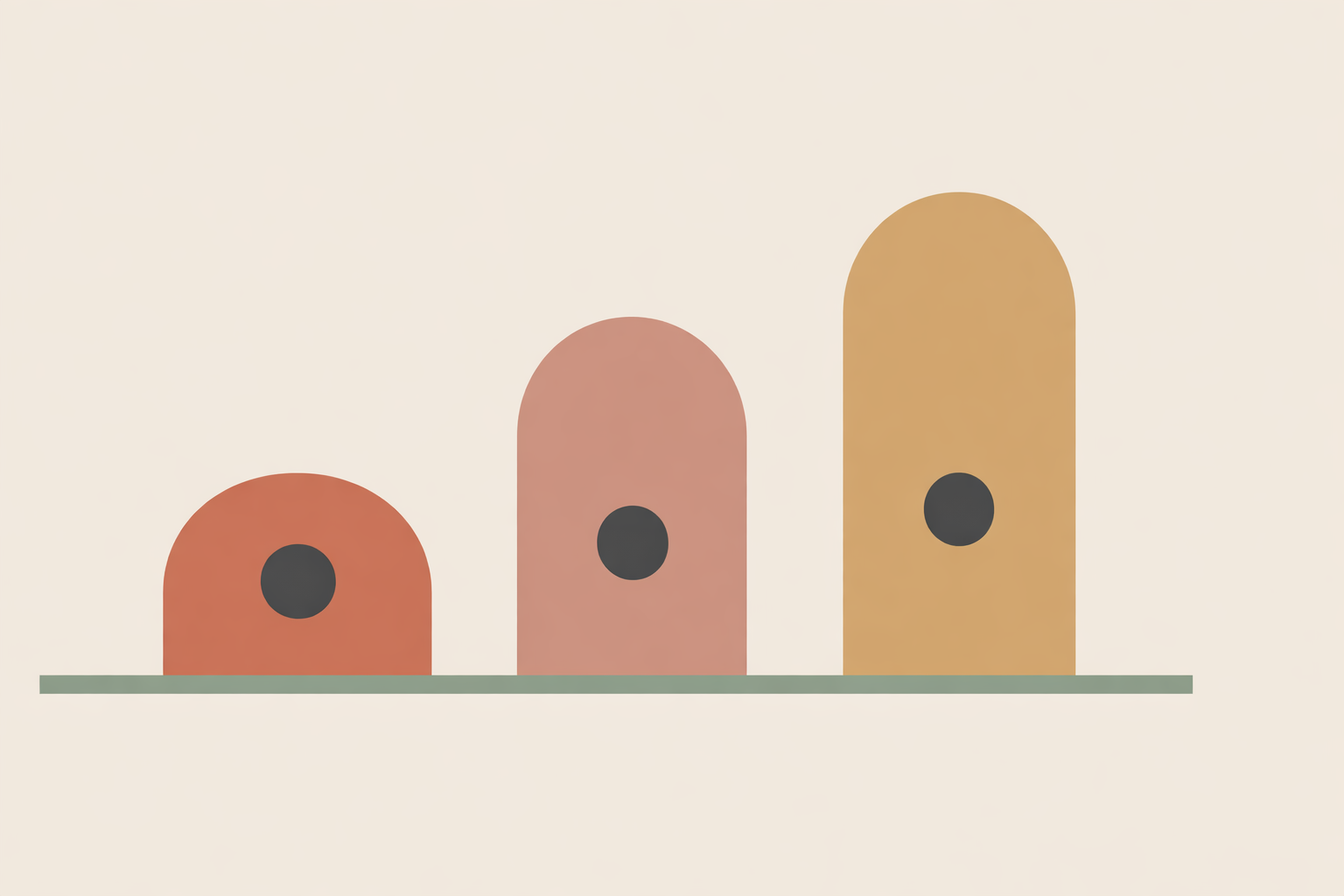
A steadier path is a clear, repeatable arc: settle first, create with real choice, then reflect and close with care. That kind of shape helps people stay oriented, protects agency, and turns art-making into a grounded resource rather than an overwhelming experience.
Key Takeaway: Trauma-safe art work is strengthened by a consistent session structure: regulation first, choice-based making in the middle, and intentional reflection and closure at the end. This kind of arc helps people stay oriented, protects agency, and turns art-making into a grounded resource rather than an overwhelming experience.
1. Regulate First: Prepare the Body Before Art-Making
Start by helping the body settle. When the system feels steadier, creativity can become a resource rather than a trigger, and people have more capacity to stay present with what they make.
Predictable structure supports this from the first minute. A familiar opening ritual, consistent timing, and clear transitions help people know where they are in the process, which builds trust over repeated sessions.
Facilitator presence matters just as much as any technique. Your pacing, tone, and steadiness set the atmosphere before a single tool is picked up.
Simple opening script: “Let’s take a moment to arrive. Notice three colors in the room. Feel your feet on the floor. If it helps, press your fingertips together. We’ll make for 20 minutes, and I’ll let you know when we’re nearing the end so we can close together.”
Settling rituals that work well
- Orienting breath: inhale gently, exhale a little longer, with eyes softly open.
- Hand-to-paper arrival: slowly shade a small square until the page feels complete enough.
- Place-making: arrange paper and tools in a way that feels safe and workable.
- Tea or water check-in: one sip, one breath, one word.
If the group already has its own grounding customs, let those lead. Quiet humming, palm rubbing, a rhythm tapped on the table, or a brief moment of gratitude can work beautifully when they are chosen with consent and respect.
2. Create With Choice: Use Prompts and Materials That Contain
Once there is some steadiness, the goal is not to “get to the story.” The goal is choice, rhythm, and expression that stays manageable. A trauma-safe session can be deeply meaningful without intense disclosure.
Choice is the backbone. Offer options without pressure, and keep the person in relationship with the page, the materials, and their own pacing. Over time, a repeatable arc of sensory regulation, creative choice, and closure builds stability from week to week.
Prompts that build resources
- Safe place collage: gather images, colors, and textures that represent a place where the body softens.
- Container drawing: create a vessel that can hold what feels too much for now.
- Color-feeling map: use abstract shapes and colors to express sensation or mood without telling a story.
- Three lines, three breaths: one vertical line, one horizontal line, one circle, each paired with an exhale.
Prompt language you can use: “Today we’re not trying to explain everything. We’re building steadiness. Choose one to three images or colors that feel like enough for today. If anything strong shows up, you can set it aside, simplify, or return to your container.”
Choose materials that support containment
Media shape the experience. Tools with more resistance and clearer edges often help people stay oriented, while very fluid materials can feel less predictable. Many practitioners find it easier to begin containing sessions with pencils, collage, smaller paper, or simple pastels rather than wide washes or large unbounded surfaces.
- Often more containing: graphite, colored pencils, fineliners, collage, cardstock, stencils.
- Use with more care: watercolor washes, finger paint, charcoal on large sheets, very large surfaces.
Scale matters too. A small card can feel more workable than a large page. Borders, limited palettes, and clearly timed prompts add structure while keeping agency intact.
Example: if someone arrives jittery, offer a 6×9 sheet, one soft pencil, and two earth-tone colors. Invite them to shade a ground, then add one form that feels like shelter. The material choice itself does much of the holding.
Traditional image-making practices have long understood this: steady ritual, clear containers, and meaning carried through symbol help restore connection to self and community, without demanding that everything be spoken out loud.
3. Reflect and Close: Support Integration Before Returning to Daily Life
Art-making benefits from a real ending. Reflection and closure help the experience settle into meaning rather than lingering as activation. Brief writing after art-making can support integration, especially when it stays optional and anchored to the image that was just made.
Keep reflection gentle. This is not critique and not interrogation. It is respectful noticing.
Helpful reflection questions
- “What did your hands notice while you were making?”
- “Which part of the image feels settled? Which part feels unfinished?”
- “If one color in this image had a message for the week ahead, what would it say?”
- “What choice did you make today that felt supportive?”
Short writing prompts
- “I am taking with me…”
- “This image supports me by…”
- “One small action this picture invites week is…”
Across sessions, these small reflections often reveal the most: patterns in pacing, themes in images, and the shifts people describe in their day-to-day steadiness.
Closing rituals that help people land
- Name three anchors: one color, one breath, one small action to carry forward.
- Image care: choose how the artwork will be stored or wrapped up.
- Time check: offer the choice to add one final mark or stop here.
- Orientation: stand, feel the feet, look around, and notice something in the room.
Contemporary neuroscience-informed work suggests art can enhance embodiment, so the close is a natural moment to return attention to the body, the room, and the next ordinary part of the day.
Closing script: “Thank your hands. Notice the chair beneath you and the floor under your feet. We’re returning to the day now. You can carry one color, one breath, and one small action from this image. The rest can stay on the page for now.”
Even a short, consistent ending helps people leave more settled, with a clearer sense of what stays on the page and what they want to carry forward.
4. Bringing the Arc Into Ongoing Practice
The power of this approach is that people can count on it: regulate, create with choice, then reflect and orient. That reliability often matters as much as the prompt itself.
Keep the structure modest and consistent. A few minutes to settle, a contained making period, and a short close is enough to support meaningful work in creative and expressive therapies.
Across time, many people rediscover their own rhythm through trauma-safe art practice, and expressive arts work can support self-regulation as an embodied process. Lasting change often grows from repeated experiences of safety and choice, not from dramatic breakthroughs.
To finish, a few grounded cautions protect the integrity of the work. Stay within scope, keep participation voluntary, and favor what is culturally familiar and rooted for the people you support rather than borrowing rituals without context. Trauma-safe art is built on steadiness, dignity, and a well-held process, which matters just as much in adult groups as it does in one-to-one work.
Train in Therapeutic Arts
Build trauma-safe, choice-led session skills in the Therapeutic Arts Certification.
Explore Therapeutic Arts →