Vagal “hacks” often get marketed as quick calm: ice water, strict breath ratios, humming on command. In real sessions, those prescriptions can shrink a client’s sense of agency. Someone who feels keyed up may get more anxious trying to “do it right,” while someone who feels shut down may feel even farther away when asked to power-breathe. The focus shifts toward managing physiology instead of listening to it.
Key Takeaway: Vagal activation works best as a set of client-led choices that support expression, connection, and steadiness—not as a universal downshift protocol. A practical approach starts with simple state-mapping, then uses low-dose practices across orienting, voice, breath, movement, and sensory setup. The aim is choice before change, with pacing shaped by what the person in front of you can actually feel and use.
Mapping Body States Clients Can Actually Notice
Before any technique, create a shared, practical map. Many clients do better with plain descriptions than theory: connected or disconnected, energized or depleted, warm or numb, expansive or contracted.
A simple “Window of Presence” can help: the range where someone can stay oriented, connected, and choosing while feeling what they feel. The goal is enough presence to stay with what’s happening without getting pulled under.
This is also a good place to name neuroception. The body often reacts to tone, pace, distance, or lighting before the thinking mind catches up. That naming alone can reduce self-judgment and make rapid shifts feel less mysterious.
A clean check-in structure is “Now / In 10 minutes / Supports.” For example: “Now: heavy, far away. In 10 minutes: a bit warmer, eyes up sometimes. Supports: feet on floor, lamp instead of overhead light, slow pacing.” That becomes the plan for the next few minutes.
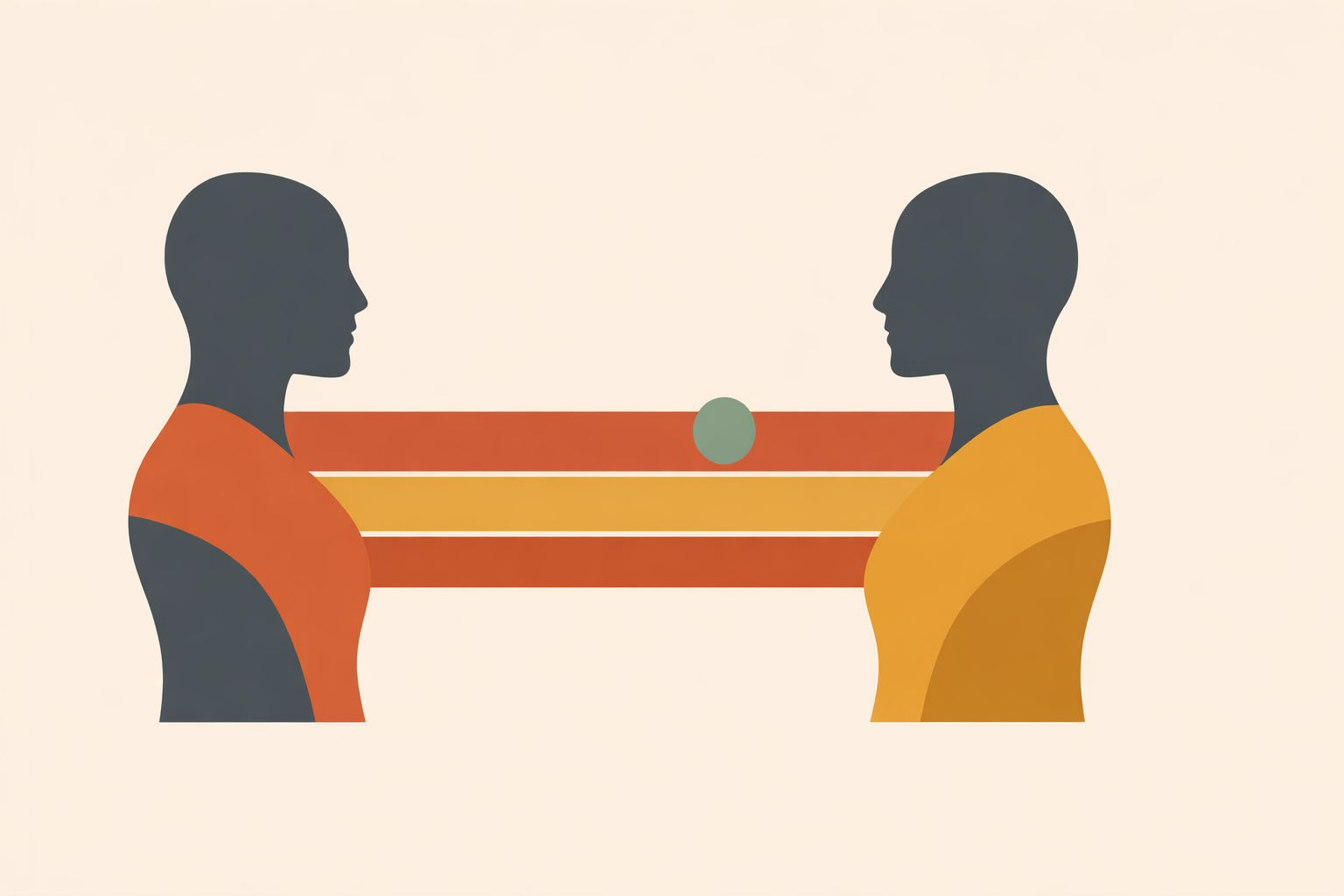
Because regulation is relational, identify what connection looks like for this person. Some want warmth and eye contact; others settle with more distance, less visual demand, and a quieter pace. Theory earns its keep when it clarifies preference.
Orienting Before Interoception
Start with the room, then the body. External orientation gives a here-and-now anchor before you invite internal attention. One protocol for body-based work describes present orientation before shifting toward inner sensation, and that sequence often makes practice easier to enter.
Keep it simple: let the eyes move around the room, name a few colors or shapes, notice one stable object, and feel the support of the chair or floor. When some settling shows up, then turn inward.
Early interoception often works best when attention rests on one neutral or mildly pleasant sensation: the feet on the floor, the hands’ weight, a touch of warmth, the back against the chair. One point of focus is usually enough.
Titration matters here. Touch the sensation briefly, then return to a resource: the room, a steady visual point, or the breath as it already is. This pacing protects choice and clarity.
Expression can come before explanation. If there’s a lump in the throat, interpretation can wait. Ask, “If that sensation had a shape, sound, or gesture, what would it choose?” The body often communicates well through small symbols.
Downshift markers tend to be obvious: escalating panic, dizziness, breath hunger, nausea, freezing, blankness, compulsive effort, or a sudden wave of shame. When they appear, simplify with eyes open, room-naming, finger movement, standing, or leaning the back into a wall.
- 30 seconds: orient to the room and feel both feet.
- 30 seconds: notice one neutral sensation and describe it in a few words.
- 30 seconds: let that sensation choose a small hand shape or sound.
- 30 seconds: return to the room and name one detail you like.
Voice and Vocal Toning as a Bridge to Connection
Sound reaches places ordinary language often can’t. In practice, voice helps because it sits between inner sensation and outward connection.
Your voice sets the baseline. A slightly slower pace, steady tone, and unforced warmth can shift the whole atmosphere of a session, which aligns with the polyvagal emphasis on vocal prosody within social engagement.
From there, invite client voice as an experiment: a closed-mouth hum, a whispered count, a long vowel, or a call-and-response tone. The aim is to notice whether sound increases contact, steadiness, or self-recognition.
Traditional practice has used voice communally for generations, with rhythm and sound supporting belonging. Contemporary research also associates vocalization with emotional settling, stress relief, and group cohesion.
- Humming: 6 to 8 easy hums on the out-breath, jaw loose, lips closed.
- Vowel toning: two soft “mmm,” two “ooo,” two “ahh,” noticing where vibration lands.
- Relational option: one simple tone offered by the practitioner and echoed only if the client wants to join.
If humming brings irritation, nausea, or anxiety, switch quickly. Whispered counting while walking, quiet speaking, or visual orientation can be a better doorway that day. Voice supports best when it stays optional.
Rhythmic Breathwork Without Performance Pressure
Breath support works best when it begins with what’s already there. Start with observation: where is breathing easiest to notice right now—nose, chest, ribs, belly? Which is more accessible, inhale or exhale?
From that baseline, a gently longer exhale is often enough, as long as it stays unforced. The moment breath becomes a test, it stops being supportive.
Research suggests slow-paced breathing and humming can shift heart-rate variability. In sessions, the practical point is fit: some people settle through breath, while others land more easily through sound or movement first.
- Exhale focus: inhale gently, then let the out-breath run a count or two longer.
- Rock and breathe: stand and gently rock heel to toe while whisper-counting the breath.
- Walking mantra: take slow steps and pair each exhale with a simple word such as “here” or “now.”
If dizziness, air hunger, rising panic, or rigid effort show up, stop and return to ordinary breathing. Reorient externally: look around the room, touch a cool surface, or shift into neutral conversation. A short reset often protects the rest of the session.
Breath supports expression best when it follows the body’s vote, and in broader trauma and emotional healing work that kind of pacing often matters as much as the technique itself.
Movement and Gesture for Small Completions
With a bit more presence, movement helps the body complete what words don’t finish. This doesn’t need drama. Small, precise actions often create the deepest change.
Somatic completion can be as simple as letting the body enact “yes,” “no,” “stop,” “come closer,” or “enough” in real time. The value is congruence.
- Feet press and release: press into the floor, then soften.
- Reach and return: extend a hand toward an object, pause, and bring it back.
- Turn and choose: rotate gently toward a preferred direction, then return.
- Boundary hands: one palm forward, one hand on the chest.
- Shake and settle: a few seconds of easy shaking followed by stillness.
These experiments work best with pendulation: a little activation followed by a little rest. That rhythm keeps the work digestible and preserves agency.
Movement can also pair naturally with voice. A client might place a palm forward and say “more space,” or lift the chest with a quiet “yes.” A small outward act can give shape to what was previously only pressure or hesitation.
In many traditions, gesture has always carried meaning. Modern practice makes that meaning more explicit, and keeps consent at the center.
Sensory Environment, Glimmers, and Grounding Rituals
The environment participates in regulation. Light, temperature, sound, clutter, privacy, seating, and transitions all influence whether someone can settle enough to stay present.
So practical adjustments matter: softer lighting, flexible seating, predictable pacing, optional sound, and clear transitions. These are foundational supports.
Glimmers fit well here. A glimmer is a small cue of ease, beauty, or belonging: a patch of sunlight, a favorite texture, a familiar rhythm, a meaningful object, a color that softens the gaze. The aim is honest noticing, not forced positivity.
Offer sensory supports as choices. A weighted object, an open door, more distance, or noise reduction can soothe one person and unsettle another. Ask, then adapt.
When grounding rituals draw from ancestral practices—chant, beads, prayerful movement, call-and-response, or smoke-based ritual—name their roots accurately and use them with care. Respect matters here. Offer secular or client-created alternatives when appropriate, and never borrow sacred forms casually.
- Lighting: at least one softer option besides overhead light.
- Sound: silence, quiet rhythm, or white noise by consent.
- Seating: choices in height, firmness, and distance.
- Transitions: begin and end with the same short orienting sequence.
When people feel safe enough, connection and curiosity tend to appear. Most practitioners recognize this in the room long before they need a formal explanation.
Weaving It Together: Co-regulation, Culture, and Pacing
Techniques come alive inside relationship. Co-regulation is the ground: steadiness, predictability, and responsiveness create conditions where clients can borrow structure without losing agency.
This doesn’t require a performance of calm. It calls for contact with pacing, consent, and fit, so the rhythm is shaped together.
Culture and identity shape every part of this work. Eye contact, volume, distance, gesture, silence, expressive range, and preferred grounding vary across background, neurotype, class, faith, disability, and migration history. What feels welcoming to one person may feel intrusive to another.
So explicit permission matters. “No thanks” stays available. Touch, mirroring, enthusiasm, and emotional intensity remain optional rather than assumed.
Misattunement is part of real work. Repair is what protects trust. Try: “I may have moved too quickly,” “Would you rather pause or continue?” or “Did that feel supportive, neutral, or too much?” A respectful repair often strengthens the process.
- Arrival: orient to the room and confirm preferences.
- Map: name the current state and the hoped-for shift.
- Practice: choose one brief support through voice, breath, movement, or environment.
- Retest: check what changed, even slightly.
- Integrate: name one thing the body expressed.
- Close: choose a tiny daily practice that feels realistic.
Over time, it becomes less about collecting techniques and more about shared literacy: noticing which doorway works on which day, and why.
Closing: Keep the Practice Small and Repeatable
The most dependable shifts usually come from brief practices a client genuinely wants to use. A minute of orienting, three soft hums, one boundary gesture, one sensory adjustment—done consistently—often carries farther than ambitious protocols that never fit real life.
Build a client-generated toolkit over time: one orienting practice, one movement, one voice practice, one relational support, one sensory adjustment, one boundary phrase, and one recovery ritual. Give each a low-capacity version for days with less energy, privacy, or motivation.
Repeated attention and action can strengthen patterns over time. The guiding principle stays steady: match the method to the body, not the body to the method.
Whether your work leans toward chant, movement, breath, or quiet presence, keep the through-line as respect. Keep the dose small, keep the choice real, and let the body teach the pace of connection, especially in polyvagal therapy and other client-led approaches.
Train in Polyvagal Therapy
Ground client-led regulation skills with structured learning in the Polyvagal Therapy Certification.
Explore Polyvagal Therapy →