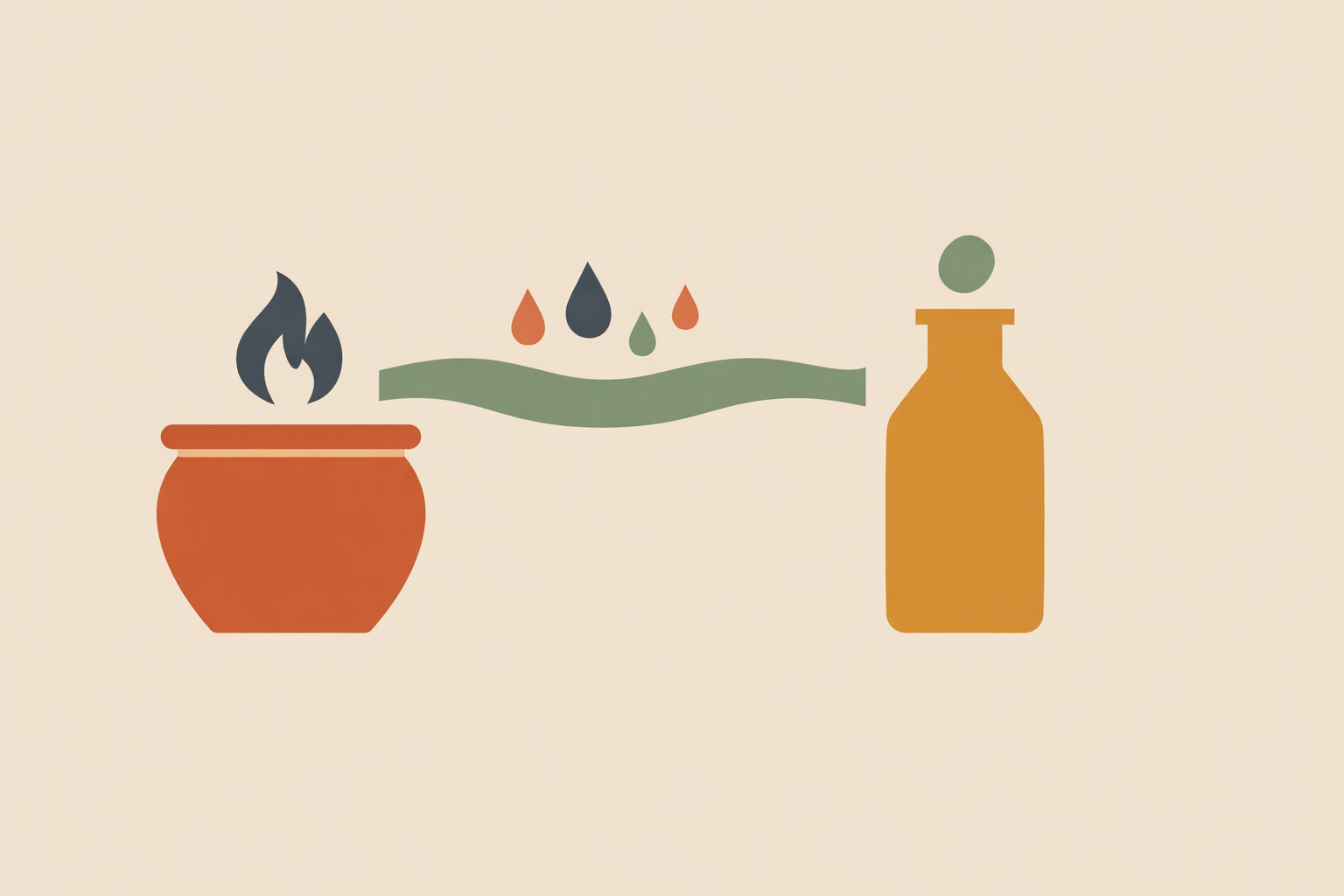
Most trip leaders start with the same default: “we’ll just boil” or “everyone will drop a tablet.” Either can work, but groups add a new layer of reality: volume, timing, and consistency. Stoves create bottlenecks, wait times get skipped, and even well-treated water can be contaminated again if the handling is loose.
Key Takeaway: For groups, water safety is a logistics problem as much as a method choice. The most reliable approach is to choose the cleanest source you can, reduce silt before treatment, and then use a method your group can apply consistently. Boiling is dependable but slower and fuel-heavy. Tablets are light and scalable but easy to misuse. In many outdoor settings, a layered plan works best: clarify or filter first, then use heat or a chemical step, with clear roles, labels, and backup capacity.
Choose the best source before you boil or add tablets
The easiest water to manage is water chosen well in the first place. Good source selection reduces silt, shortens boil time, improves taste, and makes every later step easier.
Read the landscape, not just the surface. A shaded seep or cold tributary is often a better pick than a warm pond, especially one surrounded by hoofprints. Trampled banks, algae, strong odors, or dead animals nearby are practical signals to move on.
Clear water still needs respect. Even pristine-looking mountain water can contain germs, so treatment remains part of the routine.
If you notice chemical smell, strange color, oily sheen, or obvious runoff, choose a different source. Heat and tablets focus on biological contamination, not industrial or agricultural pollution.
In practice, the best source is the one that creates the least downstream work and the fewest compliance problems. This is where local, seasonal knowledge shines. People who know a place over time often know which springs last longest, which creeks cloud up after rain, and what stays reliable late season. That kind of place-based water wisdom is worth cultivating and passing on with care.
- Quick scan checklist:
- Upstream of camps and livestock
- Cold, shaded, moving, or spring-fed where possible
- Minimal algae and no strong odor
- Stable banks and an approach that avoids trampling
- No obvious signs of chemical contamination
Boiling for groups: dependable, simple, and slower at scale
When your group can support it, boiling remains one of the strongest single-step options outdoors. Public guidance recognizes inactivating pathogens through boiling as a reliable approach.
For clear water, guidance advises a rolling boil for at least 1 minute, or 3 minutes at higher elevations. After boiling, cool in clean, covered containers.
Boiling has limits. It won’t remove heavy metals or agricultural chemicals, and group throughput drops once you factor in cooling and storage. Ready-to-drink supply can lag because boiled water must cool before drinking.
Storage is part of the method. Treated water needs clean, covered containers so it isn’t contaminated again, and guidance supports keeping it in clean containers.
There’s also a comfort factor: boiled water often tastes flat. Many leaders improve palatability by pouring cooled water back and forth between clean containers to re-aerate it.
- Worked example: with one 4-liter pot, a group may cover cooking and hot drinks with planned boils, but still need a parallel system for daytime bottles.
Boiling shines when you have fuel, pot capacity, and enough time to keep the cycle moving without turning water into the camp’s slowest job.
Tablets for groups: light, portable, and easy to get wrong
Tablets earn their place when mobility matters. They allow multiple people to treat water at the same time, which is often the biggest advantage for daytime movement.
They work best when the whole group understands what they do and don’t do. Tablets disinfect, but they don’t remove grit, leaves, cloudiness, or chemical pollutants. And tablet types vary, so leaders should follow the product instructions rather than assume a universal dose.
Cold or cloudy water slows disinfection. Water that looks “fine” can still require more patience than people expect.
Limits matter for group decision-making. Basic iodine- and chlorine-based tablets do not kill Cryptosporidium. Chlorine dioxide is broader and may be somewhat effective against Cryptosporidium, especially when water is clarified or filtered first.
For Giardia, the wait is part of the method. Public guidance notes prolonged contact times for some tablet-based options, so early drinking can undo the whole effort.
Tablets also age in real packs. Moisture, damaged packaging, and expiration reduce reliability, so keep them sealed and check them before every trip.
- Field script: “This bottle is overfilled. Either fill to the marked line or adjust the dose. Then mix well, wet the threads, label the time, and leave it alone until it is ready.”
Where groups usually go wrong
Most group water failures come from broken process rather than missing gear. Rushing, guessing, and sloppy handling are what tend to crack the system.
First: drinking too early. Thirsty people reach for a bottle before the wait time is up, and chemical disinfection depends on full contact time.
Second: underdosing. A one-liter tablet does not cover an overfilled bottle, and this mistake is common when people are tired or dinner is pressing.
Third: incomplete mixing. If the threads and cap aren’t wetted, contamination can remain where the mouth meets the bottle.
Fourth: recontamination after treatment. Dirty cups, unwashed hands on nozzles, and careless storage can undo earlier steps. This is why safe storage matters: treated water can be contaminated again if it isn’t kept in sanitized containers.
Taste also shapes compliance. Strong iodine or chlorine flavor can quietly reduce intake, especially in heat or during long climbs. Neutral-tasting water and a trustworthy routine help people drink consistently.
- Leader cue: “Caps off, shake, wet the threads, cap on, write the finish time, and do not touch the READY bottles with RAW hands.”
Layered methods usually work best
For many groups, the steadiest approach is layered: reduce cloudiness first, then disinfect.
That order improves results because particles can interfere with later steps. WHO guidance supports turbidity reduction before disinfection.
If protozoa are a concern, filtering first and then using chlorine dioxide is stronger than tablets alone. Public guidance advises filtering first before chemical disinfection and notes the limits of tablets on their own.
Boiling also fits well into a layered plan. Many groups filter silty water for daytime drinking, use chlorine dioxide for mobile bottle treatment, and reserve boiling for cooking water and hot drinks in camp. Mixing methods like this balances speed, fuel use, and reliability.
UV can be useful too when water is clear and the group is consistent with technique. Public guidance notes UV works for clear water and that particles can interfere.
The guiding principle is straightforward: make each step easier for the next one.
A simple group water protocol you can actually teach
The best field system still works when people are cold, hungry, and distracted. Keep the routine visible, repetitive, and easy to hand off.
Before the trip, estimate demand, identify primary and backup sources, and choose a primary and backup pathway for treatment. Then teach the routine as a shared habit, not a one-time briefing.
- Core kit: filter, approved tablets or drops, stove, lidded pot, pre-filter cloth, clean jugs, marker or tape, and a simple log
- Container system: separate RAW, WAITING, and READY containers physically as well as visually
- Roles: one water lead, with at least two people cross-trained as backups
A teachable routine looks like this:
- Collect from the best available source
- Let sediment settle or pre-filter if needed
- Measure the volume accurately
- Choose the method for that batch
- Mix thoroughly and wet cap threads when using tablets
- Label the finish time clearly
- Store READY water covered and apart from RAW gear
- Start the next batch before the current one is gone
That last step keeps the group comfortable. A steady cycle of collecting, treating, waiting, and storing prevents the READY supply from running dry.
Choose your main method based on your limiting factor. When time, fuel, and pot capacity are plentiful, boiling anchors the system. When you need higher throughput with less fuel, a filter-first setup plus chlorine dioxide often runs more smoothly.
Conclusion: choose the system your group can carry out well
In real outdoor groups, this rarely becomes a contest between tablets and boiling. Boiling provides a dependable heat step, and tablets offer flexibility and parallel capacity. What matters most is choosing a system your group can perform well, every time, without cutting corners.
Start with source choice. Reduce silt before treatment whenever you can. Use roles, labels, and clean handling. Keep backup capacity and a second method in reserve. In many settings, layering steps creates the calmest, most resilient workflow.
As a final note, strong group water practice also reflects a respectful relationship with place. Avoid trampling banks, follow fire restrictions, reduce waste, and learn the seasonal habits of the land you move through as part of broader self-sufficiency and sustainability. A well-run water system supports well-being, steady energy, and good decision-making when conditions change.
Train as a Wilderness Survival Instructor
Build a teachable field system in the Wilderness Survival Instructor course, including group-safe water routines and leadership protocols.
Explore Wilderness Survival Instructor →