Many sound practitioners learn quickly that frequency charts and impressive instruments do not run the room. A person who is wired, sensitive, or skeptical will not necessarily settle with a “perfect” tone if volume, pacing, and choice are off. Surprise swells can flood attention, and group rituals can alienate when cultural signals are handled carelessly.
What consistently helps is a deliberate container: predictable rhythm, clear consent, thoughtful proximity, and silence used as part of the design. The craft is meeting the person in front of you, not proving a theory at them.
Key Takeaway: Effective frequency work is structured listening. Frequency is only one variable among timbre, rhythm, proximity, volume, silence, and pacing. In practice, the strongest sessions are usually the ones that feel clear, choice-based, and easy to settle into—whether you are supporting relaxation, focus, rest, or a more safety-conscious group setting.
From Frequency Charts to Real Sessions
In real sessions, frequency work is less about chasing a perfect pitch and more about shaping an experience someone can actually receive. Sound, pacing, silence, and choice work together to help a person feel steadier and more present. A qualitative study of sound baths highlighted grounding and pacing as central to supportive sessions, and noted that overly loud or poorly paced sessions could feel distressing.
A better starting question is often: what mix of sound qualities and timing helps this person settle today? Frequency is one color in a larger palette that includes timbre (tone quality), rhythm, repetition, harmonic density, loudness, proximity, spatial placement, duration, and the facilitator’s pacing.
Traditional frameworks also belong in this conversation. Chakras, meridians, elemental systems, and lineage-based maps can guide intention and sequencing when they’re used with respect and clear boundaries. They offer a language for awareness and connection, and they can sit alongside modern thinking without being forced into narrow, lab-style claims.
The same practical stance applies to resonance and entrainment. Resonance can be acoustic and experiential: some tones clearly “land” in the body or the room. Entrainment is a useful way to think about steady rhythm supporting attention and breath. These ideas help practitioners make good choices without turning a session into a promise.
What Structured Listening Looks Like in Practice
Imagine someone arrives overstimulated after a long week. You offer a chair or floor option, agree on a stop signal, and start lower and softer than your personal default. You place a low-pitched bowl near the feet, introduce a slow, predictable pulse at a distance, and leave regular spaces of quiet between sounds.
Many practitioners find a warm, mid-low bowl struck gently tends to feel grounding. A soft drum pulse often supports steadier breathing, and quiet intervals give the experience somewhere to settle. These aren’t rules; they’re reliable craft choices because they lower demand on the listener.
Especially with newer clients, simple usually outperforms impressive. The goal is steadiness, so the person can follow the session without bracing against it.
First-Time Relaxation Sessions: Start Simple
For a first session, keep demand low, choices clear, and pacing gentle. Most newcomers do best with a calm, permission-based space rather than complexity.
Start with a brief check-in:
- What would you like to feel by the end?
- Are there any sounds you tend to avoid?
- Would you prefer eyes open, eyes closed, or to decide as you go?
Then describe the arc in plain language: what kinds of sounds might show up, where quiet fits, and how they can ask for less. This reduces pressure and builds trust quickly.
A simple opening script might sound like this: “We’ll begin quietly, add one or two gentle sounds, and leave space in between. If you want anything changed, just raise your hand or say pause.”
From there, keep the shape modest:
- Arrival and orientation
- A few quiet minutes to settle
- One grounding instrument near the feet or at a distance
- A slow, predictable rhythm if it feels welcome
- Quiet intervals
- A gradual close and reorientation to the room
In smaller rooms, softer sound at conversational range is often the most workable. The point is not to chase numbers; it’s to create enough stability that the listener’s system can trust the experience.
A 15-Minute Focus Reset at Work
When the goal is focus rather than deep rest, clarity beats mystique. A short listening break works best when it reduces competing stimulation and gives attention one simple thing to follow.
Frame it plainly as a reset, not a performance. Keep the sound predictable, limit surprise, and make the transition back to tasks clean. A steady pulse, restrained volume, and a short stretch of silence at the end are often enough.
A basic structure can look like this:
- 2 minutes of orientation and choice
- 10 minutes of one simple, steady sound source
- 1 minute of quiet
- 2 minutes to return and name the next task
If you use rhythm, consistency is the feature: same touch, same pulse, no dramatic build. Some people like binaural beats here; others do better with a single drone or very soft percussion. If it supports attention, keep it. If it distracts, simplify.
Short, structured listening often serves workday focus better than highly expressive sound journeys, and in workplace settings that kind of sound therapy for stress relief often works best when the reset stays simple and repeatable.
Bedtime Sound Rituals for Winding Down
For evening sessions, build a repeatable, low-stimulation arc. Bedtime sound doesn’t need to impress; it needs to feel familiar and easy to follow.
Ask what already helps the person transition toward sleep, then place sound around those habits. Dimmer light, a familiar chair or bed, low volume, and no abrupt ending matter more than novelty.
Research on music and sleep often points to sleep quality as a consistent self-reported benefit, and reviews suggest subjective sleep may shift more reliably than laboratory-style measures. That matches long-standing practitioner experience: the biggest win is often helping someone feel ready for rest.
A simple home arc might include:
- Lights dimmed and screens put away
- 15 to 20 minutes of quiet, low-volume sound
- A gradual fade into silence
- No sudden final tone
Steady drones, spacious flute, or very restrained instrumental tracks often work well. Continuity is the guiding principle, and the body tends to settle with fewer surprises.
You can pair sound with slow, comfortable breathing if the person enjoys it. Keep the invitation light; gentle repetition usually does more than technique-heavy instruction at bedtime.
Trauma-Aware Group Sound Baths
In groups, safety and choice come first. Sound lands well when people know they can adjust, opt out, or stay more externally oriented throughout.
Trauma-aware facilitation puts participant control at the center. Guidance for sound sessions emphasizes participant control, including clear explanation in advance, permission to keep eyes open, access to exits, and agreed ways to reduce volume or stop.
This asks you to think beyond instruments. Room setup matters, your spoken frame matters, and your overall tone as a facilitator matters.
Useful design choices include:
- Chairs as well as floor options
- Clear walkways and visible exits
- A plain-language explanation of the session arc
- Permission to stay seated, keep eyes open, or step out
- Predictable pacing instead of dramatic contrast
Some elements are more likely to feel activating for certain people, including sudden volume, heavy low-frequency vibration, reduced visual orientation, and repetitive intensity without room to resettle. These can often be moderated through more distance, lower volume, shorter sequences, and enough light for orientation.
Cultural respect matters deeply in group work. If you’re using instruments, chants, symbols, or ritual gestures from a lineage, name them clearly and use them with integrity. Don’t borrow sacred forms as atmosphere; contemporary sound work can be meaningful without becoming spiritually vague or culturally mixed for effect.
When a Session Overwhelms, Falls Flat, or Meets Skepticism
Not every session lands the same way, and that’s normal. A grounded practitioner stays responsive rather than defensive.
Overwhelm often shows up through simple signals: flinching, breath-holding, stiffening, covering the ears, or a sudden change in presence. You don’t need to analyze it. Reduce intensity, increase distance, simplify the sound, or pause.
Signs of settling can be just as clear: a softer gaze, longer exhales, a looser jaw, less fidgeting. These observations are practical, not diagnostic, and they help you choose the next step.
If someone is skeptical, let them be skeptical. You can say, “You do not have to believe anything for this to be useful. Just notice what changes, if anything.” Then keep the session concrete and uncluttered.
If someone reports no effect, treat it as useful feedback. Ask which sounds felt neutral or distracting, and whether they’d prefer more silence, a different position, fewer instruments, or a shorter arc. Not every person responds to the same approach, and neutrality is still information.
This is also where scope and language matter most. You are supporting listening, reflection, and well-being. You are not promising extraordinary outcomes, and discomfort is not proof that a session is “working” or what frequency and well-being language can responsibly claim. If someone wants a different kind of support, acknowledge it respectfully and stay within your role.
Designing Sound Sessions That Feel Clear, Respectful, and Trustworthy
Across these scenarios, the through-line stays the same: introduce sound deliberately, keep the arc easy to understand, and adjust based on what the person is actually experiencing. Frequency matters, and it works best inside a larger structure of timbre, rhythm, space, volume, proximity, silence, and choice.
Three practical habits strengthen this work quickly:
- Preview the arc before you begin so the listener knows what to expect.
- Use simple before-and-after self-ratings for ease, tension, busyness, or readiness for rest.
- Document what you used, how it was received, and what you would change next time.
Evidence-informed practice here doesn’t require abandoning tradition. It asks for good discernment: knowing what comes from emerging evidence, what comes from traditional understanding, what you’ve observed in practice, and what is personal preference.
In the end, trustworthy frequency work comes from coherence and care. When sessions are culturally respectful and responsive to the person in the room, the work speaks for itself, whether you are practicing within energy healing more broadly or building toward a sound therapy certification.
Train in Sound Therapy
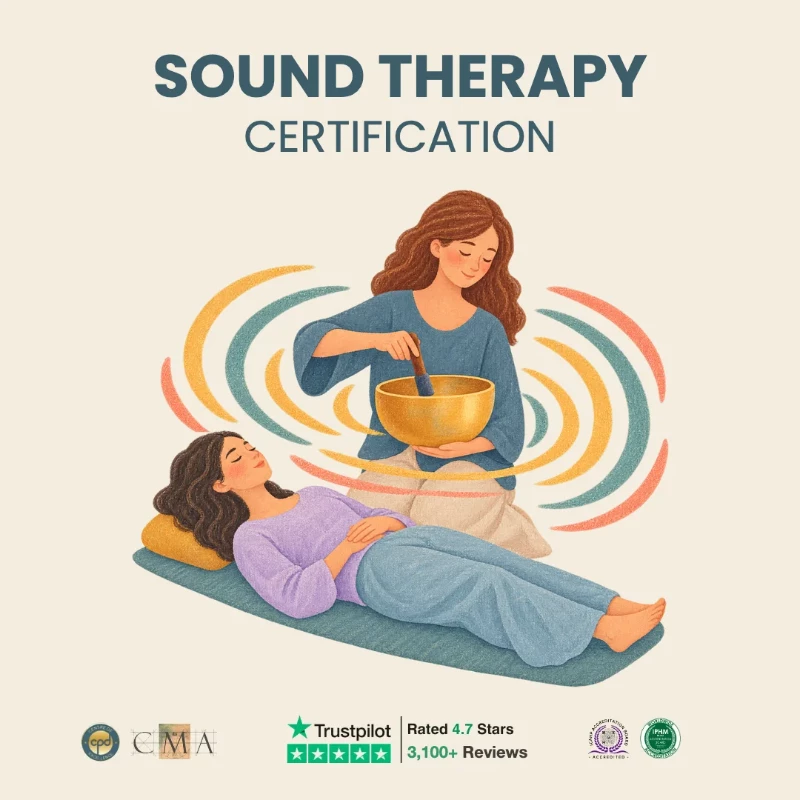
Build structured, consent-based sessions with the Sound Therapy Certification.
Explore Sound Therapy →