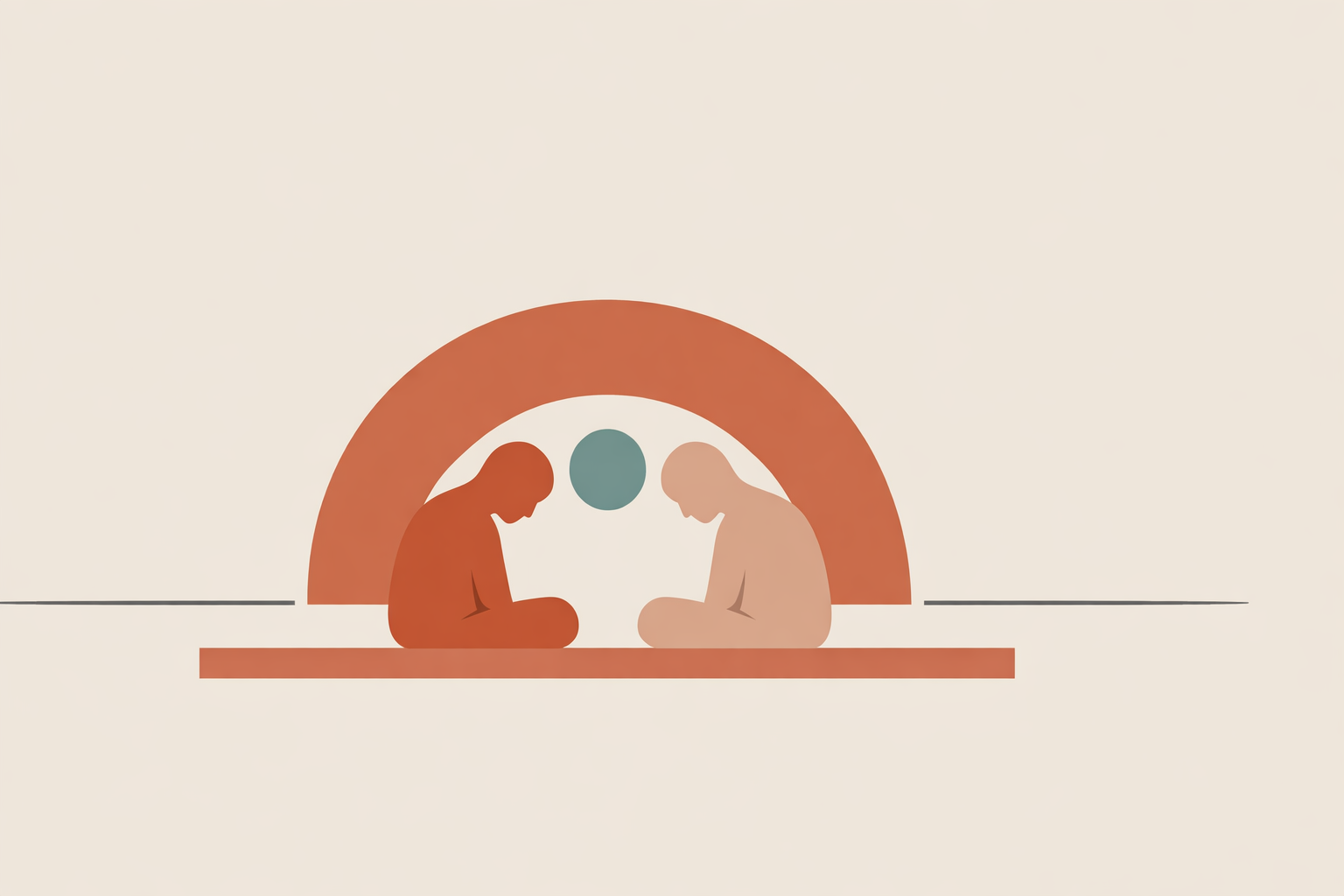
When a dyslexic learner shuts down mid-task, it can be tempting to push for eye contact, ask for reasons, and keep the work moving. In real life, that usually adds pressure and reduces access. A steadier response is to treat the moment as communication: the learner may be protecting themselves from overwhelm, shame, or sensory strain rather than resisting support.
Starting there changes everything. Your language gets gentler, your expectations get clearer, and the learner keeps their dignity. You slow the pace, reduce demands, and make connection possible without asking them to explain themselves while they’re under stress.
Key Takeaway: Effective shutdown support begins with a simple reframe: assume protection, not defiance. From there, keep your first words low-demand and steady, make communication possible without pressure, adjust the task to reduce cognitive load, and use sensory and environmental supports with care. Afterward, reflect briefly, reduce shame, and turn what you learned into a clear plan the learner can use across settings.
Your First Words During a Shutdown
The first minute matters. During overload, your words can either soften the moment or intensify it. Leading with calm presence, tone, pacing, and permission generally works better than questions or advice. Guidance on sensory overload recommends minimal speech, reassurance, and enough time and space for recovery.
Keep your volume low. Use short sentences. Let your face and posture soften. In these moments, less language often does more.
Useful first phrases include:
- “We can slow this down.”
- “You are safe with me.”
- “You do not need to explain right now.”
- “We can pause.”
- “I’ll come back in a minute with two options.”
It also helps to avoid language that adds urgency or shame:
- Skip: “Why are you doing this?”
- Skip: “You know this already.”
- Skip: “It’s easy.”
- Skip: “Look at me when I’m talking.”
A simple micro-routine can keep your response consistent:
- 0–20 seconds: slow your body and voice
- 20–40 seconds: offer one small choice
- 40–60 seconds: remove pressure to respond verbally
- 60–90 seconds: step back and return at an agreed time
Consistency builds trust. Over time, the learner recognizes that you won’t push them through the moment; you’ll help them find their way back to access.
When Speech Goes Offline: Choice-Based and Nonverbal Support
When speech drops out, communication should become easier, not harder. Keep wording low-demand, offer simple choices, and give clear permission. Save “why” questions for later.
Try language like:
- “You do not have to answer out loud.”
- “Point to one: quiet, water, movement, help, or space.”
- “Thumbs-up means continue, sideways means change, down means pause.”
- “You can nod, point, write, or message me.”
Keep options concrete and familiar. Reusable choices lower effort because the learner doesn’t have to build a response from scratch under pressure.
Silence also isn’t always refusal. It can mean processing time, overload, or respect, especially across multilingual and culturally diverse contexts. You don’t need eye contact, emotion labels, or a detailed verbal narrative to know a learner is still engaged.
Adapt the form to age while keeping the same low-pressure spirit:
- For children: pictures, gestures, and simple visual cues
- For teens: privacy, texting, and brief coded options
- For adults: autonomy, clear timing, and discreet ways to signal need
These moments can also build self-advocacy. Model language the learner can borrow, such as, “I need more time,” or, “I can answer better by message.”
Adjust the Task, Not the Person
Shutdowns become more likely when too many demands land at once: listening, decoding, spelling, remembering instructions, organizing ideas, and being watched. Your role is to lower the cost of effort without lowering the level of thinking.
Start with permission:
- “The goal right now is access, not finishing everything.”
- “Let’s choose one small next step.”
- “You can stop after this part and decide what comes next.”
Then reduce simultaneous load:
- “I’ll give one instruction at a time.”
- “First we choose the tool, then we do the first step.”
- “Would you like this written, shown, or said slowly?”
- “Let’s switch formats and keep the same idea.”
Chunking and shifting modality often restores access while protecting dignity. A learner can handle complex thinking and still need a different route. Multimodal literacy and first-then structures can also help, especially around transitions.
Access supports can reduce decoding or output strain while keeping higher-level thinking intact. Dyslexia guidance includes additional time, chunked work, reduced writing demands, alternative ways to respond, quieter settings, and tools such as text-to-speech or speech-to-text.
That might sound like:
- “Listen to the passage and tell me the three main ideas.”
- “Say the sentence and I’ll capture it.”
- “Let’s do audio first, then a visual map.”
You’re protecting participation, which is what makes learning sustainable.
Co-Regulation, Sensory Relief, and Environmental Support
Words land best when the environment also becomes easier to tolerate. Sensory and environmental adjustments can help a learner return from overload with less strain. Guidance on sensory processing recommends removing triggers, moving to a quieter space, and using supportive sensory tools when helpful.
In practical terms, that may include:
- headphones or reduced background noise
- predictable seating
- less visual clutter
- cooler air or a more comfortable room position
- a familiar object to hold
- the option to stand, stretch, or walk briefly
Many traditional settings have long used rhythm, gentle movement, and time in nature to help people settle after intensity. In modern learning spaces, that can look like side-by-side walking, a familiar pacing routine, or a quiet visual focus outside a window. Offered respectfully, these supports create steadiness without forcing conversation.
Choice matters most. Some learners welcome breathing cues, touch, or sensory tools; others find them irritating or activating. Guidance also advises caution with touch unless you already know it is supportive for that person.
Useful co-regulation phrases include:
- “Would side-by-side feel easier?”
- “Would you like quiet, movement, or a different seat?”
- “We can breathe slowly together, or we can just be still.”
- “You can choose none for now.”
If a strategy increases restlessness or distress, let it go. The aim is to help the learner regain enough ease to re-enter the task in a workable way.
After the Shutdown: Repair and Reflection
Once the learner is settled, a brief conversation can reduce shame and build insight. Use this moment to gather practical information, not to replay the shutdown as a failure.
Keep your language dignity-preserving:
- “That task became heavy.”
- “Your system let us know the load was too high.”
- “We can change the conditions next time.”
Then reflect with short, concrete prompts:
- “What did you notice first?”
- “What part added the most pressure?”
- “What helped even a little?”
- “What should I do earlier next time?”
These check-ins build awareness of early signs and helpful supports. Over time, many learners use this knowledge to speak up sooner and recover faster.
A written shutdown plan also helps, especially when it can travel across settings. Keep it brief and practical, whether you're supporting one learner or working within neurodiversity and learning differences more broadly:
- Early signs: quiet, slower answers, looking away
- Helpful words: pause is allowed; choose one support
- Ways to signal: thumbs, card, text, gesture
- Supports that help: headphones, water, audio, side-by-side
- Supports to avoid: repeated questions, public reading, rushed tone
- Re-entry plan: one step, one tool, one check-in time
Consistency makes the biggest difference. When home, learning spaces, and work settings respond in similar ways, the learner has fewer surprises to manage.
What Progress Looks Like
Progress doesn’t always start as “no more shutdowns.” It often shows up first as earlier recognition of overload, clearer self-advocacy, less shame language, more consistent use of supports, shorter recovery, and easier re-entry after a pause. Guidance also encourages noticing early signs and learning what helps reduce future overload.
You can track this quickly after a session:
- What sign did we notice?
- What reduced pressure?
- What should we prepare sooner next time?
This keeps the focus on learning, not blame.
Practising with Care and Clear Boundaries
Shutdown support protects access, dignity, agency, and sustainable participation. When you stay calm, reduce demands, offer choice, and adjust the environment, you make it easier for the learner to remain connected to the process.
Clear boundaries matter too. You can support communication preferences, access planning, routines, reflection, and self-advocacy. You can notice patterns and help reduce friction, which is central to both dyslexia coaching and broader neurodiversity support. If a shutdown pattern is new, unusually intense, prolonged, or linked to immediate safety concerns, pause your usual coaching response and encourage support through the right channels.
Hold one internal script steady: this is communication, not a moral failure. When you return to that stance again and again, learners often meet you there, and trust has room to grow.
Train as a Dyslexia Coach
Deepen these shutdown-support skills with practical coaching frameworks in the Dyslexia Coach Certification.
Explore Dyslexia Coach Certification →