


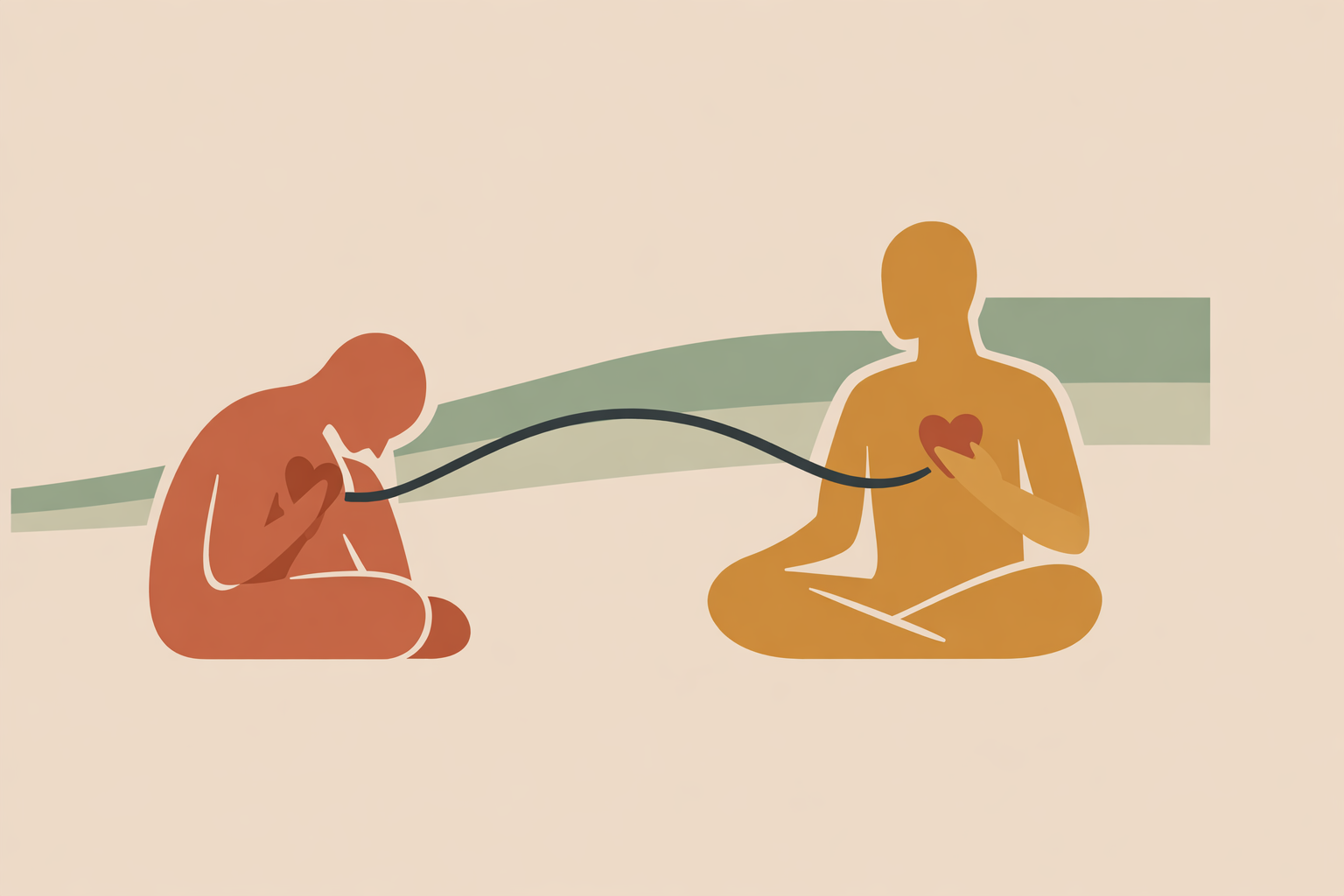
Every autism coach eventually meets the session that suddenly stops moving. A client’s gaze drops, speech stalls, movement becomes hard to initiate, and well-meant prompts start piling up. In those moments, the most helpful shift is simple: assume access has dropped. Don’t assume refusal.
Key Takeaway: When a client freezes, reduce demand before asking for explanation. Treat the moment as reduced access, not defiance. A light Polyvagal lens may help with meaning-making, but the practical sequence is what matters most: Notice → Reduce → Offer → Wait → Confirm → Plan.
Step 1: Reframe the Freeze as Reduced Access
In the first seconds of a freeze, assume the client may have temporarily lost easy access to speech, planning, or movement. That one reframe changes your tone, your pacing, and the choices you offer next.
Autistic shutdown is often described as withdrawal, fog, and awareness without an easy ability to respond. It’s also frequently tied to accumulated stress rather than one isolated trigger.
A useful internal reminder is: access is reduced; pressure will not help. Hold that, and your language naturally becomes more respectful and steady.
Compare these two responses:
- “Why aren’t you answering?”
- “I’m here. You do not need to answer out loud.”
The second response lowers social demand immediately. That often gives the client more room to stay connected in whatever ways remain available.
Step 2: Use Polyvagal Theory Lightly
Polyvagal Theory can be a helpful shorthand for shifting capacity, especially when speech, decision-making, or movement suddenly feel harder. It’s commonly summarized as three patterns: connection, mobilization, and immobilization.
Used gently, this language helps a coach stay compassionate without turning the moment into a label. You don’t need to decide exactly what “state” someone is in to respond skillfully.
It’s also worth knowing that some central claims are actively contested, and reviews suggest dramatic heart-rate decreases are not a hallmark of human emotional freezing.
So keep the theory in its proper place: a loose lens, not a verdict. In session, the grounded question is the one that matters most: what reduces demand and restores choice right now?
Step 3: Start With Low-Demand Language
Your first words matter. When access is low, less is usually more.
- “I’m here with you.”
- “No need to answer out loud.”
- “Would yes/no be easier?”
- “Would you like space, company, or a quieter room?”
- “There’s no need to explain right now.”
- “You are not in trouble.”
A low-demand response usually works better than repeated prompting. Warm, intentional silence can also be active support when it comes with fewer words, fewer movements, and fewer people in the space.
Ask one thing at a time. Stacked questions raise the load quickly when language access or working memory is under strain.
If you want one anchor question, use this: What makes this easier?
Step 4: Change the Environment Before Asking for More Effort
Once pressure drops, let the environment do as much of the work as possible. In many freeze moments, reducing sensory and social load restores access faster than talking.
- Dim overhead lights or move to softer lighting.
- Reduce background noise.
- Lower movement in the room.
- Reduce the number of people present.
- Pause expectations for eye contact or quick answers.
- Offer written or visual options instead of more speech.
This is often the most effective first adjustment: change the room before trying to change the person.
The same approach prevents overload in the first place. Predictable agendas, captions, quiet spaces, flexible participation, shared notes, and explicit permission to pause can make sessions more accessible across neurodiversity and learning differences.
Traditional care rhythms point in this direction too: low light, quieter pacing, less social intensity, and calm companionship. Those values fit naturally with autism coaching.
Step 5: Offer Small Choices and Alternative Communication
After reducing load, bring back agency in small, clear steps. Broad questions can feel impossible when access is low, while closed choices tend to be kinder.
- “Stay here or move?”
- “Quiet or normal sound?”
- “Text, type, gesture, or speak?”
- “Pause for five minutes or end for today?”
Absent speech can coexist with intact understanding. A client may still comprehend what’s happening while initiation, speech, or motor planning is temporarily less available.
Treat AAC, typing, writing, gestures, pointing, symbols, and pre-agreed signals as full communication. Keep these supports close, rather than introducing them only when things get hard.
Visual supports can also help when working memory is low. A simple “now / next / later” note, a pause card, a two-choice board, or a short task list reduces the burden of holding steps internally.
- Open the document.
- Find the form.
- Type your name.
- Save the draft.
- Stop and check capacity.
Also remember that some clients struggle to name feelings directly. Research on autistic burnout notes difficulty recognizing physical and emotional states in some autistic adults, so concrete prompts can be more supportive than abstract emotional questions.
Step 6: Read Context More Than Body Cues
Stillness, breathing pattern, or gaze alone won’t tell you exactly what’s happening. Outwardly similar moments can reflect very different inner experiences.
Descriptive language keeps you accurate and respectful. Name what you can observe: speech reduced, decisions harder, lights lowered, questions paused, typed response available.
Body cues on their own are not reliable indicators of autonomic state. Context is usually more useful.
Shutdown is often preceded by cumulative overload and may look like stillness, withdrawal, or fogginess from the inside out. Burnout is different again: research describes autistic burnout as prolonged exhaustion with reduced capacity, often linked with masking and mismatch between demands and environment.
As a coach, your role is to reduce pressure, support communication, and stay grounded in what the client and the context are showing you.
There are also clear boundaries. New or sharply worsening immobility, prolonged unresponsiveness, inability to drink or eat, or unusual motor changes are red flags. Those moments call for urgent support rather than continued coaching demands.
Step 7: Build a Freeze Protocol for Next Time
After the moment has passed, turn it into shared learning. A short freeze protocol reduces future stress, reduces shame, and makes support more predictable.
- Early signs: What tends to show up first?
- Questions to pause: What increases load?
- Environmental shifts: What helps with light, sound, proximity, and movement?
- Communication options: What stays available when speech is harder?
- Check-in rhythm: Wait quietly, stay nearby, or step out and return?
- End-point: When is it better to pause or end the session?
- Follow-up: What should be noted for next time?
Pre-agreed scripts can help too, especially when explaining needs in the moment would be too demanding.
- “I process spoken information more slowly in busy spaces. Written follow-up helps.”
- “If I stop responding, please reduce demands and offer written choices.”
After burnout, sustainable pacing matters more than big pushes. Shorter sessions, fewer simultaneous goals, longer recovery windows, and more flexibility around cancellations or deferrals often make progress feel possible again.
It also helps to design around deep-focus patterns. Fewer context switches, one priority at a time, and clear stopping points can reduce masking fatigue and support steadier momentum across inconsistent-capacity days.
Over time, many clients show a spiky profile: capable one day, limited the next. Let goals flex with real energy rather than forcing consistency for its own sake.
Conclusion: Support Access First
When a session freezes, your calm presence matters more than having the perfect explanation. Reframe the moment as reduced access. Lower demand. Change the environment. Offer small choices. Wait. Confirm what helps. Then plan for next time.
A light Polyvagal frame may help some coaches stay compassionate, but the real skill is practical: protect dignity, widen communication, and restore choice.
Quiet companionship, steady pacing, visual support, and flexible structure are powerful supports. Used consistently, they help a freeze become a moment of trust and respectful adjustment.
Explore Autism Coach Certification
Build practical shutdown-support skills with the Autism Coach Certification for calmer sessions and better access.
Explore Autism Coach Certification →










