Most Reiki practitioners recognize the moment: a new client pauses before a session and asks, “How does this work—any evidence?” Usually, they’re also checking whether you’re grounded, honest, and respectful of their boundaries. If the answer turns defensive, overly mystical, or overconfident, trust can thin out fast.
These conversations go best when you treat the question as one about consent, scope, and lived experience, alongside any discussion of mechanism. A clear response can honor the tradition, describe what people commonly notice, and be straightforward about research limits. That keeps the focus where it belongs: support, self-awareness, and the person in front of you.
Key Takeaway: A strong answer to “How does Reiki work?” blends three lenses: traditional teaching, direct experience, and current research. In practice, that means explaining Reiki as a lineage-based practice rooted in the Usui tradition, describing what a session actually involves, and speaking plainly about the fact that the proposed mechanism is not established in research. This kind of answer protects trust, supports informed consent, and helps you stay within clear professional boundaries.
The Three-Lens Answer: Traditional, Experiential, and Research-Informed
The most useful explanation usually combines three lenses: traditional teaching, lived experience, and research-informed context.
Through the traditional lens, Usui Reiki is described as working with universal life energy, often called ki. Practitioners often recognize related life-force concepts across cultures, including qi and prana. These frameworks have shaped hands-on and energy-based practices for generations.
Through the experiential lens, sessions tend to involve stillness, mindful attention, and light touch or near-touch. Quiet, intention, breath, and ritual all influence how a person feels, even when people interpret the “why” differently.
Through the research lens, it’s important to be candid. Major public health sources note Reiki’s proposed energy field has not been scientifically demonstrated, and Reiki has not been clearly shown to be effective for a specific health-related purpose.
Used together, these lenses keep your explanation steady: tradition is honored, experience is centered, and research is treated with respect.
How to Explain Reiki Through the Usui Tradition
Many clients respond well to a simple traditional explanation. In the Usui lineage, Reiki is understood as a practice of connecting with and channeling universal life energy. Practitioners create conditions for balance, presence, and inner settling.
This framing keeps the practitioner’s role humble. Rather than claiming to control outcomes, you’re working with a long-standing practice, clear intention, and respectful touch or near-touch.
You might say: “In the Usui tradition, Reiki is understood as universal life energy. My role is to offer a calm, attentive space and let the session unfold gently.”
The worldview behind ki isn’t unique to Reiki. Many traditional systems have their own language for life-force, vitality, or subtle energy. Modern tools do not confirm this as a measurable mechanism, and these frameworks still matter within the cultures and lineages that developed them.
The ethical center of Reiki also deserves mention. The practice is shaped by values like gratitude, diligence, steadiness, and kindness, and those principles are part of what makes the practice meaningful for many people.
What a Reiki Session Usually Feels Like
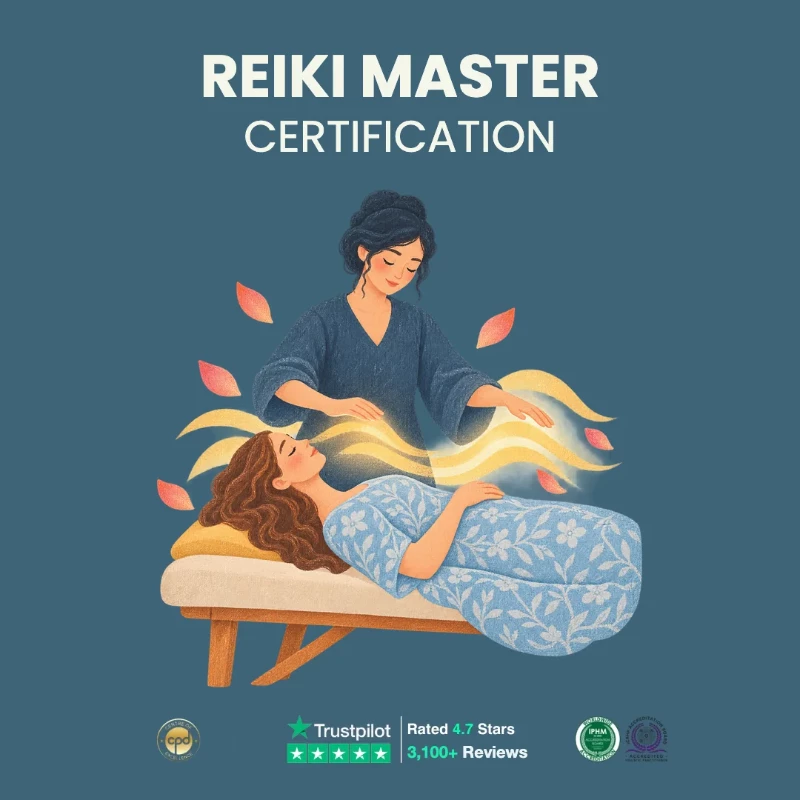
When someone asks how Reiki works, starting with what actually happens often helps. A typical session is done with the person clothed, seated or lying comfortably, while the practitioner uses light hand placements or hovers the hands above the body. Sessions are usually quiet and end with a gradual return to ordinary awareness.
People commonly report warmth, tingling, heaviness, gentle waves, sighing, or deep rest. Some notice emotional softening or release. Reports like tingling and heat come up often, though some people notice very little in the moment.
It helps to normalize all of this without turning sensation into proof. Sensations are influenced by context, expectation, meaning, rest, and touch. Public health guidance also notes there is no evidence for Reiki’s proposed mechanism, even though people can still have meaningful experiences during sessions involving touch or near-touch.
A useful phrase is: “You may notice warmth, calm, emotion, or very little at all. None of that means you’re doing it right or wrong. We’ll just notice what’s present.”
This protects the person from pressure and keeps your language clean.
What Research Says About Reiki
When someone wants the research version, keep it simple: evidence remains mixed, and the proposed mechanism is not established.
Major health sources state Reiki has not been clearly shown to be effective for a specific health-related purpose. They also state the proposed energy field behind Reiki has not been demonstrated scientifically.
That doesn’t erase the value people find in Reiki. Many people choose it because it helps them slow down, feel supported, and reconnect with themselves, and those outcomes matter in real lives and real sessions.
If you want a one-breath answer: “Research is mixed. Some people report feeling calmer and more settled after Reiki, but the scientific community has not confirmed a mechanism or clear condition-specific effects.”
That’s often enough: plain, respectful, and free of hype.
Client-Friendly Ways to Answer in the Moment
Once you’re comfortable with the three-lens approach, it becomes easy to respond naturally.
- “In the Usui tradition, Reiki is understood as universal life energy that supports balance.”
- “In practical terms, the session uses stillness, intention, and light touch or near-touch to help you settle and notice what’s happening for you.”
- “From a research perspective, the mechanism is not established, so I stay honest and focus on your direct experience.”
- “Some people feel warmth, calm, emotion, or clarity. Others feel very little during the session but notice a shift later.”
- “You do not need to believe anything in advance. You can simply notice what you notice.”
If someone asks for a specific outcome: “I don’t promise outcomes, but many people find Reiki supportive for rest, reflection, and feeling more centered.”
If someone is skeptical: “Skepticism is welcome. You don’t need to adopt my beliefs. We can approach the session as a quiet, respectful experience and see what you notice.”
Distance Reiki and How to Speak About It Responsibly
Distance Reiki is part of traditional Reiki teaching, and many lineages hold that intention and Reiki can be offered across distance. A research review also describes distance Reiki as Reiki shared with someone who is not physically present.
Here, steady language matters. Traditional teaching supports the practice, while research does not clearly establish how a remote mechanism would work. Presenting distance Reiki as a traditional form that some people find meaningful and supportive stays true to both realities.
A simple explanation might be: “In Reiki tradition, sessions can also be offered at a distance. If you’re curious, we can try it and pay attention to how the experience lands for you before drawing conclusions.”
Safety, Boundaries, and Good Reiki Practice
Reiki is generally presented as noninvasive, and the most important risks in real practice are usually indirect: unwanted touch, discomfort with positioning, emotional activation, overpromised expectations, or stepping away from other important supports too soon. Public-facing guidance also cautions that using Reiki on its own can be unsafe if it replaces essential support.
This is why boundaries matter so much. Strong ethics and clear agreements reduce risk more reliably than any single paper.
Clear boundary language can stay very simple:
- “You choose hands-on, hands-off, or a mix.”
- “You can pause or stop the session at any time.”
- “If anything feels uncomfortable, emotionally intense, or simply not right, tell me and we will adjust.”
- “We stay with your experience rather than assigning dramatic meaning to sensations.”
Many recipients report calm, reflection, and a sense of inner alignment after sessions. Even mainstream summaries note Reiki may feel relaxing for some people, despite the limits of the evidence base. Good practice holds both truths at once: people may value the experience deeply, and the language around it should remain careful.
Answering With Honesty, Lineage, and Confidence
A mature Reiki practice can hold several truths at once. Reiki comes from a respected tradition with deep cultural roots. Sessions often feel meaningful and settling for the people who receive them. At the same time, the proposed mechanism is not established in research, and that uncertainty should be spoken plainly.
When you answer “How does Reiki work?” from that place, your words get clearer. You’re not trying to win an argument. You’re offering an honest frame: this is a traditional, supportive practice that many people experience as calming, centering, and reflective.
Reiki doesn’t need hype to be meaningful. It needs clean language, good boundaries, and respect for the person receiving it.
Master Usui Reiki Skills
Deepen your ethics, language, and practice framework in the Reiki Master Certification.
Explore Reiki Master →