The usual rhythm in dyspraxia coaching is to adapt tasks and environments until participation feels easier. That approach serves people well when the pattern is familiar and stable. It serves them less well when a previously steady cook suddenly reports a left-hand tremor, two near-scalds, and headaches, or when a typically forgetful planner can no longer sequence a familiar shower routine. In those moments, scope blurs and risk rises.
Coaches need a practical way to separate developmental friction from new or worsening change, and to respond without overstepping. The principle is clear: coach toward participation when patterns are stable and familiar; signpost onward when changes are new, worsening, one-sided, painful, unsafe, unexplained, or still disruptive despite reasonable adaptations.
Key Takeaway: Ethical dyspraxia coaching depends on clear scope and clear thresholds for onward support. Start by grounding yourself in role boundaries, then use a first filter of lifelong pattern versus new change. From there, watch for red flags across movement, senses, cognition, mood, energy, and daily safety. Document observations without labeling, raise concerns in calm and respectful language, and use supervision to guard against both minimising and over-referring.
Know Your Coaching Role First
A steady signposting practice starts with a steady role. In adult dyspraxia coaching, you help people map friction, adapt tasks and environments, notice body signals, and strengthen self-advocacy. You do not identify DCD, rule out other explanations, or treat screening tools as confirmation; that boundary is explicit in SASC guidance.
When something sits beyond your remit, SASC is equally direct that the person should be referred on for further support.
Adult identification, when pursued, rests on developmental history and ongoing functional impact, not present-day self-report alone. That emphasis on a developmental history matters because many adults want a recognised name for their experience, while formal naming still sits outside a coach’s role.
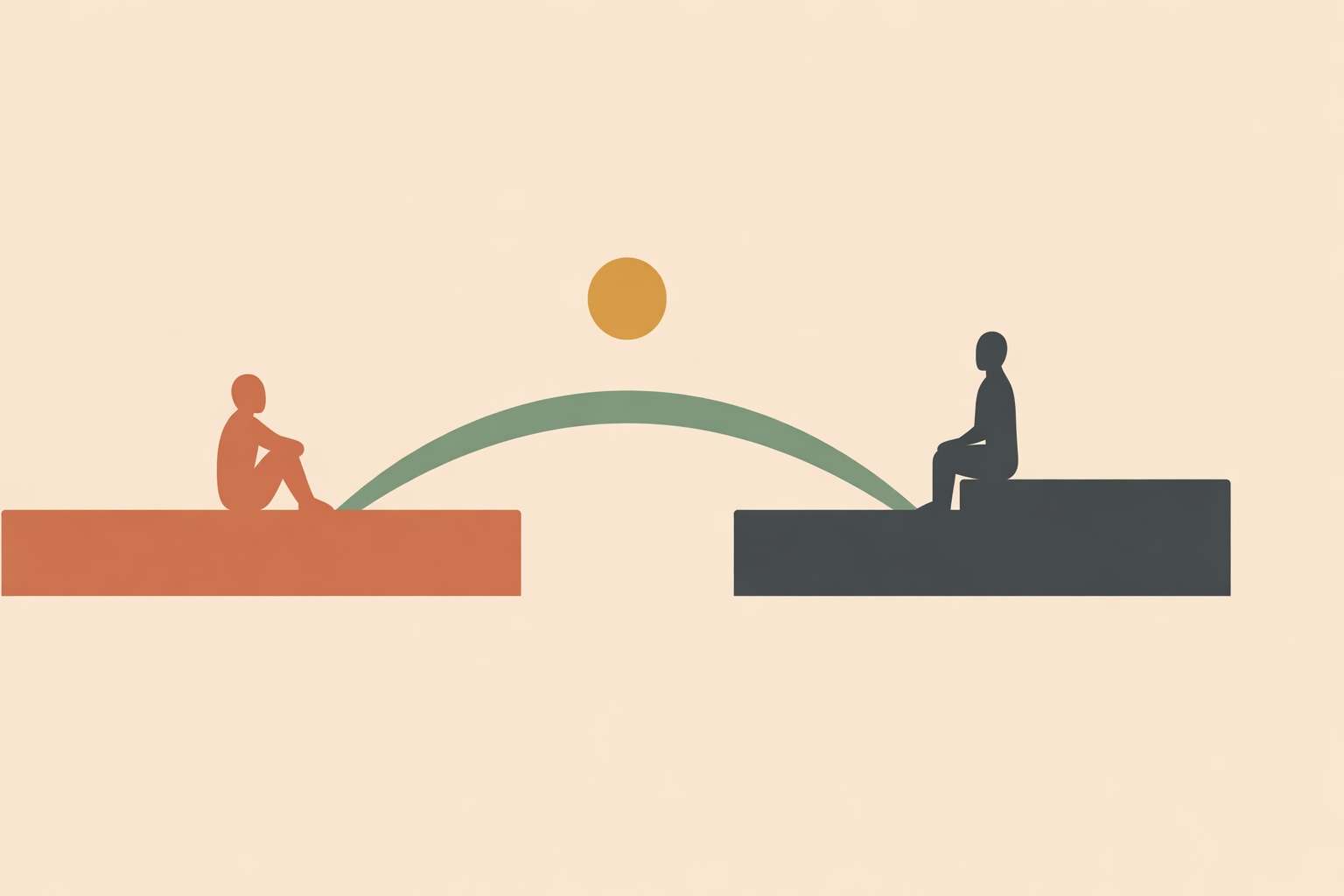
Your contribution remains central: practical change, grounded observation, respectful companionship, and wise signposting. Across many helping traditions, experienced supporters have always known when to stay close and when to invite a wider circle. Referral is not failure; it is good boundaries in action.
You might say: “My role is to help you map patterns, reduce friction, and prepare accommodations. Looking into a new or changing difficulty belongs with the appropriate service. I can help you organise your notes and questions for that step.”
- Example note line: “Client reports long-standing difficulty with multi-step meal prep; co-created micro-steps and adapted layout. Named new onset of left-hand tremor; signposted to relevant services for further support.”
Lifelong Pattern or New Change?
Your first filter is simple: is this part of a long-standing pattern, or is it a recent shift?
Because DCD is developmental, a clear developmental pattern is your main compass. Adult identification emphasises difficulties beginning in childhood and continuing into adult life, so recent difficulties alone do not automatically point to dyspraxia.
If someone reports only recent-onset coordination changes, avoid affirming dyspraxia as the explanation. Public guidance advises adults to seek review for new coordination problems so other explanations can be explored. SASC also highlights the need for timely review when there is progressive loss of motor ability, marked asymmetry, new tremor, new headaches, or visual change.
This is where steadiness matters. Sudden struggle is not laziness, and a dip in functioning is not a character flaw. Hold interpretations lightly and keep the focus on safety and support while the picture becomes clearer.
- Helpful questions:
- “When did you first notice this?”
- “Has anything like it happened before?”
- “Is it steady, improving, or getting worse?”
- “What else has changed around it, such as sleep, stress, routine, or environment?”
- Mini-scenario: “You’ve always needed extra time for laces, but the sudden right-knee buckling is new. Because that’s a change, let’s pause new motor drills and organise a clear summary for the right service.”
Movement and Sensory Red Flags
Many dyspraxic adults live with a familiar level of bumping into things, dropping objects, or needing extra effort for coordinated tasks. Adult dyspraxia commonly involves movement difficulties. What changes your decision-making is a noticeable shift beyond baseline, especially when it brings asymmetry, pain, instability, or loss of function.
Movement red flags include new asymmetry, loss of strength or muscle bulk, tremor, or other emerging physical changes. SASC lists these as signs that warrant onward support rather than being folded into a dyspraxia explanation. The same applies to new or unexplained joint pain, persistent pain with movement, or frequent headaches.
Vestibular and visual-vestibular shifts matter too. New vertigo, oscillating vision, motion-triggered nausea, sudden hearing change, or balance deterioration in busy visual environments are all reasons to signpost. Recurrent joint giving-way, frequent sprains, or instability that continues despite adaptations may point to joint hypermobility or other contributors rather than motor planning alone.
Sensory differences can also be part of dyspraxic experience. Some dyspraxic people have heightened sensitivity to light, sound, or touch. In sessions, it can also be useful to map vestibular discomfort, uncertain body-position sense, or difficulty reading internal body cues. Signpost onward when the experience is new, escalating, disabling, or creating safety concerns.
- Composite scenario: “Maya says, ‘My left hand shakes when I pour tea, and I’ve started bumping doorframes on that side.’ We paused kitchen practice and wrote: ‘New left-sided tremor and spatial drift; began two weeks ago; increasing; two near-scalds.’ Then we signposted onward.”
- Quick self-check: if a body signal is new, one-sided, worsening, or painful, and your adaptations have not made daily life safer, it is time to signpost.
Cognitive, Mood, and Energy Changes
Use your usual coaching tools for executive-function strain: micro-stepping, friction mapping, pacing, and reflective planning, as you might within daily routines. Then stay alert for moments when the pattern no longer fits that frame.
Adult participation is shaped by more than coordination alone, including executive function, self-esteem, social context, and environment. Still, new memory problems, confusion, slowed thinking, marked loss of attention, or a new inability to sequence familiar tasks are meaningful shifts, especially without a childhood history of similar difficulties.
The same is true for significant new changes in mood, behaviour, or inner steadiness, particularly when they appear alongside movement changes. Coaching can hold space, organise patterns, and reduce friction, while still naming when a change deserves support beyond coaching.
Energy tracking is often one of the most practical lenses. Following energy curves across days and weeks can help separate skill-based friction from fatigue, overload, poor sleep, pain, or recovery demands. This is long-held practitioner craft: observe, look for patterns, and respond early. If energy or function changes sharply and stays changed, do not assume dyspraxia explains it.
- Energy-curve example: “Pre-8am: 4/10; late morning: 7/10; post-lunch crash: 2/10, new in the last month; evening rebound: 5/10. Two near-misses making tea during the 2/10 window.” That points to pacing plus onward support, not just more planning tools.
- Script line: “Because remembering the steps for showering is suddenly hard, and that is new for you, let’s pause adding new routines and get the right support involved.”
Daily Safety at Home, in Travel, and at Work
Risk shows up in ordinary places: the kitchen, the bathroom, the commute, the workshop, the stairs. Coaching can reduce friction in all of them. When risk keeps rising or persists despite sensible changes, the next step is onward support.
At home, repeated falls, near-falls, unexplained collapse, injury, or unsafe transfers deserve prompt attention, especially when they continue despite pacing, clearing pathways, footwear changes, and task simplification. In the kitchen, recurring burns, cuts, dropped hot liquids, unattended heat, failure to notice danger, or inability to use adaptive tools safely are strong reasons to pause and signpost.
Travel has its own thresholds. Disorientation, missed hazards, near-collisions, sudden balance change, visual shifts, or loss of control during routine manoeuvres are all signs to seek review before carrying on as usual. The same principle applies to self-care: a new inability to dress, wash, toilet, eat, transfer, or manage basic household routines is functional change that should be taken seriously.
Workplaces can often adjust well. Written alongside spoken instructions, quieter zones, adapted workflows, more time for transitions, and reviewing how tools and machinery are used can all support participation, including in adults at work and home. Public guidance recognises the value of work adjustments when dyspraxia affects employment. If safety incidents are recurring, encourage the person to use the workplace’s own safety and support processes, with clear consent around what is shared.
- Real-world note: “Client reports three near-misses with boiling water in two weeks; historically around one minor burn per month, now twice this month. Trialled kettle tipper; scald risk persists due to tremor. Agreed to pause solo boiling and seek further support.”
- Travel script: “Because you’ve had two near-collisions at the same junction, let’s pause that route and organise review before you try it again.”
How to Raise Referral Without Losing Trust
Many adults have spent years being dismissed, misunderstood, or told they are overreacting. So the way you raise onward support matters as much as the decision itself.
Adults with DCD have described feeling dismissed when support pathways are unclear or unavailable. Transparency protects trust. Frame signposting as shared stewardship: you stay alongside them while inviting the right kind of support for the part that sits outside coaching.
A simple rhythm helps: ask permission, explain what you are noticing, offer choices, and keep the person in charge of what is shared. Calm, concrete language protects dignity.
- Opening line: “I’m noticing a pattern we should not try to solve inside coaching alone.”
- Because/therefore: “Because this change is new and increasing, the safer next step is to have it looked into. I can help you prepare for that.”
- Choice-making: “Would you like to start with a written summary you can share, or shall we draft your questions first?”
- Boundaries: “I will not be naming what this is. My role is to support your day-to-day steadiness and advocacy.”
- Follow-through: “Let’s book a check-in after you have made contact, so you’re not carrying this on your own.”
A practical tool is a one-page referral helper with space for the person’s own words, a short timeline, a few concrete examples of risk or change, and their top questions.
Document Clearly and Review Your Thresholds
Good notes support good decisions. They also protect against both minimising and over-pathologising.
Document what the person says and what you observe without converting either into labels. Useful notes include onset, duration, frequency, context, functional impact, safety implications, and change from baseline. As a practical rule, signpost onward when the concern is new, worsening, unsafe, unexplained, outside your competence, or still clearly disruptive despite reasonable adaptations.
Balance matters. Not every awkward movement, sensory preference, missed deadline, or emotionally heavy week needs formal follow-up. At the same time, do not normalise escalating pain, tremor, asymmetry, memory changes, loss of function, or new instability as “just dyspraxia.” Context, persistence, and change over time are what give the pattern meaning.
Supervision and peer reflection are useful here. They help you notice scope drift, anxiety-led decisions, ableist assumptions, and cultural blind spots. They also help you check whether your plan is genuinely supporting the person in front of you, whether through neurodiversity and learning differences work more broadly or more focused dyspraxia support coach certification training.
- Sample red-flag note: “New right-arm tremor when lifting kettle; onset 10 days ago; now daily; two minor scalds; no history of tremor in earlier life. Adapted task with kettle tipper; risk persists. Client agrees to seek further support; summary provided.”
- Self-review prompt: “Am I signposting because this truly meets a threshold, or because I feel uncertain and want to escape the discomfort?”
Wise Boundaries Are Part of Good Dyspraxia Coaching
Referral is part of holistic practice. It honours a simple truth known across many helping traditions: some changes call for a wider circle.
In dyspraxia coaching, your craft is to map friction, adapt environments, listen carefully, and strengthen self-trust while staying alert to signs that say pause and signpost. The touchstones are straightforward: is it developmental or new, stable or worsening, safe or risky, familiar or unexplained, inside scope or beyond it?
When you work from those questions, you can act calmly, write notes that travel well, and speak in a way that protects dignity. Hold one final caution in mind: when something is clearly changing, one-sided, escalating, or creating safety risk, your best work is often to steady the person, document cleanly, and help them access the next layer of support.
Train in Dyspraxia Coaching
Apply clear scope, red-flag thresholds, and ethical signposting with the Dyspraxia Support Coach Certification.
Explore Dyspraxia Support Coach Certification →