If you coach people with auditory processing challenges, you will hear the same question again and again: which mic, app, or device should I buy? It is a fair question, but it is rarely the first one that changes day-to-day life. When noisy rooms, rushed speech, overlapping voices, and inconsistent routines keep listening load high, gadgets end up carrying too much of the burden.
A steadier approach is to shape the environment first, then add tools that make speech easier to follow and meaning easier to retain. In practice, that means improving acoustics, slowing pacing, clarifying turn-taking, and using simple visual supports before layering in remote microphones, captions, recordings, or written follow-ups.
Key Takeaway: Effective APD support works best when environment, pacing, and structure reduce listening load before technology is added. The strongest setups combine cleaner rooms, clearer routines, and well-chosen tools so people can conserve energy, understand more, and participate more consistently across school, work, home, and social life.
Setup 2: Use remote microphones to bring the voice closer
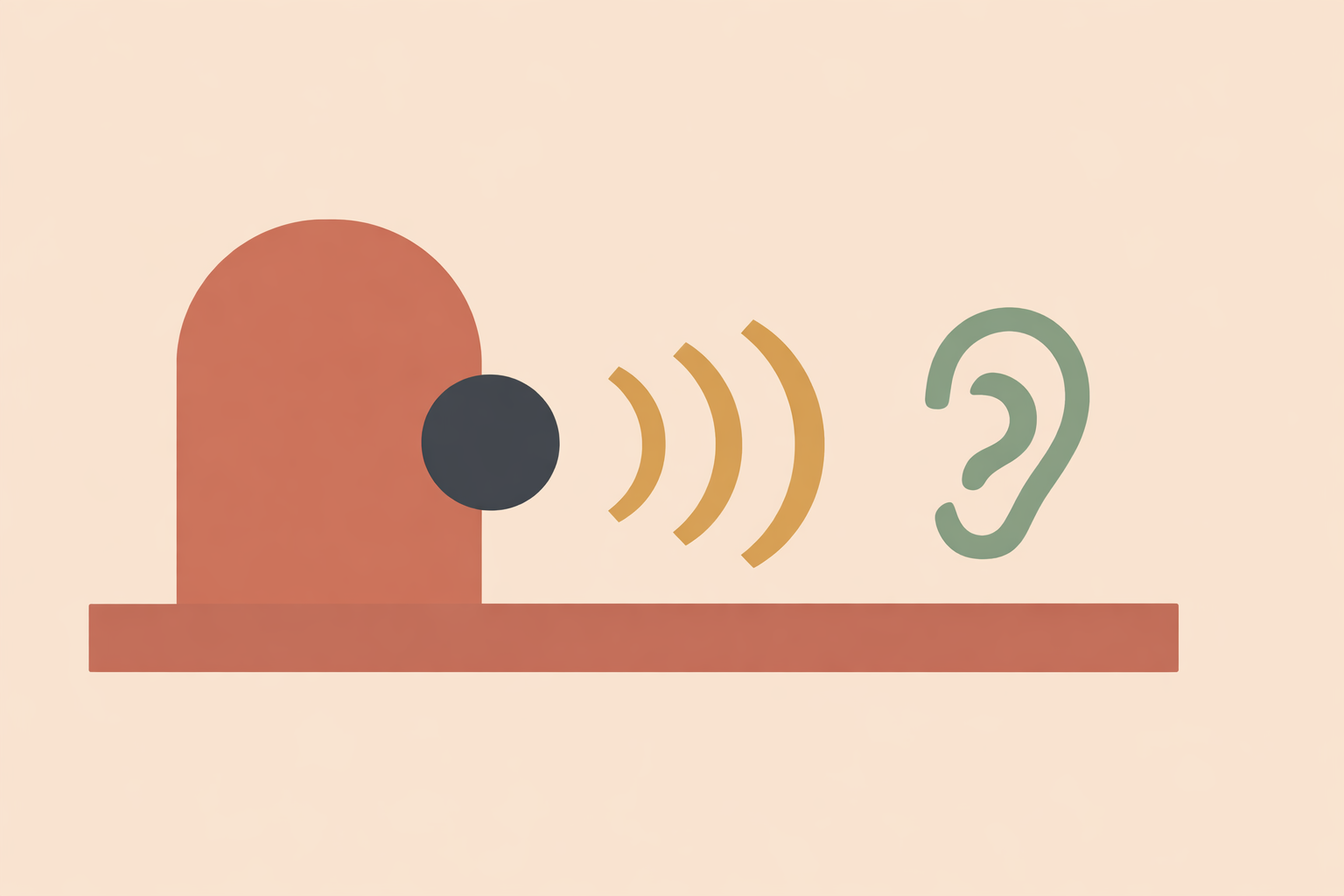
Once the room is doing its part, technology becomes far more effective. For many people, the most useful next layer is a personal remote microphone, which brings the main speaker’s voice closer and reduces the impact of distance and room noise.
This is often the difference between hearing sound and following meaning, especially when one person carries most of the important information, such as a teacher, trainer, facilitator, or meeting lead.
Whole-room speaker systems can support more even audibility across a space, but they usually do not give the same direct lift as a personal setup for someone who struggles most in noise. In coaching, it often helps to treat sound-field systems as supportive and personal remote microphones as the main access tool when one voice needs to cut through clearly.
Families and practitioners also notice practical ripple effects: more participation, less visible strain, and more energy left later in the day. When the listener is no longer spending so much effort filtering noise, they can put that capacity back into the task and the conversation.
- Choose a personal remote mic when one main speaker matters most.
- Use a pass-around or shared mic in small group discussion when possible.
- Clip the mic close to the mouth for better clarity.
- Pair the mic with visual supports rather than relying on audio alone.
A simple school setup might be: the teacher wears a small mic, the learner listens through paired earbuds or a receiver, and group discussion uses a shared mic when needed. In adult settings, the same logic applies in workshops, trainings, and meetings.
Setup 3: Build a learning stack for lectures and seminars
Lectures and seminars are listening marathons. Support works best as a layered stack: clearer sound, visible structure, replay options, and lighter note-taking demands.
Start with visual anchors. A visible agenda, key terms in advance, and clearly titled slides give the session a shape the listener can return to. Short written directions and a measured pace also tend to land better than dense, fast explanations.
Protect attention by reducing multitasking. Multitasking is costly for comprehension, so it often helps to offload notes with a shared outline, a note-taking partner, or a simple “timestamp now, review later” approach.
Captions and transcripts are now central in many support plans for recorded lessons, video teaching, and livestreamed content. Captions as an accommodation are widely recognized, and they often provide exactly what many learners need: a second channel when spoken language moves quickly.
Recordings can also help when they are used selectively. Many learners do best when they mark one or two key moments to revisit later, rather than replaying everything.
- Seat with a clear face view near the main speaker.
- Use a remote mic where possible.
- Ask for key terms or a brief outline in advance.
- Turn captions on for live or recorded content.
- Use recording selectively for review.
- Reduce note-taking demands during high-load listening.
The aim is not a perfect system. It is enough structure for the learner to stay with the flow and return to details later without spending all their energy in the moment.
Setup 4: Make meetings easier to follow with structure and captions
Meetings get easier when they are designed for clarity rather than endurance. The strongest setups are usually simple: one voice at a time, a short agenda, decent microphone habits, and captions available as backup.
Written support before and after the meeting often matters as much as what happens during it. A brief agenda sets expectations, and a short recap reduces the pressure to catch every detail live.
Captions can be especially useful in video calls, glass-walled rooms, and fast-paced team discussions. They are not perfect, but they often catch names, numbers, and key phrases that might slip past. Caption quality improves when audio is clean, and close microphones plus clear turn-taking can make a noticeable difference.
A practical starter stack for many workplaces is: remote microphone from the main speaker, live captions for verification, and a short agenda shared beforehand. That combination supports understanding without adding complexity.
- Use one voice at a time.
- Keep the mic close to the speaker’s mouth.
- Share the agenda in advance.
- Spell names or acronyms in chat when useful.
- Send a short written summary afterward.
If captions lag or mishear terms, meeting culture often matters more than app settings. Pauses, repetition, and clear turn-taking usually solve more than endless technical tweaking.
Setup 5: Support connection at home with gentler routines
At home, the goal is not performance. It is connection. That shift in purpose changes the best kind of support: small acoustic improvements, predictable timing, and light-touch tools that reduce pressure.
Start with basics that keep communication smooth: lower background sound, face each other, and use turn-taking for important conversations. A quiet work zone for homework, life admin, or online sessions can also reduce friction across the household.
State matters too. Many families find that a brief walk, a grounding breath, or a short movement break helps before a demanding conversation. In a polyvagal-informed frame, auditory processing can be supported when the body feels more settled and less reactive.
Written follow-ups are often one of the kindest supports at home. A shared note with next steps, a quick text after an important conversation, or captions during dialogue-heavy shows can reduce pressure on immediate auditory memory.
Timing also deserves respect. Time-of-day effects can influence auditory processing, and many people notice that late-evening listening is harder. When possible, save higher-load conversations for a better listening window.
- Turn off music or TV during important conversations.
- Write down the key points for decisions or plans.
- Take a short reset break before high-load discussions.
- Notice your best listening time of day.
These home supports work because they protect the relationship as much as the listener. Communication stays humane, and everyone has more room to meet each other well.
Setup 6: Use mobile captions wisely in calls and social spaces
Phone calls, cafés, gatherings, ceremonies, and public spaces can be some of the hardest listening conditions because the soundscape is unpredictable. In these moments, mobile captions can offer a valuable second channel.
For occasional in-person conversations, many people find on-device captioning features helpful. iPhone Live Captions and similar tools can support comprehension when speech is fast or the setting is lively.
Placement matters. For in-person captioning apps, placing the phone closer to the speaker can materially improve what gets captured, especially in noisier venues.
Match the tool to the moment. Captions can help with names, jokes, and key details, but they are still affected by overlap, distance, accents, and background noise. Smart seating and good mic placement often matter just as much as the app.
Privacy also deserves forethought. Some solutions process audio beyond the device, so sensitive work or personal conversations may call for a different approach, such as a written follow-up.
- Sit with your back to the wall when possible.
- Avoid sitting beside speakers, coffee machines, or fans.
- Place the phone near the main talker if using captions.
- Use captions for backup, not as the only strategy.
- Follow up important details in writing afterward.
In social settings, a small, well-used support can be the difference between staying included and quietly checking out from fatigue.
Setup 7: Coach the whole stack without creating overload
From a coaching perspective, the real skill is building an ecosystem that fits the person, the setting, and the amount of sensory load they can realistically carry.
Go slowly and keep the stack light. Start with one primary support (often a remote mic or captions) and one structural support (often an agenda or written notes). Add more only when a clear need remains, because too many channels can create split attention, visual fatigue, and the feeling of managing a system all day.
Progress usually shows up first in daily function. Listening fatigue, confidence in group conversation, clarity in meetings, and recovery time after a demanding day often shift before bigger changes in school or work participation.
Simple tracking is enough to guide the next step: a 0–10 fatigue rating, a quick note on how understandable a meeting felt, or a short “what helped here?” log can reveal patterns fast.
Coaches should stay focused on practical strategy and real-world support. When challenges remain significant across everyday life, refer onward for more formal input and help the client arrive prepared with observations about environments, routines, and tool trials in auditory processing disorder coaching.
- Trial one change at a time.
- Notice what improves energy as well as understanding.
- Remove tools that add more strain than value.
- Use plain-language observations to guide next steps.
- Refer onward when everyday challenges remain significant.
The best support stacks are rarely flashy. They are practical, respectful, and easy enough to keep using.
Conclusion: Build listening support as a living ecosystem
Across school, work, home, and social life, the same pattern keeps showing up: technology works best when the environment already supports listening. Clean acoustics, clear turn-taking, visible structure, and thoughtful pacing create the conditions, and then remote microphones, captions, recordings, and written recaps strengthen what is already working.
Thinking in ecosystems keeps support flexible. One day the right stack is a remote mic plus captions plus an agenda. Another day it is quiet seating, a written outline, and a short follow-up text. Use a few tools well, and let them evolve with real life.
A strengths-based approach also protects dignity. The work is to widen access, reduce unnecessary effort, and help people communicate with more steadiness and confidence across neurodiversity and learning differences support.
Done well, APD support becomes a steady foundation you can build on, rather than a constant search for the next device.
Train in APD Coaching
Deepen your practical support skills with the Auditory Processing Disorder Coach Certification.
Explore the APD Certification →